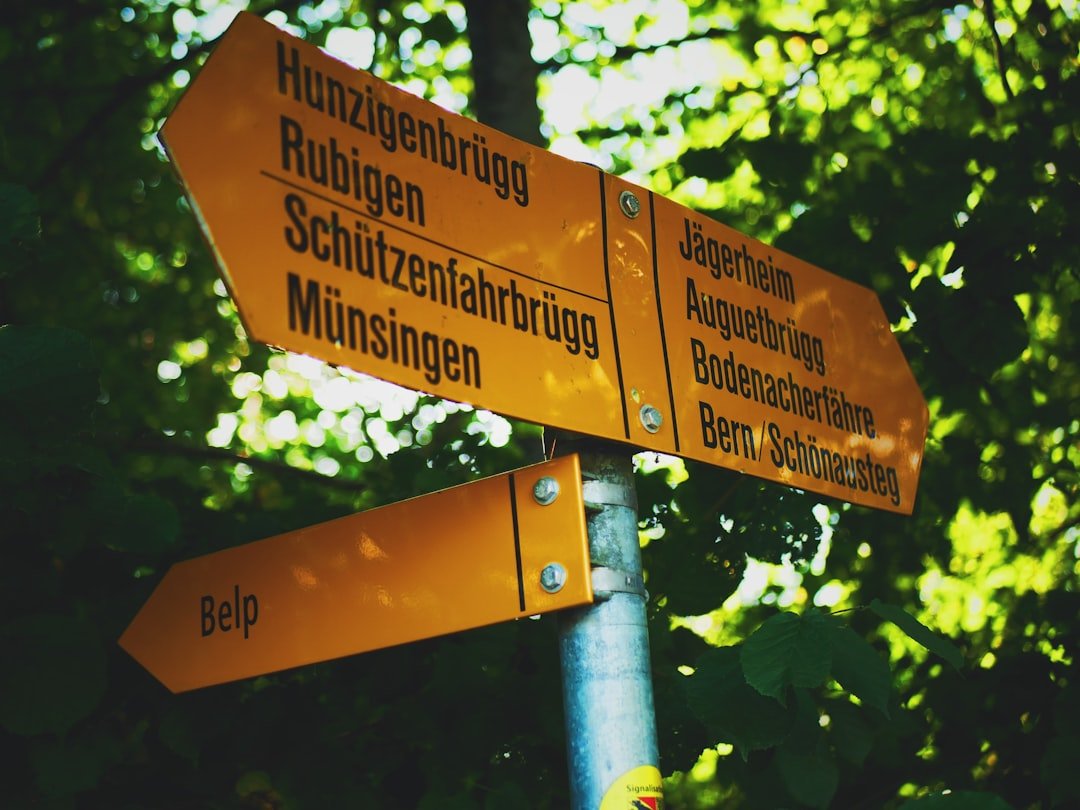
St. Gallen Itinerary: 3 Days at a Glance
Last updated: August 22, 2026
Quick answer: A three-day St. Gallen itinerary gives you enough time to see the UNESCO-listed Abbey District and Old Town on Day 1, explore the city’s textile and art heritage on Day 2, and spend Day 3 around the Mühleggbahn and Drei Weieren. The historic center is compact enough to explore mainly on foot, while buses, local rail and the Mühleggbahn make the more distant stops easy to reach without a car.
This itinerary keeps each day geographically sensible instead of sending you back and forth across eastern Switzerland. If you want to add Appenzell, Säntis or Lake Constance, treat one of them as a separate regional day trip rather than squeezing a major excursion into an already full sightseeing day.
Key Takeaways
- Day 1: Abbey District, Abbey Library, Cathedral, Gallusplatz and the Old Town.
- Day 2: Textile Museum, Kunstmuseum, City Park and optional Botanical Garden.
- Day 3: Mühleggbahn, Drei Weieren and relaxed outdoor time above the city.
- Food: Choose restaurants by location and dining style rather than relying on changing online ratings.
- Transport: Central St. Gallen is highly walkable; buses, trolleybuses, local rail and the Mühleggbahn cover longer trips.
Day 1: Explore St. Gallen Old Town and the Abbey District
Start your first day in the historic center because St. Gallen’s most important sights sit within a compact walking area. The Abbey of St Gall has been on UNESCO’s World Heritage List since 1983 and remains the city’s essential cultural stop.
Begin at the Abbey District and allow enough time for the Abbey Library rather than treating it as a quick photo stop. The historic library is one of the defining parts of the former monastic complex, with manuscripts and other collections that document centuries of scholarship. Check the Abbey District’s official website before visiting for current admission rules, exhibitions and opening times.
Next, visit the Cathedral of St. Gallen and walk through the surrounding Klosterplatz and Gallusplatz area. From there, continue into the pedestrian-friendly Old Town. One detail worth actively looking for is St. Gallen’s collection of richly decorated oriel windows. Switzerland Tourism counts 111 of them across the Old Town, and spotting the different designs gives the walk a purpose beyond simply browsing the streets.
Continue through streets such as Multergasse, Spisergasse, Neugasse and Marktgasse. This is also a good point to stop for coffee, browse independent shops or try a traditional St. Gallen meal. Keep the evening flexible rather than adding another distant attraction; the first day works best as a walking day focused on the historic center.
Day 1 Route
- Abbey District and Klosterplatz
- Abbey Library
- Cathedral of St. Gallen
- Gallusplatz
- Old Town oriel-window walk
- Multergasse, Spisergasse and Marktgasse
Day 2: Discover St. Gallen’s Textile, Art and Museum Scene
Use the second day for the cultural attractions outside the Abbey District. Start with the Textile Museum St. Gallen. The city’s textile and embroidery heritage is a major part of its identity, and the museum gives context to the fabrics, pattern books and designs that made St. Gallen internationally known.
After the Textile Museum, walk toward the City Lounge, commonly called the Roter Platz or Red Square. The distinctive urban installation provides a sharp contrast with the medieval and Baroque atmosphere of Day 1 and shows a more contemporary side of the city.
Continue to the Kunstmuseum St. Gallen beside the City Park. Its collection and changing exhibitions make it a useful choice for travelers interested in visual art, and the neighboring park gives you an easy break between indoor attractions.
If you still have time and energy, continue by public transport to the Botanical Garden. It works especially well for travelers who want a quieter finish to a museum-heavy day. Because museum schedules and temporary exhibitions can change, check the official sites before locking in the order of your visits.
Best Day 2 Plan for Different Travelers
- Art lovers: Spend more time at Kunstmuseum and add another museum rather than rushing to the Botanical Garden.
- Fashion and design travelers: Give the Textile Museum the largest block of time.
- Families: Pair one museum with the Botanical Garden instead of attempting several long museum visits.
- Rainy day: Prioritize the Textile Museum, Kunstmuseum and other indoor cultural attractions.
Day 3: Enjoy Drei Weieren and St. Gallen’s Outdoor Side

Make Day 3 a slower outdoor day rather than trying to combine St. Gallen with a demanding Alpine summit hike. From the Old Town, the Mühleggbahn provides an easy connection toward St. Georgen and the elevated recreation area above the city.
From there, continue to Drei Weieren. The ponds form one of St. Gallen’s best-known local recreation areas and offer views back across the city. In warm weather the area is popular for swimming and relaxing; at other times of year it remains worthwhile for walking and the panorama. Switzerland Tourism describes Drei Weieren as a city oasis and highlights the surrounding pond landscape as an attractive walk throughout the year.
You can spend the rest of the day walking around the ponds, following paths in the surrounding green areas or simply slowing down after two museum-heavy days. Travelers who want more nature can instead use part of the day for Wildpark Peter und Paul, another green-space option on the opposite side of St. Gallen.
Do not treat a Säntis summit hike as a casual extension of this city itinerary. Säntis and the Alpstein are excellent regional destinations, but a proper mountain day requires separate transport, suitable weather, appropriate footwear and enough time. If the mountains are your priority, replace Day 3 with a dedicated Appenzell or Alpstein excursion rather than trying to do both.
Day 3 Route
- Old Town or Mülenenschlucht area
- Mühleggbahn
- Drei Weieren
- Relaxed walk and viewpoints
- Optional: Wildpark Peter und Paul instead of additional city sightseeing
Where to Eat in St. Gallen
St. Gallen has everything from historic Swiss dining rooms to vegetarian restaurants, coffee shops and special-occasion fine dining. Because restaurant ratings and opening hours change frequently, choose by dining style and location, then check the restaurant’s current hours before going.
| Restaurant/Cafe Name | Style | Best For |
|---|---|---|
| Restaurant Zum Goldenen Schäfli | Seasonal, Swiss-influenced | Historic Old Town atmosphere |
| Restaurant Marktplatz | Swiss and casual European | Central, casual meal |
| tibits St. Gallen | Vegetarian and vegan | Plant-based meals near the station |
| Barista – Specialty Coffee & Bar | Coffee, cakes and drinks | Coffee break |
| Einstein Gourmet | Fine dining | Special-occasion dinner |
For a distinctly St. Gallen setting, Restaurant Zum Goldenen Schäfli is a stronger recommendation than an unsupported “best restaurant” claim. Switzerland Tourism currently lists it as a historic guild restaurant serving contemporary, seasonal cuisine. If you prefer something casual or plant-based, Restaurant Marktplatz and tibits provide easier alternatives.
Where to Shop in St. Gallen
For shopping, focus on the pedestrianized Old Town rather than treating Bahnhofstrasse as the city’s main retail street. Multergasse is one of the strongest shopping streets, while Spisergasse, Neugasse, Marktgasse and the Marktplatz area form an easy-to-walk retail cluster.
This part of the city mixes larger retailers with boutiques, food shops and businesses inside historic buildings. It is also convenient because you can combine shopping with the Old Town sightseeing route instead of dedicating a separate half-day to retail.
If you want a souvenir connected specifically to St. Gallen, look for locally themed goods or textile-related items rather than generic Swiss souvenirs. The Textile Museum is also a useful stop for understanding why embroidery and fabric design are so closely associated with the city.
Where to Stay: Accommodation Options in St Gallen
For a three-day visit, staying near the station, Old Town or Abbey District saves the most time. Einstein St. Gallen is a 4-star Superior property within walking distance of the historic center and suits travelers who want a more upscale full-service hotel.
Travelers who prioritize location over luxury can consider an Old Town property such as Hotel Weisses Kreuz. B&B Hotel St. Gallen is another practical option with convenient public-transport access, while Jugendherberge St. Gallen suits budget-conscious travelers and families who are comfortable with a hostel-style stay.
Some participating St. Gallen accommodations issue the Mobility-Ticket St.Gallen-Bodensee, which provides public transport in OSTWIND zones 210, 211 and 231. Eligibility depends on the accommodation, so confirm that benefit with your hotel rather than assuming every booking includes it.
Transportation: Getting Around St Gallen
You do not need a car for this itinerary. The Abbey District, Old Town, Textile Museum and central shopping streets are close enough to combine on foot. For attractions farther away, St. Gallen uses buses, trolleybuses, local rail services and the Mühleggbahn.
Public transport is integrated into the OSTWIND fare system. Zone 210 covers St. Gallen, and the network offers single tickets and other fare products depending on how many journeys you plan to make. The Mühleggbahn is also included within OSTWIND ticketing, so you do not need to treat it as a completely separate transport system.
Before buying a day product automatically, compare it with the journeys you actually expect to make. A visitor staying in the Old Town may walk most of Day 1 and Day 2, while Day 3 is more likely to require transit.
For current ticket validity and fares, check OSTWIND before travel.
Should You Add Appenzell, Säntis or Lake Constance?
Yes, but only if you are willing to replace part of this St. Gallen itinerary. Appenzell works well for travelers who want a traditional village and countryside experience. Säntis is better treated as a dedicated mountain excursion, while Lake Constance suits travelers who prefer waterfront towns, cycling or a relaxed lake day.
If this is your first St. Gallen visit and you have exactly three days, keep at least two full days for the city. Use Day 3 for a regional excursion only when the surrounding countryside is more important to you than Drei Weieren and St. Gallen’s local outdoor attractions.
Insider Tips for a Better St. Gallen Itinerary
- Look up: The decorated oriel windows are easy to miss if you walk through the Old Town without paying attention to upper floors.
- Use the Klostergarten name: If you want a quiet green space around the Abbey District, look for the Klostergarten rather than an unverified “secret garden.”
- See the Roter Platz: It provides a useful contemporary contrast to the historic center.
- Do not over-plan Day 1: The Abbey Library deserves time, and the Old Town is better enjoyed slowly than as a checklist.
- Check Monday closures: Museum opening days can differ, so verify schedules before deciding which calendar day should be Day 2.
- Keep mountain plans weather-dependent: Appenzell and Alpstein excursions require more flexibility than central St. Gallen sightseeing.
If you are still deciding which month to travel, see our separate guide to the best time to visit St Gallen rather than trying to turn this itinerary into a full seasonal guide.
Frequently Asked Questions About a St. Gallen Itinerary
Is St. Gallen worth visiting?
Yes. St. Gallen is especially worthwhile for travelers interested in historic libraries, architecture, textiles and compact European cities. The Abbey of St Gall is a UNESCO World Heritage Site, while the Old Town, museums and Drei Weieren give you enough variety to combine cultural sightseeing with a relaxed outdoor experience.
Are three days enough for St. Gallen?
Three days are enough for a well-paced first visit to St. Gallen. You can dedicate one day to the Abbey District and Old Town, one to museums and textile heritage, and one to Drei Weieren or another outdoor area. Add extra days if you also want Appenzell, Säntis or Lake Constance.
What is St. Gallen best known for?
St. Gallen is best known for the UNESCO-listed Abbey of St Gall and its historic library. The city is also closely associated with embroidery and textile production, which you can explore at the Textile Museum. Its pedestrian-friendly Old Town is distinctive for its many richly decorated oriel windows.
Can you get around St. Gallen without a car?
Yes. A car is unnecessary for most visitors staying near the center. The Abbey District, Old Town and several museums are walkable, while buses, trolleybuses, local rail services and the Mühleggbahn cover longer journeys. Public transport operates within the OSTWIND fare system, including St. Gallen’s central zone.
Can St. Gallen be visited as a day trip from Zurich?
Yes. St. Gallen can be reached from Zurich by direct train in about an hour, making the city practical as a day trip. A single day is enough for the Abbey District and Old Town, but staying two or three days gives you time for museums, Drei Weieren and a less rushed visit.
Is This 3-Day St. Gallen Itinerary Worth Following?
For a first visit, the most balanced approach is to keep Day 1 for the Abbey District and Old Town, Day 2 for textiles and art, and Day 3 for Drei Weieren and the city’s greener side. That schedule covers what makes St. Gallen distinctive without wasting time on unnecessary cross-city travel. If Appenzell, Säntis or Lake Constance matters more to you, replace Day 3 with one dedicated regional excursion instead of trying to squeeze everything into the same day.