

The Bernina Express is not merely a train journey; it is an experience that transcends the ordinary, offering travelers a unique opportunity to traverse some of the most breathtaking landscapes in the Swiss Alps. This scenic train ride connects the picturesque towns of Chur in Switzerland and Tirano in Italy, winding through a UNESCO World Heritage site that showcases the stunning natural beauty and architectural marvels of the region. The journey spans approximately four hours, during which passengers are treated to panoramic views of snow-capped peaks, lush valleys, and glistening lakes, all while traveling aboard a modern train designed for comfort and visibility.
What sets the Bernina Express apart from other scenic train routes is its ability to combine engineering prowess with natural beauty. The train climbs to an elevation of over 2,253 meters at the Bernina Pass, making it one of the highest railways in Europe. As it navigates through 55 tunnels and crosses 196 bridges, the train offers a seamless blend of adventure and tranquility.
The experience is enhanced by large panoramic windows that allow passengers to fully immerse themselves in the stunning vistas that unfold outside. Whether you are an avid photographer, a nature enthusiast, or simply seeking a unique travel experience, the Bernina Express promises to leave an indelible mark on your memory.
Key Takeaways
- The Bernina Express is a scenic train route that travels through the Swiss Alps, offering breathtaking views of the landscape.
- The Bernina Express has a rich history dating back to the early 20th century, and has been designated as a UNESCO World Heritage site.
- The route of the Bernina Express includes highlights such as the Landwasser Viaduct, the Montebello Curve, and the Brusio Circular Viaduct.
- Tips for riding the Bernina Express include booking tickets in advance, choosing the right seat for the best views, and being prepared for changes in weather.
- When packing for the Bernina Express, it’s important to bring layers of clothing, comfortable shoes, and a camera to capture the stunning scenery.
History of the Bernina Express
The history of the Bernina Express is deeply intertwined with the development of rail transport in Switzerland. The railway line was inaugurated in 1910, originally constructed to connect the Engadin valley with the rest of Switzerland and Italy. The project was ambitious, requiring innovative engineering solutions to navigate the challenging Alpine terrain.
The line was built by the Rhaetian Railway (RhB), which sought to enhance accessibility to remote regions while promoting tourism in the area. The construction involved significant challenges, including steep gradients and harsh weather conditions, but it ultimately succeeded in creating a vital transportation link. Over the decades, the Bernina line has undergone various upgrades and renovations to improve safety and comfort for passengers.
In 2008, it was designated as a UNESCO World Heritage site due to its outstanding universal value, recognizing both its historical significance and its remarkable engineering feats. The designation has helped to preserve the line’s integrity while also promoting sustainable tourism practices. Today, the Bernina Express operates year-round, attracting visitors from around the globe who wish to experience its rich history and stunning scenery firsthand.
Route and Highlights of the Bernina Express
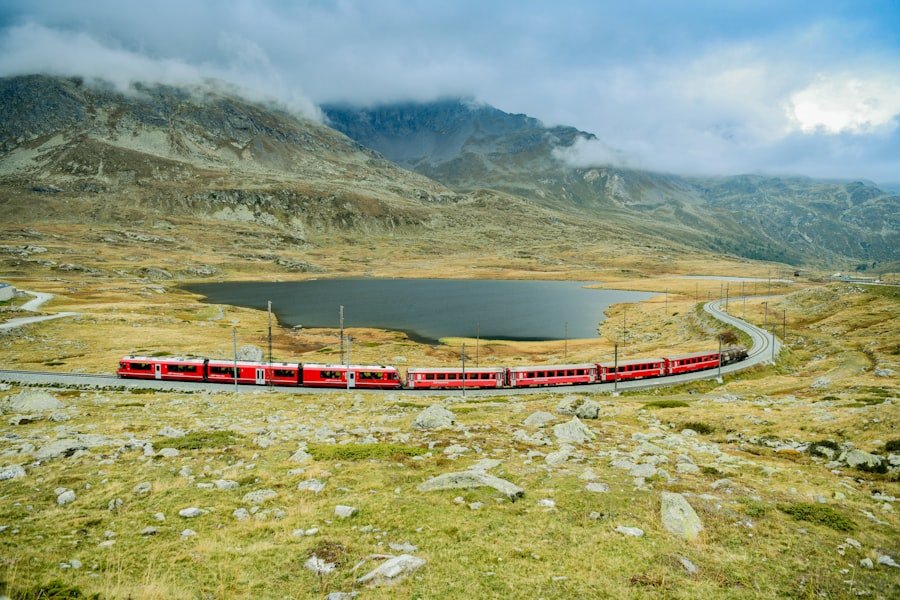
The route of the Bernina Express is a tapestry of natural wonders and cultural landmarks that captivate travelers at every turn. Departing from Chur, the train begins its ascent into the mountains, passing through charming villages and lush meadows. One of the first highlights is the picturesque town of Arosa, known for its ski resorts and hiking trails.
As the train climbs higher, it reaches the stunning Landwasser Viaduct, an architectural marvel that spans 142 meters and offers breathtaking views of the surrounding landscape. As the journey continues, passengers are treated to a series of awe-inspiring sights. The train traverses the famous Brusio spiral viaduct, a remarkable feat of engineering that allows it to gain elevation while maintaining a gentle gradient.
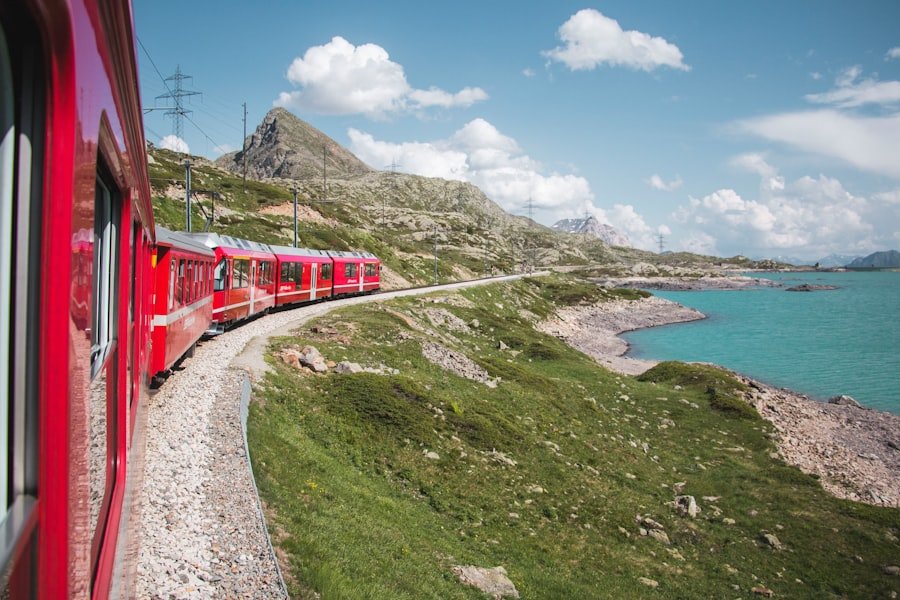
This spiral design not only serves a practical purpose but also creates a visually stunning experience as passengers watch the train loop around itself. Further along the route, travelers will encounter the serene Lago Bianco, a glacial lake that reflects the surrounding peaks in its crystal-clear waters. The contrast between the turquoise lake and the stark white of the glaciers creates a mesmerizing scene that is perfect for photography.
The highlight of the journey is undoubtedly the crossing of the Bernina Pass itself. At an elevation of 2,253 meters, this point offers panoramic views that stretch for miles across the Alps. On clear days, passengers can see as far as Piz Bernina, the highest peak in the Eastern Alps.
The descent into Tirano is equally enchanting, as the train winds through lush valleys dotted with vineyards and charming Italian villages.
Tips for Riding the Bernina Express
| Category | Tips |
|---|---|
| Booking | Book your tickets in advance to secure your preferred date and time. |
| Seating | Opt for a window seat to enjoy the stunning views along the route. |
| Timing | Plan your trip during the day to fully appreciate the scenic landscapes. |
| Camera | Bring a camera to capture the breathtaking views of the Swiss Alps. |
| Snacks | Pack some snacks and drinks as there are limited food options on board. |
To make the most of your journey on the Bernina Express, there are several tips that can enhance your experience. First and foremost, consider booking your tickets in advance, especially during peak tourist seasons. The train can become quite popular among travelers seeking to experience its scenic beauty, so securing your seat ahead of time ensures you won’t miss out on this remarkable journey.
Additionally, opting for first-class tickets can provide extra comfort and larger panoramic windows for unobstructed views. Timing your trip is also crucial for maximizing your experience. Early morning departures often offer clearer skies and fewer crowds, allowing for a more serene atmosphere as you take in the stunning landscapes.
Moreover, consider planning your journey during autumn or spring when the foliage transforms into vibrant hues or when wildflowers bloom across meadows. Each season offers a unique perspective on the landscape, making it worthwhile to choose your travel dates carefully. Another essential tip is to prepare for varying weather conditions.
The Alpine climate can be unpredictable; therefore, dressing in layers is advisable. Even during summer months, temperatures can drop significantly at higher elevations. Bringing along a light jacket or sweater ensures you remain comfortable throughout your journey.
Additionally, don’t forget your camera or smartphone; capturing these breathtaking views will allow you to relive your adventure long after it has ended.
What to Pack for the Bernina Express
Packing for a trip on the Bernina Express requires careful consideration to ensure you have everything you need for a comfortable and enjoyable experience. First and foremost, comfortable clothing is essential. Opt for breathable fabrics that allow for ease of movement while also providing warmth against cooler mountain air.
Sturdy walking shoes are also recommended if you plan to explore any stops along the way or engage in short hikes at scenic viewpoints. In addition to clothing, packing essentials such as snacks and water can enhance your journey. While there are dining options available on board, having your own refreshments allows you to enjoy a picnic-style meal while soaking in the views.
Consider packing local delicacies or treats from nearby towns to savor during your ride. A reusable water bottle is also a practical choice; many stations along the route offer refill stations where you can stay hydrated without contributing to plastic waste. Don’t forget to bring along items that will help you capture memories from your trip.
A good camera or smartphone with ample storage space is crucial for photographing stunning landscapes and unique moments along the way. Binoculars can also be beneficial for spotting wildlife or distant peaks that may not be easily visible from your seat. Lastly, consider bringing a travel journal or sketchbook to document your thoughts and experiences during this unforgettable journey through one of Europe’s most beautiful regions.
Where to Stay Along the Bernina Express Route
Choosing where to stay along the Bernina Express route can significantly enhance your travel experience by allowing you to explore more of what this stunning region has to offer. Chur, as the starting point of your journey, boasts a charming old town filled with historical architecture and cozy cafes where you can relax before boarding your train. Hotels such as Hotel Chur offer modern amenities while being conveniently located near transport links.
Another excellent option is staying in St. Moritz, known for its luxurious accommodations and vibrant winter sports scene. This resort town provides access not only to skiing but also hiking trails during warmer months.
Hotels like Kulm Hotel St. Moritz offer breathtaking views and top-notch service, making it an ideal base for exploring both St. Moritz and nearby attractions like Lake Staz.
For those looking to immerse themselves in nature, consider booking accommodations in smaller villages along the route such as Pontresina or Poschiavo. These towns provide a more intimate experience with local culture while still being conveniently located near train stations for easy access to your journey on the Bernina Express. Guesthouses or family-run hotels often provide personalized service and insights into local attractions that larger hotels may not offer.
Other Activities and Attractions Near the Bernina Express
Beyond its breathtaking train ride, the region surrounding the Bernina Express is rich with activities and attractions that cater to various interests. For outdoor enthusiasts, hiking trails abound in both summer and winter months. The area around St. Moritz offers numerous trails ranging from leisurely walks around lakes to challenging mountain hikes that reward adventurers with stunning vistas. In addition to hiking, winter sports enthusiasts will find themselves in paradise during ski season. The Engadin valley features some of Switzerland’s best ski resorts with well-groomed slopes suitable for all skill levels. Skiing in St. Moritz is particularly renowned; it has hosted multiple Winter Olympics and offers an array of slopes alongside luxurious après-ski options. Cultural experiences are also plentiful along this route. Visitors can explore historic sites such as castles and museums that showcase local history and traditions.
For those interested in gastronomy, sampling local cuisine is a must-do activity while traveling through this area. Traditional dishes such as Pizzoccheri (buckwheat pasta) or Capuns (Swiss chard-wrapped dumplings) can be found in many restaurants along the route, offering travelers an authentic taste of Swiss-Italian fusion cuisine.
Conclusion and Final Thoughts on the Bernina Express
The Bernina Express stands as a testament to human ingenuity and nature’s splendor combined into one unforgettable journey through some of Europe’s most breathtaking landscapes. From its rich history rooted in early 20th-century engineering feats to its status as a UNESCO World Heritage site today, this train ride offers more than just transportation; it provides an immersive experience that connects travelers with both culture and nature. As you embark on this remarkable journey, remember that every moment spent aboard is an opportunity to witness stunning vistas unfold before your eyes while creating lasting memories along one of Europe’s most scenic railways.
Whether you’re captivated by towering peaks or enchanted by quaint villages nestled in valleys below, riding the Bernina Express promises an adventure filled with beauty and discovery at every turn.
If you’re planning a journey on the Bernina Express, renowned for its breathtaking views and scenic route through the Swiss Alps, you might also be interested in exploring other delightful experiences. For instance, after a day of traveling through picturesque landscapes, you could indulge in a culinary adventure by trying your hand at making a simple and healthy dish. Check out this article on delicious homemade cottage cheese for a delightful recipe that complements the serene and refreshing experience of the Bernina Express.
FAQs
What is the Bernina Express?
The Bernina Express is a scenic train route that runs through the Swiss Alps, offering breathtaking views of the mountains, valleys, and lakes.
What is the route of the Bernina Express?
The Bernina Express route starts in Chur, Switzerland, and travels through the Albula and Bernina Passes, passing through the towns of St. Moritz and Tirano before reaching its final destination.
How long is the Bernina Express route?
The entire Bernina Express route is approximately 145 kilometers (90 miles) long and takes about 4 hours to complete.
What are the highlights of the Bernina Express route?
The highlights of the Bernina Express route include the Landwasser Viaduct, the Brusio Circular Viaduct, and the stunning views of the Swiss Alps and the UNESCO World Heritage-listed landscapes.
What is the best time to take the Bernina Express?
The best time to take the Bernina Express is during the spring and summer months, when the weather is pleasant and the landscapes are lush and green. However, the route is also popular during the winter months for its snowy scenery.
How can I book tickets for the Bernina Express?
Tickets for the Bernina Express can be booked online through the official website of the Rhaetian Railway, or through various travel agencies and tour operators. It is recommended to book in advance, especially during peak tourist seasons.