

Nestled in the heart of the Swiss Alps, the Gornergrat to Riffelalp Trail offers an unparalleled hiking experience that captivates adventurers and nature enthusiasts alike. This scenic route, which stretches approximately 10 kilometers, showcases some of the most breathtaking landscapes in the region, including panoramic views of the iconic Matterhorn and the expansive Gorner Glacier.
The Gornergrat itself is a summit accessible by cogwheel train, providing hikers with a stunning vantage point from which to begin their trek. As one descends towards Riffelalp, the trail meanders through lush meadows, rocky outcrops, and alpine forests, offering a variety of terrains that keep the hike engaging. The combination of natural beauty and the thrill of exploration makes this trail a must-visit for anyone seeking to immerse themselves in the majesty of the Swiss Alps.
Key Takeaways
- The Ultimate Gornergrat to Riffelalp Trail offers stunning views of the Matterhorn and surrounding peaks.
- The trail is moderately difficult with varied terrain including rocky paths and alpine meadows.
- Points of interest along the trail include the Riffelsee Lake and the historic Riffelalp Resort.
- Safety tips include staying on marked trails, being aware of weather conditions, and carrying essential gear.
- Trail etiquette and Leave No Trace principles are important for preserving the natural beauty of the area.
Trail Difficulty and Terrain
The Gornergrat to Riffelalp Trail is classified as moderate in difficulty, making it accessible to a wide range of hikers, from families with children to seasoned trekkers. The trail features a mix of well-maintained paths and rugged sections that require careful footing. While the elevation change is significant, with a descent of approximately 800 meters, the gradual slope allows for a comfortable pace.
Hikers should be prepared for some steep sections, particularly as they navigate rocky outcrops and traverse through areas where loose gravel may be present. The terrain varies considerably throughout the hike. Initially, hikers will find themselves on a well-marked path that winds through alpine meadows adorned with vibrant wildflowers during the summer months.
As they progress, the trail transitions into more rugged terrain, with rocky sections that demand attention and balance. The final stretch towards Riffelalp leads through dense forests, providing shade and a cooler atmosphere as hikers approach their destination. This diversity in terrain not only enhances the hiking experience but also allows for a deeper appreciation of the natural environment.
Points of Interest along the Trail
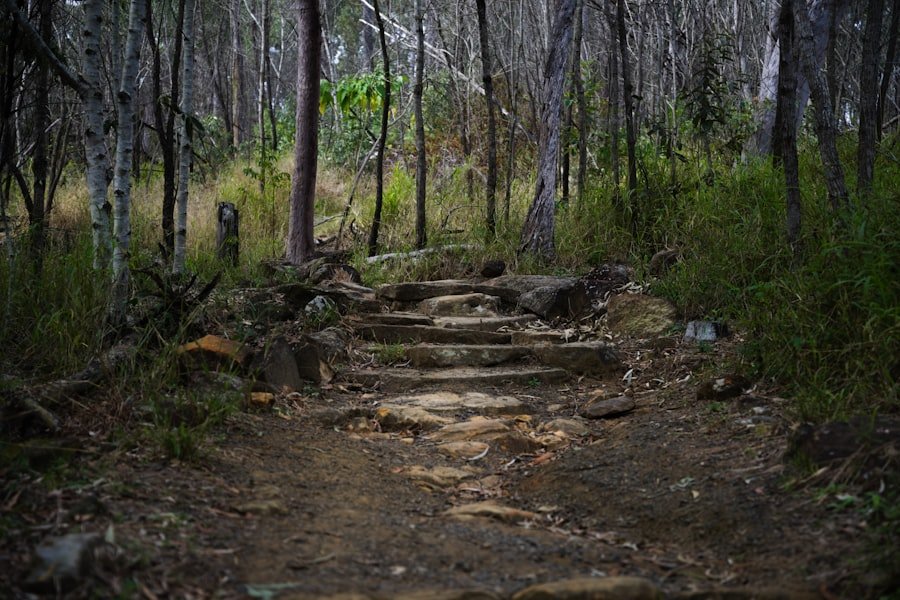
One of the most compelling aspects of the Gornergrat to Riffelalp Trail is the array of points of interest that punctuate the journey. The first major highlight is the Gornergrat Observatory, which stands at an elevation of 3,089 meters. This observatory is not only an architectural marvel but also serves as a research facility for various scientific studies related to climate change and glaciology.
Visitors can take in sweeping views of over 29 peaks exceeding 4,000 meters, including the majestic Monte Rosa massif. As hikers descend, they will encounter several picturesque lakes, such as Riffelsee, which reflects the towering Matterhorn on its surface. This serene body of water is a popular spot for photography enthusiasts seeking to capture the perfect shot of the iconic mountain mirrored in its depths.
Additionally, the trail passes through historical sites, including remnants of old alpine huts and structures that tell stories of past mountaineers and their adventures in this rugged landscape. Wildlife enthusiasts will also find plenty to marvel at along the trail. The region is home to diverse species such as ibex, chamois, and marmots.
Observing these animals in their natural habitat adds an exciting dimension to the hike. Birdwatchers may also be delighted by sightings of golden eagles soaring overhead or alpine choughs flitting about in search of food.
Safety Tips and Precautions
| Safety Tips and Precautions | Importance |
|---|---|
| Wear seatbelts while driving | Reduces the risk of injury in case of an accident |
| Use protective gear when working with machinery | Prevents injuries from sharp objects or moving parts |
| Keep a first aid kit at home and in the car | Allows for immediate treatment of minor injuries |
| Install smoke detectors in the house | Early detection of fires for timely evacuation |
| Follow safety guidelines when using chemicals | Prevents exposure to harmful substances |
While the Gornergrat to Riffelalp Trail is generally safe for hikers, it is essential to take certain precautions to ensure a safe and enjoyable experience. First and foremost, checking weather conditions before embarking on the hike is crucial. The weather in the Alps can change rapidly, and being caught in adverse conditions can pose significant risks.
It is also advisable to carry a detailed map or GPS device to navigate the trail effectively. Although it is well-marked, having a reliable navigation tool can help prevent getting lost or straying off course.
Additionally, hikers should inform someone about their planned route and expected return time, especially if hiking alone. Proper hydration and nutrition are vital during the hike. Carrying enough water and energy-rich snacks can help maintain stamina throughout the journey.
It is also wise to take regular breaks to rest and enjoy the stunning surroundings rather than pushing oneself too hard. Lastly, wearing appropriate footwear with good grip is essential for traversing rocky sections safely.
Trail Etiquette and Leave No Trace Principles
Respecting nature and fellow hikers is paramount when traversing the Gornergrat to Riffelalp Trail. Practicing good trail etiquette ensures that everyone can enjoy this beautiful environment without causing harm or disruption. Hikers should always yield to those coming uphill, as it requires more effort for them to ascend.
Additionally, maintaining a reasonable noise level allows others to appreciate the tranquility of nature. The Leave No Trace principles are particularly important in preserving this pristine environment. Hikers should carry out all trash, including food wrappers and biodegradable items that may disrupt local wildlife.
Staying on designated paths helps protect fragile ecosystems and prevents soil erosion. Furthermore, it is essential to respect wildlife by observing animals from a distance without attempting to feed or approach them. Educating oneself about local flora and fauna can enhance appreciation for the environment while promoting responsible behavior.
For instance, some plants may be endangered or protected; thus, picking them can have detrimental effects on local biodiversity. By adhering to these principles, hikers contribute to preserving the beauty of the Gornergrat to Riffelalp Trail for future generations.
Recommended Gear and Clothing
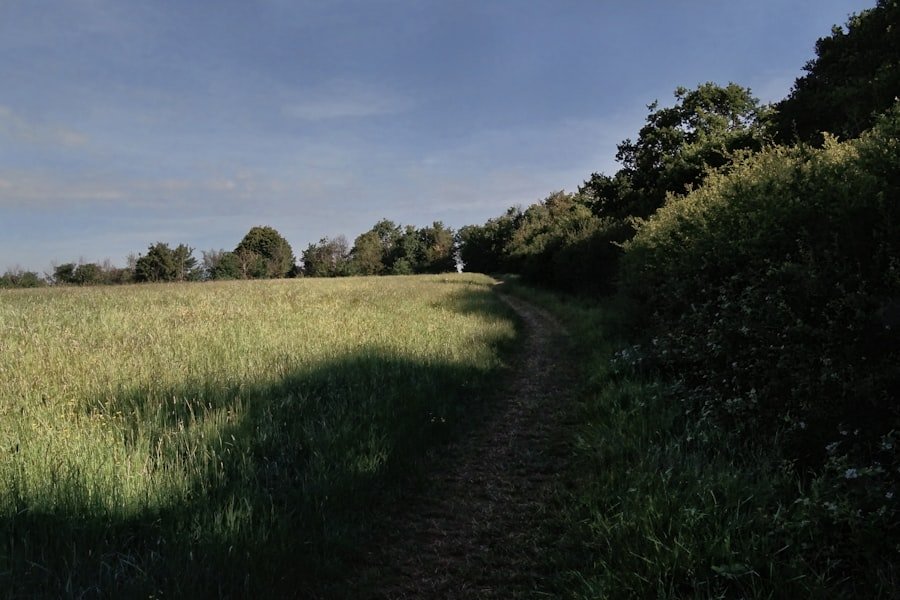
Choosing appropriate gear and clothing is crucial for a successful hike along the Gornergrat to Riffelalp Trail. Comfortable hiking boots with good ankle support are essential due to the varied terrain. Waterproof footwear can be particularly beneficial if rain is in the forecast or if hikers encounter muddy sections along the trail.
Layering clothing is recommended to accommodate fluctuating temperatures throughout the day. A moisture-wicking base layer helps keep sweat away from the skin, while an insulating mid-layer provides warmth during cooler moments. A lightweight, waterproof outer layer protects against wind and rain while remaining breathable during physical exertion.
In addition to clothing, carrying essential gear enhances safety and comfort during the hike. A well-fitted backpack should contain sufficient water—ideally two liters per person—as well as high-energy snacks like nuts or energy bars. A first-aid kit equipped with basic supplies can be invaluable in case of minor injuries or emergencies.
A hat and sunglasses are also advisable for sun protection at higher altitudes where UV exposure increases.
Getting to and from the Trailheads
Accessing the Gornergrat to Riffelalp Trail begins at Gornergrat station, which can be reached via a scenic cogwheel train ride from Zermatt. The train journey itself is an experience worth savoring; it offers stunning views as it ascends through picturesque landscapes dotted with charming chalets and lush valleys. The train operates year-round but may have limited schedules during off-peak seasons.
Once at Gornergrat station, hikers can easily locate the trailhead marked by clear signage directing them towards Riffelalp. The descent begins here, leading through breathtaking vistas that unfold with every step taken downwards. Upon reaching Riffelalp, hikers have several options for returning to Zermatt or continuing their adventure in this enchanting region.
Public transportation options include local buses or additional train services that connect Riffelalp back to Zermatt. For those looking for an extended experience, there are numerous other trails branching off from Riffelalp that lead deeper into the mountains or back towards Zermatt.
Additional Resources and Information
For those planning to hike the Gornergrat to Riffelalp Trail, several resources can enhance their experience and provide valuable information about local conditions. The official website of Zermatt Tourism offers up-to-date details on trail conditions, weather forecasts, and any potential closures due to maintenance or environmental factors. Local visitor centers are also excellent sources of information where hikers can obtain maps and brochures detailing various trails in the area.
Engaging with experienced staff can provide insights into current conditions and recommendations based on individual skill levels. Social media platforms and hiking forums often feature firsthand accounts from fellow hikers who have recently traversed this route. These platforms can be invaluable for gathering tips on what to expect along the trail or discovering hidden gems that may not be widely known.
In conclusion, embarking on the Gornergrat to Riffelalp Trail promises an unforgettable adventure filled with stunning scenery, rich wildlife encounters, and cultural insights into one of Switzerland’s most iconic regions. With proper preparation and respect for nature, hikers can fully immerse themselves in this alpine paradise while creating lasting memories along the way.
For those planning to explore the breathtaking Gornergrat to Riffelalp trail, it’s worth considering the delightful culinary experiences that can complement your hiking adventure. After a day of trekking through the stunning Swiss landscapes, you might find yourself craving a refreshing treat. An interesting read that could inspire your post-hike snack is the article on exploring the delightful world of Asian melon. This article delves into the unique flavors and health benefits of Asian melons, offering a perfect way to refresh and recharge after a day on the trails.
FAQs
What is the Gornergrat to Riffelalp trail?
The Gornergrat to Riffelalp trail is a scenic hiking trail in the Swiss Alps that offers stunning views of the Matterhorn and surrounding mountains.
How long is the Gornergrat to Riffelalp trail?
The trail is approximately 5 kilometers (3.1 miles) long and takes about 1.5 to 2 hours to complete at a leisurely pace.
What is the difficulty level of the Gornergrat to Riffelalp trail?
The trail is considered to be of moderate difficulty, with some steep sections and uneven terrain. Hikers should have a reasonable level of fitness and be prepared for changes in weather.
What are some highlights of the Gornergrat to Riffelalp trail?
Highlights of the trail include panoramic views of the Matterhorn, the Gorner Glacier, and the surrounding peaks, as well as the opportunity to see alpine flora and fauna.
Are there any facilities along the Gornergrat to Riffelalp trail?
There are restrooms, restaurants, and picnic areas at both the Gornergrat and Riffelalp stations, as well as the option to take the Gornergrat Railway for part of the journey.
What should I bring when hiking the Gornergrat to Riffelalp trail?
Hikers should bring sturdy hiking shoes, plenty of water, sunscreen, a hat, and a waterproof jacket, as weather conditions in the mountains can change rapidly. It’s also a good idea to bring a map or GPS device.