

Reaching the Matterhorn, one of the most iconic peaks in the Swiss Alps, is an adventure in itself. The nearest major city is Zermatt, a charming car-free village that serves as the gateway to this majestic mountain. Travelers can access Zermatt via train, which is often considered the most scenic route.
The Swiss Federal Railways operates regular services from major cities like Zurich and Geneva, with the journey offering breathtaking views of the alpine landscape. Upon arriving at the Täsch station, visitors must take a short shuttle train or taxi to Zermatt, as private vehicles are not permitted in the village. This adds to the allure of the destination, as the absence of cars allows for a more tranquil atmosphere.
Once in Zermatt, the options for getting around are plentiful. The village is compact and easily navigable on foot, but for those looking to explore further afield, electric taxis and horse-drawn carriages are available. Additionally, a network of cable cars and cogwheel trains provides access to higher altitudes, making it easy to reach various hiking trails and ski areas.
The Gornergrat Railway, for instance, offers a stunning ride up to the Gornergrat summit, where visitors can enjoy panoramic views of the Matterhorn and surrounding peaks. This combination of efficient public transport and stunning scenery makes getting to and around the Matterhorn an integral part of the experience.
Key Takeaways
- The closest airport to the Matterhorn is in Zurich, and from there, visitors can take a train to the town of Zermatt, which is the gateway to the Matterhorn.
- There are a variety of accommodations in Zermatt, from luxury hotels to cozy chalets, offering stunning views of the Matterhorn.
- The Matterhorn offers a range of activities, including hiking, skiing, snowboarding, and mountaineering, making it a paradise for outdoor enthusiasts.
- Visitors can enjoy traditional Swiss cuisine in Zermatt’s restaurants, as well as international dining options, and can also experience the local apres-ski scene.
- When visiting the Matterhorn, it’s important to be aware of the high altitude and changing weather conditions, and to always follow safety guidelines for outdoor activities.
Accommodations: Where to Stay near the Matterhorn
Zermatt boasts a wide range of accommodations that cater to different tastes and budgets, from luxurious hotels to cozy guesthouses. For those seeking an upscale experience, establishments like the Kulm Hotel and The Omnia offer opulent amenities and stunning views of the Matterhorn. The Kulm Hotel, with its rich history dating back to 1856, combines traditional Swiss hospitality with modern comforts.
Guests can indulge in spa treatments, fine dining, and direct access to ski slopes right outside their door.
Places like Hotel Garni Testa Grigia offer comfortable rooms and a friendly ambiance at reasonable prices.
Additionally, many accommodations in Zermatt provide easy access to local attractions and public transport, making it convenient for visitors to explore the area. Whether one opts for a lavish stay or a more modest lodging option, Zermatt’s accommodations ensure that every visitor can find a suitable place to rest after a day of adventure.
Activities: Hiking, Skiing, and More
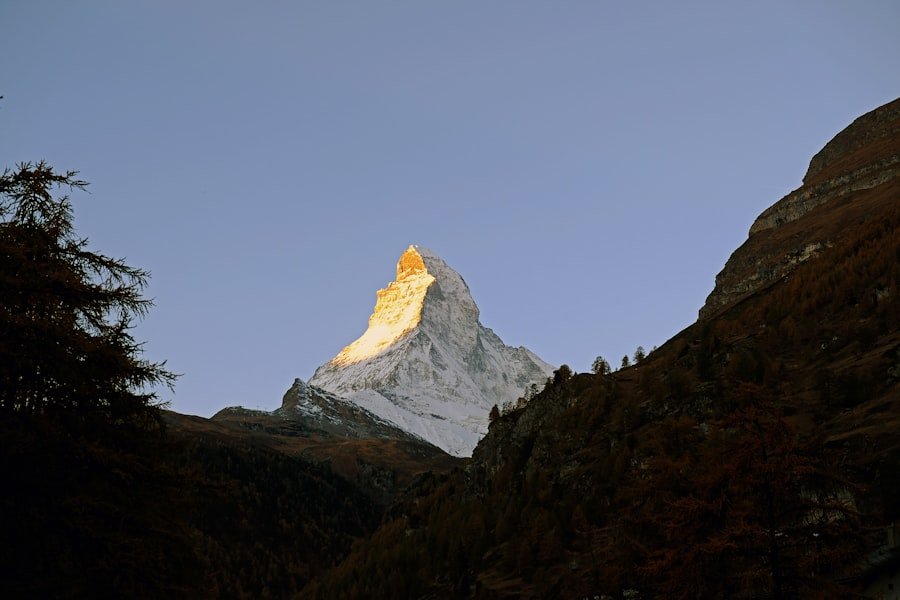
The Matterhorn region is a paradise for outdoor enthusiasts, offering a plethora of activities year-round. In winter, skiing takes center stage, with over 360 kilometers of slopes available for skiers and snowboarders of all levels. The Matterhorn Glacier Paradise is particularly popular, as it boasts some of the highest-altitude skiing in Europe.
Here, visitors can glide down pristine slopes while enjoying breathtaking views of the Matterhorn itself. Ski schools are also available for those looking to improve their skills or learn from scratch. As the snow melts and spring arrives, hiking trails emerge from beneath the white blanket, revealing a network of paths that cater to all abilities.
One of the most popular hikes is the Five Lakes Walk, which takes trekkers past five stunning mountain lakes that reflect the Matterhorn’s silhouette. This relatively easy hike allows participants to immerse themselves in nature while enjoying picturesque views at every turn. For those seeking more challenging terrain, routes like the Hörnli Hut trail lead adventurers closer to the mountain’s base, providing an exhilarating experience for seasoned hikers.
Dining: Where to Eat and Drink
| Restaurant Name | Cuisine | Location | Rating |
|---|---|---|---|
| La Trattoria | Italian | Downtown | 4.5 |
| Sushi Palace | Japanese | Midtown | 4.2 |
| The Grill House | American | Uptown | 4.8 |
Zermatt’s culinary scene is as diverse as its landscape, offering everything from traditional Swiss fare to international cuisine. For an authentic taste of Switzerland, visitors should not miss dining at restaurants like Chez Vrony or The Findlerhof. Chez Vrony is renowned for its locally sourced ingredients and stunning terrace views overlooking the Matterhorn.
Diners can savor classic dishes such as fondue or raclette while soaking in the breathtaking alpine scenery. For those looking for a more casual dining experience, Zermatt has numerous cafes and bistros that serve delicious pastries and light meals. The Brown Cow is a popular spot for its hearty burgers and vibrant atmosphere.
After a day on the slopes or hiking trails, visitors can unwind at one of Zermatt’s many bars or lounges. The Papperla Pub is a favorite among locals and tourists alike, offering a lively ambiance with live music and an extensive drink menu. Whether indulging in gourmet dining or enjoying a casual meal with friends, Zermatt’s culinary offerings ensure that every palate is satisfied.
Safety: Tips for Visiting the Matterhorn
While visiting the Matterhorn can be an exhilarating experience, it is essential to prioritize safety during your adventures in this mountainous region. First and foremost, travelers should always check weather conditions before embarking on any outdoor activities. The weather in the Alps can change rapidly, so being prepared with appropriate clothing and gear is crucial.
Layering is key; wearing moisture-wicking base layers, insulating mid-layers, and waterproof outer layers will help keep you comfortable in varying conditions. When hiking or skiing, it is advisable to stick to marked trails and slopes. Many areas around the Matterhorn are prone to avalanches or sudden weather changes that can pose risks to unprepared adventurers.
Additionally, carrying essential items such as a first-aid kit, sufficient water, snacks, and a fully charged mobile phone can make a significant difference in case of emergencies.
History and Culture: Learning about the Matterhorn’s Legacy
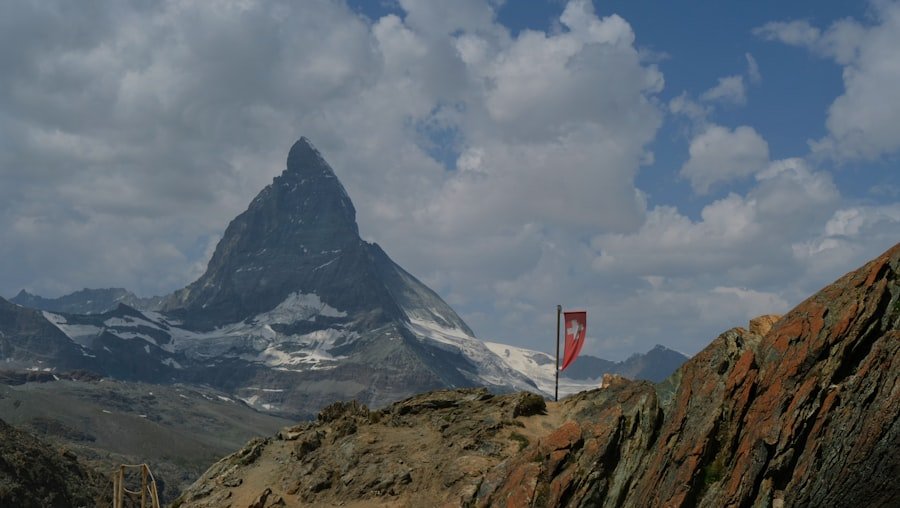
The Matterhorn has long been a symbol of Switzerland’s natural beauty and cultural heritage. Its distinctive pyramid shape has captured the imagination of artists and adventurers alike for centuries. The first successful ascent of the Matterhorn occurred on July 14, 1865, led by Edward Whymper and his team.
This historic climb marked a turning point in mountaineering history and solidified the Matterhorn’s status as one of the most sought-after peaks for climbers worldwide. Beyond its climbing legacy, the Matterhorn has also inspired countless works of art and literature. Renowned painter Albert Bierstadt captured its grandeur in his landscapes, while writers like Mark Twain referenced its majesty in their works.
The mountain has become an integral part of Swiss identity, representing not only natural beauty but also resilience and adventure. Visitors can delve deeper into this rich history by exploring local museums such as the Zermatlantis Museum, which showcases artifacts related to mountaineering and Zermatt’s development as a tourist destination.
Wildlife and Nature: Exploring the Matterhorn’s Surroundings
The area surrounding the Matterhorn is teeming with diverse wildlife and stunning natural landscapes that are worth exploring during your visit. The region is home to various species of flora and fauna that thrive in its unique alpine environment. Visitors may encounter chamois—graceful mountain goats known for their agility on steep terrain—as well as ibexes with their impressive curved horns grazing on rocky outcrops.
Birdwatchers will also find plenty to admire in this region; golden eagles soar high above while alpine choughs flit about in search of food scraps left by hikers. The rich biodiversity extends to plant life as well; vibrant wildflowers bloom during summer months, painting meadows with colors that contrast beautifully against the rugged backdrop of mountains. Nature enthusiasts can take guided tours or participate in wildlife observation excursions to learn more about these fascinating ecosystems.
Souvenirs and Shopping: What to Buy as a Memento of Your Visit
No trip to Zermatt would be complete without bringing home a piece of its charm through souvenirs or local products. The village offers an array of shops selling everything from traditional Swiss crafts to high-quality outdoor gear. One popular item among visitors is Swiss chocolate; local chocolatiers create exquisite confections that make perfect gifts or personal treats.
In addition to edible souvenirs, travelers can find unique handicrafts such as wooden carvings or handmade textiles that reflect Swiss craftsmanship. For those interested in outdoor activities, purchasing gear from local shops ensures you have quality equipment tailored for alpine adventures. Whether it’s a cozy sweater adorned with traditional patterns or a piece of art inspired by the Matterhorn itself, these mementos serve as lasting reminders of your unforgettable experience in this breathtaking region.
If you’re planning a trip to the iconic Matterhorn, it’s essential to prepare adequately for the adventure. From choosing the best time to visit to understanding the various routes and accommodations available, there are many factors to consider. While you’re in the region, you might also want to explore the local cuisine. For a delightful culinary experience, consider trying some homemade dishes. A related article that might pique your interest is about making delicious homemade cottage cheese, which can be a simple and healthy addition to your travel meals. You can read more about it in this article: Delicious Homemade Cottage Cheese: A Simple and Healthy Recipe.
FAQs
What is the Matterhorn?
The Matterhorn is a mountain in the Pennine Alps on the border between Switzerland and Italy. It is one of the most famous and iconic peaks in the world.
How do I get to the Matterhorn?
The closest town to the Matterhorn is Zermatt, Switzerland. From Zermatt, visitors can take a cogwheel train to the Gornergrat railway station, which offers stunning views of the Matterhorn.
Can I hike to the summit of the Matterhorn?
Climbing the Matterhorn is a challenging and technical endeavor that should only be attempted by experienced mountaineers with proper equipment and training. It is recommended to hire a certified mountain guide for the ascent.
What is the best time of year to visit the Matterhorn?
The best time to visit the Matterhorn is during the summer months (June to September) when the weather is milder and the hiking trails are accessible. Winter sports enthusiasts may also enjoy visiting during the ski season.
Are there any restrictions or permits required to visit the Matterhorn?
There are no specific permits required to visit the Matterhorn, but certain activities such as climbing may require permits or reservations. It is important to check local regulations and guidelines before planning a visit.