Nestled between the glacial turquoise waters of Lake Thun and Lake Brienz and framed by the dramatic peaks of the Eiger, Mönch, and Jungfrau, Interlaken is Switzerland’s premier adventure capital and the historic gateway to the Bernese Oberland. Whether you are soaring over the valley on a tandem paraglider, cruising past medieval castles, or riding century-old cogwheel railways into high-alpine passes, spending three days in this vibrant town delivers the quintessential Swiss experience.
Quick Answer
A 3-day Interlaken itinerary balances panoramic viewpoints, high-alpine excursions, and regional Swiss culture. Dedicate Day 1 to Harder Kulm and a Lake Brienz or Lake Thun passenger cruise. Spend Day 2 experiencing outdoor adventures like tandem paragliding alongside a day trip to Lauterbrunnen or Jungfraujoch. Conclude Day 3 exploring the Ballenberg Open-Air Museum and unwinding in an alpine spa.
Key Takeaways
- Base Logistics: Interlaken features two main railway stations: Interlaken Ost (connections to mountain valleys, Brienz, Luzern, and Zurich) and Interlaken West (town center, Lake Thun ferry dock, and trains to Bern).
- Flexible Alpine Timing: Mountain summits can be obscured by cloud cover; monitor live webcams each morning before purchasing tickets for Harder Kulm, Jungfraujoch, or Schilthorn.
- Transit Pass Value: A regional travel card such as the Swiss Travel Pass or Berner Oberland Pass grants free transit on local trains, postal buses, and lake ferries, yielding major cost savings.
- Balanced Pacing: Pairing high-adrenaline mountain activities with leisurely lake excursions and cultural visits prevents travel burnout in high-altitude environments.
At a Glance
| Time Required | 3 Full Days (72 Hours) |
| Difficulty | Easy to Moderate (paved pathways, funiculars, and optional mountain trails) |
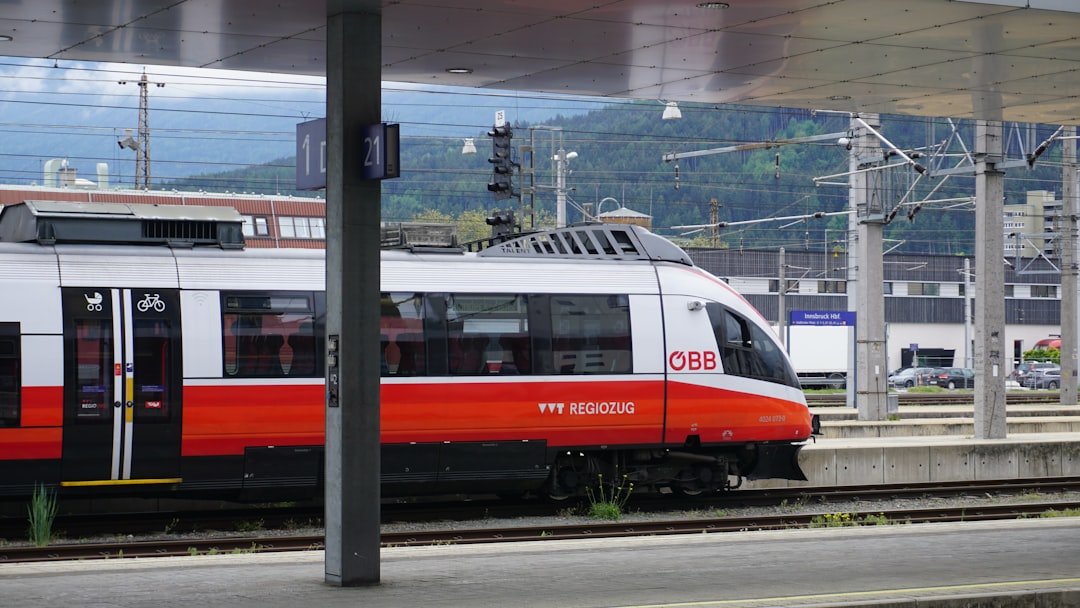
| Transportation Needed | SBB Swiss Federal Rail, BLS Lake Steamers, local postbuses, and mountain funiculars |
| Estimated Budget | $150–$350 USD per day (varying with excursion passes, dining choices, and lodging level) |
Day 1: Panoramic Views, Alpine Lakes, and Old Town Charm
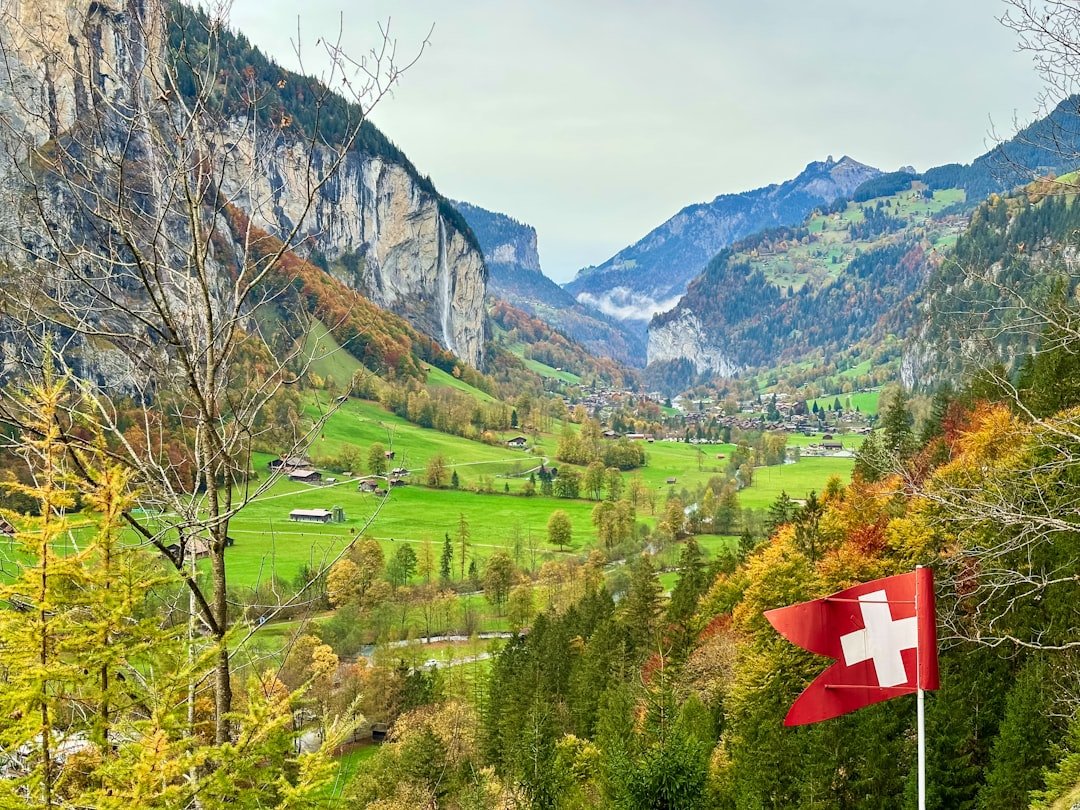
Your first day establishes your bearings across the Bödeli—the alluvial plain between the two lakes upon which Interlaken rests. By combining high-elevation panoramas with scenic waters, you will experience the geographic grandeur that has lured travelers to this region since the 1800s.
Morning: Ascend to Harder Kulm
Begin your morning by walking across the Aare River near Interlaken Ost station to the base terminal of the Harderbahn Funicular. Operating since 1908, this steep railway climbs roughly 756 vertical meters through dense mountain forest in just under 10 minutes, depositing you at Harder Kulm (1,322 meters above sea level).
Step out onto the cantilevered Two Lakes Bridge viewing platform. Directly below, you will see Interlaken sitting squarely between deep blue Lake Thun to the west and brilliant turquoise Lake Brienz to the east. Directly across the valley rise the glaciated peaks of the Bernese Alps: the Eiger, Mönch, and Jungfrau. Walk the gentle circular panorama trail (approx. 45–60 minutes) through alpine woodlands before enjoying an espresso on the sun terrace of the castle-like Panorama Restaurant.
Pro Tip: Board the earliest morning funicular departures (typically starting at 09:10 AM) to experience the Two Lakes Bridge before midday tour groups arrive and before afternoon haze settles over the alpine peaks.
Afternoon: Cruise Lake Brienz and Explore the Aare Valley
Descend back to the valley floor and walk directly behind Interlaken Ost station to the BLS boat landing. Board a scheduled passenger ferry on Lake Brienz, renowned for its vivid, glacier-fed turquoise color caused by microscopic glacial sediment suspended in the water.
Take the boat to the Giessbach See landing. From here, you can ride Europe’s oldest operating funicular (opened in 1879) or hike 15 minutes up to the historic Grandhotel Giessbach and the roaring Giessbach Waterfalls, which cascade 500 meters down 14 rock steps into the lake. Continue by boat or train to the woodcarving village of Brienz, or take a direct regional train from Meiringen to walk the spectacular elevated boardwalks of the Aare Gorge (Aareschlucht), carved deep into limestone cliffs over millennia by glacial run-off.
Evening: Stroll Unterseen and the Höhematte
Return to Interlaken in the late afternoon for a relaxing walk through Unterseen, the historic municipality west of town. Unlike the bustling commercial avenues along the Höheweg, Unterseen retains a quiet historic atmosphere with its 13th-century church tower, timber-framed architecture, and peaceful riverside weirs along the Aare River.
Wrap up your evening along the Höhematte, a protected 35-acre green parkland in central Interlaken preserved by local hoteliers since 1860 to ensure uninterrupted views of the Jungfrau massif.
Day 2: Alpine Excursions and Adrenaline Adventures
Interlaken is celebrated throughout Europe as an adventure capital. With steep mountain slopes dropping into broad open meadows, steady alpine updrafts, and glacier-fed rivers, the region provides ideal conditions for world-class outdoor thrills.
Morning: Tandem Paragliding Over the Valley
Start your second day soaring thousands of feet above the valley floor. Interlaken is one of the most reliable paragliding spots in the world due to favorable microclimates and consistent thermals. Tandem flights typically depart from Beatenberg, an alpine terrace situated 800 meters above Interlaken.
Following a safety briefing and a brief downhill running launch with an experienced pilot, you will soar across the valley with panoramic views of Lake Thun and Lake Brienz before touching down gently on the soft grass of the Höhematte park right in the center of town. Flights generally last 15 to 20 minutes in the air, with total excursion time around 75 to 90 minutes.
Warning: Paragliding and extreme adventure sports depend strictly on wind and cloud ceiling conditions. Book your flight for the morning of Day 2 so you have built-in weather backup slots on Day 3 if pilots cancel due to rain or turbulent alpine winds.
Afternoon: High Alpine Excursion or Canyoning
For the afternoon, choose between two world-renowned experiences depending on your appetite for adventure:
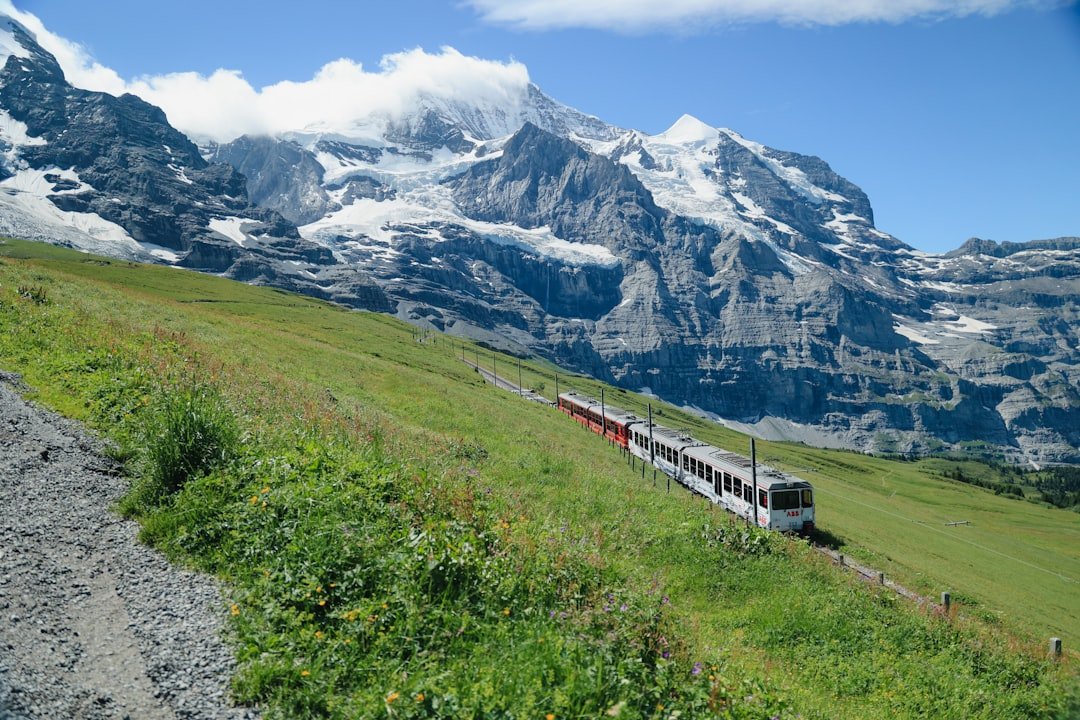
- Option A: Jungfraujoch — Top of Europe: Board the train at Interlaken Ost toward Grindelwald Terminal, then ride the state-of-the-art Eiger Express tricable gondola past the sheer North Face of the Eiger before transferring to the historic cogwheel train up to the Jungfraujoch saddle at 3,454 meters (11,332 ft). Here you can walk through the Ice Palace, step out onto the Aletsch Glacier (the longest glacier in the European Alps), and visit the Sphinx Observatory.
- Option B: Canyoning in the Grimsel or Chli Schliere Gorges: Adventure seekers can join a guided canyoning tour. Guided routes in the nearby Grimsel pass feature rappelling down 50-meter granite cliffs, sliding down natural water-carved rock slides, and jumping into crystal-clear mountain pools fed by melting snowpacks.
Note: Visiting Jungfraujoch requires approximately 4 to 5 hours round-trip from Interlaken. Always check summit webcams at the station before departing; ascending into thick cloud cover significantly limits visibility.
Day 3: Cultural Heritage, Ballenberg, and Alpine Relaxation
After two action-packed days exploring summits and lake waters, dedicate your final day to discovering authentic Swiss alpine traditions, heritage crafts, and rejuvenating wellness amenities.
| Activity | Recommended Time | Location & Access |
|---|---|---|
| Ballenberg Open-Air Museum Exploration | 09:30 AM – 01:30 PM | Hofstetten bei Brienz (Train to Brienz + PostBus) |
| Alpine Thermal Spa & Hydrotherapy Session | 02:30 PM – 05:00 PM | Victoria-Jungfrau Spa or Bödelibad Interlaken |
| Sunset Shore Walk & Castle Photography | 06:00 PM – 07:30 PM | Weissenau Nature Reserve or Oberhofen (Lake Thun) |
Morning: Ballenberg Swiss Open-Air Museum
Take a scenic 25-minute train ride along Lake Brienz to Brienz station, connecting with the short local PostBus to the Ballenberg Open-Air Museum. Spread across 66 forested hectares, Ballenberg showcases more than 100 historical rural buildings rescued from demolition across Switzerland’s diverse cantons.
Unlike standard static museums, Ballenberg is an active living-history environment. Watch traditional artisans demonstrating heritage woodcarving, lace-making, barrel-coopering, and cheese-making over open hearths. You will encounter native Swiss farm animal breeds grazing through orchards and can sample wood-fired bread baked on-site in century-old community stone ovens.
Afternoon: Unwind in a World-Class Alpine Spa
After walking the expansive trails at Ballenberg, return to Interlaken for an afternoon of hydrotherapy and recovery. Mountain exploration calls for downtime, and Interlaken offers wellness options tailored to different budgets:
- Luxury Wellness: Day guests can access the 5,500 m² Spa Nescens at the historic Victoria-Jungfrau Grand Hotel. It features grand indoor thermal baths reminiscent of 19th-century Roman spas, outdoor saltwater whirlpools facing the Jungfrau, bio-saunas, and cold plunge pools.
- Public Wellness: For a budget-friendly option, visit Bödelibad Interlaken near the Aare River, which provides heated indoor and outdoor swimming pools, steam baths, Finnish saunas, and relaxation areas with mountain vistas.
Evening: Sunset at Lake Thun and Weissenau Reserve
Close out your stay with a tranquil golden-hour stroll through the Weissenau Nature Reserve on the southwestern edge of town where the Aare River empties into Lake Thun. Wooden boardwalks lead through protected wetlands to the romantic ruins of Weissenau Castle, offering panoramic sunset views across the water toward the snow-dusted Niesen and Stockhorn peaks.
Where to Eat in Interlaken: Authentic Swiss Dining
Interlaken’s culinary offerings range from hearty mountain fare served in centuries-old taverns to international restaurants catering to global visitors.
- Restaurant Taverne (Hotel Interlaken): Situated within one of the oldest hospitality properties in Switzerland (dating back to 1323), Restaurant Taverne offers an upscale take on traditional Swiss cuisine. Try their artisanal cheese fondue crafted from regional Bernese Oberland alpine cheeses, traditional Geschnetzeltes (tender sliced veal in mushroom cream sauce), and house-made potato rösti.
- Hüsi Bierhaus: A favorite among locals, hikers, and paragliding pilots, this lively tavern on Postgasse features an extensive selection of Swiss craft beers on tap alongside hearty comfort food. Signature highlights include beer-glazed pork ribs, authentic bratwurst with onion gravy, and loaded rösti skillets.
- Laterne Interlaken: Known for warm wood-paneled decor and traditional Swiss hospitality, this establishment specializes in interactive tableside dining, including classic Raclette melted over baby potatoes and bubbling meat and cheese fondues.
Where to Stay in Interlaken
Choosing the right neighborhood in Interlaken depends on your transit plans. Staying near Interlaken Ost gives you direct access to early morning mountain trains, while properties near Interlaken West offer easy access to lively restaurants, shops, and lake ferry terminals.
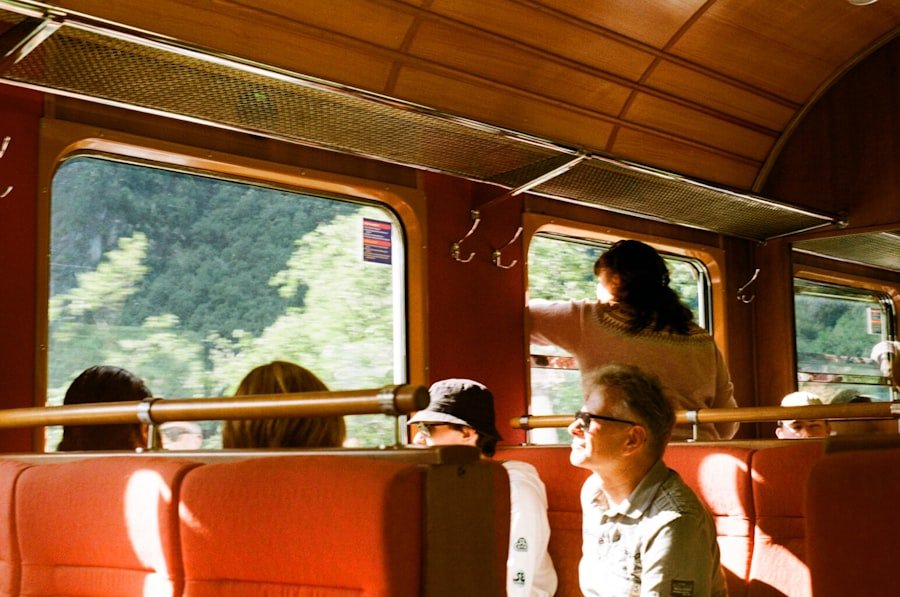
“Selecting lodging within walking distance of Interlaken Ost station cuts 30 to 45 minutes of daily transit time off excursions to Lauterbrunnen, Grindelwald, and the high alpine passes.”
- Luxury: Victoria-Jungfrau Grand Hotel & Spa: Operating since 1865, this landmark 5-star palace hotel combines grand Belle Époque architecture with modern luxury. Rooms fronting the Höheweg offer unobstructed views of the Jungfrau summit, complemented by an award-winning spa complex.
- Mid-Range: Hotel Interlaken: Located near Interlaken Ost, this carefully renovated 4-star boutique hotel dates back to the 14th century (with Lord Byron and Felix Mendelssohn among its historical guests). It offers stylish rooms, historic gardens, and quiet courtyards.
- Budget / Backpacker: Backpackers Villa Sonnenhof: Widely regarded as one of Switzerland’s top-rated hostels, this clean and modern property provides shared dormitories, private family rooms, guest kitchens, free local bus passes, and laundry facilities in an active, community-focused setting.
Tips for Making the Most of Your Interlaken Adventure
Navigating Switzerland’s alpine transportation network is simple once you master the fundamentals of regional rail passes and seasonal transitions.
1. Choose the Right Transportation Pass
Purchasing individual point-to-point train tickets in Switzerland can quickly become expensive. Before traveling, evaluate which regional pass matches your itinerary:
- Swiss Travel Pass: Ideal if Interlaken is one stop on a broader Swiss journey. It grants unlimited travel on all national rail lines (SBB), postbuses, and lake steamers, along with a 50% discount on most high-mountain cable cars and 25% off the final leg to Jungfraujoch.
- Berner Oberland Pass: If your 3 days are centered entirely in this valley, this regional pass covers local trains, lake boats, and numerous mountain lifts (including the train up to Mürren and Grindelwald First) at higher inclusion rates than the national pass.
- Interlaken Guest Card: Provided free by all official hotels and hostels upon check-in, this tourist card covers local municipal buses in Zones 105 and 106 and provides discounts at local attractions.
2. Master Mountain Layering and Live Webcams
Alpine weather shifts quickly. Temperatures in Interlaken can hover around 24°C (75°F) in midsummer while dropping near freezing at summit stations like Jungfraujoch or Schilthorn. Wear moisture-wicking base layers, an insulating fleece mid-layer, and a waterproof windbreaker. Download the official MeteoSwiss application on your phone and inspect the live summit webcams through the Interlaken Tourism Portal every morning before finalizing ticket purchases.
Conclusion and Final Thoughts
Interlaken is a destination that delivers both thrilling mountain adventures and restorative alpine tranquility. By combining panoramic ascents like Harder Kulm with the turquoise waters of Lake Brienz, high-altitude excursions into the Jungfrau region, and relaxing cultural discoveries at Ballenberg, this 3-day itinerary captures the very best of the Bernese Oberland. With thoughtful advance planning, appropriate transit passes, and an eye on the alpine forecast, your 72 hours in Interlaken will stand out as an unforgettable highlight of your Swiss travels.
Frequently Asked Questions
What is Interlaken?
Interlaken is a historic resort town in the Bernese Oberland region of Switzerland. Situated on a valley alluvial plain between Lake Thun and Lake Brienz, it serves as the primary transport gateway and adventure activity hub for the surrounding peaks of the Eiger, Mönch, and Jungfrau.
What can I do in Interlaken for 3 days?
A balanced 3-day itinerary includes riding the Harderbahn funicular to Harder Kulm, taking a boat cruise across Lake Brienz or Lake Thun, paragliding over the valley, venturing up to alpine vantage points like Jungfraujoch or Schilthorn, exploring the Ballenberg Open-Air Museum, and unwinding in regional thermal spas.
What are some recommended outdoor activities in Interlaken?
Top-rated outdoor activities include tandem paragliding landing on the Höhematte, canyoning in the Grimsel Gorge, hiking along the cliff-side walkways of the Aare Gorge, kayaking on turquoise Lake Brienz, and trekking mountain trails around Lauterbrunnen and Grindelwald First.
What are some must-see attractions near Interlaken?
Must-see nearby attractions include Jungfraujoch (the Top of Europe), the revolving Piz Gloria restaurant atop the Schilthorn, the subterranean Trümmelbach Falls inside the Lauterbrunnen Valley, the Giessbach Falls, and the historic St. Beatus Caves along Lake Thun.
What is the best time of year to visit Interlaken?
The best months for summer hiking, boat cruises, and adventure sports are June through September, when alpine trails are snow-free and lake ferry schedules are in full swing. For winter sports like skiing, snowboarding, and sledging in the Jungfrau ski areas, visit from December through March.
Sources
- Interlaken Tourism Official Portal — Regional logistics, guest cards, and local activity schedules.
- SBB Swiss Federal Railways — National transit networks, rail timetables, and Swiss Travel Pass coverage maps.
- Jungfrau Railways Management — Mountain railway timetables, Harder Kulm funicular specs, and Jungfraujoch elevations.
- Ballenberg Swiss Open-Air Museum — Historical architecture exhibits, operational dates, and craft heritage demonstrations.