Summer hiking in the Swiss Alps is one of the best ways to experience Switzerland’s mountain scenery without needing skis, crampons, or a technical climbing background. From flower-filled meadows and glacier viewpoints to lake walks, mountain huts, and cable-car-assisted trails, the region offers routes for beginners, families, and experienced hikers alike.
The key is choosing the right trail for your fitness, checking current weather and lift conditions, and packing for fast-changing mountain temperatures. A sunny valley morning can still turn into wind, rain, fog, or snow at higher elevations, so a little planning makes the difference between a memorable hike and a risky one.
Quick Answer
The best time for summer hiking in the Swiss Alps is generally June through September, with late June to September best for many higher trails. Choose marked routes that match your fitness, pack layers and rain protection, check the weather before leaving, and use official trail, lift, and hut information before you go.
Key Takeaways
- The Swiss Alps have summer hikes for nearly every level, from easy valley walks to exposed mountain trails and multi-day hut routes.
- High-altitude trails can hold snow into summer, so always check local trail, lift, and weather updates before starting.
- Popular routes include the Eiger Trail, Five Lakes Walk, Schynige Platte Panorama Trail, Aletsch Panorama Trail, and hikes around Zermatt, Lauterbrunnen, and the Engadine.
- Essential gear includes sturdy hiking shoes, layered clothing, sun protection, rain protection, water, snacks, a map or GPS app, a first aid kit, and a charged phone.
- In an emergency in the Swiss mountains, call Rega at 1414 or the European emergency number 112.
At a Glance
| Best Time | June to September for most hiking holidays; late June to September is safer for many higher trails, depending on snow and weather. |
| Difficulty | Easy valley walks to demanding mountain and alpine routes. Match the trail marking and elevation gain to your ability. |
| Tools Needed | Hiking shoes or boots, layered clothing, waterproof jacket, sun protection, water, snacks, map/GPS, first aid kit, phone, power bank, and emergency app. |
| Cost | Many trails are free, but budget for trains, cable cars, food, mountain huts, travel insurance, and paid guided tours when needed. |
Best Time for Summer Hiking in the Swiss Alps
The main summer hiking window in the Swiss Alps is usually June through September. For higher mountain routes, late June through September is often the safer planning window because snow can linger on high passes, shaded slopes, and glacier-adjacent paths. Lower valley trails may be walkable earlier, while some high routes can still be affected by snow, storms, or maintenance closures even in summer.
Before choosing a trail, check three things: the local weather forecast, the current trail condition, and whether the cable car, train, or hut you need is operating that day. This is especially important in places such as Zermatt, Jungfrau, Aletsch Arena, and the Engadine, where hikes often depend on mountain transport.
Note: “Summer” does not mean warm at every elevation. At Jungfraujoch, for example, visitors reach 3,454 metres, and below-freezing temperatures can occur even outside winter.
Best Summer Hiking Trails in the Swiss Alps
When it comes to choosing the best summer hiking trails in the Swiss Alps, I am often overwhelmed by the sheer number of options available. The easiest way to narrow the list is to decide whether I want glacier views, Matterhorn views, alpine lakes, a family-friendly valley walk, or a more serious hut-to-hut adventure.
| Trail | Region | Best For | Difficulty |
| Eiger Trail | Grindelwald / Jungfrau Region | Close-up views of the Eiger North Face | Moderate mountain hike |
| Five Lakes Walk | Zermatt | Matterhorn reflections, lake scenery, photos | Easy to moderate, depending on pace |
| Schynige Platte Panorama Trail | Interlaken / Jungfrau Region | Ridge views, alpine flowers, Lake Brienz and Lake Thun | Moderate |
| Aletsch Panorama Trail | Valais / Aletsch Arena | Views of the Great Aletsch Glacier | Moderate to demanding by stage |
| Lauterbrunnen Valley Walk | Bernese Oberland | Waterfalls, families, gentler scenery | Easy to moderate |
One of my favorite options is the Aletsch Panorama Trail, which offers superb views toward the Great Aletsch Glacier in the UNESCO-listed Swiss Alps Jungfrau-Aletsch region. The contrast between blue-white ice, rocky moraine, and green alpine meadows makes this one of the most dramatic hiking landscapes in Switzerland.
The Eiger Trail is another classic. It runs below the famous Eiger North Face, giving hikers a close view of one of the most iconic walls in the Alps. It is not a casual city stroll, but for fit hikers in good weather, it is one of the most rewarding routes in the Jungfrau region.
For lake scenery, the Five Lakes Walk above Zermatt is a strong choice. On clear days, several lakes frame views of the Matterhorn, making it especially popular with photographers. For sweeping ridgelines, the Schynige Platte Panorama Trail combines views of the Eiger, Mönch, Jungfrau, Lake Brienz, and Lake Thun with seasonal alpine flowers.
Pro Tip: If it is your first Swiss Alps hiking trip, choose one glacier-view hike, one lake-view hike, and one valley walk instead of trying to do only high-elevation routes. This gives you variety and safer backup options if the weather changes.
Essential Gear and Clothing for Summer Hiking in the Swiss Alps

Preparing for a summer hike in the Swiss Alps requires careful consideration of gear and clothing. I have learned from experience that layering is key to staying comfortable throughout the day. Mountain mornings can feel cool, exposed ridges can be windy, and sunny sections can become hot quickly.
Start with a moisture-wicking base layer, add a fleece or light insulating layer, and carry a waterproof, windproof shell. A hat, sunglasses, sunscreen, and lip protection are just as important as warm layers because UV exposure is stronger at altitude.
Summer Hiking Gear Checklist
- Footwear: sturdy hiking shoes or boots with good tread; ankle support is helpful on rocky mountain trails.
- Clothing: breathable base layer, fleece or light jacket, waterproof shell, hiking trousers or shorts, warm hat or headband for higher elevations.
- Navigation: printed map, swisstopo or official trail map, GPS app, and a fully charged phone.
- Safety: first aid kit, space blanket, whistle, headlamp, power bank, and emergency app.
- Food and water: more water than you think you need, high-energy snacks, and lunch if huts or restaurants are closed.
- Sun and weather protection: sunglasses, sunscreen, cap, lip balm, rain cover for backpack, and dry bag for valuables.
- For hut stays: sleeping bag liner, earplugs, cash, hut reservation confirmation, and lightweight toiletries.
Footwear is especially important. Swiss mountain paths may include gravel, roots, wet grass, stone steps, scree, and short exposed sections. Moisture-wicking socks help prevent blisters, and trekking poles can reduce strain on descents.
Safety Tips for Hiking in the Swiss Alps
Safety is paramount when hiking in the Swiss Alps, and I always take precautions before heading out. The weather forecast is the first thing I check, because storms, fog, wind, cold, and snow can increase risk quickly in mountain terrain.
Warning: Do not rely only on a sunny view from your hotel window. Mountain weather can change fast, and higher trails may be colder, wetter, or snowier than the valley below. If thunder, dense fog, heavy rain, or strong wind is forecast, choose a lower route or postpone the hike.
| Safety Tip | Why It Matters |
| Check the weather forecast before heading out. | Storms, fog, snow, wind, and cold can arrive quickly in the mountains. |
| Dress in layers and wear appropriate footwear. | You may move between hot sun, cold wind, wet grass, and rocky terrain in one hike. |
| Bring plenty of water and high-energy snacks. | Mountain huts and restaurants can be closed, full, or off-route. |
| Stay on marked trails and follow trail signs. | Shortcuts can lead onto unstable slopes, private land, or exposed terrain. |
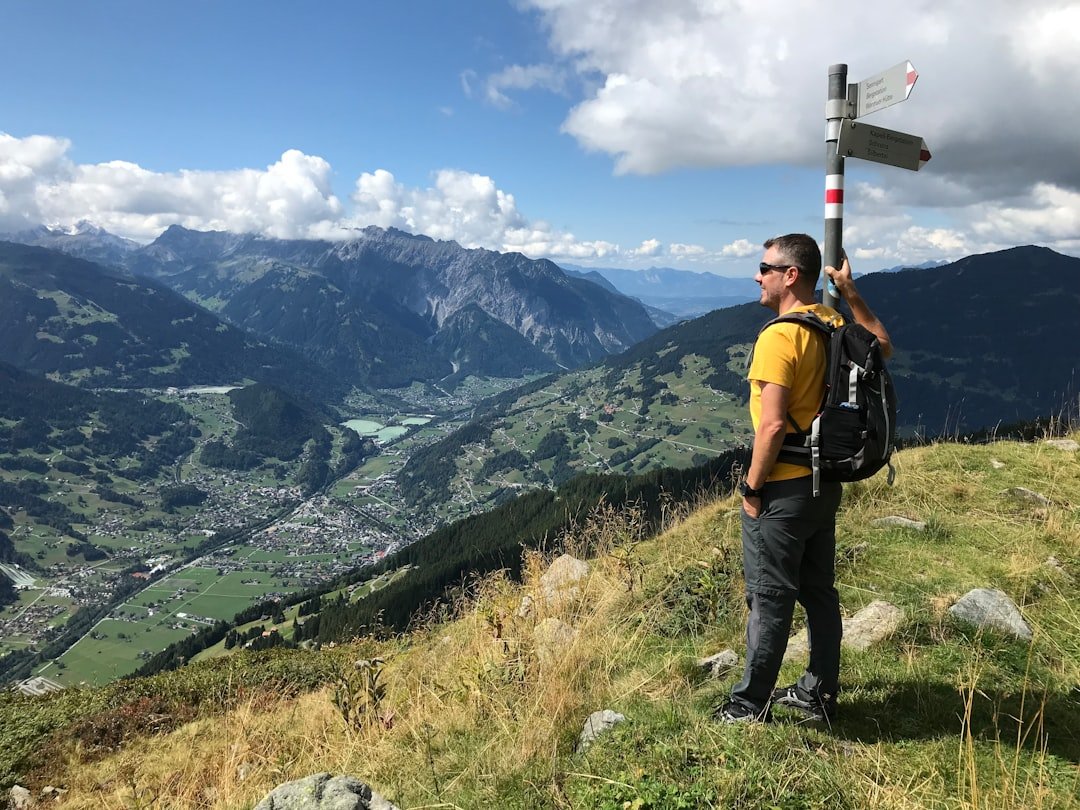
| Understand Swiss trail markings. | Yellow trails are easier; white-red-white mountain trails may be steep or exposed; white-blue-white alpine routes require more experience. |
| Carry a map, compass, GPS device, or offline map app. | Fog, low battery, and poor signal can make navigation harder. |
| Tell someone your route and expected return time. | If something goes wrong, someone knows where to look. |
| Set a turnaround time. | Turning back early is safer than finishing late, tired, or in bad weather. |
| Keep distance from wildlife and livestock. | Never feed wild animals, and give cows, calves, and guard dogs a wide berth. |
| In an emergency, call Rega 1414 or 112. | Give your location, condition, number of people, and visible landmarks, then stay calm and visible. |
I also pay close attention to my physical limits. If I start feeling unusually tired, dizzy, cold, or unsure of the route, I turn back. A successful Swiss Alps hike is not the one that forces me to finish at all costs; it is the one that gets me back safely with enough energy to enjoy the evening.
Wildlife and Flora to Look Out for While Hiking in the Swiss Alps
One of the most enchanting aspects of hiking in the Swiss Alps is the opportunity to encounter diverse wildlife and alpine flora along the trails. In summer, meadows can be full of gentians, alpine roses, bellflowers, and, in protected areas, delicate species such as edelweiss.
In addition to flora, I keep my eyes peeled for wildlife that calls these mountains home. It is possible to spot marmots near rocky burrows, chamois on steep slopes, or ibex in higher alpine terrain. Golden eagles and bearded vultures may also be seen in some regions, especially where protected habitats support them.
The best wildlife encounters happen from a respectful distance. I never feed animals, approach young wildlife, pick protected flowers, or leave food scraps behind. Staying on marked trails helps protect fragile alpine vegetation that can take years to recover from trampling.
The quieter I move through the mountains, the more I notice: marmot calls, cowbells below, shifting clouds above the ridgeline, and tiny alpine flowers growing in places that look impossible.
Top Hiking Destinations and Mountain Huts in the Swiss Alps

The Swiss Alps are dotted with charming mountain huts that serve as perfect resting spots during hikes. One of my favorite destinations is Zermatt, where experienced hikers can aim for the Hörnlihütte area at the base of the Matterhorn. The hut sits at 3,260 metres and is famous as a destination for hikers and a starting point for Matterhorn climbers.
Another must-visit destination is the Lauterbrunnen Valley, known for waterfalls, cliff walls, and easy access to higher trails around Mürren, Wengen, Kleine Scheidegg, and Schynige Platte. After a day of hiking, the valley is a comfortable base for travelers who want big scenery without sleeping in a high mountain hut.
The Aletsch Arena is ideal for glacier viewpoints, especially for hikers who want to see the Great Aletsch Glacier without stepping onto glacier ice. The Engadine, around St. Moritz, Pontresina, and the Swiss National Park area, offers a different mood: wide valleys, lakes, larch forests, and excellent wildlife-watching opportunities.
Mountain Hut Tips for First-Time Visitors
- Reserve ahead: popular huts can fill quickly in summer, especially on weekends.
- Arrive on time: many huts serve dinner at a set hour.
- Bring a liner: a hut sleeping bag liner is commonly expected for overnight stays.
- Pack cash: some remote huts may have limited card service.
- Respect quiet hours: hikers and climbers often start before sunrise.
- Check water availability: some huts have limited washing water or no showers.
Recommended Day Trips and Excursions from Hiking Trails in the Swiss Alps
While hiking is the highlight of a Swiss Alps summer trip, day trips and mountain excursions can make the journey even richer. Jungfraujoch, known as the “Top of Europe,” is one of the most famous options. It is reached by mountain railway and gives access to glacier views, snow, and high-altitude scenery at 3,454 metres.
Interlaken is another useful base because it connects easily to Lauterbrunnen, Grindelwald, Lake Brienz, and Lake Thun. From there, I can combine hiking with boat trips, scenic trains, paragliding, or a lower-elevation rest day if the weather closes in above the tree line.
In Zermatt, the Gornergrat railway is a memorable excursion for Matterhorn views, especially if I want a big alpine panorama without committing to a long or exposed hike. In the Engadine, lake walks and train rides along the Bernina route make excellent additions to a hiking itinerary.
Note: Cable cars, mountain railways, and boats may run on seasonal schedules. Always check the latest timetable before planning a hike that depends on public transport for the return.
Local Cuisine and Dining Options for Hikers in the Swiss Alps
After a long day on the trails, local cuisine is one of my favorite ways to unwind. The Swiss Alps are known for hearty dishes that feel especially satisfying after hours of walking. Fondue, raclette, rösti, alpine cheese, barley soup, and simple hut meals all fit the mountain setting.
Fondue is best saved for a relaxed evening rather than a steep afternoon climb, but it is a classic part of the experience. Rösti is often easier to find in mountain restaurants and pairs well with eggs, cheese, bacon, or vegetables. In some regions, alpine dairies and cheese trails add a cultural layer to the hike, showing how farming, summer pastures, and mountain food are connected.
I still carry snacks even when a route passes restaurants or huts. Weather, opening hours, crowds, and route changes can all interrupt meal plans. Nuts, dried fruit, chocolate, sandwiches, and cheese are practical trail foods. For a simple protein-rich snack idea before a hiking day, homemade cottage cheese can also work well; this related recipe offers one option: Delicious Homemade Cottage Cheese: A Simple and Healthy Recipe.
Summer hiking in the Swiss Alps offers an unforgettable mix of landscapes, wildlife, mountain culture, and satisfying food. With the right trail choice, reliable gear, current weather checks, and a flexible plan, I can enjoy the best of the Alps while staying safe and comfortable.
Frequently Asked Questions
What are the best months for summer hiking in the Swiss Alps?
June through September is the main summer hiking season, with late June to September often best for higher trails. Lower routes may open earlier, but high passes, shaded slopes, and glacier-adjacent trails can remain snowy or wet into summer. Always check current local conditions before starting.
What should I pack for a summer hike in the Swiss Alps?
Pack sturdy hiking shoes or boots, layered clothing, a waterproof jacket, sun protection, water, snacks, a map or GPS app, a first aid kit, a charged phone, and a power bank. For longer or higher hikes, add a warm hat, gloves, headlamp, emergency blanket, and extra food.
Are there guided hiking tours available in the Swiss Alps?
Yes. Guided hiking tours are widely available in Swiss alpine regions, especially around Zermatt, the Jungfrau region, Valais, Graubünden, and the Engadine. A guide is strongly recommended for glacier travel, alpine routes, via ferrata, poor-weather navigation, or hikes that exceed your experience level.
What are some popular hiking trails in the Swiss Alps?
Popular summer hikes include the Eiger Trail, Five Lakes Walk above Zermatt, Schynige Platte Panorama Trail, Aletsch Panorama Trail, Lauterbrunnen Valley walks, and sections of the Via Alpina. Choose based on fitness, weather, transport access, elevation gain, and trail difficulty.
Are there accommodations available for hikers in the Swiss Alps?
Yes. Hikers can stay in hotels, guesthouses, hostels, alpine huts, and SAC mountain huts. Book ahead for popular summer routes, especially weekends and famous hut destinations. For hut stays, bring a sleeping bag liner, respect quiet hours, and check whether meals, showers, and card payments are available.
Do I need hiking boots for Swiss Alps summer trails?
For easy valley walks, supportive trail shoes may be enough. For mountain trails, rocky paths, wet grass, steep descents, or multi-day hikes, sturdy hiking boots or shoes with excellent tread are safer and more comfortable.
What do Swiss hiking trail colors mean?
Yellow-marked trails are generally standard hiking paths. White-red-white markings indicate mountain hiking trails that may be steep, narrow, or exposed and require surefootedness. White-blue-white markings indicate alpine routes for experienced hikers with stronger navigation and mountain skills.
What emergency number should I call while hiking in Switzerland?
For mountain rescue by helicopter, call Rega at 1414 within Switzerland. You can also call the European emergency number 112. Give your exact location, the number of people involved, injuries, weather conditions, and visible landmarks.
Sources
- Switzerland Tourism — Information on Hiking — trail planning, trail markings, and high-altitude snow caveats.
- Swiss Alpine Club SAC — Safety When Hiking — weather planning, route choice, and emergency numbers.
- Swiss Alpine Club SAC — Hiking Equipment List — recommended hiking gear and safety equipment.
- UNESCO World Heritage Centre — Swiss Alps Jungfrau-Aletsch — Aletsch Glacier and World Heritage context.
- Jungfrau — Jungfraujoch Top of Europe — elevation and high-altitude visitor conditions.
- Switzerland Travel Centre — Hiking Holidays — general June to September hiking-season guidance.