Alabama packs an unusual amount of variety into one state. You can hike through sandstone canyons in the Appalachian foothills, learn about the Civil Rights Movement where defining events happened, explore America’s space program in Huntsville, listen to the legacy of Muscle Shoals, eat distinctive regional barbecue, and finish a trip on the white-sand Gulf Coast. The best Alabama experiences combine major landmarks with places you may not expect to find here.
Quick Answer
Some of the most unique things to do in Alabama include exploring Little River Canyon, visiting the U.S. Space & Rocket Center, following Civil Rights history through Birmingham, Selma, and Montgomery, seeing Ave Maria Grotto and Bamahenge, touring USS ALABAMA in Mobile, tasting Alabama barbecue, and relaxing on the Gulf Coast.
Key Takeaways
- Alabama’s landscapes range from Appalachian foothills, forests, rivers, and waterfalls to the white-sand beaches of Gulf Shores and Orange Beach.
- Birmingham, Selma, and Montgomery preserve some of the country’s most important Civil Rights landmarks.
- Huntsville’s space history and the recording heritage of the Muscle Shoals area give northern Alabama two very different cultural identities.
- Ave Maria Grotto, Bamahenge, and the Unclaimed Baggage store provide memorable alternatives to conventional sightseeing.
- Local food experiences include Alabama white barbecue sauce, smoked ribs, Gulf seafood, meat-and-three restaurants, sweet tea, and regional farm products.
- Because Alabama is large from north to south, most visitors have a better trip by choosing two or three regions rather than trying to see the entire state at once.
Explore Alabama’s Natural Wonders
North Alabama contains some of the state’s most dramatic scenery. The U.S. Forest Service currently lists William B. Bankhead National Forest at 181,988 acres. Its forests, streams, rock shelters, waterfalls, and the Sipsey Wilderness make the area especially appealing to hikers, campers, and photographers.
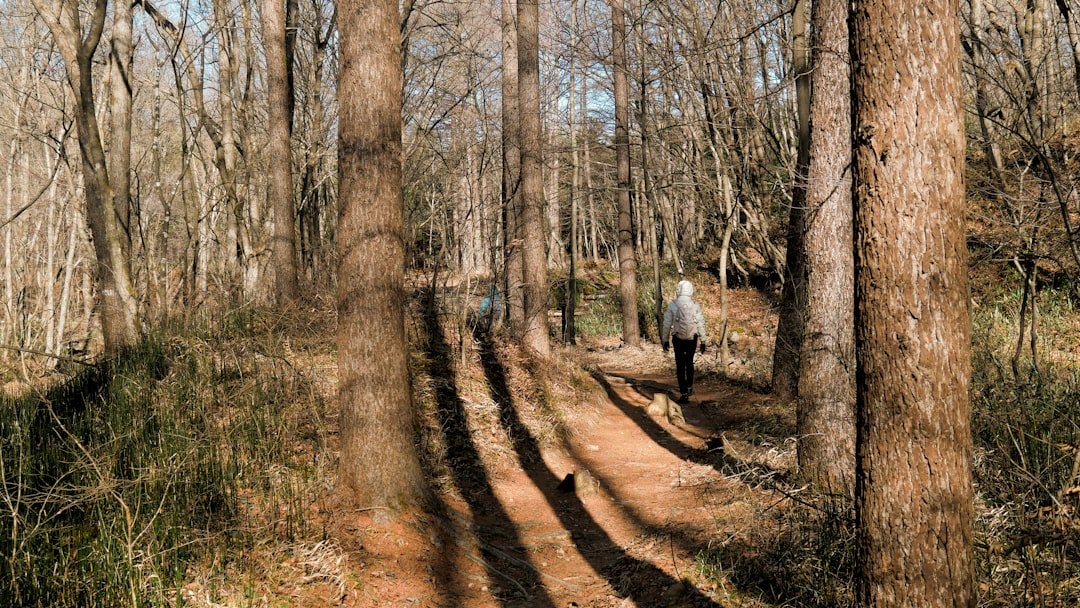
The Sipsey Wilderness is known for rugged forest terrain, sandstone formations, streams, and old-growth pockets. Conditions can feel much more remote than the mileage on a map suggests, so hikers should carry water, navigation, and weather-appropriate gear rather than treating every route as a casual park walk.
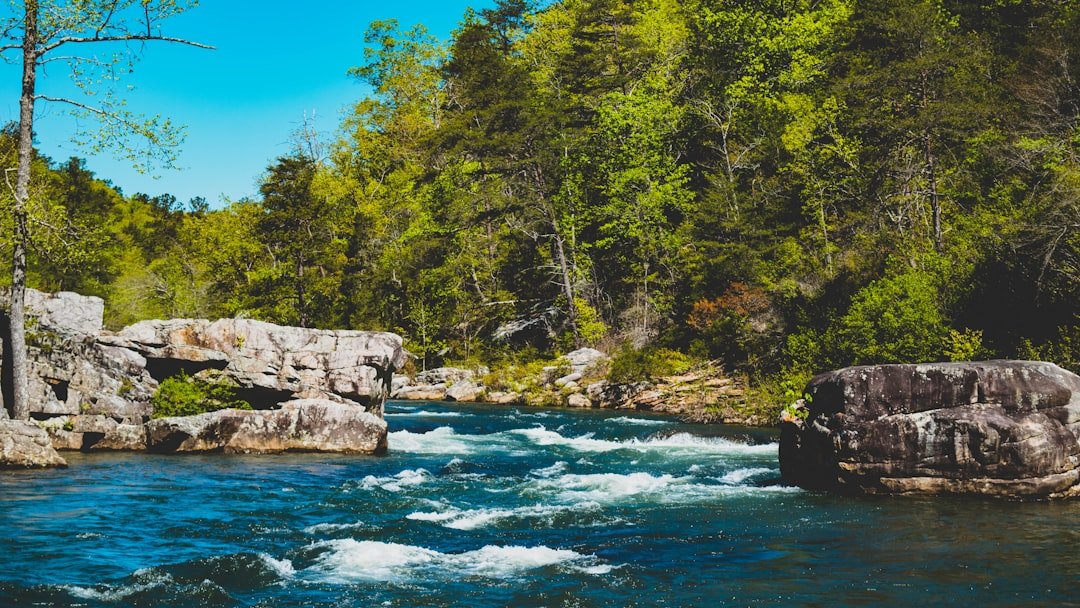
Farther east, Little River Canyon National Preserve protects one of Alabama’s signature landscapes. Little River is unusual because it flows for most of its length on top of Lookout Mountain before cutting through the sandstone canyon. Visitors can explore waterfalls, overlooks, hiking trails, rock-climbing areas, and the scenic rim drive.
The river and surrounding canyon support varied plant and animal life. The combination of flowing water, sandstone cliffs, forested uplands, and exposed canyon rims creates several habitats within a relatively compact area.
Warning: Do not treat all Little River Canyon paddling as beginner-friendly. The National Park Service describes stretches above the falls with Class III rapids and sections below the falls with Class IV, V, and VI rapids. The lower canyon is suitable only for highly skilled paddlers, and water levels can rise quickly after heavy rain.
Discover Alabama’s Rich History
Alabama’s history includes Indigenous cultures, European settlement, the Civil War, industrial growth, and events that transformed modern American civil rights. Creek, Cherokee, Choctaw, Chickasaw, and other Indigenous peoples shaped the region long before Alabama became a state, and their influence remains visible in place names, historical interpretation, art, and cultural traditions.
The Civil Rights Movement is one of the most important parts of Alabama’s modern history. Birmingham, Selma, and Montgomery each preserve places connected with major campaigns for desegregation and voting rights.
In Birmingham, the Birmingham Civil Rights Institute uses exhibitions, photographs, oral histories, and historical interpretation to examine segregation, the 1963 Birmingham Campaign, and the broader fight for civil and human rights. Nearby sites in the Birmingham Civil Rights National Monument help visitors connect those stories with the places where demonstrations and violence occurred.
In central Alabama, the Selma to Montgomery National Historic Trail commemorates the route and events of the 1965 voting-rights marches. The National Park Service describes the historic route as approximately 54 miles long, with important sites in Selma, Lowndes County, and Montgomery.
A history-focused trip can connect Birmingham’s Civil Rights District, Selma’s Brown Chapel AME Church and Edmund Pettus Bridge area, and Montgomery landmarks associated with the Montgomery Bus Boycott and later Civil Rights campaigns. Give these places enough time for museums and interpretation rather than treating them as quick photo stops.
Experience Alabama’s Unique Culture
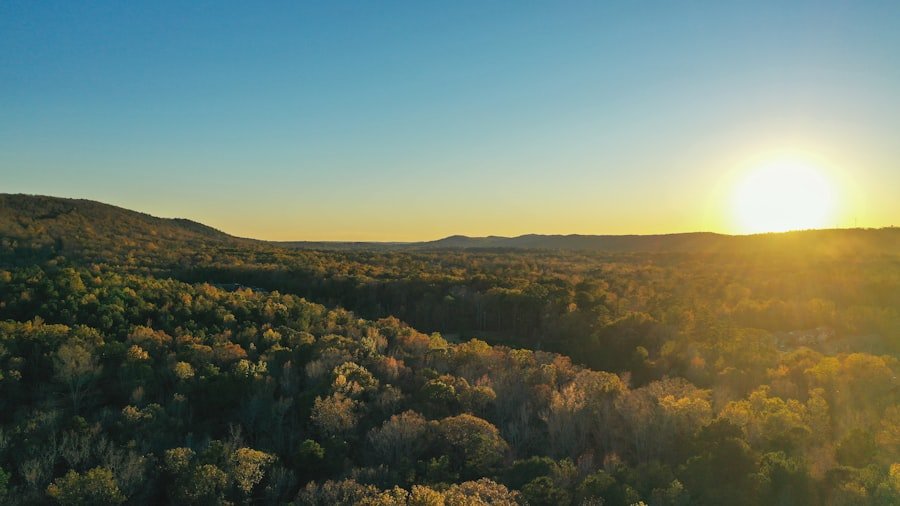
Alabama’s cultural identity is strongly connected to music, visual art, literature, theater, and regional traditions. Blues, gospel, country, rock, soul, and R&B all have important Alabama connections, but few places are as internationally recognized for recording history as the Muscle Shoals area.
It is important to distinguish two famous studios. Aretha Franklin recorded at FAME Studios in Muscle Shoals with musicians who became known as the Muscle Shoals Rhythm Section. Those musicians later left FAME and opened Muscle Shoals Sound Studio at 3614 Jackson Highway in Sheffield in 1969.
According to the Muscle Shoals Sound Studio’s official history, the Rolling Stones recorded “Brown Sugar,” “You Gotta Move,” and “Wild Horses” there during sessions in 1969. The restored studio can be visited by music fans interested in the region’s recording legacy.
Visual and performing arts add another layer. The Birmingham Museum of Art maintains collections spanning multiple cultures and periods, while community galleries and arts events showcase contemporary work.
In Montgomery, the Alabama Shakespeare Festival is one of the state’s major professional theater institutions. Despite its name, its programming extends beyond Shakespeare to other classic and contemporary productions. Performances take place in its theater complex in Wynton M. Blount Cultural Park, rather than in the “outdoor setting” implied by the original article. For related tips and details, explore our Exploring Alabama: Free Activities for Every Traveler.
Uncover Alabama’s Quirky Attractions
Some of Alabama’s most memorable stops are difficult to fit into a conventional sightseeing category. They include oversized replicas, miniature architecture, unusual shopping experiences, and locally rooted businesses.
| Attraction | Location | Editorial Quirkiness Level |
|---|---|---|
| Unclaimed Baggage Center | Scottsboro | High |
| Bamahenge | Elberta area | Medium |
| Goat Island Brewing | Cullman | Low |
The “quirkiness” ratings above are editorial descriptions, not official rankings.
U.S. Space & Rocket Center
Huntsville’s U.S. Space & Rocket Center is much more than a novelty stop. It serves as the official visitor center for NASA’s Marshall Space Flight Center and is a Smithsonian affiliate. Exhibits explore rockets, satellites, human spaceflight, engineering, and the history of America’s space program, making it one of Alabama’s strongest attractions for families and science-minded travelers.
Ave Maria Grotto
The Ave Maria Grotto in Cullman is an outdoor collection created by Benedictine monk Brother Joseph Zoettl. The landscaped former quarry contains more than 125 miniature buildings, shrines, and interpretations of famous places. Visitors can walk through the gardens and examine the details of structures inspired by sites around the world.
The collection is sometimes associated with the phrase “Jerusalem in Miniature,” although Jerusalem is only part of the much larger assortment of miniature architecture.
Bamahenge and Unclaimed Baggage
Near Elberta and Barber Marina, Bamahenge is a full-scale fiberglass interpretation of England’s Stonehenge. It is an intentionally unexpected sight tucked among Alabama’s coastal woods.
In Scottsboro, Unclaimed Baggage turns the contents of unclaimed luggage into a constantly changing retail experience. Shopping is the main activity, but the uncertainty about what will be on the shelves gives the stop much of its appeal.
Goat Island Brewing in Cullman offers another local stop for adult visitors interested in Alabama’s craft-beverage scene. Because beer is the focus, travelers should check current age and visitor policies before planning a stop with children.
Indulge in Alabama’s Culinary Delights
Alabama’s food reflects Southern traditions, agricultural products, Gulf seafood, and strong regional barbecue identities. One of its best-known specialties is north Alabama white barbecue sauce, traditionally built around mayonnaise and vinegar and closely associated with smoked chicken.
Barbecue varies considerably across the state. Dreamland Bar-B-Que became particularly well known for ribs, while other restaurants specialize in pulled pork, chicken, smoked sausage, or different sauce styles. Instead of looking for one official “Alabama barbecue,” try several regions and compare them.
Along the Gulf Coast, shrimp, oysters, fish, and other seafood appear throughout local menus. Shrimp and grits, fried seafood baskets, and hushpuppies are common choices, but preparation varies widely between restaurants.
The National Shrimp Festival in Gulf Shores is one of the coast’s recurring food-and-entertainment events. Because festival dates and programs change by year, confirm the current schedule before planning a trip around it. For related tips and details, explore our Discovering Alabama's Hidden Gems.
Meat-and-three restaurants are another classic Southern experience. Diners generally choose one main dish with several vegetable or side selections, making them an easy way to sample familiar regional comfort foods.
Farmers’ markets can also reveal a different side of Alabama’s food culture through seasonal fruits, vegetables, preserves, and locally made products. If unusual produce interests you, the site’s existing guide to Exploring the Delightful World of Asian Melon offers a separate look at distinctive melon varieties and can provide inspiration for noticing less-familiar produce while traveling.
Enjoy Alabama’s Outdoor Adventures
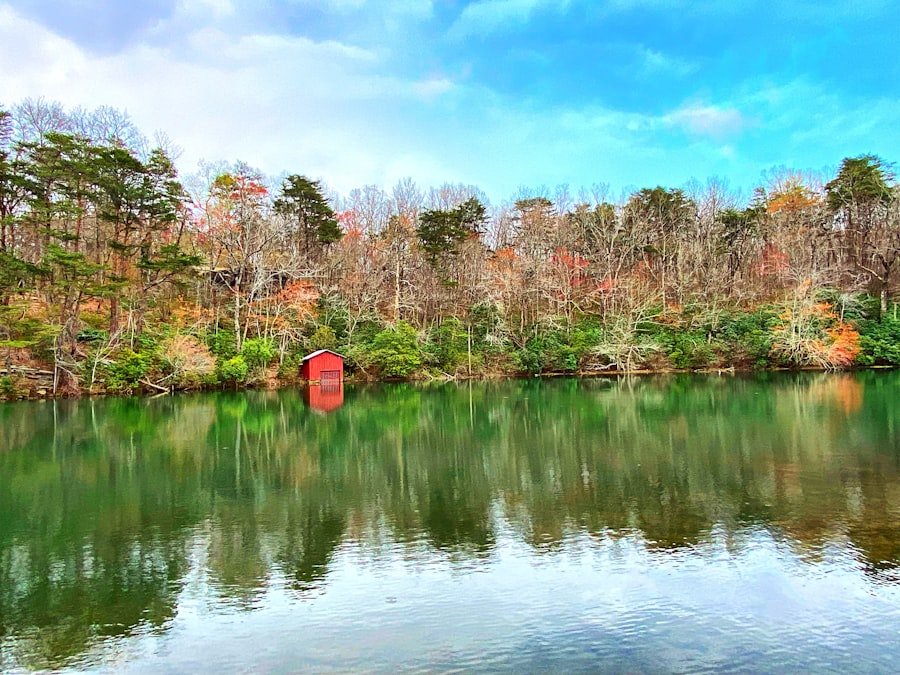
Alabama’s mountains, forests, rivers, reservoirs, wetlands, and coast support hiking, biking, paddling, fishing, birdwatching, and camping. Conditions vary significantly by region, so an activity that feels comfortable in spring can be much harder during summer heat or after heavy rain.
Cheaha State Park surrounds Alabama’s highest point, officially listed by Alabama State Parks at 2,407 feet above sea level. The park includes hiking opportunities, overlooks, camping, and mountain scenery on the southern end of the Appalachian chain.
Water-sports enthusiasts can explore many lakes and rivers, but route difficulty and regulations should be checked first. The Coosa River system offers numerous paddling and fishing opportunities, while Lake Guntersville is nationally known among bass anglers and regularly appears on tournament schedules.
Fishing regulations can change by water body and species. For example, special bass-size rules apply at Guntersville Reservoir, so anglers should check the current Outdoor Alabama fishing regulations before keeping fish.
Go Birdwatching at Wheeler National Wildlife Refuge
Wheeler National Wildlife Refuge near Decatur is one of Alabama’s strongest wildlife-watching destinations. The U.S. Fish & Wildlife Service has documented hundreds of bird species there, and winter can bring large concentrations of ducks, geese, and sandhill cranes.
Bird activity changes through the seasons, so visitors interested in cranes or migrating species should check current refuge conditions rather than assuming the same wildlife will be present year-round.
Pro Tip: For hiking, birding, and historic districts, start early in warmer months. Alabama’s summer heat and humidity can make midday outdoor sightseeing much less comfortable, and afternoon thunderstorms can change trail and river conditions quickly.
Visit Alabama’s Gulf Coast and Mobile
Alabama’s Gulf Coast adds a completely different environment to a statewide trip. Gulf Shores and Orange Beach are known for white-sand beaches, Gulf waters, seafood, fishing, boating, and family-oriented attractions.
Beach conditions are affected by weather, surf, and seasonal hazards. Pay attention to posted beach-warning flags and local safety information before entering the water. Visitors who prefer nature to resort areas can also look for coastal trails, wetlands, birding areas, and Gulf State Park.
Tour USS ALABAMA Battleship Memorial Park
Mobile’s USS ALABAMA Battleship Memorial Park preserves the World War II-era battleship USS ALABAMA (BB-60) as a military-history attraction and memorial. Visitors can explore the ship and learn about its wartime service.
The park also includes USS DRUM, a World War II submarine. Touring historic vessels involves stairs, ladders, narrow passageways, and confined spaces, so visitors with mobility limitations should review current accessibility information before arrival.
Immerse Yourself in Alabama’s Arts and Entertainment
Alabama’s arts scene includes professional theater, visual-arts museums, music venues, university programs, local galleries, and festivals. Birmingham and Montgomery provide some of the most concentrated museum and performing-arts options, while smaller communities often host locally focused events.
The Alabama Shakespeare Festival in Montgomery is one of the state’s best-known theater organizations and presents a broader range of work than its name may suggest. Check the current production calendar before traveling because schedules change by season. For related tips and details, explore our Discovering Alabama: 5-Day Itinerary.
The Wiregrass Museum of Art in Dothan represents another side of the state’s arts landscape, with exhibitions and educational programming that connect regional audiences with visual art.
Art walks, live music, theater performances, and festivals can make excellent additions to an Alabama itinerary, especially on hot or rainy days when an indoor activity provides a break from outdoor sightseeing.
Unearth Alabama’s Hidden Treasures
Many of Alabama’s less-famous destinations are found in smaller towns rather than major tourism centers. Eufaula, for example, is known for historic architecture and a downtown area where visitors can combine local history with shops and other small-town attractions.
Near Selma, Old Cahawba Archaeological Park preserves the site of Alabama’s first permanent state capital. The former town later declined and was largely abandoned, leaving archaeological remains, historic landscapes, and stories that make it one of the state’s most atmospheric historical destinations.
Other travelers may prefer unusual natural destinations, independent shops, local museums, folk-art sites, or roadside attractions. Alabama’s variety makes these smaller discoveries especially useful for road trips where the route between major cities is part of the experience.
Plan an Alabama Trip by Region
| Region | Good For | Notable Stops |
|---|---|---|
| North Alabama | Space, music, hiking, waterfalls, wildlife | Huntsville, Muscle Shoals area, Bankhead National Forest, Little River Canyon, Wheeler NWR |
| Birmingham & Central Alabama | Civil Rights history, museums, food, mountains | Birmingham Civil Rights District, Birmingham Museum of Art, Cheaha State Park |
| Selma & Montgomery | Civil Rights history, state history, theater | Selma to Montgomery National Historic Trail, Montgomery museums, Alabama Shakespeare Festival |
| South Alabama & Gulf Coast | Beaches, seafood, military history, coastal recreation | Mobile, USS ALABAMA, Gulf Shores, Orange Beach, Bamahenge |
How Many Days Do You Need?
A long weekend works well if you focus on one region. Four to five days can combine two nearby regions, such as Huntsville with north Alabama outdoors or Birmingham with Montgomery and Selma. A broader north-to-coast road trip is more comfortable with roughly a week or longer because Alabama’s headline attractions are spread across the state.
When Is the Best Time to Visit?
Spring and fall are often comfortable for mixed sightseeing because temperatures are generally easier for hiking and city walking than during peak summer. Spring also brings wildflowers and strong waterfall flow in many areas, although heavy rain can affect trails and rivers.
Summer suits Gulf Coast vacations and school-holiday travel, but expect heat, humidity, thunderstorms, and strong sun. Fall is popular for mountain scenery and outdoor trips in northern Alabama. Winter can work well for museums, Civil Rights sites, city trips, and birding, including seasonal crane and waterfowl activity at Wheeler National Wildlife Refuge.
Note: Attraction hours, trail access, river levels, lodging, event dates, and park facilities can change. Check the official destination page shortly before traveling, particularly for state parks, National Park Service sites, wildlife refuges, and seasonal events.
Frequently Asked Questions
What are some unique things to do in Alabama?
Standout experiences include visiting the U.S. Space & Rocket Center in Huntsville, hiking at Little River Canyon or Bankhead National Forest, touring Civil Rights landmarks in Birmingham, Selma, and Montgomery, seeing Ave Maria Grotto and Bamahenge, exploring USS ALABAMA in Mobile, and visiting the Gulf Coast.
What outdoor activities are available in Alabama?
Alabama offers hiking, camping, fishing, birdwatching, cycling, paddling, rock climbing, boating, and beach activities. Popular outdoor areas include Bankhead National Forest, Little River Canyon National Preserve, Cheaha State Park, Wheeler National Wildlife Refuge, Lake Guntersville, and the Gulf Coast.
What cultural experiences can be found in Alabama?
Visitors can explore Civil Rights history, tour the recording heritage of the Muscle Shoals area, visit art museums, attend performances at the Alabama Shakespeare Festival, discover regional food traditions, and explore local festivals and galleries.
Are there any unique food experiences in Alabama?
Yes. Try north Alabama white barbecue sauce, smoked ribs and pork, Gulf seafood, shrimp and grits, meat-and-three restaurants, sweet tea, and seasonal products from farmers' markets. Different regions have their own barbecue and seafood traditions, so sampling more than one area is worthwhile.
What are some off-the-beaten-path attractions in Alabama?
Ave Maria Grotto in Cullman, Unclaimed Baggage in Scottsboro, Bamahenge near Elberta, Old Cahawba Archaeological Park near Selma, and smaller historic towns such as Eufaula all offer alternatives to conventional sightseeing.
Is Alabama good for a family trip?
Yes. Families can combine interactive science exhibits in Huntsville, beaches on the Gulf Coast, wildlife watching, easy nature walks, museums, historic ships, and unusual attractions such as Ave Maria Grotto. Check age, height, accessibility, and activity restrictions before visiting individual attractions.
What is the best area of Alabama for a first-time visitor?
It depends on your interests. Choose Huntsville and north Alabama for space, music, and mountains; Birmingham, Selma, and Montgomery for Civil Rights history and museums; or Mobile, Gulf Shores, and Orange Beach for coastal scenery, seafood, beaches, and military history.
Sources
- U.S. Forest Service — National Forests in Alabama — current Bankhead National Forest acreage and federal forest information.
- National Park Service — Little River Canyon National Preserve — canyon geography, recreation, river conditions, and visitor information.
- National Park Service — Selma to Montgomery National Historic Trail — history and route of the 1965 voting-rights marches.
- Alabama State Parks — Cheaha State Park — official elevation, park information, and current visitor guidance.
- U.S. Space & Rocket Center — Huntsville space-history attraction and NASA Marshall visitor-center status.
- USS ALABAMA Battleship Memorial Park — official history and visitor information for USS ALABAMA.
Related Guides
- Dolphin Cruise Tips for Gulf Shores Adventure
- Top Gulf Shores & Orange Beach Resorts Compared (2026)
- Frank Lloyd Wright Rosenbaum House Tour: Hours & Tips