Arnavutköy on Istanbul’s European Bosphorus shore is a historic neighborhood in Beşiktaş, not the separate Arnavutköy district around Istanbul Airport. The best hidden gems in Arnavutkoy are easy to miss if you stay only on the main waterfront: 19th-century religious buildings, old wooden houses, Akıntıburnu, hillside lanes, and a weekly market. Plan it as a slow half-day of walking, eating, and looking closely at local history.
Quick Answer
Start with the wooden waterfront houses and Arnavutköy Pier, then climb inland to Tevfikiye Mosque and Aya Strati Taksiarhi Greek Orthodox Church. Finish at Akıntıburnu for Bosphorus views and seafood. On Tuesdays, the neighborhood market adds local color, while direct ferries and several IETT routes make the area easy to reach.
Last checked: October 1, 2026. Dates and figures were verified against official sources.
Key Takeaways
- This guide covers Arnavutköy in Beşiktaş on the Bosphorus, not the separate Arnavutköy district near Istanbul Airport.
- Tevfikiye Mosque was completed in 1838, while the current Aya Strati Taksiarhi church building dates to 1896–1899.
- Akıntıburnu has historically strong currents and whirlpools, so the waterfront is better treated as a walking and viewing stop than a casual paddling area.
- The Tuesday public market affects the nearby IETT terminal from 09:00 to 21:00 under the current route notice.
- Arnavutköy Pier has scheduled Şehir Hatları service, and several IETT bus routes stop in the neighborhood.
Historical landmarks and hidden gems in Arnavutkoy
Arnavutköy’s strongest historical sights are close together, but they represent different parts of the neighborhood’s past. Its name means “Albanian Village” in Turkish and reflects the area’s historic association with Albanian settlement. The mosque, Greek Orthodox church, waterfront houses, and old street pattern tell a more accurate story than treating the area as a collection of large monuments.
Tevfikiye Mosque
Tevfikiye Mosque, often called Arnavutköy Mosque locally, is a 19th-century landmark rather than an 18th-century building. According to the Beşiktaş Local History archive, construction began in 1832 and the mosque was completed in 1838 during the reign of Sultan Mahmud II.
Its modest scale fits the neighborhood better than the monumental mosques of central Istanbul. If you visit, treat it as an active place of worship: keep voices low, avoid blocking entrances, and dress respectfully.
Aya Strati Taksiarhi Greek Orthodox Church
Aya Strati Taksiarhi is one of the most important reminders of Arnavutköy’s Greek Orthodox heritage. The local-history record for the church dates the present building to 1896–1899 and identifies it with Archangel Michael.
The church sits inland from the waterfront, so it is easy to miss if you never leave the Bosphorus road. Its location also makes the surrounding side streets worth exploring on foot.
Wooden houses and the Bosphorus waterfront
The wooden houses are not one single attraction; they are part of the streetscape. The Turkish Airlines guide to Arnavutköy highlights the neighborhood’s historic wooden villas and houses, many of which still frame the waterfront and side streets.
Look for projecting upper floors, narrow plots, shutters, and the way older façades sit beside modern restaurants and apartments. The best experience is simply to walk slowly and notice individual buildings rather than rushing from one landmark to the next.
Culinary delights of Arnavutkoy

Arnavutköy is best known for eating by the Bosphorus, especially seafood, mezes, and relaxed meals near the water. You can also find familiar Istanbul street foods such as simit and stuffed mussels, so a visit does not need to revolve around a formal restaurant reservation.
The fish-and-waterfront connection is longstanding. Around Akıntıburnu, restaurants and older entertainment venues grew around the shoreline and fishing culture, which helps explain why seafood remains so closely associated with this part of the neighborhood.
For a simple visit, pair one substantial meal with smaller snacks rather than trying to sample everything at once. A fish plate with seasonal sides, several mezes shared at the table, Turkish tea, or a pastry stop all fit naturally into a walking route.
Art and culture in Arnavutkoy
Arnavutköy’s cultural value is strongest in its living heritage rather than in a large concentration of museums and theaters. Religious buildings, waterfront architecture, food traditions, the weekly market, and neighborhood stories give visitors more dependable cultural anchors than unverified venue counts.
| Cultural feature | Verified detail |
|---|---|
| Tevfikiye Mosque | Completed in 1838 |
| Aya Strati Taksiarhi Church | Current building dates to 1896–1899 |
| Akıntıburnu | Historic Bosphorus point associated with the “Great Current” |
| Arnavutköy strawberry | Cultivation history reaches back to the early 19th century |
This mix is why the neighborhood works well for travelers who prefer street-level history. The mosque and church show different religious traditions, while the wooden houses and food culture show how everyday life shaped the waterfront.
Arnavutköy also has a distinctive food-memory story: the local strawberry once grown in the neighborhood. The Beşiktaş Local History account of the Arnavutköy strawberry traces cultivation to the early 19th century and describes May as the traditional first-harvest period for the Ottoman strawberry.
Natural beauty and outdoor activities in Arnavutkoy
The best outdoor activity in Arnavutköy is a waterfront walk with frequent stops for views. The Bosphorus is beautiful here, but this stretch should not be described as uniformly calm water suitable for casual kayaking or paddleboarding.
At the northern edge of the neighborhood, Akıntıburnu is historically associated with strong currents and whirlpools; its old name, Mega Revma, means “Great Current.” That makes it a compelling viewpoint and historical stop, while scheduled ferry service is the easier way for most visitors to experience the Bosphorus from the water.
Warning: Do not treat the Bosphorus at Akıntıburnu as a calm paddling area. Local-history sources document strong currents and whirlpools that can be hazardous to small craft. Enjoy this stretch from the waterfront unless you are using an appropriately organized activity.
For more greenery, Yıldız Park and Belgrad Forest can be separate Istanbul excursions, but neither should be presented as an Arnavutköy neighborhood park. Keeping that distinction clear prevents visitors from planning a supposedly short local walk that actually requires extra travel.
Shopping and markets in Arnavutkoy

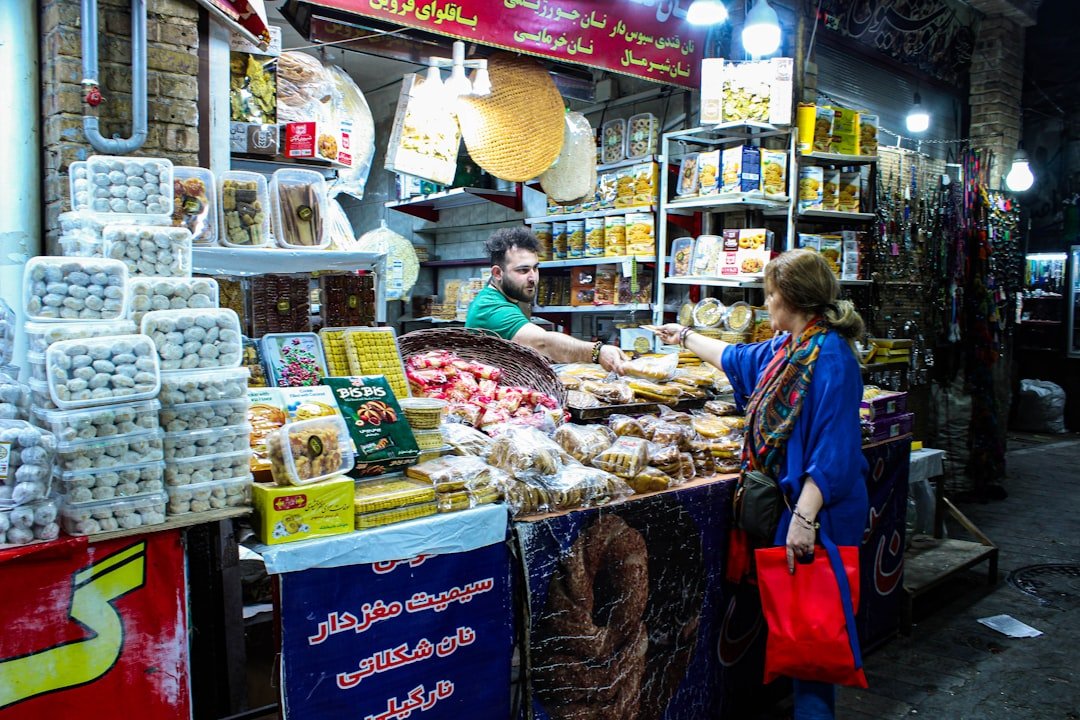
Shopping in Arnavutköy is more neighborhood-scale than mall-style. The most practical local event for visitors is the Tuesday public market, supplemented by permanent shops, food businesses, and small storefronts along the surrounding streets.
Vendors at the neighborhood market sell fresh produce, spices, textiles, and handmade goods. The selection can vary from week to week, so the market is best approached as a local street-market experience rather than a fixed list of souvenir stalls.
There is also a transport effect worth knowing. The current IETT 59CH route notice says buses cannot enter the Arnavutköy terminal from 09:00 to 21:00 on Tuesdays because of the public market, with service beginning and ending at the Çiftlik stop during that period.
Hidden gems off the beaten path in Arnavutkoy
The quieter hidden gems in Arnavutkoy are not secret monuments; they are small places and stories that make the neighborhood easier to understand. Akıntıburnu, the strawberry tradition, the old pier, and the streets behind the waterfront are especially useful if you want more than restaurant views.
Akıntıburnu
Akıntıburnu is worth visiting for the meeting of geography and local history. Watch the water from shore, notice how the Bosphorus bends around the point, and connect that view with the strong-current history described above.
The Arnavutköy strawberry story
The neighborhood’s strawberry heritage is easy to overlook because large-scale cultivation disappeared decades ago. It remains useful cultural context, though, because it shows that Arnavutköy once had productive gardens as well as waterfront houses, fishing, and dining.
Arnavutköy Pier and the back streets
The pier is more than a transport stop: it is a good place to orient yourself before walking inland. From here, move away from the busy waterfront road for short stretches and look for older façades, stairways, small shops, and the route toward the church and mosque.
If you want to extend the day south through Beşiktaş, Yıldız Park and Küçük Mecidiye Mosque can be separate stops. They are worthwhile nearby sights, but they are outside Arnavutköy itself and should not be confused with neighborhood attractions.
Tips for exploring Arnavutkoy like a local
The easiest way to explore Arnavutköy is to build a compact walking route instead of chasing a long attraction list. Start at the water, climb inland for the historic buildings, then return to the Bosphorus for Akıntıburnu and food.
- Begin at Arnavutköy Pier. Use the waterfront to get your bearings and look across the Bosphorus before traffic and restaurant crowds distract from the view.
- Walk past the wooden houses. Slow down on the side streets and notice building details rather than treating the waterfront as a photo-only stop.
- Visit Tevfikiye Mosque and Aya Strati Taksiarhi Church. Both are active religious places, so visit quietly and respect any access restrictions in effect.
- Add the Tuesday market if your timing fits. Expect the bus-terminal change during market hours and allow extra walking time.
- Finish around Akıntıburnu. Enjoy the shoreline from land, then stop for seafood, mezes, tea, or another local meal before continuing toward Bebek or returning toward Beşiktaş.
How to get to Arnavutköy
Public transport is usually the simplest option because parking and road traffic can make a short neighborhood visit less convenient. As of October 1, 2026, the IETT Arnavutköy stop page lists routes 59CH, 42T, 40T, 40, 25E, 22RE, and 22 serving the area.
By water, the current Şehir Hatları Rumeli Kavağı–Eminönü timetable includes Arnavutköy Pier on every-day service. Ferries are especially useful if you want the Bosphorus itself to be part of the journey rather than just the view after you arrive.
Frequently Asked Questions
What are some hidden gems in Arnavutkoy?
Some of the best hidden gems in Arnavutkoy are Tevfikiye Mosque, Aya Strati Taksiarhi Greek Orthodox Church, Akıntıburnu, the wooden houses behind the waterfront, and the neighborhood’s strawberry heritage. The area rewards slow walking because many of its most interesting details sit one or two streets away from the Bosphorus.
What is the history of Arnavutkoy?
Arnavutköy is a historic Bosphorus neighborhood in Beşiktaş whose name reflects its association with Albanian settlement. Its streets preserve layers of Ottoman, Greek Orthodox, and later Istanbul life through wooden houses, Tevfikiye Mosque, Aya Strati Taksiarhi Church, the old pier, and the fishing culture around Akıntıburnu.
What activities can visitors enjoy in Arnavutkoy?
Visitors can walk the waterfront, photograph the historic wooden houses, visit the mosque and Greek Orthodox church respectfully, browse the Tuesday market, stop for seafood or mezes, and continue toward Akıntıburnu for Bosphorus views. Scheduled ferries also give you a water-level view without treating the strong local current as a casual paddling area.
How can I get to Arnavutkoy?
Arnavutköy is served by IETT buses and by Şehir Hatları ferries at Arnavutköy Pier. Current IETT listings include routes connecting the neighborhood with Beşiktaş and other parts of the city, while the Rumeli Kavağı–Eminönü ferry line currently calls at Arnavutköy every day. Service can change during disruptions.
Is Arnavutkoy on the Bosphorus the same as the Arnavutkoy district near Istanbul Airport?
No. This guide covers Arnavutköy in Beşiktaş, a Bosphorus neighborhood between Kuruçeşme and Bebek. Istanbul also has a separate Arnavutköy district farther northwest, associated with Istanbul Airport. Using Beşiktaş or Bosphorus in map searches helps prevent route mistakes when you are planning this visit.
When is the Arnavutkoy neighborhood market?
The neighborhood market operates on Tuesdays. IETT’s current 59CH route notice says buses cannot enter the Arnavutköy terminal from 09:00 to 21:00 on Tuesdays because of the public market, so expect a temporary stop change during those hours. If you are arriving by bus, allow a little extra walking time.
Also on Tagline Today: exploring the delightful world of Asian melon.
Sources
- Beşiktaş Local History — Tevfikiye Mosque: construction dates and historical context.
- Beşiktaş Local History — Aya Strati Taksiarhi: current church building dates and identity.
- Turkish Airlines Blog — Arnavutköy: neighborhood location, wooden houses, waterfront, and food context.
- Beşiktaş Local History — Arnavutköy strawberry: cultivation history and traditional harvest timing.
- Beşiktaş Local History — Akıntıburnu: currents, whirlpools, and the historical name Mega Revma.
- IETT — 59CH route: Tuesday market disruption at the Arnavutköy terminal.
- IETT — Arnavutköy stop: current bus routes serving the neighborhood.
- Şehir Hatları — Rumeli Kavağı–Eminönü line: current ferry service calling at Arnavutköy Pier.