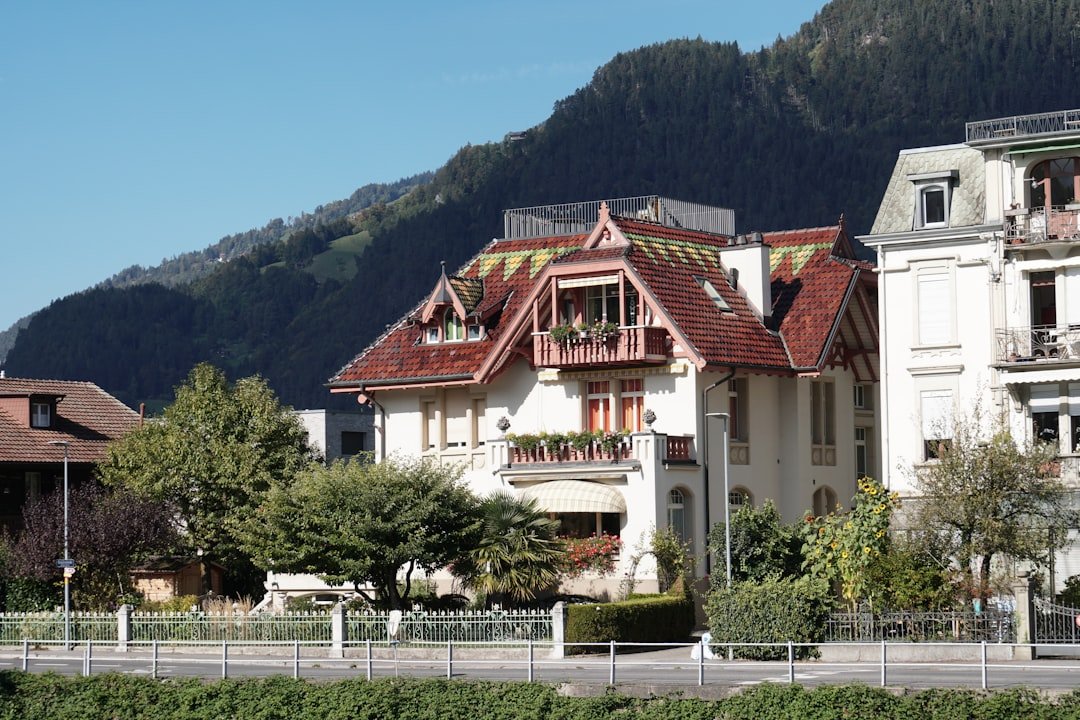
Finding vegan food in Switzerland is much easier in major cities than the country’s cheese-heavy reputation might suggest. Zurich, Geneva, Bern, and Basel have dedicated plant-based restaurants, while supermarkets make self-catering practical almost anywhere. The main challenge is traditional food: dishes such as rösti can look vegan but may contain butter, while fondue and raclette need specifically plant-based versions.
Quick Answer
Vegan food in Switzerland is easiest to find in Zurich, Geneva, Bern, Basel, and other larger cities. Start with Hiltl or a fully plant-based restaurant, try vegan fondue or rösti cooked without butter, and use major supermarkets for clearly labelled plant-based products when travelling into smaller towns or mountain areas.
Last checked: October 1, 2026. Dates and figures were verified against official sources.
Key Takeaways
- Swissveg’s 2025 survey found that 5.0% of respondents nationwide identified as vegetarian or vegan, while almost one quarter said they consciously reduced meat consumption.
- Zurich has several established plant-based restaurants, including Hiltl and fully vegan fine-dining options.
- Rösti is not automatically vegan because traditional recipes often use butter or clarified butter; ask how it is cooked.
- Vegan fondue, raclette alternatives, Swiss-made cheese substitutes, and vegan chocolate are available in Switzerland.
- For smaller towns and mountain trips, supermarket food and advance restaurant research give you a dependable backup.
The scale of veganism is smaller than the original article suggested. A Swissveg analysis of the 2025 MACH Consumer survey reported that 5.0% of respondents were vegetarian or vegan. Vegan shares varied by language region, at 0.6% in German-speaking Switzerland, 0.4% in French-speaking Switzerland, and 0.3% in Ticino.
Plant-based eating also has a place in public nutrition policy. The federal Swiss Nutrition Strategy 2025–2032 includes strengthening plant-based nutrition among its six stated goals.
Top Vegan-Friendly Restaurants in Switzerland
Switzerland has everything from casual vegan meals to plant-based fine dining. Zurich has the deepest choice, but Bern, Geneva, Basel, Lucerne, and other cities also have restaurants where you can order without having to redesign a meat-and-dairy dish.
Hiltl in Zurich
Hiltl is the historic starting point for many visitors. According to Hiltl’s official history, the restaurant was founded in 1898 and has officially held the Guinness World Records title of the world’s oldest vegetarian restaurant since 2012.
Hiltl is vegetarian rather than exclusively vegan, so check the labels on individual dishes. Its buffets and menus regularly include numerous vegan choices, making it useful for mixed groups of vegans and vegetarians.
Plant-Based Dining in Zurich and Bern
For a fully plant-based meal, Zurich has restaurants such as KLE, whose menu centers on local produce and plant-based cooking. Bern is also easy for travellers because vegetarian restaurant group Tibits serves buffets with clearly identifiable vegan dishes.
Switzerland Tourism’s vegetarian and vegan restaurant guide is a useful starting point for current options around the country.
What to Check at a Mixed Restaurant
A vegetarian symbol does not automatically mean a dish is vegan. Ask about butter, cream, cheese, eggs, honey, and meat-based stock, especially with soups, sauces, pastries, and traditional potato dishes.
Traditional Swiss Dishes with a Vegan Twist
Swiss comfort food can work well as vegan food, but traditional recipes often rely on dairy. The safest approach is to look for a dish that is explicitly labelled vegan rather than assuming that a vegetable or potato dish contains no animal ingredients.
Vegan Fondue
Traditional Swiss fondue is made with cheese, so it is not vegan. Plant-based versions use ingredients such as cashews, vegetable fats, starches, or other dairy-free bases to create a creamy mixture for dipping bread and vegetables.
Swiss producer Vegusto makes vegan fondue and raclette alternatives in Switzerland, along with its No-Moo range of dairy-free cheese alternatives. This makes fondue one of the easiest iconic Swiss dishes to recreate without dairy.
Rösti
Rösti is made mainly from grated potatoes, but traditional versions are often fried in butter or clarified butter. A plain-looking rösti therefore should not be assumed to be vegan.
Ask whether it can be cooked with vegetable oil and served without cheese, egg, cream sauce, or meat toppings. Mushrooms, spinach, onions, and other vegetables can make it a satisfying plant-based meal while keeping the basic character of the dish.
Other Swiss Foods to Check Carefully
- Birchermüesli: traditional versions commonly contain dairy, so choose one specifically made with plant milk or plant-based yoghurt.
- Raclette: standard raclette is dairy cheese, but vegan melting alternatives are available.
- Soups: vegetable soups may contain cream, butter, or meat stock.
- Bread and pastries: plain bread may be vegan, but enriched breads and pastries can contain butter, milk, or eggs.
- Dark chocolate: many varieties are dairy-free, but always read the ingredient and allergen information rather than judging by cocoa percentage alone.
Where to Find Vegan Cheese and Chocolate in Switzerland
Vegan cheese and chocolate are widely available in Swiss cities and larger supermarkets. Selection varies by branch, so labels are more reliable than assuming every location carries the same range.
| Store Name | Location | Vegan Cheese Options | Vegan Chocolate Options |
|---|---|---|---|
| Vegusto | Thurgau and online | No-Moo blocks, spreads, raclette and fondue alternatives | Not its main product category |
| Migros | Across Switzerland | Plant-based products, including V-Love items; range varies by store | V-Love and other clearly labelled vegan chocolate products |
| Coop | Across Switzerland | Plant-based cheese alternatives and vegan brands; selection varies | Dark and specifically labelled vegan chocolate products |
For Swiss-made cheese alternatives, Vegusto is especially useful because its range includes block-style products as well as fondue and raclette alternatives. Larger Coop and Migros branches are more convenient for travellers who need plant milk, yoghurt alternatives, tofu, ready meals, snacks, and other basics.
Chocolate is straightforward once you read the label. Lindt Switzerland maintains a vegan product category, including several dark chocolate bars. Other brands and supermarket ranges also carry vegan chocolate, but recipes can change, so check each package.
Exploring Local Markets for Fresh Vegan Produce
Fresh-food markets are useful for fruit, vegetables, bread, nuts, and other simple ingredients. They are particularly handy if you have accommodation with a kitchen or want picnic food for a train journey or hike.
In Zurich, the city’s official food-market schedule lists markets at locations including the Stadthausanlage near Bürkliplatz, Helvetiaplatz, Oerlikon, and other neighbourhoods. The Stadthausanlage, Helvetiaplatz, and Milchbuck markets operate on Tuesdays and Fridays, while Oerlikon runs on Wednesdays and Saturdays.
Geneva’s Plaine de Plainpalais hosts its food market on Tuesdays, Fridays, and Sundays. Do not confuse it with the well-known flea market, which uses the square on different days.
Market produce itself is easy to identify, but prepared foods still need the same checks as restaurant meals. Sauces, pastries, baked goods, and ready-made dishes can contain dairy, eggs, honey, or animal-based stock.
Vegan-Friendly Accommodations and Hotels in Switzerland
Vegan-Friendly Hotels
Hotel dining has improved for plant-based travellers, but the word “breakfast” alone does not guarantee a complete vegan spread. Before booking, look for explicit references to plant milk, vegan spreads, vegan hot dishes, or a vegan breakfast rather than relying on a generic “vegetarian options” label.
Baur au Lac in Zurich serves breakfast daily and has also published dedicated vegan menus for some seasonal dining concepts. However, its standard breakfast is a mixed buffet and à la carte service, so vegan guests should still identify suitable dishes rather than assume the entire breakfast offering is plant-based.
Eco-Friendly Lodges
Hotel Kloster Dornach remains a useful example of an accommodation with plant-based dining available. Its current restaurant information and menus include vegan dishes alongside meat and vegetarian choices.
For any hotel, tell the property that you are vegan rather than simply vegetarian. That distinction helps staff account for eggs, dairy, and honey as well as meat and fish.
Exploring Switzerland with Ease
Self-catering can remove much of the uncertainty on multi-day trips. A room or apartment with a refrigerator lets you keep plant milk, spreads, fruit, bread, hummus, tofu, and supermarket meals available for early departures or rural excursions.
Vegan Food Festivals and Events in Switzerland
Switzerland has hosted vegan fairs, food festivals, brunches, workshops, and plant-based lifestyle events, especially around Zurich. Event schedules are less predictable than restaurant opening hours, so an event that ran annually in the past should not automatically be treated as confirmed for your travel year.
VeggieWorld Zürich has been one of the country’s better-known vegan lifestyle fairs, with food products, cooking demonstrations, talks, and exhibitors. Zurich has also hosted dedicated vegan food festivals with street food, products, and entertainment.
If an event is central to your trip, confirm the actual edition and date before booking transport or accommodation. This is especially important because festival calendars can skip years, change venues, or publish dates relatively close to the event.
The Best Vegan-Friendly Cities to Visit in Switzerland
Zurich is the most straightforward base if food is a major part of your trip, while Geneva, Bern, Basel, Lausanne, Lucerne, and other larger centres also have useful plant-based choices. Your best city depends on the rest of your itinerary rather than vegan dining alone.
Zurich
Zurich combines dedicated vegan restaurants, vegetarian institutions such as Hiltl, supermarkets, markets, and higher-end plant-based dining. It is also a convenient transport hub, so you can stock up before travelling into the Alps or smaller towns.
Geneva
Geneva has vegan and vegan-friendly cafés and restaurants as well as Middle Eastern, Ethiopian, Indian, and other cuisines where naturally plant-based dishes are common. Plainpalais is also useful for combining food shopping with sightseeing.
Bern and Basel
Bern has established vegetarian and vegan buffet dining plus a strong central restaurant scene. Basel also offers plant-based cafés and international food, while its compact centre makes it easy to compare several menus on foot.
Lucerne, Lausanne, and Ticino
These destinations have fewer dedicated vegan restaurants than Zurich, but you can still build a varied trip by combining dedicated restaurants, international cuisines, supermarket meals, and simple vegetable-based dishes. In smaller mountain communities, having a backup meal becomes more useful.
Tips for Eating Vegan While Traveling in Switzerland
A little preparation prevents most problems. The biggest source of mistakes is assuming that a meat-free dish is automatically vegan.
- Use “vegan,” not just “vegetarian.” Vegetarian dishes in Switzerland commonly contain cheese, milk, butter, cream, or eggs.
- Ask about rösti cooking fat. Butter and clarified butter are common, even when the menu lists only potatoes.
- Check soups and sauces. Cream, butter, cheese, and animal-based stock may not be obvious from the dish name.
- Use supermarket labels. Vegan labelling is usually clearer than trying to interpret every ingredient in an unfamiliar language.
- Carry a backup snack. Nuts, fruit, bars, bread, and spreads are useful on long train journeys and mountain days.
Useful phrases include “Ist das vegan?” in German, “Est-ce que c’est végane?” in French, and “È vegano?” in Italian. If the answer is unclear, ask specifically about milk, butter, cheese, egg, and honey.
Switzerland’s food-labelling rules distinguish vegan from vegetarian foods. A product described as vegan should contain no animal-origin ingredients or processing agents, which makes clearly labelled packaged food especially useful for travellers.
Vegan-Friendly Activities and Attractions in Switzerland
You do not need to structure a Swiss trip around restaurants. Many of the country’s best experiences pair naturally with simple vegan meals from markets, supermarkets, or cafés.
For hiking, bring a packed lunch so a mountain restaurant is a bonus rather than your only option. Bread, fruit, nuts, hummus, vegetable spreads, and ready-to-eat supermarket foods are easy to carry on trains and trails.
City travellers can combine food stops with museums, old towns, lakeside walks, and produce markets. In Zurich, a market visit can fit naturally into a walk around the lakefront and central shopping district. Geneva’s Plainpalais area works well with museums, cafés, and the surrounding neighbourhood.
Cooking classes are another way to make the food part of the trip. Vegetarian institutions such as Hiltl operate cooking programs, and plant-based classes can help you recreate Swiss-inspired dishes after you return home.
Resources for Finding Vegan Food in Switzerland
Use several tools rather than relying on one restaurant directory. HappyCow is useful for locating dedicated vegan restaurants and reading recent diner updates, while official city and national tourism sites are better for addresses, current tourism listings, and local market information.
- HappyCow: useful for dedicated vegan, vegetarian, and vegan-friendly restaurant listings.
- Switzerland Tourism: useful for curated restaurant and accommodation listings.
- Zurich and Geneva tourism sites: useful for local restaurants, markets, attractions, and opening information.
- Swissveg and the V-Label: useful for Swiss vegan products, labelling, events, and plant-based consumer information.
- Restaurant menus: the final check for whether a particular dish is currently vegan.
The most reliable travel strategy is simple: choose one or two restaurants you genuinely want to visit, identify nearby supermarket options, and keep a portable backup meal for rural days. That gives you flexibility without making food planning dominate your trip.
If you’re also collecting recipes from the site, the existing homemade cottage cheese recipe may interest non-vegan readers. Cottage cheese is a dairy product, however, so that recipe is not suitable for a vegan diet; use a plant-based cheese alternative instead when preparing a vegan meal.
Frequently Asked Questions
What is vegan food?
Vegan food contains no animal-derived ingredients such as meat, fish, dairy, eggs, or honey. A vegan diet is based on foods such as vegetables, fruit, grains, potatoes, pulses, nuts, seeds, tofu, and other plant-based products, along with suitable dairy and meat alternatives.
What are some popular vegan dishes in Switzerland?
Popular choices include vegan fondue, plant-based raclette alternatives, and rösti prepared without butter or animal toppings. International restaurants also make vegan meals easy to find. Always confirm the cooking fat and sauces because a vegetable-based Swiss dish may still contain butter, cream, cheese, or stock.
Are there vegan options available at restaurants in Switzerland?
Yes, vegan options are widely available in larger Swiss cities, and some restaurants are fully plant-based. Zurich has the broadest selection, while Geneva, Bern, Basel, Lausanne, and Lucerne also offer useful choices. Smaller towns may have fewer dedicated options, so supermarket food can be a practical backup.
Where can I find vegan food in Switzerland?
You can find vegan food at dedicated restaurants, vegetarian restaurants with labelled vegan dishes, supermarkets, health-food retailers, markets, and many international restaurants. Coop and Migros are particularly useful for travellers because larger branches carry plant-based products that can cover breakfast, snacks, picnic lunches, and simple dinners.
Is it easy to maintain a vegan diet while traveling in Switzerland?
Yes, it is generally manageable, especially in major cities. The main challenge is traditional restaurant food that contains hidden dairy or animal-based cooking fats. Plan important meals ahead, use clearly labelled supermarket products, and carry a simple snack or packed meal when visiting rural areas or mountain destinations.
Is Swiss rösti vegan?
Rösti can be vegan, but traditional rösti is often cooked in butter or clarified butter. Ask what cooking fat the kitchen uses and request vegetable oil when possible. Also check the toppings, because cheese, cream sauces, eggs, bacon, and other animal products are commonly served with rösti.
How do I ask if food is vegan in Switzerland?
In German, ask “Ist das vegan?”; in French, “Est-ce que c’est végane?”; and in Italian, “È vegano?” If the answer is uncertain, ask separately about milk, butter, cheese, eggs, honey, and meat stock. These specific questions are especially useful with traditional Swiss dishes.
Sources
- Swissveg 2025 analysis: Swiss vegetarian, vegan, and flexitarian survey figures.
- Federal Food Safety and Veterinary Office: Swiss Nutrition Strategy 2025–2032 and its plant-based nutrition goal.
- Hiltl: founding history and Guinness World Records status.
- Switzerland Tourism: vegetarian and vegan restaurant examples in Switzerland.
- Vegusto: Swiss-made vegan cheese, fondue, and raclette alternatives.
- Lindt Switzerland: current vegan chocolate category.
- City of Zurich: official food-market locations and schedules.
- Geneva Tourism: Plainpalais food-market days.
- Baur au Lac: current breakfast and dining information.
- Kloster Dornach: current restaurant information and vegan dining availability.