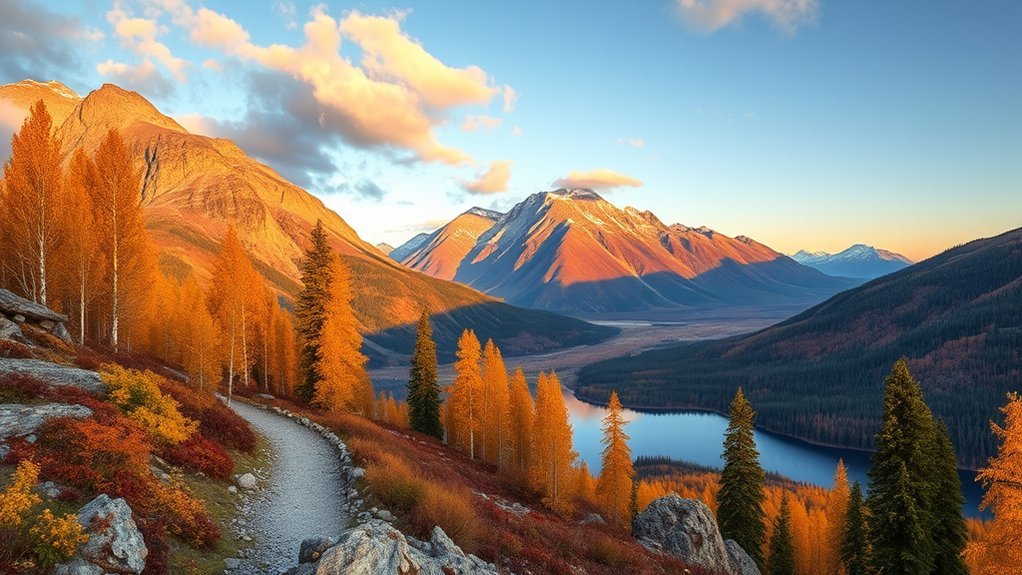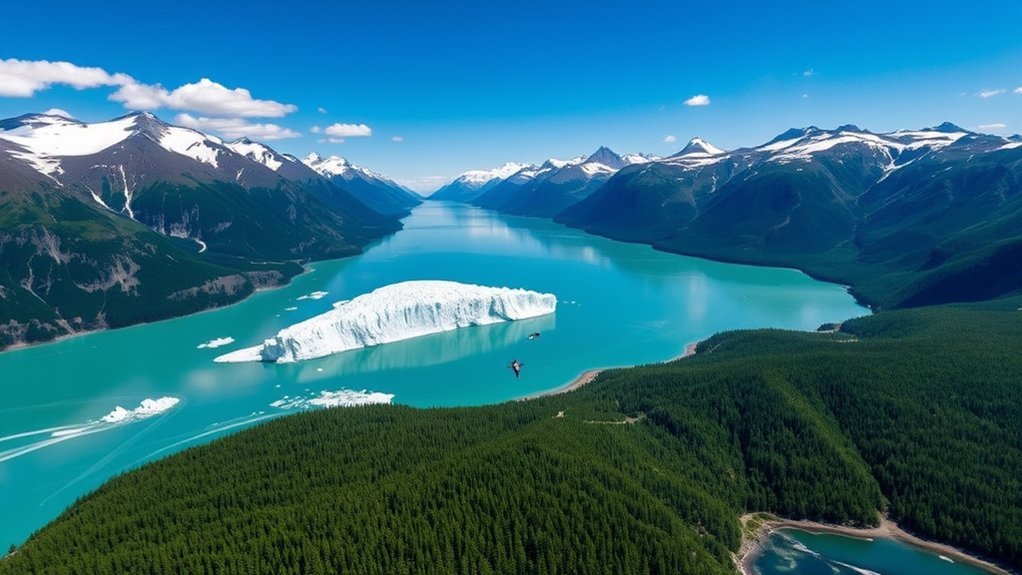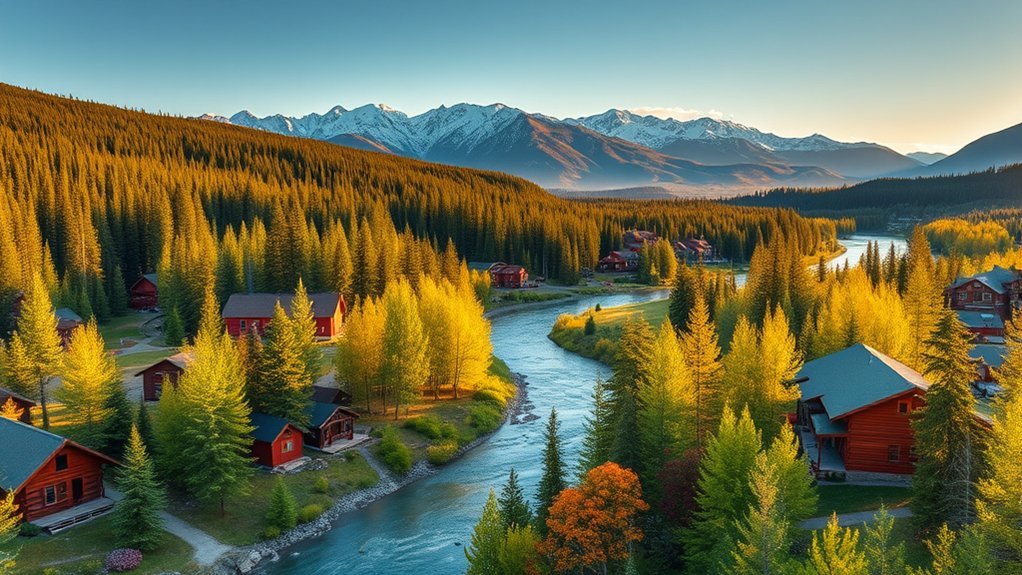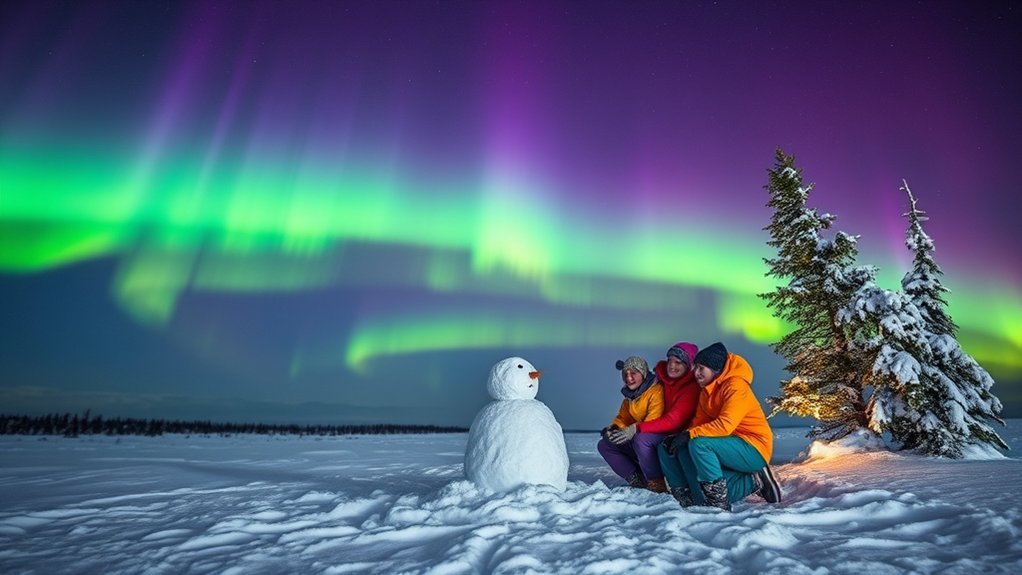
Winter in Alaska can mean long aurora-viewing nights, deep snow, skiing, dog sledding, ice art, hot springs, and quieter destinations than you’ll find during the summer rush. It also demands more planning. Temperatures and daylight vary dramatically by region, some attractions run on reduced schedules, and road or trail conditions can change quickly. Choosing the right base, building in weather flexibility, and packing for your specific destination will make the trip much easier.
Quick Answer
Alaska is worth visiting in winter if you want Northern Lights viewing, snow sports, dog sledding, winter festivals, and quieter scenery. Fairbanks is a strong aurora base, while Anchorage and Girdwood offer easier access to city attractions and skiing. Plan for short daylight, regional temperature differences, icy roads, and weather-related schedule changes.
Key Takeaways
- For Northern Lights viewing, Alaska’s main aurora season runs from roughly late August through April, with long winter nights providing many viewing hours.
- Fairbanks is one of the easiest bases for combining aurora tours, dog sledding, ice activities, and winter lodging.
- Anchorage and nearby Girdwood work well for travelers who want restaurants, museums, downhill skiing, and easier transportation options.
- Denali remains open in winter, but road access, lodging, transportation, and visitor services are much more limited than in summer.
- Check weather, Alaska 511, avalanche forecasts, attraction schedules, and tour availability immediately before each travel day.
Experience the Northern Lights: Best Viewing Locations
For many winter visitors, the Northern Lights are the main reason to come to Alaska. The official Travel Alaska guidance places the primary aurora season at about August 21 through April 21. Aurora activity can occur at other times, but you need a dark, reasonably clear sky to see it.
Fairbanks is a practical base because it sits beneath the auroral oval and has numerous viewing tours and accommodations designed around late-night aurora watching. Instead of planning only one night, give yourself several opportunities. Clouds can block an active display, and aurora intensity changes from night to night.
Chena Lake Recreation Area, near North Pole, is a recognized winter aurora-viewing location with open sky away from central Fairbanks. Farther north, Coldfoot and nearby Wiseman offer darker Arctic surroundings, but reaching them requires far more planning than a normal Fairbanks outing. Guided transportation is often the simpler winter option.
Chena Hot Springs Resort can combine an aurora trip with hot springs and the Aurora Ice Museum. The ice museum is an indoor ice attraction, however, not the actual Northern Lights viewing site. The resort operates separate outdoor aurora-viewing experiences.
Pro Tip: Check the University of Alaska Fairbanks Geophysical Institute Aurora Forecast along with the local cloud forecast. A strong aurora forecast does not help if thick clouds cover your viewing location.
Best Time to Visit Alaska in Winter
The best winter month depends on what you want to do. December and January bring some of the longest nights, which can help aurora watchers, but they also bring the shortest daylight and potentially severe cold in the Interior. February still offers long nights while daylight begins increasing noticeably. March is popular for winter recreation because days are longer, snow is usually well established in many areas, and major winter events take place.
Alaska does not have one useful statewide winter temperature. Conditions differ sharply between coastal Southcentral Alaska, the Southeast Panhandle, the Interior, and the Arctic. For example, Travel Alaska lists typical December ranges of roughly 11°F to 24°F in Anchorage, -13°F to 3°F in Fairbanks, and 25°F to 36°F in Juneau. Check the forecast for your exact destination rather than packing for a generic “Alaska temperature.”
Winter in Alaska is not one climate: a relatively mild day in Juneau can occur at the same time Fairbanks is experiencing deep subzero cold.
Top Winter Activities: Snow Sports and More
Snow turns much of Alaska into a winter-recreation destination. Depending on where you stay, you can choose lift-served skiing, cross-country trails, dog sledding, snowshoeing, fat biking, ice fishing, snowmachining, or a combination of several activities.
Skiing and Snowboarding Adventures
Alaska offers both managed ski areas and serious backcountry terrain, and the two should not be treated the same. If you want lifts, patrol services, lessons, rentals, and marked terrain, use an established ski area.
- Alyeska Resort: Girdwood’s major lift-served ski destination, with terrain for different ability levels and easy access from the Anchorage area.
- Hilltop Ski Area: A smaller Anchorage ski area with lessons, rentals, and a family-focused setup that works well for beginners.
- Eaglecrest Ski Area: Juneau’s community-owned ski area, offering lift-served mountain terrain and access to coastal Alaska skiing.
- Turnagain Pass: A popular backcountry zone rather than a lift-served resort. It is appropriate only for travelers who understand avalanche terrain or who go with a qualified guide.
- Hatcher Pass: Another scenic backcountry recreation area where avalanche conditions and winter access need to be checked before heading out.
Warning: Turnagain Pass and Hatcher Pass include avalanche terrain. Before any backcountry ski, snowboard, snowmachine, or snowshoe trip, check the current Chugach Avalanche Center forecast, carry appropriate rescue equipment, and do not substitute a forecast for avalanche education and route-planning skills.
Dog Sledding Experiences
Dog sledding is one of Alaska’s signature winter experiences. Guided tours are available around Fairbanks, the Interior, Southcentral Alaska, and several winter lodges. Depending on the operator and tour, you might ride in the sled, learn how a dog team is handled, meet working sled dogs, and hear how modern mushing connects with transportation history and Alaska’s sled-dog culture.
Choose a tour based on duration, physical requirements, transfer distance, minimum age, and expected weather. A short kennel-and-sled experience can suit first-time visitors, while longer tours may spend hours on exposed winter trails.
Other Winter Activities
If downhill skiing or dog sledding is not your priority, there are still plenty of ways to experience Alaska’s snow season:
- Snowshoeing: An accessible way to explore packed or snowy trails around many communities and parks.
- Cross-country skiing: Groomed Nordic trail systems are available around Anchorage, Fairbanks, Juneau, and other communities.
- Fat biking: Wide-tire bikes work well on packed winter trails where riding is permitted.
- Ice fishing: Guided trips can simplify equipment, local access, and ice-safety decisions.
- Hot springs: Chena Hot Springs is a popular Fairbanks-area option for combining outdoor cold with a warm soak.
- Snowmachining: Guided snowmobile trips provide access to winter landscapes without requiring backcountry navigation on your own.
Cozy Accommodations: Where to Stay in Alaska
The best winter lodging depends on whether you value city convenience, skiing, remote scenery, or the ability to watch for the aurora without driving late at night. Winter availability can be much more limited than summer availability, especially outside Anchorage and Fairbanks.
Unique Lodging Options
Alaska has several lodging styles that feel especially suited to winter:
- Log cabins: Cabins around Fairbanks and other communities can provide a traditional winter setting, but verify road access, plumbing, heating, and how far you will be from restaurants or stores.
- Aurora-viewing domes: Properties such as Borealis Basecamp use modern heated “igloos” or cubes with transparent viewing sections. These are not rooms built from snow or ice.
- Bed-and-breakfasts: Smaller properties can be useful for travelers who prefer local hosts and a quieter base.
- Yurts: Heated yurts are available in some areas, but comfort and facilities vary, so check whether bathrooms and water are inside the unit.
- Remote lodges: These can combine lodging with guided winter activities, although transfers may depend on aircraft, snow vehicles, or weather.
Best Winter Resorts
Alyeska Resort in Girdwood is one of the easiest choices if downhill skiing is central to your trip. It combines lodging, dining, mountain access, and other winter activities in one destination.
Chena Hot Springs Resort works well for travelers focused on Fairbanks-area winter activities. You can combine lodging with hot springs, the Aurora Ice Museum, and separate aurora-viewing excursions.
Winterlake Lodge is a remote wilderness property associated with Alaska’s historic Iditarod Trail area. Its operating seasons and access arrangements have changed over time, so do not assume it functions like a year-round roadside resort. Confirm current winter opening dates and transportation before making it a core part of your itinerary.
For an aurora-centered splurge, Borealis Basecamp north of Fairbanks is another distinctive choice. Its current winter packages combine transparent-domed lodging with on-site activities and transportation options.
Essential Packing Tips for Your Winter Trip
Pack for your exact destination and activities rather than relying on one statewide Alaska packing list. A Fairbanks aurora night can require much heavier insulation than a daytime outing in coastal Southeast Alaska.
- Moisture-managing base layers: Wear thermal tops and bottoms that move sweat away from your skin.
- Insulating mid-layers: Fleece or insulated layers let you adjust as temperatures and activity levels change.
- Weather-resistant outer layer: A warm parka and wind-resistant shell help protect against snow and cold wind.
- Insulated waterproof boots: Leave enough room for warm socks without compressing your feet.
- Warm accessories: Bring insulated gloves or mittens, a hat, neck protection, and spare dry gloves.
- Traction aids: Removable ice cleats can be useful on icy sidewalks and packed paths where they are permitted.
- Sunglasses: Snow glare can be strong during daylight.
- Headlamp: Short winter days make portable lighting useful even for simple outdoor plans.
- Spare batteries or power bank: Cold can reduce battery performance in phones and cameras.
- Hand and toe warmers: Helpful during long periods of standing still for aurora viewing.
Note: Aurora watching is often colder than an active daytime excursion because you may stand outdoors for long periods. Pack an extra insulating layer for viewing nights.
Getting Around Alaska in Winter
Winter transportation deserves as much planning as your activities. Anchorage and Fairbanks are the two most convenient air hubs for many winter trips, and flying between them can save time when weather and road conditions make driving unattractive.
The Alaska Railroad Aurora Winter Train provides seasonal service between Anchorage and Fairbanks, with stops that can include Wasilla, Talkeetna, Healy, Nenana, and other points depending on the schedule. Winter service is less frequent than summer service, so build your itinerary around the published timetable rather than assuming daily trains.
If you rent a car, confirm that the rental agreement allows every road you plan to use. Some remote roads, particularly the Dalton Highway, may be prohibited by rental companies. Remote winter routes can have long gaps between fuel, food, cell service, and emergency assistance.
Before driving, check Alaska 511 for road conditions and alerts. Alaska DOT recommends preparing the vehicle for winter, reducing speed for conditions, allowing extra stopping distance, watching for snow-removal equipment, and carrying emergency supplies such as blankets, food, a shovel, and other provisions.
Warning: Some Alaska highways receive limited or no winter maintenance, and cell coverage can be sparse outside major communities. Never assume that a road shown on a map is routinely maintained or that roadside help will be close.
Local Cuisine: Must-Try Winter Dishes
A cold day makes hearty food especially appealing, and Alaska restaurants often feature seafood, soups, baked goods, game-inspired dishes, and local beer. Menus vary widely by town and season, so treat these as foods to watch for rather than dishes every restaurant will serve.
- Seafood or clam chowder: A warming option found at many coastal and seafood-focused restaurants.
- Salmon chowder: Often prepared as a creamy soup with salmon, potatoes, vegetables, and herbs.
- Reindeer sausage: A familiar Alaska menu item at breakfast spots, food stands, and casual restaurants.
- Wild-berry desserts: Blueberry pies, cobblers, jams, and other berry desserts appear on many Alaska menus.
- Local coffee and beer: Alaska has an active coffee and craft-brewing culture, making either an easy way to warm up after an outdoor excursion.
Unique Wildlife Encounters in Winter
Wildlife does not disappear in winter, but sightings are never guaranteed and some animals are much harder to see than in summer. In Denali, the National Park Service notes that winter wildlife viewing is generally less common, although animals such as moose, caribou, wolves, foxes, coyotes, and resident birds remain active.
Depending on your region and luck, you might also encounter lynx tracks or a rare lynx sighting, bald eagles, or otters near suitable open water. The safest approach is to treat wildlife as an unexpected bonus rather than build an itinerary around close encounters.
Moose deserve particular caution. Winter is already energetically stressful for them, and an animal can become defensive if people or dogs crowd it. Never try to force a moose off a trail or road. Give it space and change your route when necessary.
Follow local rules wherever you are. In Denali, visitors are instructed to remain at least 300 yards from bears and at least 25 yards from other wildlife. Never feed animals or approach them for a photograph.
Planning Your Itinerary: Must-See Attractions
A good winter itinerary uses only a few bases and leaves room for weather changes. Trying to cover Anchorage, Girdwood, Denali, Fairbanks, and the Arctic in a few days creates unnecessary driving and missed activities.
Sample 5- to 7-Day Alaska Winter Itinerary
- Day 1 – Anchorage: Arrive, adjust to winter conditions, explore downtown, museums, local restaurants, or an easy urban winter trail.
- Day 2 – Girdwood: Spend the day at Alyeska for skiing, sightseeing, dining, or another winter activity, then return to Anchorage or stay in Girdwood.
- Day 3 – Travel north: Fly to Fairbanks or use the Alaska Railroad if its seasonal schedule works with your dates.
- Day 4 – Fairbanks: Explore local winter attractions during the day and reserve the evening for aurora viewing.
- Day 5 – Chena or dog sledding: Visit Chena Hot Springs, go dog sledding, try ice fishing, or combine daytime activities with another aurora night.
- Day 6 – Flexible day: Use this as a weather buffer, another aurora attempt, or a guided trip toward the Arctic Circle or Coldfoot.
- Day 7 – Departure: Keep the final day light on commitments in case weather affects transportation.
Visiting Denali in Winter
Denali National Park can be rewarding in winter, but it is a very different experience from a summer Denali trip. Much of the Park Road is closed to vehicles, summer buses do not operate, and many nearby hotels close for the season. For much of winter, vehicle access is generally limited to the park entrance area and roughly the first three miles of road. Access can expand later in winter and spring as plowing progresses.
Winter visitors can still snowshoe, ski, walk, bike, visit the winter visitor center when open, and enjoy the quiet front-country landscape. Check the National Park Service winter information and current conditions before making the drive.
Winter Festivals and Events
Late February and March can be especially lively. For the upcoming 2026–27 winter season, Anchorage’s Fur Rendezvous is currently scheduled for February 25 through March 7, 2027. In Fairbanks, the World Ice Art Championships are currently listed for February 15 through March 31, 2027. Event dates and individual activities can change, so verify the official schedules before purchasing nonrefundable travel.
Safety Tips for Winter Travel in Alaska
Winter in Alaska can be perfectly manageable with preparation, but cold, darkness, ice, limited communications, changing weather, and remote distances leave less room for improvisation.
- Dress in adjustable layers: Avoid becoming sweaty during activity, then chilled when you stop.
- Stay hydrated and eat regularly: Cold weather can make thirst less obvious even while you are active.
- Check forecasts and routes: Review weather, Alaska 511, attraction alerts, trail conditions, and transportation schedules before leaving.
- Carry emergency supplies in the car: Alaska DOT recommends provisions such as blankets, food, flares and a shovel in case you become stranded.
- Allow more stopping distance: Snow and ice make braking less predictable than dry pavement.
- Respect avalanche terrain: Check the regional avalanche forecast and avoid backcountry routes beyond your training and equipment.
- Protect your phone battery: Keep electronics warm and carry backup power, but do not rely on cellular service in remote areas.
- Tell someone your plan: For remote outdoor activities, share your route and expected return time.
- Give wildlife space: Never approach, feed, or pressure a moose or other animal to move.
Frequently Asked Questions
What are the average winter temperatures in Alaska?
There is no useful single statewide average because Alaska covers several climate regions. As a December comparison, Anchorage commonly falls around 11°F to 24°F, Fairbanks around -13°F to 3°F, and Juneau around 25°F to 36°F. Short cold snaps can be much colder, especially in Interior and Arctic Alaska, so always check the destination-specific forecast.
How long is the daylight in Alaska during winter?
It depends heavily on latitude and date. Around the December solstice, Anchorage gets roughly five and a half hours of daylight and Fairbanks gets less than four hours. Farther north, communities above the Arctic Circle can experience periods when the sun does not rise at all. Daylight increases quickly as winter moves toward March.
Are there local winter festivals or events?
Yes. For the 2026–27 winter season, Anchorage’s Fur Rendezvous is currently scheduled for February 25 through March 7, 2027. Fairbanks’ World Ice Art Championships are currently listed for February 15 through March 31, 2027. Verify official event calendars before booking because schedules can change.
What is the best time for the Northern Lights in Alaska?
Travel Alaska identifies roughly August 21 through April 21 as aurora season. Winter provides especially long dark nights, and Fairbanks is a popular base because of its location beneath the auroral oval. Aurora can appear at different hours, although roughly 10 p.m. to 2 a.m. is a commonly recommended viewing window. Stay several nights to improve your chances of getting both aurora activity and clear skies.
Can I drive to Alaska in winter?
Yes, but winter driving requires a properly prepared vehicle, emergency supplies, flexible timing, and frequent road-condition checks. Snow, ice, blowing snow, limited daylight, wildlife, and long gaps in services can all affect the trip. Check Alaska 511 once you are on Alaska’s road system and review road and weather information for Canada if your route crosses Canadian territory.
Do I need a 4WD vehicle in Alaska during winter?
Four-wheel or all-wheel drive can help in some conditions, but it does not prevent sliding or shorten braking distance on ice. Good winter tires, appropriate speed, extra stopping distance, and current road information matter greatly. Ask your rental company what tires and equipment are fitted and whether your planned roads are permitted under the rental agreement.
Is Denali National Park worth visiting in winter?
It can be, especially if you value quiet scenery, skiing, snowshoeing, biking, or a less crowded park experience. However, winter road access and visitor services are far more limited than in summer, and most summer transportation does not operate. Check current National Park Service conditions before making Denali a fixed part of your itinerary.
Sources
- Travel Alaska — Northern Lights Viewing Tips — aurora season, viewing regions, timing, and multi-night planning.
- University of Alaska Fairbanks Geophysical Institute — Aurora Forecast — current aurora activity forecasts.
- National Park Service — Denali Winter Activities — winter park access and recreation guidance.
- Alaska 511 — current Alaska highway conditions, alerts, and winter-road information.
- Alaska Department of Transportation — Winter Driving Tips — vehicle preparation, emergency supplies, snowplow safety, and winter-driving precautions.
- Chugach Avalanche Center — avalanche forecasts and observations for Turnagain Pass, Hatcher Pass, and other Southcentral Alaska backcountry zones.