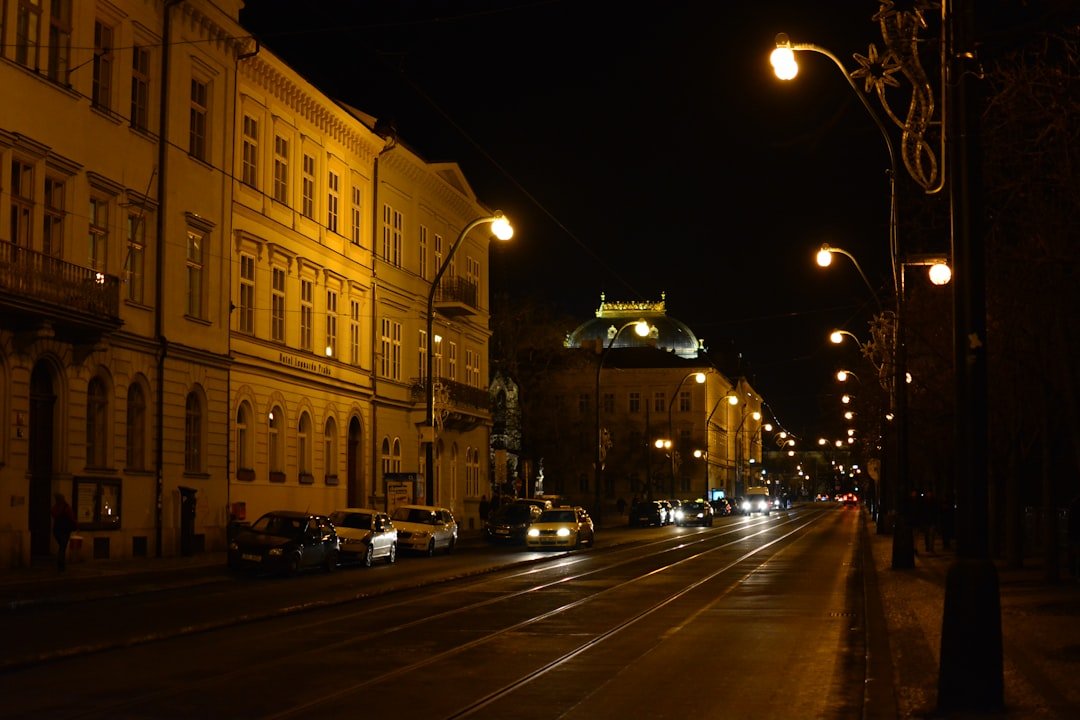
Cihangir is one of the most enjoyable neighborhoods to explore on foot in central Istanbul. Set on the hills of Beyoğlu between Taksim and the Bosphorus-side districts of Tophane and Fındıklı, it combines residential streets, cafés, historic buildings, literary connections, small green spaces, and easy access to the antique shops of neighboring Çukurcuma. A good Cihangir walking tour is less about rushing between monuments and more about following the neighborhood downhill while stopping at places that genuinely belong on the route.
Quick Answer
For a practical Cihangir walking tour, start near Taksim, wander downhill through Firuzağa and Cihangir, visit Cihangir Mosque and the Orhan Kemal Museum, continue into Çukurcuma for antiques and the Museum of Innocence, then finish toward Tophane or Fındıklı. Allow about two to four hours, longer with museum stops.
Key Takeaways
- Start near Taksim if you prefer a route that generally works downhill toward Cihangir, Çukurcuma, Tophane, or Fındıklı.
- Cihangir Mosque, the Orhan Kemal Museum, neighborhood streets, and nearby Çukurcuma make the strongest core walking route.
- Allow roughly two to four hours for a relaxed walk; add more time if you enter museums, browse antique shops, or stop for a full meal.
- Cihangir is hilly, with steep slopes and some uneven paving, so comfortable walking shoes are important.
- Istanbul Modern, Galata Tower, Mikla, and Çiya Sofrası are worthwhile Istanbul destinations, but they should not be presented as attractions or restaurants located inside Cihangir.
At a Glance
| Time Required | About 2–4 hours; longer with museum visits and meal stops |
| Difficulty | Moderate because of steep hills, stairs, and uneven streets |
| Tools Needed | Comfortable shoes, phone or map, water, and weather-appropriate clothing |
| Cost | Walking is free; museums, food, drinks, and shopping are extra |
Historical Background of Cihangir
Cihangir’s identity is closely connected to Şehzade Cihangir, a son of Sultan Süleyman the Magnificent and Hürrem Sultan. The name Cihangir is Persian in origin and is commonly translated as “conqueror of the world.” After the prince died in 1553 at the age of 22, Süleyman commissioned a mosque in his memory on the hill above the Bosphorus.
According to the TDV İslâm Ansiklopedisi, Mimar Sinan built the original Cihangir Mosque, which was completed in 1559–60. The structure seen today should not, however, be described as an untouched 16th-century Sinan building. Fires and other damage led to repeated repairs and reconstruction, and a major rebuilding process begun during Sultan Abdülaziz’s reign was completed under Sultan Abdülhamid II in 1890.
The neighborhood continued changing as Beyoğlu expanded. Ottoman-era fabric mixed with apartments and European-influenced architecture from later periods, while the area’s central location attracted writers, actors, artists, journalists, and other members of Istanbul’s cultural life. That creative reputation remains part of Cihangir’s modern identity, although it is also very much a residential neighborhood rather than an open-air tourist attraction.
Must-See Landmarks and Attractions
The most useful way to see Cihangir is to connect a handful of genuine neighborhood landmarks with nearby Çukurcuma rather than jumping between attractions scattered across Beyoğlu.
1. Begin Near Taksim and Walk Toward Firuzağa
Taksim is a convenient starting area because it is served by Istanbul’s M2 metro and the F1 funicular connection toward Kabataş. From the square, walk south into the quieter streets around Firuzağa and Cihangir. Starting at this higher elevation generally makes the rest of the route easier than beginning beside the Bosphorus and climbing uphill.
Use the official Metro Istanbul journey planner before setting out because operating details can change.
Pro Tip: If steep climbs are a concern, begin around Taksim and finish downhill toward Tophane, Fındıklı, or Kabataş. Walking the same route in reverse requires considerably more climbing.
2. Visit the Orhan Kemal Museum
For literary history, the Orhan Kemal Museum is one of the most relevant cultural stops actually located in Cihangir. It commemorates the influential 20th-century Turkish writer and displays photographs, books, personal possessions, clothing, and material connected with his working life.
The museum is on Akarsu Yokuşu, a street that also places you inside the everyday fabric of Cihangir rather than on a major tourist boulevard. Check the museum’s current visitor information before going, especially if the museum is an essential part of your itinerary.
3. Continue to Cihangir Mosque
Cihangir Mosque is the neighborhood’s key historical landmark. Its location on the hillside helps explain why this part of Istanbul became associated with views toward the Bosphorus. The mosque is still an active place of worship, so it should be approached differently from a conventional museum.
Note: When entering an active mosque, dress respectfully, remove your shoes where instructed, keep voices low, and avoid disrupting prayer. Women may be asked to cover their hair. Visiting outside the main congregational prayer period usually makes sightseeing easier.
4. Pause at the Neighborhood’s Green Spaces
Cihangir Parkı and nearby Sanatkarlar Parkı provide places to slow down between steep streets. Rather than treating them as major sightseeing attractions, think of them as neighborhood pauses where you can sit, look toward the surrounding city, and experience a quieter side of central Istanbul.
The Istanbul Metropolitan Municipality’s neighborhood planning material identifies both Cihangir Parkı and Sanatkarlar Parkı in this part of Beyoğlu, reinforcing their role as local public spaces rather than ticketed tourist attractions.
5. Walk Into Çukurcuma for Antiques
From Cihangir, continue toward neighboring Çukurcuma. This is one of Istanbul’s better-known districts for antique dealers, vintage objects, design pieces, old furniture, books, and collectible items. The pleasure comes from browsing individual shops along the streets rather than visiting a single centralized bazaar.
Do not confuse Çukurcuma with Istanbul’s Sunday antique market at Feriköy. Çukurcuma’s attraction is its concentration of permanent antique and vintage shops, whose individual opening days and hours can vary.
6. Visit the Museum of Innocence
The Museum of Innocence is in Çukurcuma and makes a natural cultural stop on a Cihangir walking tour. Created by Nobel Prize-winning novelist Orhan Pamuk in connection with his novel of the same name, the museum uses objects and display cases to evoke everyday Istanbul life and the fictional world of the book.
You do not need to have read the novel before visiting. The museum’s official visitor information places it about a ten-minute walk from Cihangir and about eight minutes from Tophane. Check its current opening days, hours, and admission information before your visit.
7. Finish Toward Tophane or Fındıklı
After Çukurcuma, you can finish downhill around Tophane, where the T1 tram provides an easy onward connection, or angle back toward Fındıklı and Kabataş. Ending close to public transport is especially useful after several hours on Cihangir’s hills.
If you still have time, the Istanbul Museum of Modern Art is a worthwhile extension on the Karaköy/Tophane waterfront. It is near Cihangir geographically but should not be described as a Cihangir attraction.
The historic Galata Tower can also be combined with a longer Beyoğlu itinerary, but it stands in Galata’s Bereketzade area rather than Cihangir. Adding it turns the walk into a broader Beyoğlu sightseeing day.
Hidden Gems and Local Favorites
Cihangir works best when you leave some time for streets that are not famous landmarks. Akarsu Yokuşu, side streets around Firuzağa, residential lanes, small bookstores, secondhand shops, bakeries, cafés, and the transition toward Çukurcuma often provide more atmosphere than a strict checklist of attractions.
The neighborhood is also known for its street cats, which have become part of the visual character of many central Istanbul districts. You will often see food and water bowls placed outside homes and businesses. Enjoy photographing them without blocking pavements or disturbing animals that are sleeping or eating.
Café recommendations require more caution than monuments because businesses and branches change. MOC, or Ministry of Coffee, has been associated with Istanbul’s specialty-coffee scene, but you should check its current address before building a Cihangir route around a specific branch.
The same applies to small contemporary galleries. Gallery tenants, names, and opening schedules can change quickly in Beyoğlu, so current listings are more reliable than assuming a venue simply described as “Cihangir Art Gallery” remains a permanent attraction.
Culinary Delights in Cihangir
Cihangir’s food scene is best approached casually. The streets around the neighborhood offer breakfast spots, bakeries, neighborhood restaurants, coffee shops, meze, desserts, and international options. Instead of crossing Istanbul for a famous restaurant in the middle of your walk, choose somewhere along your route and treat the meal as part of the neighborhood experience.
For breakfast or a morning walk, look for Turkish staples such as eggs, cheese, olives, tomatoes, bread, pastries, tea, and coffee. Later in the day, a simple lokanta-style meal, meze, grilled dishes, or a café stop can fit naturally between sightseeing stops.
Famous Restaurants That Are Not in Cihangir
Çiya Sofrası is often recommended for regional Anatolian food, but it belongs to a separate Istanbul food itinerary. Çiya’s own website places its restaurants in the Kadıköy fish-market area on the Asian side of the city. Visiting it from Cihangir therefore requires crossing to Kadıköy rather than simply walking a few streets.
Mikla is another respected restaurant sometimes grouped into broad Beyoğlu recommendations. Its official address is at The Marmara Pera on Meşrutiyet Caddesi. It can work well for a separate evening reservation after sightseeing, but it is in Pera rather than Cihangir itself. Mikla currently describes its cooking as a contemporary interpretation of Anatolian ingredients and traditions.
This geographic distinction matters when planning a walking tour: Cihangir, Çukurcuma, Pera, Galata, Karaköy, and Kadıköy may all appear in Istanbul travel guides, but they are not interchangeable neighborhoods.
Tips for a Successful Walking Tour
Wear Shoes With Good Grip
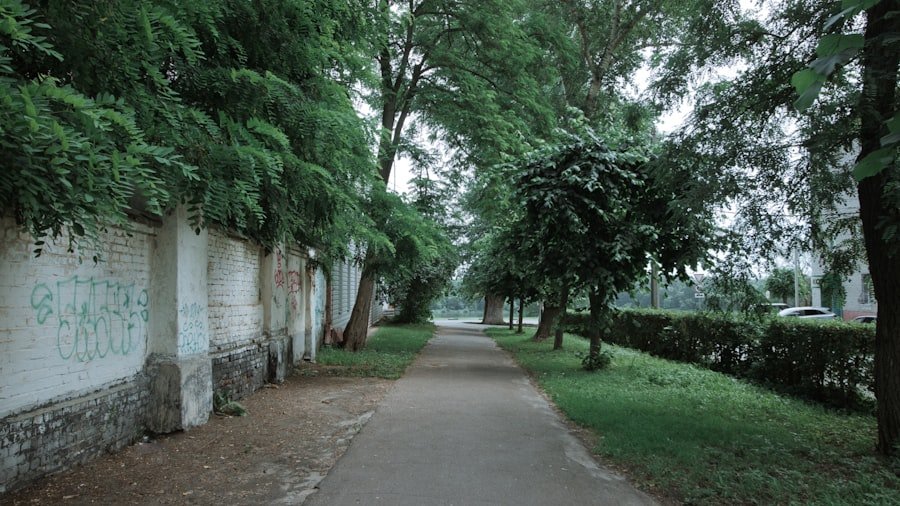
Cihangir is built on a hill. Expect steep streets, occasional stairs, uneven paving, and downhill sections that can become slippery in wet weather. Comfortable walking shoes with decent traction are more useful here than fashionable footwear with smooth soles.
Warning: The route is not consistently flat or step-free. Rain can make steep paving slippery, and summer heat can make uphill sections tiring. Slow down on descents and choose a shorter route if anyone in your group has limited mobility.
Choose Your Starting Point Carefully
For most visitors, Taksim is the easiest starting point. The M2 metro reaches Taksim, while the F1 funicular connects Taksim with Kabataş. The T1 tram serves the Bosphorus-side corridor through stops such as Tophane and Fındıklı, giving you several practical places to end or reverse the route.
Allow More Time for Museums
Two to four hours is enough for the main streets and outdoor stops at an unhurried pace. If you enter the Orhan Kemal Museum or Museum of Innocence, spend a long time browsing antiques, or stop for lunch, a half day is more realistic.
Check Opening Information on the Day
Independent shops, cafés, galleries, museums, and religious sites do not all follow the same schedule. Museum closing days, ticket prices, exhibitions, and restaurant opening hours can also change. Check official websites shortly before leaving instead of relying on an old screenshot or blog post.
Know the Accessibility Limitations
The hilly street network can be challenging for wheelchair users and people who have difficulty with stairs or steep slopes. The Museum of Innocence currently states that only its ground floor is wheelchair accessible. Visitors who need a step-free itinerary should research each stop individually and may find the lower Tophane/Karaköy area easier than the steepest parts of Cihangir.
Carry Water and Dress for the Weather
Bring water in warm weather and sun protection when needed. During cooler or rainy months, a light waterproof layer is useful. Cihangir contains plenty of cafés, so it is easy to turn a weather break into a coffee or tea stop.
Use Navigation, but Look Beyond the Screen
A phone map is useful because the neighborhood’s sloping streets and small intersections can be confusing. Still, do not follow the shortest route blindly. A slightly longer street may avoid an especially steep staircase or lead past a more interesting row of shops and buildings.
Cultural and Artistic Highlights
Cihangir’s cultural reputation comes less from one giant institution and more from the people, streets, bookstores, cafés, small creative businesses, and nearby museums that have shaped this part of Beyoğlu. The Orhan Kemal Museum gives that literary connection a concrete anchor, while the Museum of Innocence in neighboring Çukurcuma links fiction, objects, memory, and everyday Istanbul.
Street art also appears around Cihangir and surrounding Beyoğlu streets, although individual murals are temporary and can be painted over. Treat them as discoveries rather than permanent attractions that will necessarily look the same from one visit to the next.
Antique shops and vintage stores in Çukurcuma extend the artistic atmosphere through furniture, prints, ceramics, books, records, decorative objects, and pieces from different periods of Istanbul life. They are especially rewarding for visitors who enjoy browsing without needing to buy anything.
Art exhibitions, film events, talks, and live performances take place throughout Beyoğlu, but venues and programs change frequently. Check current cultural calendars if attending an event is an important part of your visit rather than relying on an old recommendation for a particular gallery.
Conclusion and Final Thoughts
A successful Cihangir walking tour does not need a long list of famous monuments. Its appeal comes from combining the historic Cihangir Mosque, literary history at the Orhan Kemal Museum, hillside streets, neighborhood cafés and green spaces, and the antique-filled streets of neighboring Çukurcuma.
The simplest plan is to begin near Taksim, move gradually downhill through Cihangir, continue into Çukurcuma for the Museum of Innocence and antique shops, and finish near Tophane or Fındıklı. From there, you can continue to Istanbul Modern, travel elsewhere by tram, or end the day beside the Bosphorus.
Take your time rather than treating the neighborhood as a race between checkpoints. Stop when an interesting bookstore, café, historic façade, record shop, antique window, or side street catches your attention. That slower pace is what makes Cihangir different from Istanbul itineraries centered only on major monuments.
For separate food-focused reading beyond this Istanbul route, you can also explore the site’s article on the delightful world of Asian melon.
Frequently Asked Questions
What is Cihangir?
Cihangir is a neighborhood in Istanbul’s Beyoğlu district. It is known for its hillside streets, cafés, historic Cihangir Mosque, literary connections, residential architecture, and proximity to Taksim, Çukurcuma, Tophane, and the Bosphorus.
What can I expect to see on a walking tour of Cihangir?
A good walking route can include Cihangir Mosque, the Orhan Kemal Museum, local streets and cafés, neighborhood green spaces, Çukurcuma’s antique shops, and the nearby Museum of Innocence. Istanbul Modern can be added as a separate downhill extension in Tophane/Karaköy.
How long does a walking tour of Cihangir usually take?
Allow about two to four hours for a relaxed self-guided walk. Plan a half day if you want to enter museums, browse antique shops carefully, stop for a meal, or continue downhill to Istanbul Modern.
What is the easiest route for a Cihangir walking tour?
Starting near Taksim and finishing toward Çukurcuma, Tophane, Fındıklı, or Kabataş generally reduces the amount of uphill walking. Starting beside the Bosphorus and heading toward Taksim requires a steeper climb.
Are there guided walking tours available in Cihangir?
Yes. Private and group walking tours of Beyoğlu may include Cihangir and Çukurcuma. Compare the exact route before booking because some tours marketed around Cihangir also cover Taksim, Galata, Karaköy, or other Beyoğlu neighborhoods.
What should I wear and bring for a walking tour of Cihangir?
Wear comfortable walking shoes with good grip and weather-appropriate clothing. Carry water and a phone or map. If you plan to enter Cihangir Mosque, wear respectful clothing and follow instructions concerning shoes and visitor access.
Is Cihangir easy to explore with limited mobility?
Not always. Cihangir has steep hills, uneven paving, and some stairs. Accessibility also differs by attraction. The Museum of Innocence, for example, currently states that only its ground floor is wheelchair accessible.
Are Istanbul Modern and Galata Tower in Cihangir?
No. Istanbul Modern is on the Karaköy/Tophane waterfront, while Galata Tower is in the Galata area of Beyoğlu. Both can be combined with a longer Cihangir itinerary, but neither should be described as a landmark located inside Cihangir.
Sources
- Istanbul Governorate — Cihangir — neighborhood history, local landmarks, and Cihangir Mosque context.
- TDV İslâm Ansiklopedisi — Cihangir Mosque — Şehzade Cihangir, Mimar Sinan, and the original mosque’s history.
- Orhan Kemal Museum — museum collection and Cihangir location.
- Museum of Innocence — museum location, collection, visitor information, and accessibility.
- Metro Istanbul — current metro, tram, funicular, timetable, and journey-planning information.
- Istanbul Modern — official museum location and current visitor information.