Galata is one of Istanbul’s most rewarding neighborhoods to explore on foot, but its steep cobbled streets make your route important. A walking tour of Galata works well from the Karaköy waterfront uphill through the old banking district to Galata Tower, then toward the Mevlevi lodge, Pera, İstiklal Avenue, and Taksim. Allow about 2–4 hours for a relaxed walk, and longer if you enter museums or stop for a full meal.
Quick Answer
For a first visit, start near Karaköy and climb through Bankalar Caddesi and the Kamondo Stairs to Galata Tower. Continue to Galata Mevlevi House, then walk through Pera and İstiklal Avenue toward Taksim. This order keeps the major historical sights together while leaving plenty of places for food and rest.
Last checked: October 1, 2026. Dates and figures were verified against official sources.
Key Takeaways
- Galata’s defining landmark is the 14th-century Galata Tower, built by the Genoese as part of their fortified settlement.
- The easiest sightseeing sequence links Karaköy, Bankalar Caddesi, Kamondo Stairs, Galata Tower, Galip Dede Street, Pera, and İstiklal Avenue.
- SALT Galata is a useful free cultural stop, while Galata Tower and the Mevlevi museum have set visiting hours.
- Expect steep slopes, cobbles, and stairs, so comfortable footwear matters more here than in flatter parts of central Istanbul.
- Leave time for local foods such as mantı, baklava, and simit instead of treating the neighborhood as a tower-only visit.
History of Galata
Galata developed on the northern side of the Golden Horn as a major trading district opposite historic Constantinople. Its strongest surviving medieval identity comes from the Genoese settlement that expanded here during the Byzantine period.
According to the official Galata Tower Museum history, the Genoese built the tower in the mid-14th century as part of Galata’s defensive walls. The present tower dates to the period when Galata functioned as a Genoese commercial colony closely tied to Mediterranean and Black Sea trade.
After the Ottoman conquest of Constantinople in 1453, Galata became part of the Ottoman city. The tower later served several purposes, including confinement and fire observation, while the surrounding district continued to attract merchants and communities from different religious and ethnic backgrounds.
That layered past is still visible. Mosques, churches, synagogues, former banks, European-influenced apartment buildings, Ottoman institutions, and medieval remnants sit within a compact area that can be explored on foot.
Famous Landmarks in Galata
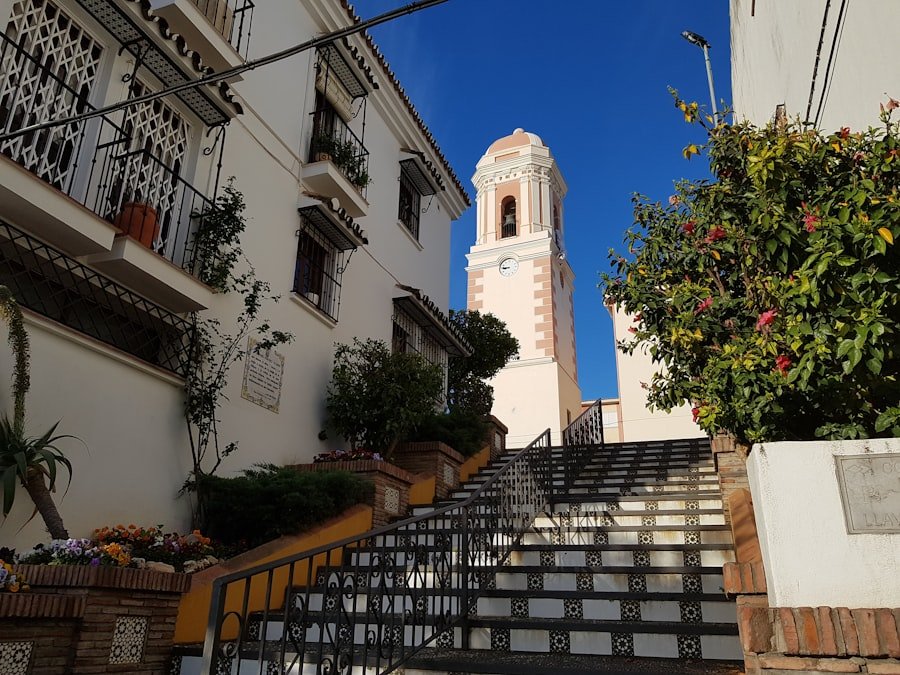
Galata Tower is the neighborhood’s main landmark, but a good walking route should also include the waterfront, Galata Bridge, religious heritage, and the streets linking Karaköy with upper Beyoğlu. These places explain how Galata worked as both a port district and an international commercial center.
Galata Tower
Galata Tower dominates the neighborhood and now operates as a museum and viewing point. From the upper level, you can see the Golden Horn, the Historic Peninsula, the Bosphorus, and large parts of modern Istanbul.
As of October 1, 2026, the museum lists daily visiting hours of 08:30–18:30, with the ticket office closing at 18:14. The official Galata Tower e-ticket listing shows a €30 ticket for non-Turkish visitors.
Galata Bridge and the Karaköy Waterfront
Galata Bridge crosses the Golden Horn between Karaköy and Eminönü. It is both a transport connection and a good place to understand Galata’s relationship with the water, ferries, fishing, and the Historic Peninsula across the inlet.
You do not have to cross the bridge to complete a Galata walking tour. However, walking part or all of it adds open views that contrast with the narrow streets around the tower.
Neve Shalom Synagogue
Galata’s Jewish heritage is an important part of the neighborhood’s history. Neve Shalom Synagogue is one of the district’s best-known religious landmarks and remains connected with Istanbul’s Jewish community.
Because it is an active religious site, do not treat it like an unrestricted museum entrance. Visitor access can involve security procedures, so allow extra time if entering it is an important part of your walk.
Recommended Walking Route for Galata
The most practical self-guided route starts near the water and gradually climbs through the historic commercial district before reaching Galata Tower. From there, continue toward Galip Dede Street, Pera, and İstiklal Avenue rather than repeatedly walking up and down the same hill.
- Start at the Karaköy waterfront. Spend a few minutes looking across the Golden Horn and toward Galata Bridge. This gives you a clear sense of why the neighborhood became an important port and trading area.
- Walk uphill along Bankalar Caddesi. The old banking street is lined with substantial late-Ottoman commercial buildings. Stop at SALT Galata if its galleries, Ottoman Bank Museum displays, research spaces, or architecture interest you.
- Continue to the Kamondo Stairs. These curving historic steps connect the banking district with the streets above. They make a natural transition between Karaköy’s commercial history and the steeper residential streets around the tower.
- Climb toward Galata Tower. Explore the small lanes around the tower before deciding whether to enter. Even without a museum ticket, the surrounding streets are worth walking for their stone buildings, shops, cafés, and changing views downhill.
- Follow Galip Dede Street toward the Mevlevi lodge. This street is known for musical-instrument shops and leads naturally toward the Galata Mevlevi House Museum and the Tünel end of İstiklal Avenue.
- Continue through Pera. A worthwhile architectural stop is Pera Palace Hotel, which opened in 1895 and is closely associated with the era of Orient Express travel. Its history also includes well-known guests such as Agatha Christie and Ernest Hemingway.
- Finish on İstiklal Avenue and Taksim Square. This final stretch changes the mood from compact historic lanes to one of Istanbul’s major pedestrian avenues. If you do not want the full walk to Taksim, you can finish near Tünel instead.
| Stop | Why Go | Current Visitor Information |
|---|---|---|
| Galata Tower | Museum and panoramic city views | Daily 08:30–18:30; ticket office closes 18:14; non-Turkish e-ticket listed at €30 |
| Galata Mevlevi House Museum | Mevlevi history, music, calligraphy, and lodge complex | 09:00–18:30; ticket office closes 17:30; closed Monday |
| SALT Galata | Exhibitions, Ottoman Bank history, research spaces, and architecture | Tuesday–Saturday 11:00–19:00; Sunday 11:00–18:00; free admission |
Hidden Gems in Galata
Galata’s quieter historic stops help explain the neighborhood better than the tower alone. The Kamondo Stairs, SALT Galata, Galata Mevlevi House, and the old banking streets each reveal a different period of the district’s development.
Kamondo Stairs
The Kamondo Stairs were commissioned by the prominent Kamondo banking family in the 19th century. Their curved form creates one of Galata’s most recognizable streetscapes.
They are more than a photo stop. Their position between Voyvoda Street and the upper streets shows how Galata’s steep geography shaped everyday movement between its financial district and residential areas.
SALT Galata and the Old Banking District
SALT Galata occupies a former Imperial Ottoman Bank headquarters on Bankalar Caddesi. The institution now combines exhibitions, research facilities, the Ottoman Bank Museum collection, event spaces, a bookstore, and other public areas.
The building is especially useful on a walking tour because it connects architectural history with Galata’s role as a banking and commercial center. Admission to SALT is free.
Galata Mevlevi House Museum
The Galata Mevlevi House Museum traces its foundation to 1491. The museum complex introduces visitors to Mevlevi culture through the semahane, dervish rooms, musical instruments, calligraphy, tombs, and other surviving elements of the lodge.
It offers a calmer historical stop after the busy tower area. The museum is closed on Mondays, so a Monday walk should treat its exterior and Galip Dede Street as the main experience here.
The Historic Tünel
The historic Tünel connects Karaköy with the upper Beyoğlu side near İstiklal Avenue. It is particularly useful if the steep uphill streets are tiring or if you want to reverse the route and walk mainly downhill.
The short ride also has historical interest of its own. GoTürkiye describes it as one of the world’s oldest underground urban railways.
Culinary Delights in Galata
Food is an easy way to turn a quick sightseeing route into a half-day in Galata. Instead of planning one large meal around the tower, you can pause for small Turkish dishes and snacks as you move between Karaköy, Galata, and Pera.
Savoring Traditional Flavors
One dish worth looking for is mantı, small Turkish dumplings commonly filled with minced meat and served with yogurt, garlic, and seasoned butter or sauce. It works well as a sit-down meal if you want a longer break from walking.
Indulging in Sweet Delights
Baklava is another natural choice around Galata and Karaköy. The pastry combines thin layers of dough, nuts, and syrup, making it an easy dessert or coffee-break stop during the route.
Snacking on Local Favorites
For something quicker, try simit, the sesame-coated bread ring sold throughout Istanbul. It is commonly paired with Turkish tea and is practical when you want a snack without stopping the walk for a full meal.
Tips for a Successful Walking Tour
A successful Galata walk is mostly about managing hills, timing museum visits, and leaving enough space to explore side streets. The neighborhood is compact, but the slopes can make a short distance feel longer than expected.
- Wear shoes with good grip. Cobblestones, worn paving, stairs, and steep streets can be uncomfortable in smooth-soled footwear.
- Visit Galata Tower early if it is your priority. That lets you handle the ticketed attraction before spending time in cafés, galleries, and shops.
- Plan around museum closing days. Galata Mevlevi House Museum is closed Monday, while SALT publishes Tuesday-through-Sunday visitor hours.
- Keep your route flexible. Small lanes around Galata Tower are part of the appeal, so allow time for short detours rather than following navigation turn by turn.
- Use the Tünel if the climb is uncomfortable. It can remove part of the steep ascent between Karaköy and upper Beyoğlu.
- Be respectful at active religious sites. Entry procedures and appropriate clothing can differ from ordinary museums.
Pro Tip: If steep uphill walking is difficult, take the Tünel from Karaköy toward Beyoğlu first, then reverse much of this route and explore Galata downhill toward the waterfront.
Conclusion and Final Thoughts
A walking tour of Galata works best when you treat the neighborhood as more than a single tower. The strongest route combines its Genoese history, Ottoman-era institutions, banking streets, religious heritage, contemporary cultural spaces, food, and views of the Golden Horn.
Start with the stops that have fixed opening hours, then slow down around the lanes near Galata Tower and Karaköy. If you also want a separate food feature outside the Turkish dishes covered here, the site’s existing Asian melon guide covers a different culinary topic.
Frequently Asked Questions
What is a walking tour of Galata?
A walking tour of Galata is a route on foot through the historic Galata and Karaköy area of Beyoğlu. A typical route links the waterfront, Bankalar Caddesi, Kamondo Stairs, Galata Tower, Galata Mevlevi House, and the lower end of İstiklal Avenue.
What are some popular attractions included in a walking tour of Galata?
Popular stops include Galata Tower, Galata Bridge, Kamondo Stairs, SALT Galata, Galata Mevlevi House Museum, Neve Shalom Synagogue, and nearby İstiklal Avenue. Which ones you enter depends on opening days, ticket cost, and how much time you have.
How long does a walking tour of Galata typically last?
Most travelers can cover the core route in about 2 to 4 hours at a relaxed pace. Allow longer if you enter Galata Tower, SALT Galata, Galata Mevlevi House Museum, or stop for a full meal.
Are there any specific requirements for participating in a walking tour of Galata?
Comfortable walking shoes are the main requirement because Galata has steep slopes, cobbles, stairs, and uneven surfaces. If mobility is limited, use the Tünel for the Karaköy-to-Beyoğlu climb and choose a shorter route that avoids the Kamondo Stairs.
How can I book a walking tour of Galata?
You do not need to book a guide to walk Galata on your own. If you prefer a guided tour, compare licensed operators, the exact route, duration, group size, and what entrance tickets are included before you pay.
Is Galata suitable for visitors who struggle with steep hills?
Galata can be challenging because several streets are steep and some routes include stairs or uneven paving. The historic Tünel can reduce the climb between Karaköy and upper Beyoğlu, and you can shorten the route by skipping stair-based detours.
Sources
- Türkiye Ministry of Culture and Tourism — Galata Tower Museum: Tower history, opening hours, and visitor information.
- Türkiye Ministry of Culture and Tourism — Galata Tower E-Ticket: Current foreign-visitor ticket listing.
- Türkiye Ministry of Culture and Tourism — Galata Mevlevi House Museum: History, exhibits, opening hours, and closed day.
- SALT Galata: Building history, facilities, admission, and opening hours.
- Visit Istanbul — Kamondo Stairs: History and location of the Kamondo Stairs.
- Visit Istanbul — Neve Shalom: Background on the synagogue and Galata’s Jewish heritage.
- Pera Palace Hotel: Hotel history, opening in 1895, and notable guests.
- GoTürkiye — Tünel: Historic Tünel and its Karaköy–Beyoğlu connection.