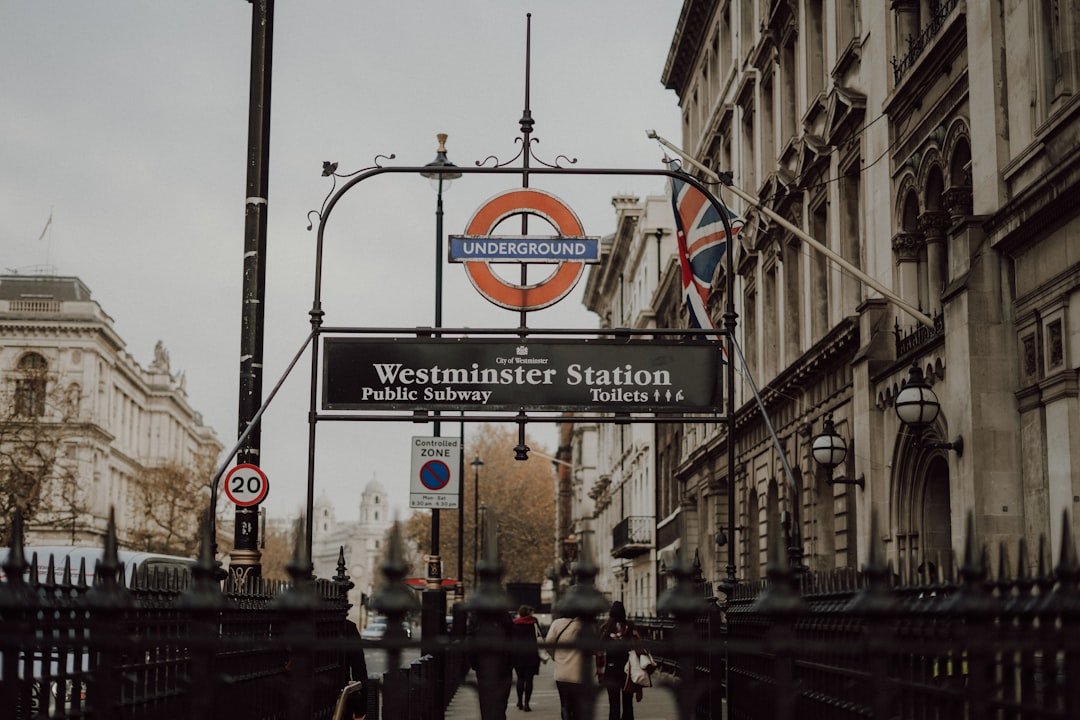
London can feel enormous on a first visit, but you do not need to see everything at once. The easiest approach is to group nearby sights, use public transport for longer journeys, walk between attractions in central London, and reserve time-sensitive experiences before you arrive. With a little planning, major landmarks, museums, markets, food, theatre, and neighborhood exploring can fit comfortably into a short trip.
Quick Answer
For a first trip to London, allow at least three full sightseeing days, use contactless or Oyster for public transport, group nearby attractions together, and pre-book high-demand sights. Buckingham Palace, Westminster, the Tower of London, the British Museum, Covent Garden, Borough Market, and a West End evening give you a strong introduction to the city.
Key Takeaways
- Check whether you need a UK visa or Electronic Travel Authorisation before travelling.
- Contactless payment and Oyster are the simplest ways to use most London public transport.
- Do not assume the Changing of the Guard happens every day; check the official Household Division calendar.
- Book timed attractions and popular shows ahead, especially during summer and school holidays.
- Plan geographically: Westminster sights work well together, as do the Tower of London and Borough Market.
- Leave some unscheduled time for walking, markets, parks, pubs, and neighborhoods rather than rushing from attraction to attraction.
Before Your First Trip to London
Before booking flights, check the UK’s current entry rules. Depending on your nationality and circumstances, you may need a visa or an Electronic Travel Authorisation (ETA). GOV.UK says most visitors need one or the other, while British and Irish citizens and several other categories are exempt. Check your status directly through the official UK ETA guidance instead of relying on a travel blog or third-party application site.
As of September 2026, the official ETA application fee is £20. Each traveler who requires an ETA needs their own authorization, including babies and children. Requirements and fees can change, so verify them again shortly before travel.
Note: Many London attractions use timed admission, seasonal opening schedules, or temporary closures. Check the attraction’s official website before locking in each day’s itinerary.
Getting Around London: Tube, Buses, Walking, and Airport Transfers
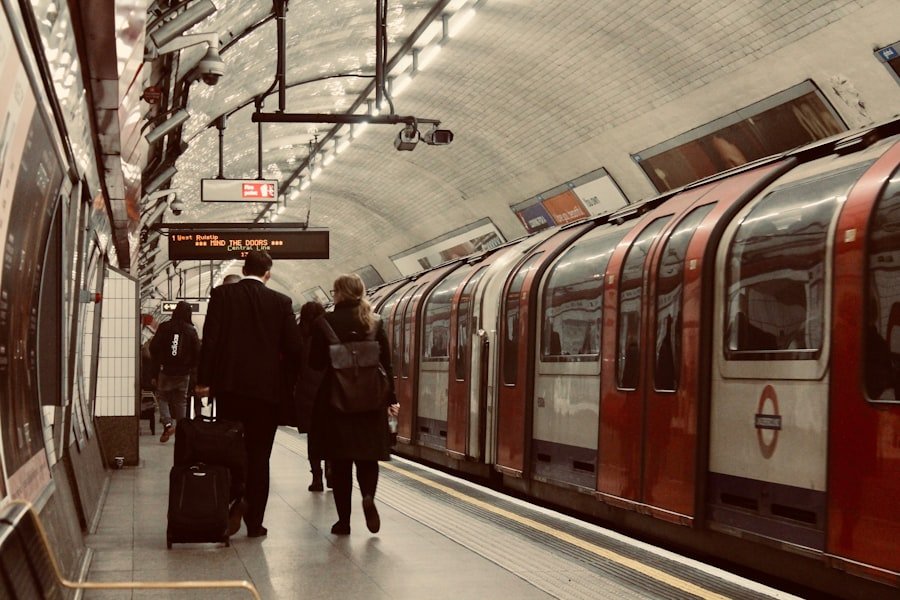
London has one of the world’s most extensive public-transport systems. Transport for London currently describes the Underground, or Tube, as an 11-line network covering 272 stations. Buses, the Elizabeth line, London Overground, DLR, trams, river services, and National Rail fill many of the gaps between Tube routes.
For most first-time visitors, the easiest payment method is a contactless bank card or compatible mobile device. Oyster cards are another option. TfL’s pay-as-you-go system supports both and applies fare caps on eligible travel within London zones. You can review the current rules on the Transport for London pay-as-you-go page.
On rail services such as the Tube, use the same card or device to touch in and touch out. Do not tap in with a physical card and tap out with the phone or watch linked to that card, because the system can treat them as separate payment methods. On buses, you normally touch in only.
TfL’s Underground network has 11 lines serving 272 stations, so most major visitor areas are reachable without a car.
Pro Tip: Each adult traveler should use a separate contactless card, phone, watch, or Oyster card. Also check TfL’s live status before setting out, because engineering work and service disruptions can change the fastest route.
Walking is especially useful in central London. Westminster Abbey, the Houses of Parliament, St James’s Park, and Buckingham Palace can be combined without repeatedly entering the Underground. The South Bank is also pleasant on foot, linking views of Parliament with the London Eye and riverside attractions.
Getting From Heathrow to Central London
If you arrive at Heathrow, you have several public-transport choices. The Piccadilly line is usually the lower-cost rail option, while the Elizabeth line offers a faster cross-London connection for many destinations. Heathrow Express runs to Paddington and is useful when speed to west London is the main priority. Check current fares and engineering work before choosing.
Buckingham Palace and the Changing of the Guard
Buckingham Palace is the King’s official London residence and a working royal palace. For many first-time visitors, seeing the palace exterior and the Changing of the Guard is one of the classic London experiences.
Do not plan your visit around the old assumption that the ceremony happens daily in summer and every other day in winter. The official Household Division currently lists King’s Guard changes at Buckingham Palace on Monday, Wednesday, and Friday at 11:00, but individual dates can vary because of ceremonial duties, weather, and other operational requirements. Always check the official Changing of the Guard calendar for your exact date.
The New Guard normally enters the Buckingham Palace forecourt at about 11:00, where responsibility for guarding the palace is formally transferred from the Old Guard.
Arrive well before the ceremony if you want a position close to the palace railings. Remember that the event involves troop movements between Wellington Barracks, Buckingham Palace, and St James’s Palace, so a good experience does not always require standing directly at the central gates.
The State Rooms are a separate ticketed attraction. For the 2026 summer opening, Buckingham Palace welcomes standard visitors from 9 July through 27 September. September operates on a more limited weekly schedule, and ongoing reservicing work can affect access to particular rooms. Check the Royal Collection Trust’s Buckingham Palace page for future dates and current access information.
The British Museum: World History Under One Roof
The British Museum is one of London’s strongest choices for a first-time visitor because its collection covers cultures and civilizations from around the world. General admission remains free, although special exhibitions can require paid tickets.
Among the museum’s best-known objects is the Rosetta Stone, which was crucial to the decipherment of Egyptian hieroglyphs. The museum’s Egyptian galleries also contain sculpture, funerary objects, and material from everyday life. Another major collection is the Parthenon sculptures, sometimes called the Elgin Marbles, created for the Parthenon in ancient Athens.
The building is large enough to overwhelm visitors who try to see everything. Pick two or three galleries before arriving, then leave time for unexpected discoveries. Check the British Museum’s official visitor information for current opening hours, exhibitions, access arrangements, and booking guidance.
The Tower of London: Fortress, Palace, Prison, and Treasury
The Tower of London is a UNESCO World Heritage Site and one of the best places to understand the relationship between London’s history and the monarchy. William the Conqueror established the Norman fortress after the conquest of England, and the complex later served as a royal residence, defensive stronghold, prison, treasury, record repository, and home of institutions including the Royal Mint.
Today, the Crown Jewels are one of the Tower’s biggest attractions. The site is also closely associated with the Yeoman Warders, commonly called Beefeaters, whose tours bring stories of imprisonment, political conflict, executions, and royal ceremony to life.
Anne Boleyn, Catherine Howard, Lady Jane Grey, Sir Thomas More, and many other well-known figures are connected to the Tower’s history. Rather than treating it as a quick photo stop, allow several hours if you want to see the Crown Jewels, White Tower, battlements, and major historical displays.
Opening hours, ticket prices, temporary closures, and the schedule for Yeoman Warder tours can change. Confirm them through Historic Royal Palaces.
Westminster Abbey: Coronations and British History
Westminster Abbey has been at the center of British ceremonial life for centuries. It has served as the coronation church since 1066, including the coronation of King Charles III and Queen Camilla in 2023.
Inside, visitors can see royal tombs, memorials, the Coronation Chair, the Lady Chapel, the Grave of the Unknown Warrior, and Poets’ Corner. Writers and cultural figures commemorated there include Geoffrey Chaucer, Charles Dickens, Rudyard Kipling, and many others, while scientists including Isaac Newton are also buried or commemorated within the Abbey.
Because Westminster Abbey remains a working church, tourist opening can be affected by worship and special services. Sundays primarily serve worship rather than ordinary sightseeing. Check the official Westminster Abbey visitor page for opening times and ticket arrangements.
The London Eye: Panoramic Views From the South Bank
The London Eye stands 135 metres above the South Bank of the River Thames. Its 32 glass capsules provide wide views across central London, including landmarks such as the Houses of Parliament, St Paul’s Cathedral, and Buckingham Palace in suitable conditions.
A full rotation takes about 30 minutes, and each capsule can accommodate up to 25 guests. Because admission is tied to a selected time slot, advance booking is useful during busy periods. Check current options directly on the London Eye’s official website.
The South Bank setting makes the Eye easy to combine with Westminster. You can visit Westminster Abbey and Parliament first, cross the Thames, ride the Eye, and then continue east along the river if you still have time.
Covent Garden: Markets, Performers, Dining, and Theatre
Covent Garden has evolved from a historic produce-market district into one of central London’s busiest shopping, dining, and entertainment areas. The first written reference to a new market there dates to 1654, and the Piazza later became closely associated with London’s fruit-and-vegetable trade.
Today, visitors come for the Market Building, independent shops, restaurants, cafes, street performers, and nearby theatres. It is particularly useful for a first visit because several central districts—the West End, Soho, Leicester Square, and Trafalgar Square—are within comfortable walking distance.
Covent Garden is also home to the Royal Ballet and Opera at the Royal Opera House. If you want to include theatre in your London visit, check performance schedules early rather than assuming good seats will remain available after arrival.
Spend an Evening in the West End
A West End show is one of London’s signature evening experiences. Musicals, plays, comedies, and major productions operate across theatres around Covent Garden, Leicester Square, Shaftesbury Avenue, and nearby streets. Booking ahead gives you the best choice of dates and seating, although some productions also release late or same-day tickets.
Where to Eat: British Food and Borough Market
London dining ranges from neighborhood pubs and inexpensive takeaway shops to tasting-menu restaurants. For a traditional introduction to British food, look for dishes such as fish and chips, a Sunday roast, pies, sausages and mash, or seasonal British seafood.
Pubs can be convenient places for first-time visitors to try British dishes in an informal setting. Menus vary greatly, so a busy independent pub or well-reviewed gastropub will generally offer a better food experience than choosing solely by proximity to a tourist landmark.
Borough Market is another useful stop. Its history reaches back many centuries, and today it specializes in produce, prepared food, baked goods, cheese, meat, seafood, and international street food. The market is beside London Bridge station, making it easy to combine with the Tower of London or a Thames walk.
Regular market days and opening hours can change around public holidays, so check Borough Market’s official visitor information before going.
Shopping in London: From Oxford Street to Local Markets
London offers everything from global fashion brands and luxury boutiques to vintage stalls, antiques, independent designers, and specialty shops. Oxford Street is one of the city’s best-known mainstream shopping areas, while Bond Street and the surrounding Mayfair streets are associated with luxury brands.
For a more distinctive experience, explore places such as Camden Market or Portobello Road Market in Notting Hill. These areas give you more than retail alone: they also provide a reason to see neighborhoods beyond Westminster and the main central attractions.
Avoid filling an entire first trip with shopping unless it is one of your main interests. London neighborhoods, museums, riverside walks, parks, pubs, markets, and live entertainment are a large part of what makes the city memorable.
A Simple 3-Day London Itinerary for First-Time Visitors
Day 1: Westminster and Royal London
- Start around Westminster Abbey and the Houses of Parliament.
- Walk through St James’s Park toward Buckingham Palace.
- If your date matches the official schedule, plan around the Changing of the Guard.
- Cross or walk toward the South Bank later in the day.
- Ride the London Eye near sunset or early evening if you have a timed ticket.
Day 2: Tower of London, Borough Market, and the Thames
- Book an early Tower of London entry and allow several hours.
- Cross Tower Bridge or continue along the Thames after your visit.
- Have lunch or an afternoon snack at Borough Market.
- Walk along the South Bank if the weather is good.
- Finish with dinner around Covent Garden, Soho, or the West End.
Day 3: British Museum, Covent Garden, and the West End
- Spend the morning exploring selected British Museum galleries.
- Walk toward Covent Garden for lunch and street entertainment.
- Continue through Leicester Square, Chinatown, Soho, or Trafalgar Square depending on your interests.
- Use the evening for a West End musical, play, concert, or relaxed pub meal.
Pro Tip: Treat this three-day plan as a framework rather than a checklist. One major paid attraction plus a few nearby sights usually creates a more enjoyable day than racing across London to collect photos.
When Is the Best Time to Visit London?
There is no single best month because London works as a year-round destination. Spring often brings mild weather and longer days, but Easter and school holidays can make central attractions busy. Summer offers long daylight hours and outdoor events, but it is also a peak travel period.
Early autumn can still be mild, while visitor numbers often ease after the summer peak. Winter is colder and darker, but Christmas events, decorations, theatre, museums, and January deals can make it worthwhile.
Visit London’s current guidance describes roughly June through September as peak season and notes that January through March is often among the cheaper periods for accommodation and flights. Whatever month you choose, check school holidays, major events, and attraction calendars before booking.
Making the Most of Your First Visit to London
Your first London trip does not need to cover every famous landmark. Prioritize a few places you care about, group them geographically, and leave room for the parts of London that do not require a ticket: walking beside the Thames, crossing historic bridges, sitting in a park, browsing a market, or having a meal in a neighborhood pub.
If you’re planning a trip to London for the first time, use current official visitor information rather than relying only on old schedules or general travel articles. The official Visit London first-time guide, TfL, GOV.UK, and each attraction’s own website are the best places to confirm transport changes, entry requirements, opening hours, ticket availability, and temporary closures before your visit.
Frequently Asked Questions
What are the must-see sights for first-time visitors to London?
A strong first-time list includes Buckingham Palace, Westminster Abbey, the Houses of Parliament, the Tower of London, the British Museum, the South Bank and London Eye area, Covent Garden, and a West End theatre experience. Choose the attractions that fit your interests rather than trying to visit every major landmark.
What are the most useful tips for a first visit to London?
Use contactless or Oyster for public transport, wear comfortable walking shoes, group nearby attractions together, check TfL before travelling, and pre-book popular timed attractions. International visitors should also verify current UK visa or ETA requirements before departure.
What is the best time of year to visit London for the first time?
London can be visited year-round. Spring and early autumn often offer mild conditions, summer provides long daylight hours but heavier visitor demand, and winter can offer lower prices outside the Christmas period. Check school holidays and major events because they can affect crowds and accommodation prices.
How many days should a first-time visitor spend in London?
Three full sightseeing days are enough for a strong introduction to central London, while four or five days allow a slower pace, more museums and neighborhoods, or a day trip. Avoid scheduling several large ticketed attractions on the same day.
Is Oyster or contactless better for tourists in London?
For many adult visitors, a contactless card or compatible phone or watch is the simplest option because you can tap directly at the gate without buying a separate transport card. Oyster remains useful in some circumstances. Check TfL’s current fare and eligibility information, especially if your bank charges foreign transaction fees.
Does the Changing of the Guard happen every day?
No. Do not rely on the old daily-summer or alternate-day-winter rule. The Household Division currently lists Buckingham Palace King’s Guard changes on Monday, Wednesday, and Friday at 11:00, but dates can change. Check the official calendar for the exact day of your visit.
Sources
- GOV.UK — Electronic Travel Authorisation — current UK ETA eligibility and visitor requirements.
- Transport for London — Pay as you go — Oyster, contactless payment, fare caps, and transport payment rules.
- Household Division — Changing of the Guard Calendar — official Buckingham Palace guard-change dates and times.
- Royal Collection Trust — Buckingham Palace — State Rooms, seasonal opening, access, and official visitor information.
- British Museum — Visit — admission, opening times, exhibitions, and visitor planning.
- Historic Royal Palaces — Tower of London — tickets, opening times, Yeoman Warder tours, and visitor information.