Dubai is cosmopolitan and used to welcoming visitors from around the world, so tourists can wear familiar Western-style clothing in most places. The key is to match your outfit to the setting. In ordinary public spaces, modest clothing is the safest choice, while beaches, mosques, restaurants, workplaces, and nightlife venues can have different expectations.
Quick Answer
For most sightseeing in Dubai, wear comfortable, non-transparent clothing that provides reasonable coverage. Covering your shoulders and knees is an easy rule of thumb for malls and cultural areas. Swimwear belongs at beaches and pools, while mosque visits require much more coverage. Women do not normally need a headscarf or abaya for everyday sightseeing.
Key Takeaways
- Dress modestly in public places, particularly malls, heritage areas, markets, government buildings, and other conservative settings.
- Women do not normally need to cover their hair or wear an abaya while sightseeing around Dubai.
- Mosques have stricter requirements. Women may need an abaya and head covering, while men should wear clothing that fully covers their legs and shoulders.
- Bikinis, swimsuits, and swim trunks are appropriate at beaches, pools, and water parks but should be covered when you leave those areas.
- Restaurants, clubs, offices, hotels, and attractions may have their own dress policies, so check the venue when booking.
- Lightweight, breathable clothing works well outdoors, but a light layer is useful for strongly air-conditioned indoor spaces.
Dubai Dress Code at a Glance
| Place | What to Wear |
| Malls and sightseeing | Comfortable, modest clothing. Covering shoulders and knees is a simple conservative choice. |
| Heritage and cultural areas | Choose more conservative coverage and avoid transparent or very revealing clothing. |
| Mosques | Full coverage. Women may be required to wear an abaya and headscarf; men should wear long trousers and cover their shoulders. Check the mosque before visiting. |
| Beach, pool or water park | Normal swimwear is appropriate in designated swimming areas. Put on a cover-up or regular clothing before leaving. |
| Restaurants and nightlife | Smart casual is a safe starting point, but upscale venues may impose their own rules. |
| Business meetings | Professional business clothing suited to the employer, industry, and formality of the meeting. |
The UAE Government’s visitor etiquette guidance asks visitors to dress modestly, particularly in conservative areas and public places such as shopping malls. It also advises against transparent clothing, indecent exposure, and clothing carrying offensive images or slogans.
This does not mean tourists must wear traditional Emirati or Islamic clothing everywhere. Women are not normally expected to cover their heads during everyday sightseeing, and Western-style clothing is widely worn. The goal is simply to choose an outfit that fits the place you are visiting.
Daytime Dress Code: What to Wear for Sightseeing and Activities
Comfort should come first when exploring Dubai during the day. Attractions such as Downtown Dubai, traditional souks, waterfront areas, and heritage districts can involve plenty of walking, and outdoor conditions can be hot for much of the year.
Lightweight cotton, linen, technical travel fabrics, and loose-fitting clothing can help you stay comfortable. For women, practical choices include midi or maxi dresses, loose trousers, long skirts, T-shirts, and lightweight blouses. For men, lightweight trousers, chinos, polos, and T-shirts are easy options.
Knee-length shorts may work in many casual tourist settings, but long trousers are a safer choice when visiting cultural, religious, government, or more conservative places. Avoid transparent clothing and extremely revealing outfits in public spaces.
Pro Tip: Carry a lightweight overshirt, cardigan, or shawl. It gives you extra coverage when needed and can also make heavily air-conditioned malls, restaurants, and attractions more comfortable.
Evening Dress Code: What to Wear for Dining and Nightlife

Dubai’s evening scene ranges from casual cafés to luxury restaurants, rooftop lounges, hotel bars, and nightclubs. There is no single citywide evening dress code, so the venue’s own policy matters more than a blanket rule.
For women, a midi dress, jumpsuit, tailored trousers with a blouse, or another polished outfit is usually a versatile choice. A light shawl or jacket can provide extra coverage and protection from strong indoor air conditioning.
For men, tailored trousers or smart chinos with a collared shirt work well for many upscale venues. A blazer can make the outfit more formal when required.
Some restaurants, clubs, and lounges set specific rules for footwear, shorts, sportswear, or beachwear. Check the reservation page or contact the venue if the dress code is described as smart casual, elegant, or formal rather than assuming one rule applies across Dubai.
Dress Code for Visiting Religious Sites and Mosques
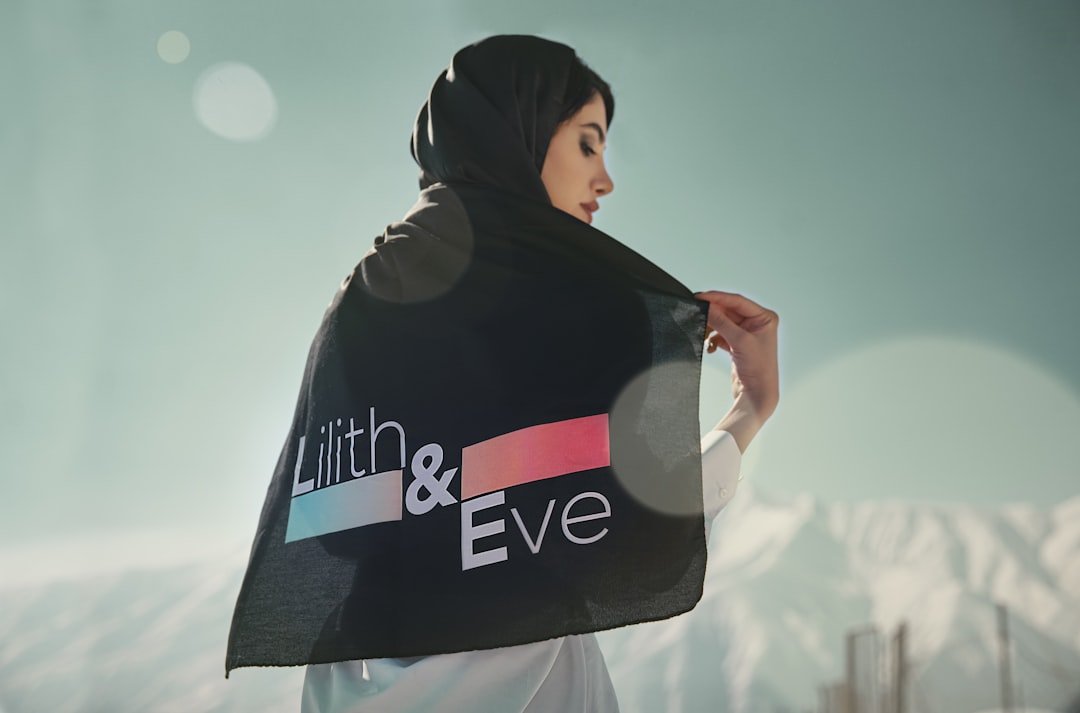
Mosques require more coverage than ordinary tourist areas. According to the UAE Government’s etiquette guidance, women visiting a mosque may be asked to wear an abaya and cover their heads in keeping with Muslim tradition. Mosques may provide appropriate garments for visitors.
Men should wear clothing that covers their shoulders and legs. Long trousers are the safest option. Clothing should be clean, modest, and non-transparent.
Requirements can vary by mosque, so check the specific visitor policy before you arrive. For example, the Sheikh Mohammed bin Rashid Al Maktoum Centre for Cultural Understanding publishes current visitor information for its Jumeirah Mosque program.
Note: A headscarf or abaya is not normally required for women simply to walk around Dubai. These additional clothing requirements apply primarily to mosque visits and other situations where a venue specifically asks for them.
Inside a mosque, follow staff instructions, speak quietly, respect prayer areas, and observe any posted photography rules. Religious sites are places of worship first and tourist attractions second.
Beachwear and Swimwear Guidelines
Swimsuits, bikinis, swim trunks, and board shorts are appropriate at designated beaches, hotel pools, resorts, and water parks. The important distinction is what happens when you leave the swimming area.
The UAE Government advises that swimwear should not be worn in ordinary public areas outside beaches, water parks, and swimming pools. Put on regular clothing or a suitable cover-up before entering malls, restaurants, streets, hotel lobbies where beachwear is not appropriate, or other public spaces.
Women can pair swimwear with a kaftan, sarong, loose dress, or other cover-up when moving away from the water. Men can add a T-shirt or casual shirt with shorts or trousers.
Topless sunbathing and public nudity are not permitted. Local public-behaviour expectations also extend beyond clothing, so keep public displays of affection restrained and respectful.
What to Wear During Ramadan in Dubai
Dubai continues to welcome tourists during Ramadan, but this is an especially appropriate time to dress thoughtfully in public areas. Emirates’ current visitor information advises travelers to wear modest dress in public during Ramadan.
You do not need a special Ramadan wardrobe. Loose trousers, long skirts, midi or maxi dresses, T-shirts, polos, and tops that provide comfortable coverage are practical choices. When entering a mosque or attending a religious or cultural event, follow the stricter requirements of that venue.
Dress Code for Business and Professional Settings
Dubai is a major international business center, but workplace dress varies by company and industry. A technology startup, construction office, luxury hotel, law firm, and financial institution may not expect exactly the same level of formality.
For an important meeting where you do not know the company culture, dressing slightly more formally is usually the safer choice. Men can wear tailored trousers with a collared shirt, adding a jacket or suit when the occasion calls for it. A tie may be appropriate for formal corporate meetings but is not a universal requirement.
Women can choose tailored trousers, professional dresses, skirts of an appropriate length, jackets, or blouses that provide comfortable coverage. Avoid transparent fabrics, very low necklines, and clothing better suited to a beach or nightclub.
Professional footwear should match the formality of the workplace. When possible, check with the host or employer before a high-level meeting or event.
Tips for Staying Cool and Comfortable in the Dubai Heat
Dubai summers are extremely hot, so fabric and fit matter as much as modesty. The official Visit Dubai weather guide is useful when planning clothing for your travel dates.
Choose breathable, lightweight fabrics and avoid unnecessary heavy layers outdoors. Loose clothing can feel more comfortable than tight clothing while also providing useful sun coverage.
- Wear breathable cotton, linen, or lightweight moisture-managing fabrics.
- Choose light, loose clothing for outdoor sightseeing.
- Use a hat, sunglasses, and appropriate sun protection when spending time outside.
- Carry water and take breaks in air-conditioned areas.
- Keep a thin cardigan, overshirt, or shawl for cold indoor spaces.
- Plan long outdoor walks for cooler parts of the day when practical.
What to Wear in Dubai in Winter
Dubai’s winter weather is much milder than its summer weather, so daytime clothing can still be fairly light. However, evenings, desert trips, waterfront locations, and strongly air-conditioned interiors can feel cooler. A light jacket, cardigan, or sweater is useful to pack.
The official Visit Dubai clothing guide provides current seasonal packing ideas for visitors.
What Not to Wear: A Guide to Avoiding Cultural Faux Pas
Dubai is diverse and relatively relaxed in many tourist areas, but public clothing should still respect UAE cultural norms. The safest approach is to avoid outfits that are clearly unsuitable for the setting rather than worrying about every individual fashion choice.
Avoid transparent clothing that exposes underwear, extremely revealing outfits in ordinary public spaces, and clothing displaying offensive words or images. UAE Government guidance specifically asks visitors to avoid transparent, indecent, or offensive clothing.
Beachwear should stay at the beach, pool, resort swimming area, or water park. Put on a cover-up or regular clothing before entering other public areas.
There is no need to avoid sandals simply because you are in Dubai. Instead, match footwear to the location: sandals can be practical for casual sightseeing, while an upscale restaurant, business meeting, or nightclub may specify smarter footwear.
Warning: Do not assume that a hotel, nightclub, mosque, restaurant, or attraction follows the same clothing policy as the rest of the city. Private venues can impose their own conditions of entry, so check the current rules when a dress code is stated.
For separate food-and-culture reading, you can also explore Exploring the Delightful World of Asian Melon, which covers different Asian melon varieties, their uses, and related culinary information.
Frequently Asked Questions
What is the dress code in Dubai?
Visitors should generally dress modestly in public places, especially malls, cultural areas, markets, religious sites, and conservative settings. Western-style clothing is common, but transparent, offensive, or excessively revealing clothing is best avoided.
What should women wear in Dubai?
Women can wear normal Western-style clothing such as dresses, skirts, trousers, jeans, T-shirts, and blouses. In public and conservative settings, choose clothing with comfortable coverage and avoid transparent or extremely revealing outfits.
Do women need to wear an abaya or headscarf in Dubai?
Not for normal sightseeing. UAE Government guidance states that women are not generally expected to cover their heads or wear traditional Muslim clothing in everyday public life. Mosques are different: women may be asked to wear an abaya and cover their hair when entering.
Can women wear shorts in Dubai?
Shorts can be seen in casual tourist areas, but longer shorts or clothing that reaches around the knee is a more versatile choice for malls and sightseeing. Choose longer, more conservative clothing for mosques, heritage areas, government buildings, and venues with specific rules.
What should men wear in Dubai?
Men can wear T-shirts, polos, shirts, jeans, chinos, trousers, and suitable shorts in casual settings. Long trousers are a safer choice for mosques, business meetings, formal restaurants, and conservative locations.
Can tourists wear bikinis in Dubai?
Yes, normal swimwear can be worn at designated beaches, hotel pools, resorts, and water parks. Cover up or change into regular clothing before entering ordinary public areas such as malls, streets, restaurants, or business districts.
Are there specific clothing restrictions in Dubai?
Official UAE guidance asks visitors to avoid transparent or indecent clothing and clothing displaying offensive images or slogans. Swimwear should remain in designated swimming areas. Individual venues can also set their own dress requirements.
Can tourists wear Western clothing in Dubai?
Yes. Western-style clothing is widely worn in Dubai. Tourists do not need traditional Emirati clothing; they simply need to choose outfits appropriate for the location and respect stricter requirements at mosques or venues with their own dress codes.
Sources
- UAE Government — Social Responsibility and Visitor Etiquette — public dress, mosque clothing, swimwear, offensive clothing, and general visitor etiquette.
- Visit Dubai — What to Wear in Dubai — current official tourism clothing and seasonal packing guidance.
- Visit Dubai — Dubai Weather Guide — current climate information for planning suitable clothing.
- Sheikh Mohammed bin Rashid Al Maktoum Centre for Cultural Understanding — Jumeirah Mosque Visit — current mosque visitor information.
- Emirates — Dubai Visitor Information — Ramadan travel and modest-dress guidance.