When to Plant Potatoes in California by Region
Last Updated: May 23, 2026
By: Tagline Today Editorial Team
Knowing when to plant potatoes in California can save you from poor sprouting, frost damage, heat stress, and weak harvests. The right planting window depends on your region, because California has cool coastal zones, hot inland valleys, dry high desert areas, and colder foothill climates.
This guide explains the best potato planting times by California region. You will also learn how to choose varieties, prepare soil, care for plants, harvest tubers, manage pests, and store potatoes after harvest.
Quick Answer: Best Time to Plant Potatoes in California
Most California growers plant potatoes from late February through early May. Coastal areas can often start in late February or March. Inland valleys usually plant from mid-March to early April. High desert and Sierra Nevada foothill areas often wait until late April or early May, after frost risk drops and soil warms.
California Potato Planting Calendar by Region
| California Region | Best Planting Window | Main Risk | Best Action |
|---|---|---|---|
| Coastal Areas | Late February to March | Cool, wet soil | Plant when soil drains well and warms above 45°F |
| Inland Valleys | Mid-March to early April | Summer heat | Plant early enough for tubers to form before hot weather |
| High Desert | Late April to early May | Late frost and dry soil | Wait until frost risk drops and prepare irrigation |
| Sierra Nevada Foothills | Mid-April to early May | Cold nights | Use row covers during cold nights if needed |
Understanding California Climate Zones for Potato Planting
California’s diverse geography and climate create many microclimates. This is one reason the state supports strong agricultural production. For potatoes, the most important climate factors are soil temperature, frost risk, summer heat, rainfall pattern, and irrigation access.
Coastal areas often have moderate temperatures and a longer cool season. These conditions can support earlier potato planting. Inland valleys warm faster, but they can become hot enough to stress potato plants during tuber formation. Desert and high desert areas bring a different challenge: cold nights, dry soil, and limited natural rainfall.
Understanding your local climate zone helps you choose a better planting date. It also helps you select potato varieties, plan irrigation, protect plants from frost, and avoid the worst heat of summer.
Key Takeaways
- California potato planting times vary by region, not by one statewide calendar.
- Coastal areas can often plant potatoes in late February or March.
- Inland valleys usually need planting from mid-March to early April to avoid peak summer heat.
- High desert and foothill growers should wait until soil warms and frost risk drops.
- Loose, well-drained, slightly acidic soil helps potatoes grow healthy tubers.
- Consistent moisture matters, but soggy soil can increase disease risk.
Selecting the Right Potato Varieties for California
Choosing the right potato variety helps you match your crop to your climate, soil, and growing season. Early-season varieties work well where you need a fast crop or want to harvest before hot weather. Mid-season and late-season varieties need more time, but they can produce larger harvests when growing conditions stay favorable.
Early-season varieties such as Yukon Gold and Red LaSoda can work well in mild coastal areas. These varieties mature faster, which helps growers use the cool part of the season. Red Pontiac can also suit home gardens where growers want a red-skinned potato for boiling, roasting, or general kitchen use.
Inland valleys may benefit from varieties such as Russet Burbank, Norkotah, or Kennebec when planting dates allow enough time before high heat. High desert and foothill growers should focus on varieties that handle shorter seasons, cool nights, and steady irrigation. Local extension offices, seed suppliers, and experienced growers can help confirm which varieties perform best in your county.
Preparing the Soil for Planting Potatoes in California
Soil preparation directly affects potato plant health, root growth, tuber shape, and final yield. Potatoes thrive in well-drained, loose soil that allows for proper root development and tuber formation. Heavy, compacted, or poorly drained soil can cause misshapen tubers and disease problems.
Before planting, test your soil for pH and nutrient levels. Potatoes often grow best in slightly acidic soil. A common target range is about pH 5.5 to 6.5, though local soil conditions and disease pressure can affect the ideal range. Use soil test results before adding lime, sulfur, compost, or fertilizer.
Add compost or well-rotted organic matter to improve soil structure and moisture control. Loosen the soil deeply enough for tubers to form without hitting compacted layers. Raised beds can help in areas where winter rain leaves the ground wet or where drainage is poor.
Simple Soil Preparation Steps
- Choose a sunny planting site with loose, well-drained soil.
- Test soil pH and nutrients before adding amendments.
- Mix compost or well-rotted organic matter into the topsoil.
- Loosen compacted soil so roots and tubers can expand.
- Create raised rows or beds if your soil drains slowly.
- Plant certified seed potatoes instead of grocery store potatoes.
Timing the Planting of Potatoes in Coastal Areas
| Month | General Coastal Condition | Planting Suitability | What to Check |
|---|---|---|---|
| January | Cool and often wet | Usually early | Drainage, frost pockets, soil temperature |
| February | Cool with improving soil conditions | Possible in mild areas | Soil above 45°F and not waterlogged |
| March | Mild and suitable for growth | Good planting window | Moisture, seed piece condition, drainage |
| April | Warmer and drier | Still possible in many areas | Irrigation need and early heat |
In California’s coastal regions, potato planting is shaped by mild weather and a longer cool season. Many coastal growers can start planting from late February to March, as long as the soil is workable, not waterlogged, and warm enough for sprouting.
Potatoes prefer cool growing conditions. Soil that stays too cold and wet can slow sprouting and raise the risk of seed rot. Soil that gets too warm later in the season can reduce tuber development. A practical planting target is soil between about 45°F and 70°F.
Use your local conditions instead of the calendar alone. A garden near the ocean may stay cooler than a garden only a few miles inland. If your soil drains slowly after winter rain, wait until it crumbles easily in your hand before planting.
Timing the Planting of Potatoes in Inland Valleys
Inland valleys have hotter summers and colder winter nights than many coastal areas. For this reason, the main goal is to plant early enough for plants to establish before strong heat arrives. Many growers in inland valleys should aim for mid-March to early April.
Local microclimates still matter. A low spot that traps cold air may need later planting than a warmer, protected site. A garden with sandy soil may warm faster than a heavy clay soil. Check soil temperature, frost forecasts, and drainage before planting.
In hotter inland areas, mulch can help keep soil cooler after plants are established. Consistent irrigation also matters because dry soil during tuber formation can lead to lower yields and rough or cracked potatoes.
Timing the Planting of Potatoes in the High Desert
The high desert regions of California create a harder planting decision because days can warm before nights become safe. Late frost can damage young potato shoots, while dry soil can stress plants soon after planting.
Many high desert growers wait until late April or early May to plant potatoes. This gives the soil more time to warm and reduces the chance that new shoots will face hard frost. Even then, growers should watch local frost forecasts closely.
Irrigation planning is essential in high desert areas. Drip irrigation can conserve water and deliver steady moisture near the root zone. Avoid overwatering, because potatoes still need oxygen in the soil and can rot in saturated conditions.
Timing the Planting of Potatoes in the Sierra Nevada Foothills
The Sierra Nevada foothills have elevation changes and many small microclimates. A planting date that works in one foothill town may be too early for a colder slope nearby. Many growers in this region plant potatoes from mid-April to early May.
Cold nights remain the main concern. If shoots emerge before a late frost, protect them with row covers, straw, or soil hilling. Remove covers during warmer days when plants need light and airflow.
Foothill soils can vary from rocky and fast-draining to heavier soils that hold winter moisture. Add organic matter to improve soil structure. Use raised beds where drainage is poor, and keep irrigation steady during dry spring weather.
How to Plant Potatoes Step by Step
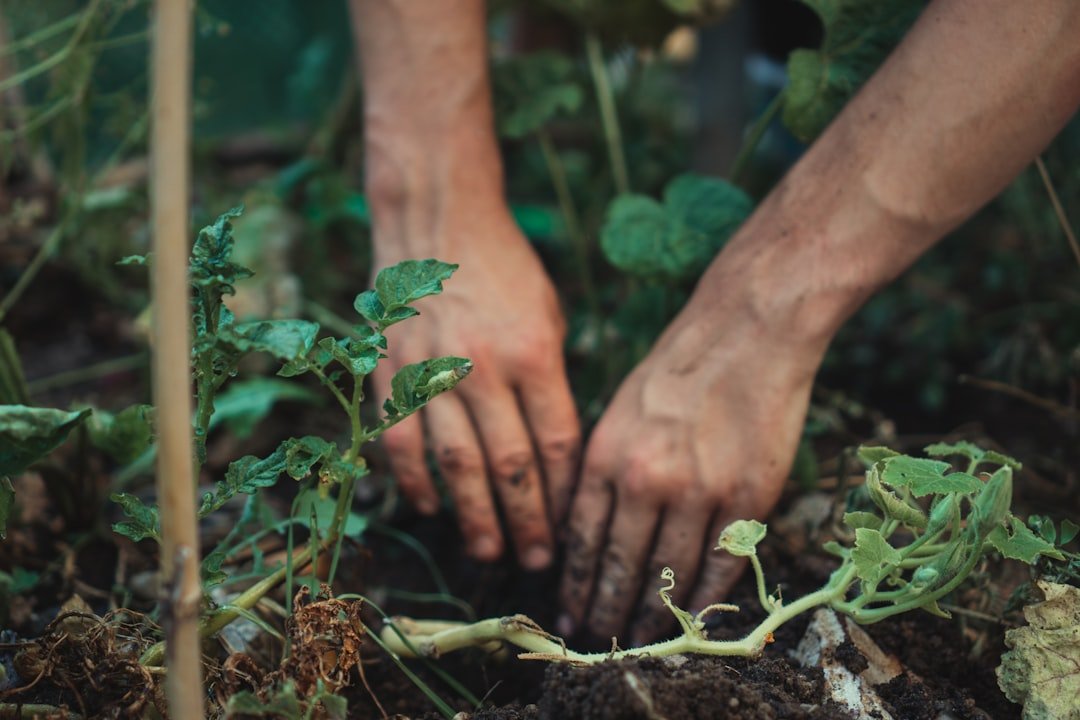
Good timing helps, but planting method also affects the final crop. Use certified disease-free seed potatoes when possible. Cut larger seed potatoes into pieces with at least one or two eyes, then let cut surfaces dry briefly before planting if your seed supplier recommends it.
- Prepare loose, well-drained soil in a sunny location.
- Plant seed pieces about 3 to 4 inches deep.
- Space plants about 10 to 12 inches apart in rows.
- Keep rows wide enough for hilling and airflow.
- Water after planting if soil is dry, but do not soak heavy soil.
- Hill soil around stems as plants grow to protect developing tubers from light.
Caring for Potatoes Throughout the Growing Season
After planting, potatoes need steady care through sprouting, vine growth, flowering, tuber formation, and harvest. Moisture is one of the most important factors. Many potato crops need about 1 to 2 inches of water per week from rainfall or irrigation, but your exact need depends on soil type, weather, and plant stage.
Do not let the soil swing from very dry to very wet. Irregular moisture can lead to stress, lower yield, and poor tuber quality. Mulch can help conserve moisture and cool the soil in warmer regions.
Fertilization also matters. Use your soil test to guide fertilizer decisions. Potatoes need nutrients, but too much nitrogen can push leafy growth at the expense of tubers. Apply fertilizer at planting and again when plants are established if your soil test or local recommendation supports it.
Seasonal Potato Care Checklist
- Water consistently, especially during tuber formation.
- Hill soil around plants as stems grow.
- Keep weeds under control so they do not compete for water and nutrients.
- Scout leaves and stems for insects, disease spots, yellowing, or wilting.
- Stop heavy watering near harvest if vines are dying back and soil is already moist.
Harvesting Potatoes in California
Harvest timing depends on your planting date, variety, region, and whether you want new potatoes or mature storage potatoes. Early-season varieties may be ready about 70 to 90 days after planting. Maincrop varieties often need about 90 to 120 days or longer.
For new potatoes, you can gently check tuber size while plants are still green. For mature potatoes, wait until foliage yellows and dies back. This allows skins to firm up, which helps potatoes handle harvest and storage better.
Harvest carefully to avoid bruises and cuts. A digging fork works for small gardens, while larger farms may use potato harvesting equipment. Damaged potatoes should be used first because they usually do not store as well as sound tubers.
Dealing with Pests and Diseases in California Potato Plants
Pest and disease pressure varies by region, planting season, and field history. Common potato pests can include aphids, Colorado potato beetles, flea beetles, and wireworms. Disease risks can include late blight, early blight, seed piece decay, and soilborne problems.
Integrated pest management, often called IPM, works better than guessing. IPM means you monitor pests, identify the problem correctly, use cultural controls first, and choose targeted treatments only when needed. Crop rotation, clean seed potatoes, weed control, and proper spacing can reduce many problems before they spread.
Check plants often. Look under leaves, inspect stems, and watch for yellowing, spots, holes, wilting, or stunted growth. If symptoms appear, confirm the cause before applying any product. Your county extension office or a local agricultural adviser can help identify serious disease or pest issues.
Storing Potatoes After Harvest in California
Proper storage helps protect potato quality after harvest. Cure mature potatoes first if they will be stored. Curing allows small skin injuries to heal and helps the skin toughen.
After curing, store potatoes in a cool, dark, well-ventilated location. Avoid light exposure because light can cause greening. Green potato tissue may contain higher solanine levels and should not be eaten.
Check stored potatoes regularly. Remove any tubers that are soft, moldy, badly sprouted, or damaged. Keep potatoes away from warm rooms and direct sunlight, since warmth encourages sprouting and shortens storage life.
Common Mistakes to Avoid When Growing Potatoes in California
- Planting by calendar only: Soil temperature and frost risk matter more than a fixed date.
- Using compacted soil: Dense soil limits tuber growth and can cause misshapen potatoes.
- Skipping hilling: Exposed tubers can turn green and become unsafe to eat.
- Watering unevenly: Irregular moisture can reduce tuber quality.
- Ignoring local microclimates: A colder garden may need a later planting date than a nearby warmer site.
- Saving diseased tubers for seed: This can carry problems into the next crop.
Helpful California Potato Growing Resources
For local guidance, check university extension and integrated pest management resources before making major decisions about fertilizer, pest control, or disease treatment.
- UC IPM Potato Pest Management Guidelines
- UC Master Gardeners Vegetable Planting Schedule
- University of Minnesota Extension: Growing Potatoes
- University of Idaho Extension: Potato Storage Management
Conclusion: Match Your Potato Planting Date to Your California Region
The best time to plant potatoes in California depends on your local climate. Coastal areas can often plant earlier, inland valleys need to avoid peak summer heat, and high desert or foothill areas must wait until frost risk drops.
Start with your region, then check soil temperature, drainage, frost forecast, and variety choice. When you match planting time with good soil preparation, steady water, pest monitoring, and careful storage, you give your potato crop a much better chance of producing healthy tubers.
Next step: Before planting, check your local 10-day forecast and test soil temperature in the morning. If the soil is workable, above about 45°F, and frost risk is manageable, you can prepare your seed potatoes and planting bed.
FAQs
What is the best time to plant potatoes in California?
The best time to plant potatoes in California is usually late winter through spring. Coastal areas can often plant from late February to March. Inland valleys usually plant from mid-March to early April. High desert and foothill areas often wait until late April or early May.
What are the ideal growing conditions for potatoes in California?
Potatoes grow best in full sun, loose soil, steady moisture, and good drainage. They usually prefer slightly acidic soil. Avoid compacted soil, waterlogged beds, and planting during periods of strong heat or hard frost.
How deep should potatoes be planted in California?
Plant potatoes about 3 to 4 inches deep. As plants grow, hill soil around the stems to cover developing tubers. This helps protect tubers from sunlight and supports better growth.
Can potatoes be grown in containers in California?
Yes, potatoes can be grown in containers in California. Use a container at least 16 inches deep with drainage holes. Choose loose potting mix, keep moisture steady, and place the container in a sunny location.
What are some popular potato varieties to plant in California?
Popular potato varieties for California gardens include Yukon Gold, Red LaSoda, Red Pontiac, Kennebec, Russet Burbank, and Norkotah. Choose based on your region, planting window, disease pressure, and kitchen use.
What soil temperature is best for planting potatoes?
A useful soil temperature range for planting potatoes is about 45°F to 70°F. Cold, wet soil can slow sprouting and raise rot risk. Soil that is too warm can stress plants and reduce tuber development.
How often should you water potatoes in California?
Potatoes need consistent moisture, especially when tubers are forming. Many crops need about 1 to 2 inches of water per week from rain or irrigation. Adjust based on soil type, temperature, rainfall, and plant growth.
When should you harvest potatoes in California?
Early potatoes may be ready about 70 to 90 days after planting. Maincrop potatoes often need about 90 to 120 days or longer. For mature potatoes, wait until vines yellow and die back before harvest.
Why do potato tubers turn green?
Potato tubers turn green when they are exposed to light. Green areas may contain higher solanine levels and should not be eaten. Hill soil around plants during growth and store harvested potatoes in the dark.
Can you plant potatoes from grocery store potatoes?
It is better to plant certified seed potatoes. Grocery store potatoes may carry disease, may have sprout inhibitors, or may not suit your local growing conditions. Certified seed potatoes give you a cleaner and more reliable start.