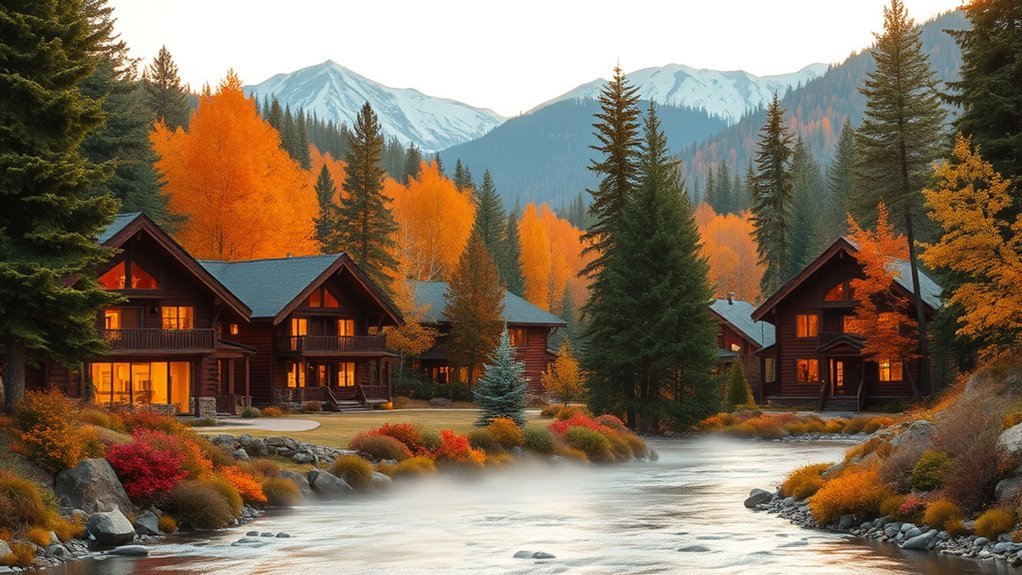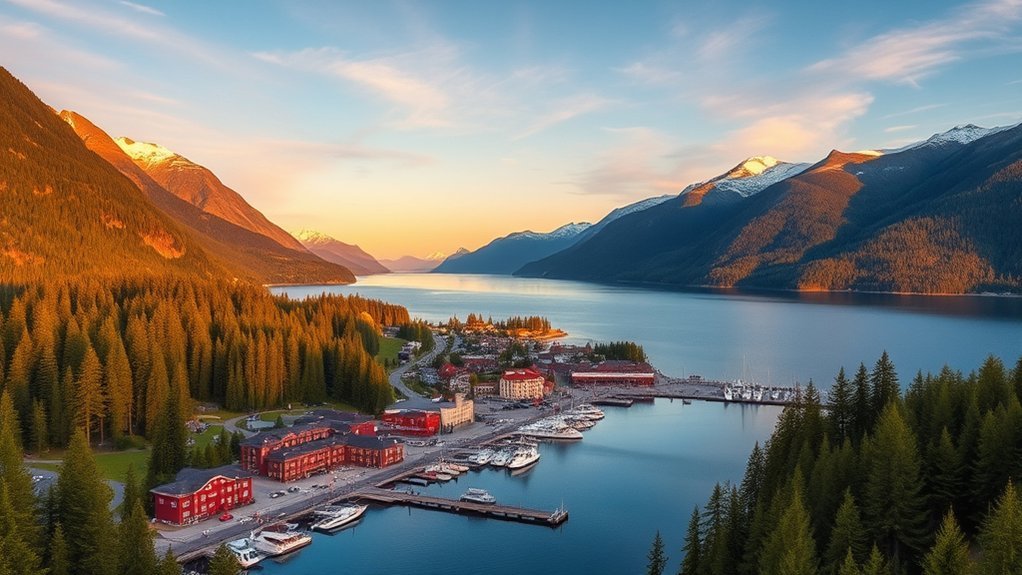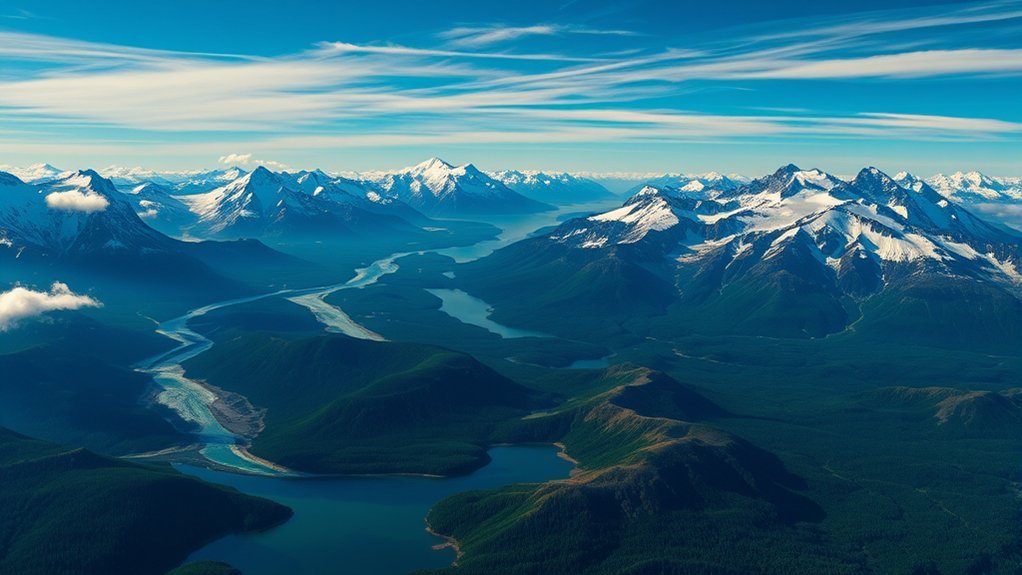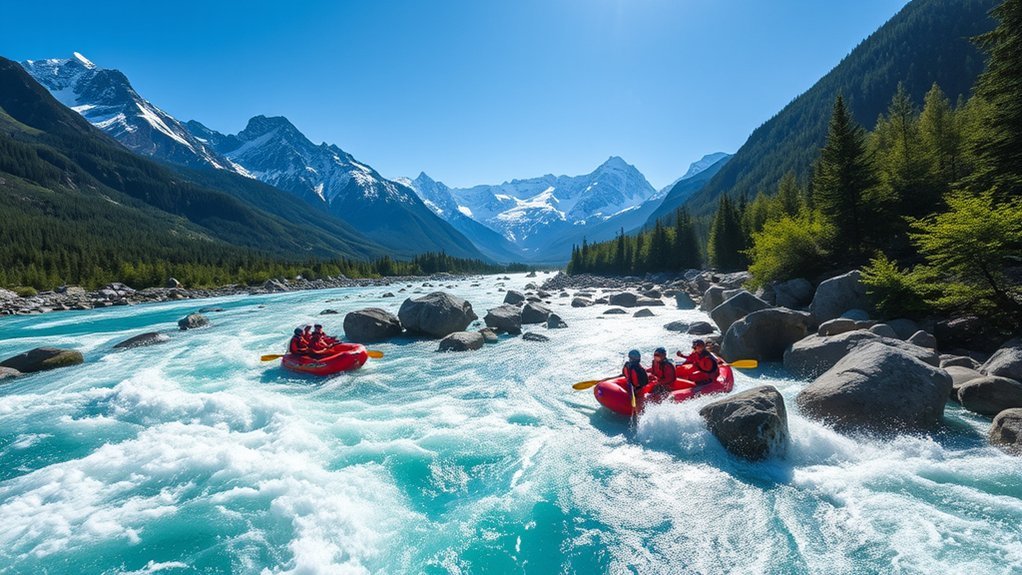
Whitewater rafting in Alaska ranges from calm, family-friendly floats to technical Class V canyon runs and week-long wilderness expeditions. The right river depends on the exact section, current water level, your swimming ability, and how much cold, physical work, and remote travel you can handle. Compare routes carefully because one river can contain both gentle water and advanced rapids.
Quick Answer
Choose the Kenai, lower Talkeetna, lower Chena, or Nenana Wilderness Run for a scenic introduction. Try the Matanuska’s Lions Head or Nenana Canyon for guided Class III–IV action. Sixmile Creek’s third canyon is the toughest featured option, while the Copper, Gulkana, and Talkeetna suit longer wilderness trips.
Key Takeaways
- River difficulty applies to a specific section and water level, not necessarily the entire river.
- The Kenai and lower Talkeetna are strong choices for scenery, families, and first-time rafters.
- Lions Head and Nenana Canyon provide accessible guided Class III–IV whitewater.
- The third canyon of Sixmile Creek includes Class V rapids and requires strong swimming ability.
- Cold water is a serious hazard even in summer, so wear the supplied PFD and proper immersion gear.
Warning: Whitewater rafting involves drowning, cold-water shock, entrapment, collision, and hypothermia risks. A guided trip reduces some risks but cannot remove them. Follow your guide, wear your PFD correctly, and never join a route that exceeds your health, swimming ability, or comfort level.
Alaska Rafting Trips Compared
The International Scale of River Difficulty runs from Class I, or easy moving water, through Class VI, which represents extreme and rarely attempted rapids. Ratings can change with water level, weather, debris, and the route taken through a rapid.
| River or section | Typical character | Best suited to | Common trip format |
|---|---|---|---|
| Upper Kenai | Calm water to Class II+ | Beginners, families, scenery | Two-hour to full-day trip |
| Lower Chena | Generally gentle current | Relaxed paddling near Fairbanks | Short float or day trip |
| Lower Talkeetna | Scenic moving water | Families and first-time rafters | About two hours |
| Nenana Wilderness Run | Class I–III, depending on route | Families and cautious beginners | Two- to three-hour tour |
| Matanuska Lions Head | Class III–IV | Active beginners and intermediates | Half-day guided trip |
| Nenana Canyon | Class III–IV | First-time whitewater guests and intermediates | About three hours |
| Sixmile Creek | Class IV; Class V in the third canyon | Strong swimmers seeking technical whitewater | Half-day guided trip |
| Copper, Gulkana, or Talkeetna Canyon | Route-dependent wilderness water | Multi-day travelers | Three days to more than a week |
Note: These classifications are planning guides, not promises. Ask the outfitter how the selected section is running on your trip date and whether recent rain, snowmelt, fallen trees, or other hazards have changed it.
Matanuska River Lions Head: Accessible Class III–IV Whitewater
The Lions Head section of the Matanuska River is a popular road-accessible whitewater trip in the Matanuska Valley. Its glacial current moves through boulder gardens, waves, and holes rated Class III–IV under normal commercial conditions. The run demands attention and teamwork, but guided trips may accept first-time whitewater rafters who meet the outfitter’s age, health, and swimming requirements.
You can expect mountain and valley views between rapids. Bald eagles, Dall sheep, moose, and other wildlife may appear, but sightings are never guaranteed. The river’s silty glacial water also reduces underwater visibility, making it especially important to listen during the safety briefing.
American Whitewater classifies the Lions Head run as Class III–IV. Check the chosen operator’s current schedule because operating dates and minimum ages may change by season.
Kenai River Scenic Rafting and Gentle Rapids
The upper Kenai River is one of the better choices when scenery matters more than intense whitewater. Short floats near Cooper Landing generally use mild sections, while longer trips can include Class II+ rapids and travel toward Skilak Lake. Confirm which itinerary you are booking because the short scenic float and longer canyon trip are different experiences.
Scenic River Views
The Kenai is known for blue-green water, forested banks, and views of the Kenai Mountains. The color is striking, but calling the water “crystal clear” is misleading because clarity varies with glacial sediment, runoff, and season.
| Feature | What to expect | Best viewing conditions |
|---|---|---|
| Blue-green water | Color and clarity change with light, sediment, and runoff. | Bright or lightly overcast daylight |
| Forests and mountains | Wooded banks with Kenai Mountain backdrops | Clear days with limited low cloud |
| Wildlife | Possible eagles, waterfowl, beavers, moose, sheep, or bears | Quiet travel and patient observation |
Alaska Wildland Adventures distinguishes its two-hour scenic float from its longer Class II+ canyon trip, which shows why you should compare route details instead of relying only on the river name.
Wildlife-Spotting Opportunities
Look for bald eagles, waterfowl, beavers, moose, and other animals along the river corridor. Bears may fish or travel near the banks during salmon season. Stay in the raft unless your guide says otherwise, keep food secured, and do not ask the guide to approach wildlife for a photograph.
Pro Tip: Use a wrist strap only if the outfitter allows it and it cannot create an entanglement hazard. A waterproof case or the outfitter’s dry storage is safer than holding an unprotected phone over the water.
Copper River Wilderness Expeditions
The Copper River is better understood as a large, cold, fast wilderness river than as one continuous Class III–IV whitewater run. Routes vary widely, and some guided expeditions describe their whitewater as Class II–III. Other trips in the Copper River Basin use tributaries or separate river sections with different ratings.
Route-Specific Rapids
Ask for the exact put-in, take-out, mileage, rapid ratings, and itinerary before booking. A typical expedition may require several days, remote camps, long periods in the raft, and changing channels. The consequences of a swim, lost equipment, or injury are greater when road access and emergency help are far away.
Current Copper River expedition information from St. Elias Alpine Guides describes a moderate trip with Class II–III rapids. Ratings from a different guide may refer to another route, tributary, or water level.
Glaciers, Mountains, and Remote Scenery
Copper River trips can include broad glacial channels, forested banks, mountain views, waterfalls, and camps far from towns. Wildlife may include eagles, bears, moose, or other species, depending on the route and season. Treat every sighting as a possibility rather than part of a guaranteed itinerary.
Chena River: Gentle Fairbanks Floats and Upper-River Hazards
The lower Chena River near Fairbanks supports relaxed canoe, kayak, and raft trips with a generally gentle current. It can suit beginners who want a calm outing without technical whitewater. The setting changes from wooded stretches to developed areas as the river passes through Fairbanks.
Do not assume every part of the Chena is easy. Upper sections can contain shallow channels, sweepers, logjams, low-water obstacles, and places where you may need to line or carry a boat. Water clarity and depth also change after rain and throughout the season.
The Alaska Division of Parks and Outdoor Recreation provides access information for the Chena River State Recreation Site. Chena Hot Springs is a separate destination and drive, so plan it independently instead of assuming the springs are beside your take-out.
Sixmile Creek: Class IV and V Canyon Rafting
Sixmile Creek near Hope is one of Alaska’s most technical road-accessible commercial rafting destinations. It passes through three canyons that become progressively harder. The first two are generally treated as Class IV, while the third contains closely spaced Class IV+ and V rapids.
A two-canyon trip and a three-canyon trip are not interchangeable. Some operators require a cold-water swim test before departure and set a higher minimum age for the third canyon. You should be able to swim, follow rapid commands immediately, pull yourself toward a raft or safety line, and remain active throughout the run.
American Whitewater describes the first and second canyons as Class IV and the third as a Class V run. Water level can change the speed, recovery time, and consequences even when the published class remains the same.
On Sixmile Creek, “Class V” describes the hardest third-canyon option—not every part of the creek and not a casual trip for every first-time visitor.
Lower Talkeetna Floats and Talkeetna Canyon Expeditions
The lower Talkeetna River offers scenic guided floats that can work well for families and first-time rafters. These trips focus on mountain views, local history, and possible wildlife sightings rather than technical whitewater.
Talkeetna Canyon is a different trip. Commercial canyon expeditions involve remote access, several days in the wilderness, and sustained Class III–IV whitewater under typical guided conditions. River guides may rate individual rapids differently as water levels change.
Before booking, confirm whether the trip is a lower-river float or a canyon expedition. The similar names can hide major differences in duration, cost, physical effort, access, and risk.
Nenana River Rafting Near Denali
The Nenana River is one of the easiest places to combine Alaska sightseeing with guided rafting. Scenic or Wilderness Run itineraries use milder water, while the Canyon Run includes Class III–IV rapids. Some operators offer oar rafts, where the guide rows, and paddle rafts, where guests help power and steer the boat.
The oar-raft option can reduce the physical workload, but every passenger still needs to hold on, follow commands, and tolerate cold spray and a rough ride. The Alaska Railroad’s 2026 Nenana trip listings show separate scenic and canyon choices, different age limits, and supplied drysuits, boots, helmets, and PFDs.
Gulkana Wild and Scenic River
The Gulkana is a notable option for travelers who want a multi-day float with fishing, camping, wildlife, and an optional whitewater challenge. Much of the river is not continuous whitewater, but the canyon includes rapids rated up to Class III–IV.
The Bureau of Land Management describes three- to four-day Gulkana floats with road-accessible launch points along the Richardson Highway. Remote conditions, cold water, bears, sweepers, and limited rescue access still require careful preparation.
Best Time for Whitewater Rafting in Alaska
Commercial rafting generally runs from mid-May into early September, but June through August provides the widest selection. Exact dates depend on the river, road access, daylight, staffing, snowmelt, and water level.
- May and early June: Colder conditions, possible snowmelt-driven flows, and fewer available departures.
- Late June through July: Long daylight, broad tour availability, and busy booking periods.
- August: Continued access on many rivers, cooler evenings, and changing rainfall or glacial-melt conditions.
- Early September: Fewer departures and colder weather, with some operations already closed.
Higher water is not automatically better. It can make rapids faster, reduce recovery time, cover some obstacles, expose new hazards, or cause an outfitter to change or cancel a route.
How to Choose the Right Alaska Rafting Trip
Match the River to Your Experience
- First scenic float: Upper Kenai, lower Chena, lower Talkeetna, or a mild Nenana itinerary.
- First whitewater trip: A guided Nenana Canyon or Matanuska Lions Head trip, if you meet the operator’s requirements.
- Advanced guided challenge: Sixmile Creek, with the first two canyons generally easier than the Class V third canyon.
- Multi-day wilderness trip: Copper, Gulkana, or Talkeetna Canyon, chosen according to route and comfort with remote camping.
Check the Physical Requirements
Tell the outfitter about medical conditions, recent injuries, limited mobility, pregnancy, or concerns about cold exposure before paying. Ask whether you must pass a swim test, help paddle, climb a riverbank, carry equipment, or pull yourself back into the raft.
A lower-effort oar raft may suit someone who does not want to paddle, but it does not turn whitewater into a passive amusement ride. You still need enough balance, grip, mobility, and awareness to follow emergency instructions.
Choosing the Right Outfitter for Your Adventure
A reliable outfitter should clearly identify the river section, rapid class, duration, eligibility rules, supplied gear, and cancellation policy. Avoid choosing only by price or a dramatic photograph.
- Ask about the guides’ river-specific experience, first-aid preparation, and swiftwater rescue training.
- Confirm whether the trip uses an oar raft, paddle raft, or a combination of both.
- Ask how the company responds to high water, low water, severe weather, wildfire smoke, or blocked roads.
- Confirm the minimum age, swimming ability, height, weight, and health requirements for your exact departure.
- Ask whether a drysuit, splash gear, helmet, river shoes, PFD, shuttle, meals, and dry storage are included.
- For remote trips, ask about satellite communication, evacuation planning, repair equipment, and guide-to-guest ratios.
- Read recent reviews for the specific route instead of relying only on the company’s overall rating.
What to Wear and Bring
Dress for the water temperature, not only the air temperature. Many Alaska outfitters provide a drysuit or other immersion protection, but you normally need insulating layers beneath it.
- Wear synthetic or wool base layers that remain insulating when damp.
- Bring warm wool or synthetic socks if the outfitter permits them under river footwear.
- Use secure water shoes only when specialized footwear is not supplied.
- Bring sunscreen, sunglasses with a secure retainer, and any essential medication.
- Pack a warm change of clothes for after the trip.
- Use approved dry storage for a phone or camera.
- Avoid cotton, jeans, flip-flops, loose jewelry, and anything that can snag or fall off.
Note: Do not bring your own life jacket as a substitute unless the outfitter approves it. Commercial guides normally supply a properly rated PFD and check its fit before launching.
Cost and Trip Inclusions
Prices change by year and operator, so compare the total package instead of relying on an old per-person figure. A short road-accessible float usually costs less than a technical canyon run. Multi-day expeditions cost more because they may include meals, camping equipment, guide labor, permits, shuttles, and bush-plane transportation.
Before paying, confirm taxes, land-use fees, optional gratuities, photo packages, hotel pickup, meals, equipment, and cancellation coverage. Also ask whether the operator refunds, reschedules, or substitutes another route when conditions prevent the advertised run.
Wildlife and River Safety
Alaska’s rivers attract moose, bears, eagles, beavers, fish, and waterfowl, but wildlife encounters are unpredictable. Stay inside the raft unless your guide approves a landing, keep food controlled, and never block an animal’s path along the bank.
Private boaters face additional risks from sweepers, strainers, braided channels, hidden rocks, changing water levels, and limited communication. The National Park Service warns that Alaska rivers can rise rapidly and recommends carrying emergency communication, immersion protection, repair equipment, and rescue gear appropriate to the route.
Frequently Asked Questions
What is the best time of year for whitewater rafting in Alaska?
Most commercial trips operate between mid-May and early September, with the widest selection from June through August. The best date depends on the river, weather, water level, and operator schedule. High water can increase difficulty or cause a route change.
Are there age restrictions for rafting on these rivers?
Yes. Minimum ages vary by river section, water level, boat type, and outfitter. A gentle scenic trip may accept children around age five, while Class III–IV routes often start near age 12 and some Class V trips require participants to be at least 15. Verify the current rule before booking.
What safety equipment do Alaska rafting outfitters provide?
Guided trips commonly provide a fitted PFD, helmet for whitewater, paddle, and cold-water clothing such as a drysuit, splash gear, or river footwear. Inclusions vary, so confirm what is supplied and what insulating layers you must bring.
How physically demanding are Alaska rafting trips?
A calm oar-raft float may require little paddling, while a Class IV–V paddle trip demands balance, strong swimming ability, fast reactions, and repeated hard paddling. Multi-day trips can also involve camping, uneven banks, cold weather, and long hours on the water.
What should I wear for a day of whitewater rafting?
Wear synthetic or wool layers beneath the immersion gear supplied by your outfitter. Bring warm socks, sunscreen, secured glasses, and dry clothes for afterward. Avoid cotton, jeans, flip-flops, and loose items because they stay cold when wet or may be lost.
Which Alaska river is best for a first-time rafter?
Choose the upper Kenai, lower Talkeetna, lower Chena, or a mild Nenana trip for a gentle introduction. Active beginners seeking real whitewater can consider a professionally guided Matanuska Lions Head or Nenana Canyon trip if they meet all eligibility rules.
Do I need to know how to swim?
Requirements vary, but swimming ability is strongly recommended for whitewater and may be mandatory on difficult routes. Some Sixmile Creek trips require an in-water swim test. Tell the outfitter honestly if you cannot swim or feel uncomfortable in cold moving water.
How far in advance should I book an Alaska rafting trip?
Book several weeks ahead for popular July and August day trips. Reserve multi-day or bush-plane-supported expeditions several months ahead when possible because departure dates, aircraft seats, camps, and group sizes are limited.
Sources
- National Park Service: Packrafting in Denali — cold-water hazards, changing river conditions, emergency preparation, and recommended equipment.
- National Park Service: Floating the Charley River — Alaska river safety, hypothermia risk, PFD use, and remote-trip preparation.
- American Whitewater: Matanuska River Lions Head — section description and Class III–IV rating.
- American Whitewater: Sixmile Creek — canyon divisions and Class IV–V difficulty.
- Bureau of Land Management: Gulkana Wild and Scenic River — access, multi-day floating, wildlife, and Class III–IV canyon rapids.
- Alaska Division of Parks and Outdoor Recreation: Chena River State Recreation Site — river access and current recreation-site information.