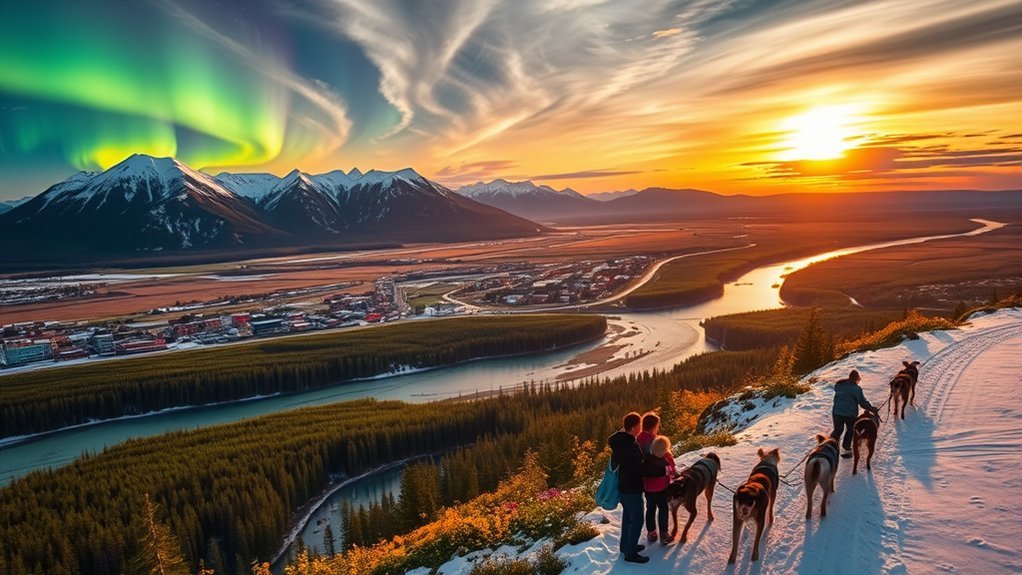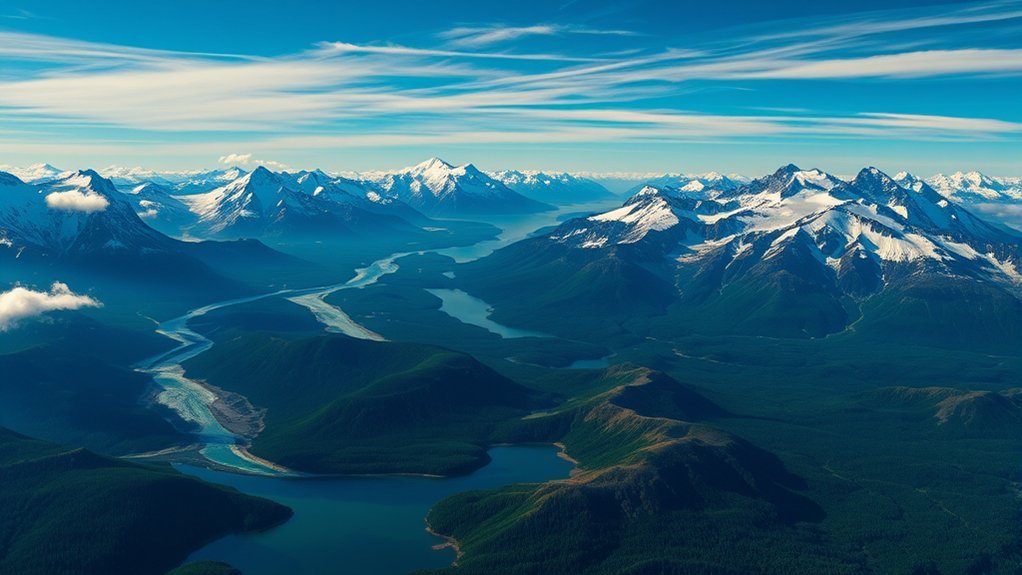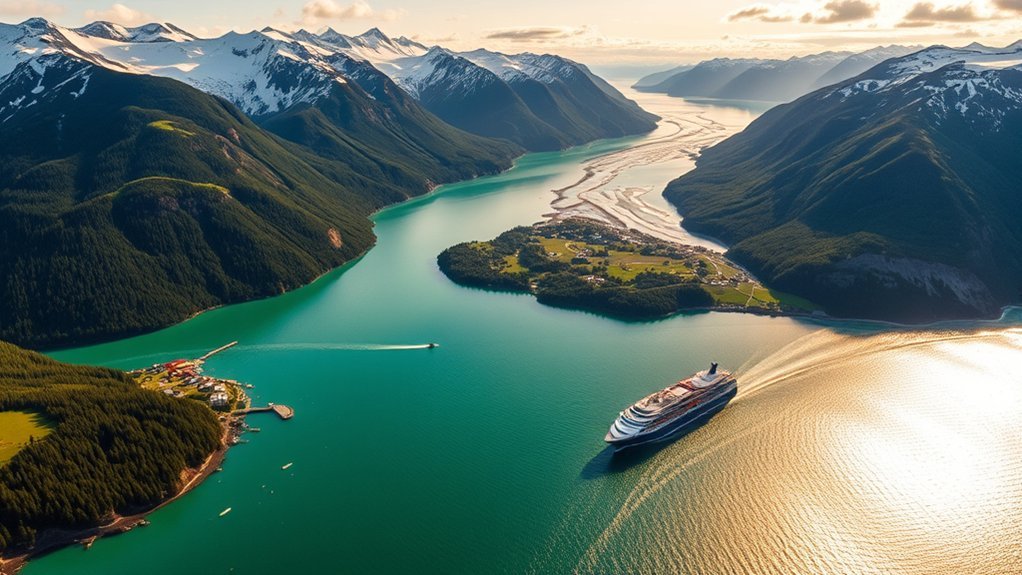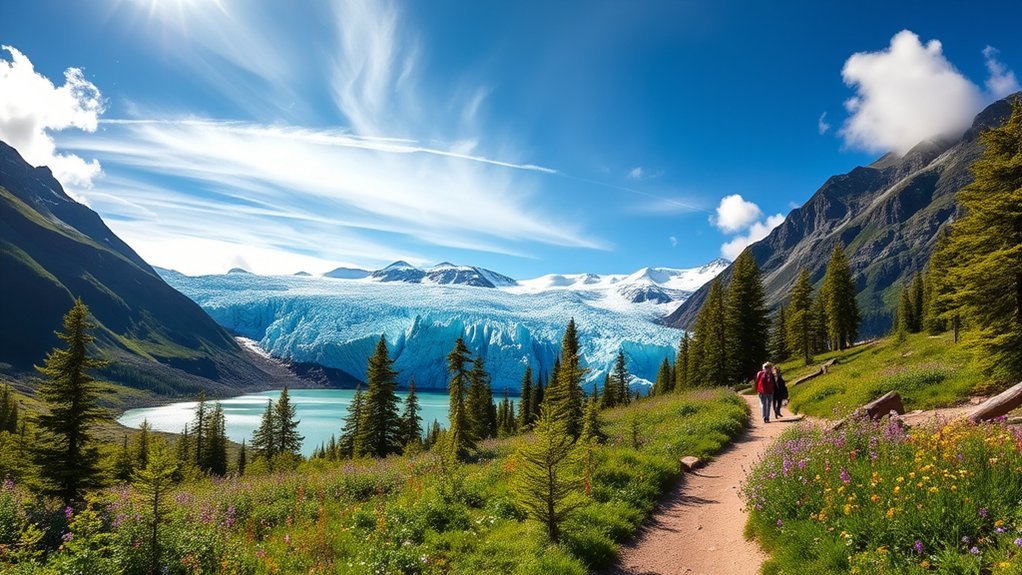
Exit Glacier can feel easy to reach, but a good visit still takes planning. Weather, trail conditions, wildlife, and seasonal access can change fast in this part of Alaska. This guide shows you how to get to Exit Glacier, when to visit, what trails to choose, and how to explore safely.
Quick Answer
Exit Glacier sits near Seward, Alaska, inside Kenai Fjords National Park. Most visitors drive or take a shuttle to Seward, then continue by road to the Exit Glacier area when seasonal access allows. Summer offers the easiest trail access, while shoulder seasons can bring snow, closures, and limited services.
Key Takeaways
- Plan your route through Seward and check seasonal road and trail conditions before you go.
- Visit from late May through mid-September for the best chance of open trails and milder weather.
- Choose an easy glacier-view trail or a harder route toward the Harding Icefield based on your fitness.
- Stay on marked trails, keep distance from wildlife, and pack layers for fast weather changes.
Getting to Exit Glacier: Transportation Options
When you plan your visit to Exit Glacier, you have several transportation options that can make the trip easier and more flexible.
If you fly into Anchorage, you can rent a car and drive to Seward. The route gives you more control over stops, timing, food, and side trips.
You can also book a shuttle service between Anchorage and Seward if you don’t want to drive. Once you reach Seward, check local options for reaching the Exit Glacier area, since service and access can change by season.
Shuttle service can remove the stress of the drive, but you should confirm current routes before you book.
Guided tours offer another option. A guide can handle transportation, explain the landscape, and help you understand how glaciers shape the valley.
Best Times to Visit Exit Glacier
The best time to visit Exit Glacier usually runs from late May through mid-September. During this period, you have the best chance of open roads, open trails, and more comfortable hiking weather.
Summer often brings mild daytime temperatures, long daylight hours, and better views of the glacier. You may also see wildflowers along the trails and active wildlife in nearby habitats.
Early mornings and late afternoons can feel quieter than midday. These times also give you softer light for photos and a calmer trail experience.
If you want stronger waterfalls and more snowmelt, consider mid-June through mid-July. Conditions still change quickly, so check current alerts before you leave Seward.
Entrance Fees and Park Regulations
Before you start your Exit Glacier trip, review current park rules and local conditions. Kenai Fjords National Park policies, services, and access can change by season.
Keep these points in mind before you go:
- Entrance fees: Check the official park website before your trip, since fee rules can change.
- Seasonal access: Road, trail, and visitor service hours may vary with weather and snow.
- Leave No Trace: Pack out all trash and keep food secured.
- Wildlife safety: Watch animals from a distance and never feed or approach them.
Note: Before you go, check official park alerts for road status, trail conditions, and visitor center hours.
Hiking Trails and Viewing Points
Exit Glacier offers hiking trails and viewing points for different skill levels. You can choose a short walk, a moderate route, or a demanding climb with wide views.
For an easier outing, start with the Glacier View Loop or other short viewpoint trails when open. These routes give you a simple way to see the glacier area without a long hike.
If you want a harder adventure, consider the Harding Icefield Trail. This route climbs steeply and can reward prepared hikers with panoramic vistas of ice, peaks, and valley terrain.
Pause at marked viewpoints along the way. These stops help you take in the scale of the glacier while staying on safer, lower-impact routes.
What to Pack for Exit Glacier
A smart packing list can make your visit safer and more comfortable. Weather near the glacier can shift from sun to wind or rain in a short time.
- Layers: Bring a moisture-wicking base layer, warm mid-layer, and waterproof shell.
- Footwear: Wear sturdy shoes or hiking boots with good traction.
- Water and snacks: Carry enough for your route, especially on longer hikes.
- Navigation: Bring a map or saved offline directions, since cell service may be weak.
- Sun and rain protection: Pack sunglasses, sunscreen, and rain gear.
Wildlife and Flora to Observe
As you explore Exit Glacier, watch for the diverse wildlife and hardy plants that live in this changing landscape.
You may see birds, moose, bears, mountain goats, or smaller animals in the wider area. Keep your distance, make noise on trails, and store food well.
The plant life also adds color and texture to the valley. Look for wildflowers, shrubs, mosses, lichens, and trees that grow in areas shaped by retreating ice.
Common Wildlife Species
While exploring the landscapes around Exit Glacier, you may spot wildlife that thrives in this rugged ecosystem.
Watch for these species from a safe distance:
- Bald eagles: Large birds that often soar above waterways and open areas.
- Black bears: Powerful animals that may move through forested areas near trails.
- Mountain goats: Agile climbers that can appear on steep rocky slopes.
- Moose: Large mammals that may feed near brush, ponds, or forest edges.
Warning: Give bears, moose, and other wildlife plenty of space, and never try to feed them.
Unique Flora Varieties
The landscapes around Exit Glacier also support a rich mix of hardy plants. These plants help show how life returns after ice leaves the valley.
You may see vibrant wildflowers such as lupine and fireweed during the warmer months. Trees such as spruce and cottonwood can also grow in suitable areas near the glacier valley.
Mosses and lichens add color and texture to rocks, soil, and forest floors. Each plant helps stabilize the landscape and supports insects, birds, and mammals.
Seasonal Observation Tips
Each season changes what you may see at Exit Glacier. Plan your expectations around weather, snow, daylight, and wildlife activity.
- Spring: Watch for returning birds, melting snow, and early blooms where trails allow access.
- Summer: Look for wildflowers, green trails, active birds, and clearer glacier viewpoints.
- Fall: Expect cooler air, changing leaves, and shorter days.
- Winter: Prepare for snow, limited access, and quiet views if conditions allow travel.
Safety Tips for Your Glacier Adventure
Exit Glacier can look calm, but the terrain still demands care. Cold air, rain, uneven ground, and wildlife can change a simple walk into a risky outing.
Stay alert, follow posted signs, and adjust your plans when weather or trail conditions change. A safe visit starts before you step onto the trail.
Dress for Cold Weather
When you visit Exit Glacier, dress appropriately for cold, wet, and windy conditions. Layers help you stay warm without overheating during the hike.
Pack clothing that dries fast and protects you from rain and wind:
- Base layer: Choose moisture-wicking fabric to keep sweat away from your skin.
- Insulating layer: Use fleece or a light down jacket for warmth.
- Outer layer: Wear a waterproof, windproof jacket for rain and gusts.
- Accessories: Bring a warm hat, gloves, and dry socks.
With the right gear, you can focus on the glacier instead of the cold.
Stay on Designated Trails
Stay on designated trails to protect yourself and the delicate ecosystem around Exit Glacier. Marked routes guide you to safer viewpoints and help reduce damage to plants and soils.
Off-trail travel can disturb wildlife habitats, speed erosion, and place you near unstable ground or ice. Follow signs, barriers, and ranger guidance at all times.
You still have plenty of room to explore. Let the trails lead you through the best views while protecting this landscape for future visitors.
Frequently Asked Questions
Are there restrooms available at Exit Glacier?
Restroom availability can vary by season and visitor service status. Check current park information before you go, especially outside the main summer season.
Can I bring my pet to Exit Glacier?
Pet rules can vary by area within national parks, so check current park regulations before your visit. In protected areas, pet limits help protect wildlife, habitat, and other visitors.
Is there cell service near Exit Glacier?
Cell service near Exit Glacier may be weak or unavailable. Save maps, directions, and key park information before you leave Seward.
What should I wear for visiting Exit Glacier?
Wear layers, sturdy footwear, and a waterproof outer shell. Bring a hat, gloves, and extra dry socks if you plan to hike longer routes.
Are there guided tours available at Exit Glacier?
Guided options may operate in or around Seward during the main visitor season. Confirm current availability, route details, and skill requirements before you book.
References
- Kenai Fjords National Park — National Park Service
- Exit Glacier Area — National Park Service
- Safety — National Park Service
Conclusion
Exit Glacier gives you an unforgettable look at Alaska’s ice, trails, wildlife, and fast-changing landscape. Check current park conditions, pack layers, and choose a trail that matches your time and fitness. Respect posted rules and keep your distance from wildlife. With the right plan, you’ll leave with a safer trip and a deeper respect for this remarkable place.