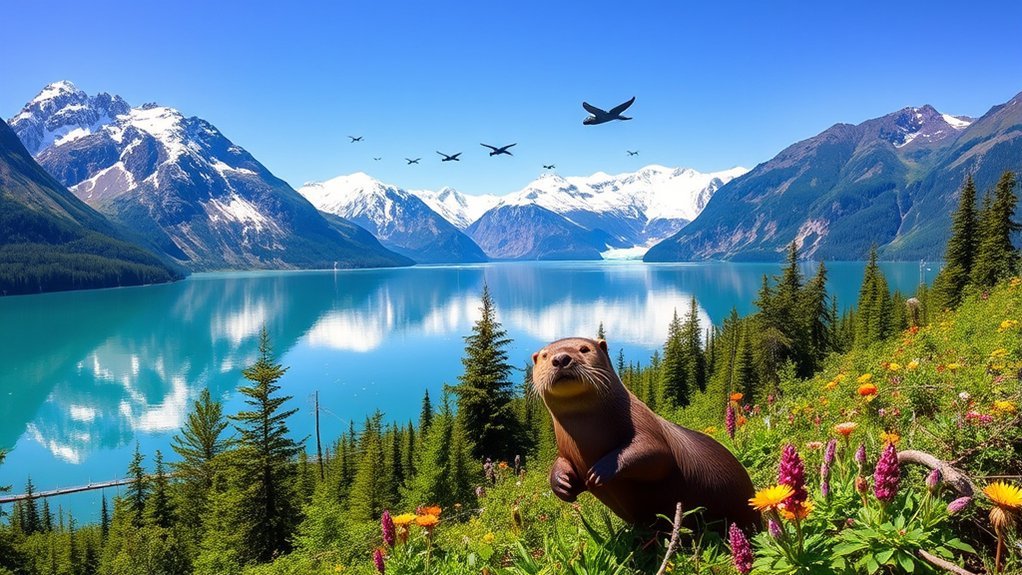
Imagine standing quietly at Bartlett Cove as a sea otter surfaces offshore or a bald eagle watches from a spruce tree. Glacier Bay National Park and Preserve offers exceptional wildlife viewing, but success depends on knowing where different animals live, when they are most active in the park, and which wildlife-protection rules apply. A little planning can help you see more while giving bears, whales, seals, seabirds, and other animals the space they need.
Quick Answer
For the best Glacier Bay wildlife viewing, explore Bartlett Cove on foot and use a boat or guided tour for the upper bay. Summer is especially productive, with humpback whale numbers typically peaking in July and August. South Marble Island is excellent for seabirds and Steller sea lions, while bears, mountain goats, sea otters, seals, and eagles may appear throughout the park.
Key Takeaways
- Bartlett Cove is the easiest land-based wildlife-viewing area and the center of the park’s developed trail system.
- South Marble Island is a standout boat-based stop for puffins, murres, kittiwakes, cormorants, and Steller sea lions.
- Humpback whale numbers generally rise in June and peak in July and August rather than in late autumn.
- In Glacier Bay park waters, vessels and kayaks must stay at least 1/4 nautical mile from humpback whales.
- Both black and brown bears occur in Glacier Bay. Never approach a bear for a photograph or block its travel route.
- Seasonal seal, seabird, and whale-water restrictions can change, so check current National Park Service guidance before entering park waters.
Top Wildlife Viewing Locations in Glacier Bay
When you explore Glacier Bay National Park and Preserve, wildlife viewing changes dramatically depending on whether you remain around Bartlett Cove or travel farther into the bay by boat or kayak. There are no roads extending through the park and no hiking trail from Bartlett Cove to the famous upper-bay glaciers.
Bartlett Cove
Bartlett Cove is the park’s main developed area and the best starting point for visitors exploring on foot. Short trails, the shoreline, docks, forest, river habitat, and intertidal areas create opportunities to see bald eagles, shorebirds, river otters, porcupines, black bears, sea otters, harbor seals, and other wildlife.
The National Park Service notes that black bears are particularly associated with the forested lower bay, including Bartlett Cove. Brown bears can also occur in Glacier Bay, so remain alert even on developed-area walks. See the National Park Service overview of Glacier Bay bears before hiking.
South Marble Island
If you travel up the bay by boat, South Marble Island is one of the most productive wildlife-viewing stops. Tufted and horned puffins, common murres, pelagic cormorants, black-legged kittiwakes, and other seabirds use the island, while Steller sea lions haul out on its rocky shores.
Do not assume you can approach the island wherever you choose. Park regulations establish wildlife-protection distances and seasonal closures around sensitive seabird and marine-mammal areas.
Lower Bay and Whale Waters
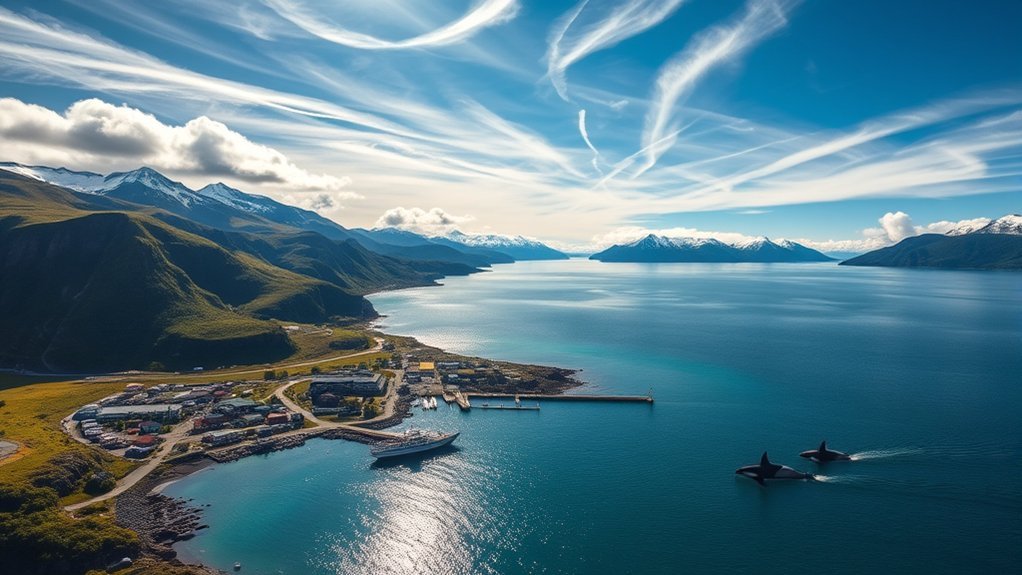
The lower bay is important humpback whale habitat during the main visitor season. Whale concentrations move as feeding conditions change, which is why the National Park Service can designate temporary whale waters and adjust vessel speed limits during the summer.
Orcas may also appear, but they are less predictable than humpback whales. Treat an orca sighting as a bonus rather than something you can reliably schedule.
Upper-Bay Shorelines and Mountain Slopes
As a boat travels farther into Glacier Bay, scan beaches for bears and other terrestrial mammals and check steep, open mountain slopes for the white coats of mountain goats. Brown bears occur through much of Glacier Bay, while black bears are most closely associated with forested lower-bay habitat.
Wildlife can appear almost anywhere along the shoreline, so keep binoculars within reach rather than packed away.
Margerie Glacier and the West Arm
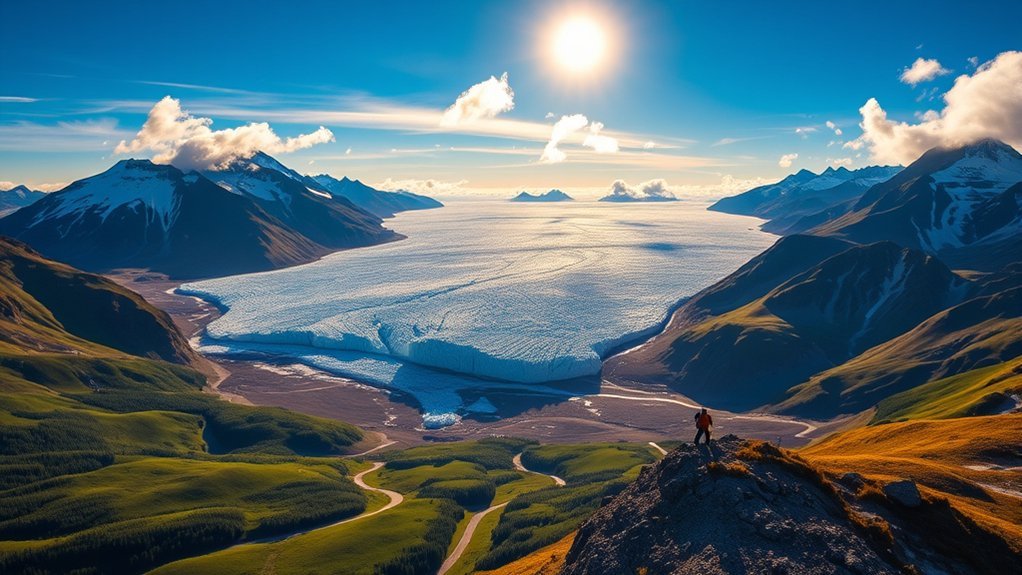
Margerie Glacier is not reached by a developed hiking trail. It is about 55 nautical miles from Bartlett Cove and is normally viewed from the water. The park’s daily tour-boat route is one common way visitors travel into the upper bay and see glaciers while scanning for marine and terrestrial wildlife. Review the NPS Glacier Bay Tour Boat information when planning an upper-bay wildlife trip.
| Area | Wildlife to Watch For | Best Access |
|---|---|---|
| Bartlett Cove | Black bears, eagles, shorebirds, sea otters, river otters, harbor seals | Walking, shoreline viewing, short trails |
| South Marble Island | Puffins, murres, kittiwakes, cormorants, Steller sea lions | Boat |
| Lower Bay | Humpback whales, sea otters, porpoises, seabirds | Boat or kayak |
| Upper-Bay Shorelines | Brown bears, mountain goats, occasional wolves or moose | Boat or experienced backcountry travel |
| Johns Hopkins Inlet Area | Harbor seals and pups | Boat or kayak subject to seasonal closures and approach restrictions |
Pro Tip: Scan with your unaided eyes first. Movement, splashes, blows, white mountain-goat coats, or dark shapes on a beach are easier to notice across a wide field of view. Once you spot something, raise your binoculars for detail.
Best Times for Wildlife Sightings
There is no single hour or month when every species is easiest to see. Glacier Bay’s wildlife changes with migration, breeding, food availability, tides, weather, and sea conditions.
According to the NPS Wildlife Viewing Seasonal Calendar, spring brings emerging bears, returning migratory birds, and mountain goats moving toward lower elevations. Summer offers some of the broadest wildlife-viewing opportunities.
For humpback whales specifically, National Park Service monitoring shows that numbers usually begin rising in mid-June, peak in July and August, decline somewhat in September, and are lowest from October through March.
For visitors hoping to combine whales, seabirds, seals, and active terrestrial wildlife, summer generally provides the broadest mix of opportunities in Glacier Bay.
| Season | Wildlife Highlights |
|---|---|
| Spring | Bears emerging from dens, migrating birds, mountain goats at lower elevations, marine activity associated with returning fish. |
| Summer | Humpback whales, harbor seals and pups, nesting seabirds, sea lions, bears, sea otters, and mountain goats. |
| Fall | Bird migration, late salmon activity, rutting moose and mountain goats, and continued but generally decreasing humpback numbers in September. |
| Winter | Wildlife tracks, resident birds, sea otters, and animals moving toward coastal or lower-elevation habitat; visitor services are much more limited. |
Early morning and evening can be productive for terrestrial wildlife and may provide quieter conditions around Bartlett Cove. However, you should not rely on a strict time-of-day rule. Marine feeding activity, tides, visibility, and simple chance can matter more.
Essential Gear for Wildlife Viewing
Having the right gear helps you watch animals without trying to get physically closer. Glacier Bay is also wet, cool, and exposed, so wildlife equipment should be paired with weather protection.
Binoculars and Spotting Scopes
A good pair of binoculars is one of the most useful pieces of Glacier Bay wildlife gear. It lets you inspect beaches, cliffs, islands, and open water while maintaining respectful distances.
When choosing binoculars, consider:
- Magnification: 8x or 10x binoculars are practical for general wildlife viewing.
- Objective lens size: Larger lenses collect more light but add weight.
- Field of view: A wider view makes moving whales and birds easier to locate.
- Weather resistance: Waterproof and fog-resistant construction is valuable in Southeast Alaska.
- Weight: A comfortable binocular is more likely to remain around your neck rather than inside your bag.
A spotting scope can help with stationary wildlife on distant beaches or cliffs, but it is less convenient than binoculars on a moving boat.
Photography Equipment Essentials
You do not need professional equipment to enjoy Glacier Bay, but a telephoto lens helps you make detailed wildlife photographs without disturbing an animal.
| Gear Type | Practical Choice | Purpose |
|---|---|---|
| Camera | Mirrorless, DSLR, or capable compact camera | Photographs and video |
| Lens | Telephoto or telephoto zoom | Frame distant animals without approaching them |
| Support | Monopod, tripod, or image-stabilized lens | Reduce camera shake when conditions allow |
| Weather protection | Rain cover and dry bag | Protect electronics from spray and rain |
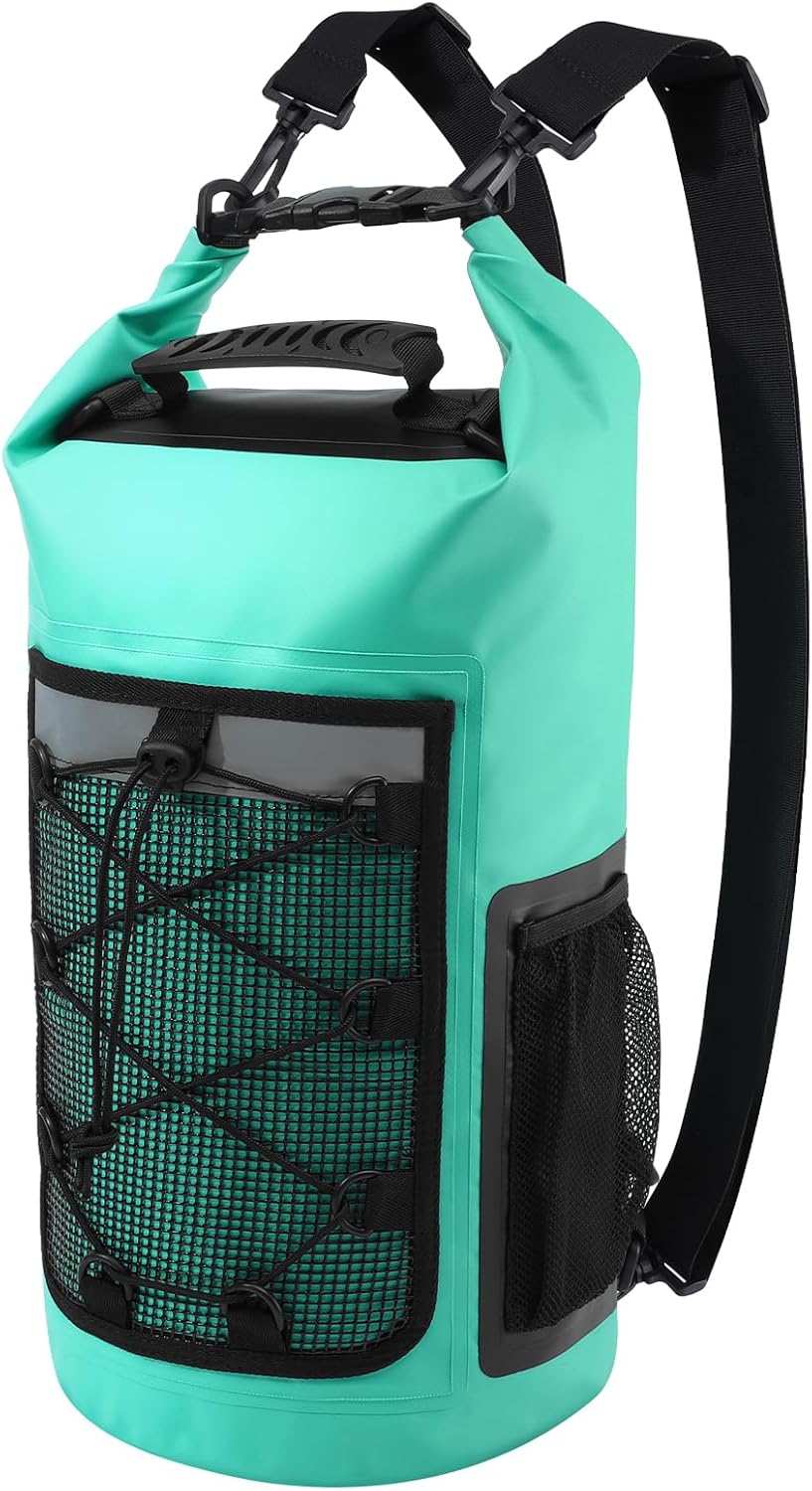
Also pack rain gear, warm layers, spare batteries, lens cloths, and a waterproof bag. Cold temperatures can shorten battery life, while rain and sea spray can quickly cover lenses.
Ethical photography matters more than getting the frame. If an animal changes direction, stops feeding, becomes alert, vocalizes, or moves away because of you, increase your distance.
Tips for Safe Whale Watching
Whale watching is one of Glacier Bay’s most memorable experiences, but the park has specific rules designed to protect feeding humpback whales and reduce vessel strikes.
Respecting Wildlife Boundaries
In Glacier Bay National Park waters, all vessels, including kayaks, must not operate within 1/4 nautical mile of a humpback whale. A vessel within 1/2 nautical mile may not alter its course or speed in a way that decreases its distance from the whale.
If a vessel accidentally ends up within 1/4 nautical mile, the operator must slow to 10 knots or less and move away from the whale until the required separation is restored. Do not shift into reverse unless avoiding an impact requires it.
These Glacier Bay-specific rules are stricter than the simple 100-yard guidance visitors may encounter elsewhere in Alaska. Review the current Glacier Bay boating regulations before operating a vessel.
Warning: Never chase a whale, cut across its path, or intentionally move closer for a photograph. Humpbacks can surface unexpectedly, creating a collision risk for both the whale and the vessel.
Best Viewing Practices
A successful whale-watching experience prioritizes distance, patience, and predictable vessel movement.
- Keep a wide watch around the boat rather than focusing on one whale.
- Use binoculars or a telephoto lens instead of closing the distance.
- Reduce unnecessary noise and avoid abrupt maneuvering.
- Never position a vessel in a whale’s apparent travel path.
- Give mothers and calves extra room.
- Watch for blows, dorsal fins, splashes, and feeding birds that may indicate marine activity.
- Follow all posted speed and course restrictions.
Note: Glacier Bay’s temporary whale-water boundaries and speed restrictions can change during the season as whales move between feeding areas. Check the current NPS regulations or contact Bartlett Cove before entering park waters rather than relying on an older map.
Observing Sea Otters and Other Marine Life
Sea otters are among Glacier Bay’s most recognizable marine mammals. They can be seen throughout the year, sometimes floating on their backs while feeding, grooming, or resting. The NPS seasonal calendar notes that pups are commonly born between February and April.
Other marine wildlife to watch for includes:
- Humpback whales feeding and traveling through the bay
- Harbor seals resting on ice or using protected pupping habitat
- Steller sea lions hauled out at locations such as South Marble Island
- Harbor porpoises surfacing briefly in open water
- Orcas, which may pass through the bay but are less predictable
- Sea stars and other intertidal animals around protected shorelines
Johns Hopkins Inlet is especially important harbor-seal habitat. Seasonal restrictions protect seals during pupping and nursing. The inlet is closed to vessel entry in the protected area from May 1 through June 30, and additional seal-approach restrictions apply during July and August. Always verify the current regulation map before entering.
Watching marine mammals without disturbing them helps preserve the behaviors visitors came to see in the first place.
Birdwatching Opportunities in Glacier Bay
Glacier Bay supports exceptional birdwatching because its forests, wetlands, rocky islands, intertidal areas, cliffs, and marine waters create many different habitats.
The National Park Service’s official checklist records 281 bird species through February 2016. That number is a dated checklist total rather than a guarantee that all 281 species are present during any single visit. See the NPS Glacier Bay bird information for current park guidance and checklist resources.
Species visitors may encounter include:
- Bald eagles
- Tufted and horned puffins
- Common murres
- Pigeon guillemots
- Black-legged kittiwakes
- Pelagic cormorants
- Marbled murrelets
- Loons, grebes, shorebirds, sea ducks, and other seasonal migrants
Bartlett Cove is convenient for forest, shore, and intertidal birding, while South Marble Island is a major boat-based destination for nesting seabirds. Migration makes spring and fall especially interesting, while summer is excellent for breeding seabirds.
Some islands and nesting areas have seasonal approach restrictions. Observe colonies through binoculars and do not land on closed islands.
Respecting Wildlife and Their Habitat
Wildlife viewing works best when animals are allowed to continue feeding, resting, traveling, and caring for young without reacting to people.
Follow these principles throughout Glacier Bay:
- Never feed wildlife.
- Do not surround, pursue, or block an animal’s route.
- Use binoculars and telephoto lenses instead of approaching.
- Keep food, garbage, and scented items secured.
- Stay out of seasonal closure areas.
- Keep noise low around marine mammals and nesting birds.
- Do not touch or collect intertidal animals.
- Pack out trash and leave natural objects where you find them.
If an animal stops feeding, repeatedly looks toward you, changes direction, moves away, becomes vocal, or otherwise changes its behavior in response to you, you are too close.
Bear Safety While Wildlife Viewing
Glacier Bay contains both black bears and brown bears. A bear sighting can be a trip highlight, but intentionally approaching a bear for a photograph is dangerous.
The National Park Service recommends staying alert for bear sign, making your presence known where visibility is limited, and traveling with others when practical. Visitors should also avoid surprising bears near salmon streams and other concentrated food sources. Review the NPS Glacier Bay bear-safety guidance before hiking or camping.
- Watch and listen for bears before entering dense vegetation or approaching blind corners.
- Talk or make regular human noise where wind, water, or vegetation limits visibility.
- Never run from a bear.
- Never pursue a bear that moves away from you.
- Keep food and scented items controlled at all times.
- Give bears access to beaches, streams, and travel routes.
- Consider carrying bear spray in the backcountry and know how to use it before you need it.
Warning: A bear feeding near a salmon stream, carcass, or other concentrated food source may be especially focused on that area. Do not move closer to get a photograph and never place yourself between the bear and its food or escape route.
Seasonal Closures and Wildlife Regulations
Some of Glacier Bay’s most productive wildlife areas are also its most sensitive habitats. Restrictions can apply to boats, kayaks, campers, and shore visitors.
Important examples include:
- Whale waters: Speed limits and course rules may be imposed where humpback whales are feeding.
- Johns Hopkins Inlet: Seasonal restrictions protect harbor seals and pups.
- Seabird nesting areas: Certain islands close seasonally and require minimum approach distances.
- Sea-lion and seabird colonies: Park rules establish minimum vessel or visitor approach distances in specified areas.
- Temporary wildlife closures: Bear activity or other resource concerns can cause short-notice advisories or closures.
Regulations are not simply suggestions for better photographs. They protect feeding, breeding, nursing, nesting, and resting animals and can change as conditions in the park change.
Weather, Tides, and Backcountry Safety
Wildlife is only one part of staying safe in Glacier Bay. Rain, cold water, wind, rapidly changing weather, strong tidal currents, and remote terrain can become serious problems.
Bartlett Cove offers developed trails, but much of the Glacier Bay backcountry has no maintained trail system. Shoreline travel may involve rocks, mud, dense vegetation, and changing tides.
If you leave the developed area:
- Carry waterproof layers and insulation even when the day begins clear.
- Keep electronics and spare clothing in dry bags.
- Understand local tides before traveling along beaches or intertidal areas.
- Carry enough food and emergency equipment to be self-sufficient.
- Store food and scented items according to bear-country requirements.
- Tell someone your route when undertaking independent backcountry travel.
Guided Tours vs. Independent Exploration
Choosing between a guided trip and independent exploration depends largely on which part of Glacier Bay you want to experience.
Independent exploration works especially well around Bartlett Cove, where visitors can walk the shoreline and developed trails at their own pace. Experienced boaters and kayakers can explore farther into the park, but they must understand permits, tides, weather, closures, navigation, and wildlife rules.
Guided or concession-operated boat trips make upper-bay wildlife viewing much easier for visitors without a vessel. A ranger or naturalist can also help identify distant animals and explain current park conditions.
| Aspect | Guided Tours | Independent Exploration |
|---|---|---|
| Wildlife knowledge | Guides help locate and identify distant animals | Requires your own research and identification skills |
| Flexibility | Follows a planned route and schedule | More freedom within access and regulation limits |
| Upper-bay access | Straightforward for visitors without a boat | Requires appropriate boat, kayak, permit, or backcountry planning |
| Best fit | First-time visitors or travelers focused on upper-bay wildlife and glaciers | Bartlett Cove walkers and experienced independent boaters or paddlers |
Neither option guarantees a wildlife sighting. Animals move freely, and weather or changing park restrictions can alter any day’s viewing opportunities.
Frequently Asked Questions
What Types of Wildlife Can I Expect to See in Glacier Bay?
Possible sightings include humpback whales, sea otters, Steller sea lions, harbor seals, harbor porpoises, orcas, black bears, brown bears, mountain goats, moose, wolves, bald eagles, puffins, murres, kittiwakes, cormorants, and many other birds. Sightings are never guaranteed, and the species you see depends on location and season.
Are There Any Seasonal Restrictions for Wildlife Viewing in the Park?
Yes. Glacier Bay uses seasonal and temporary restrictions to protect humpback whales, harbor seals, nesting seabirds, sea lions, bears, and other wildlife. Johns Hopkins Inlet has seasonal harbor-seal protections, some nesting islands close during breeding periods, and temporary whale-water speed restrictions can change during summer. Check current NPS park-water regulations immediately before your trip.
Can I Bring My Pet While Wildlife Viewing in Glacier Bay?
Pets are allowed only in limited locations. They may be on the Bartlett Cove Public Use Dock, the designated beach section between the public dock and NPS administrative dock, within 100 feet of Bartlett Cove developed-area roads or parking areas unless posted otherwise, and aboard vessels on the water. Pets are generally not permitted on park trails, other beaches, or in the backcountry. They must remain leashed or physically restrained where allowed.
What Are the Park Regulations Regarding Drone Use for Wildlife Photography?
Launching, landing, or operating unmanned aircraft such as recreational camera drones is prohibited in Glacier Bay National Park and Preserve unless specifically authorized. Plan to photograph wildlife with a ground-based camera, telephoto lens, or binoculars instead.
Is It Safe to View Wildlife Alone or Should I Go With a Group?
Bartlett Cove’s developed areas can be explored independently, but traveling with others is a sensible choice in bear country and remote backcountry. Groups are easier for bears to detect and provide additional help if weather, injury, tides, or navigation create a problem. Remote independent travel requires appropriate experience and emergency preparation.
When Is the Best Time to See Humpback Whales in Glacier Bay?
Humpback whale numbers generally increase from mid-June and are highest in July and August. Numbers are usually lower in April, May, and September and lowest from October through March. Exact sightings still depend on feeding conditions and where whales are distributed on the day of your visit.
Where Is the Best Place to See Puffins and Sea Lions?
South Marble Island is one of Glacier Bay’s best-known boat-based wildlife stops. Tufted and horned puffins and other seabirds nest there, and Steller sea lions use the rocks as a haulout. Visitors must follow park approach-distance and wildlife-protection rules around the island.
Conclusion
Glacier Bay National Park and Preserve rewards patient wildlife watchers with opportunities to see everything from sea otters and nesting puffins to humpback whales, mountain goats, and bears. Bartlett Cove is the easiest place to begin on foot, while a boat trip opens access to South Marble Island, whale habitat, remote shorelines, and the upper bay.
The most important strategy is simple: look from a distance, keep binoculars ready, follow seasonal closures, and never sacrifice an animal’s safety for a closer photograph. Wildlife movements and park restrictions change, so checking current National Park Service guidance before your visit gives you the best chance of having a memorable experience without disturbing the animals that make Glacier Bay special.
Sources
- National Park Service — Wildlife Viewing Seasonal Calendar — seasonal wildlife activity in Glacier Bay.
- National Park Service — Birds of Glacier Bay — bird diversity, checklist information, and birding resources.
- National Park Service — Glacier Bay Boating Regulations — humpback-whale distances, whale waters, speed limits, and marine wildlife rules.
- National Park Service — Bears and People — bear viewing, hiking, camping, food storage, and encounter prevention.
- National Park Service — Pets — locations where pets are and are not permitted in Glacier Bay.
- National Park Service — Laws and Policies — current park policies including unmanned aircraft restrictions.