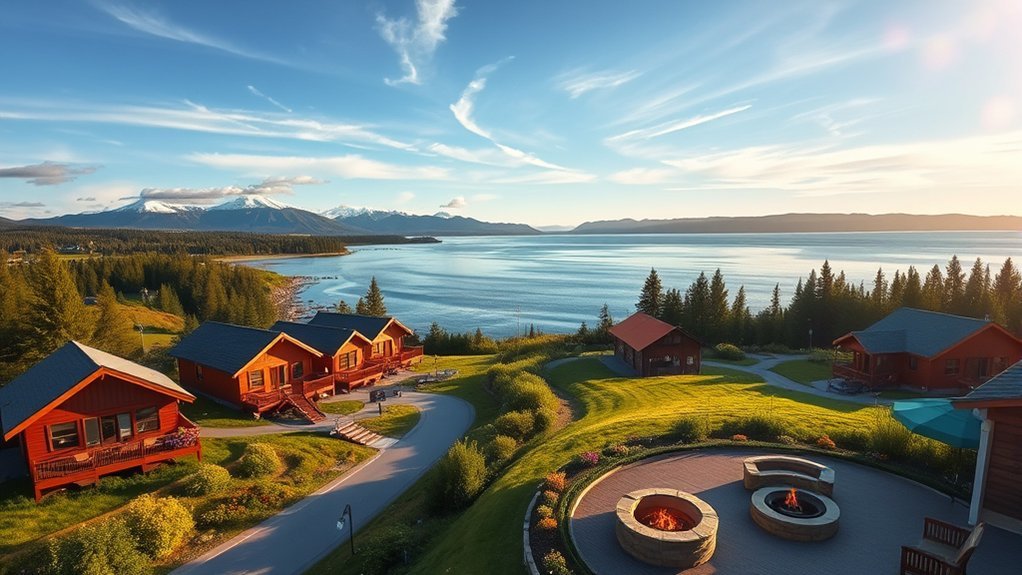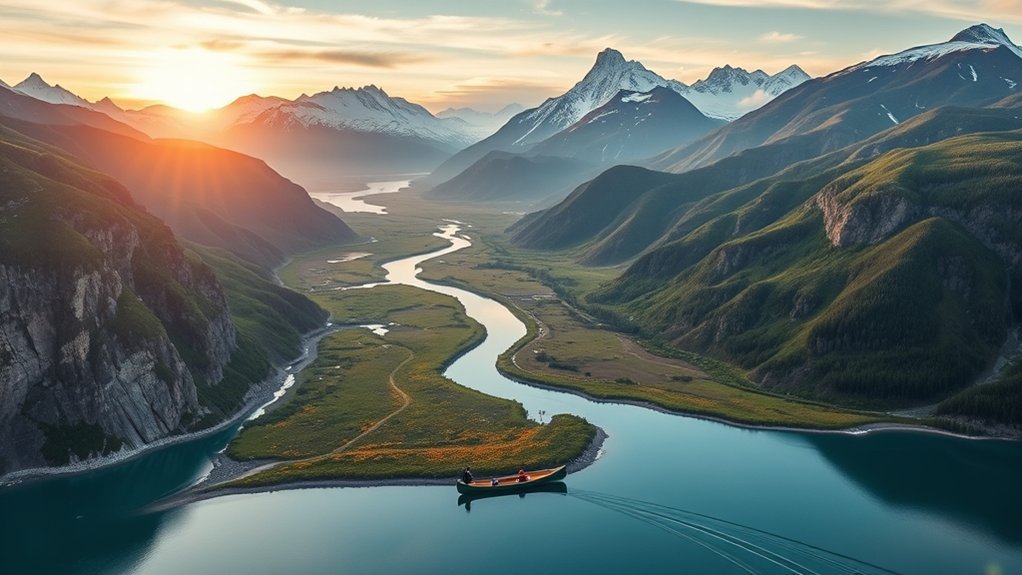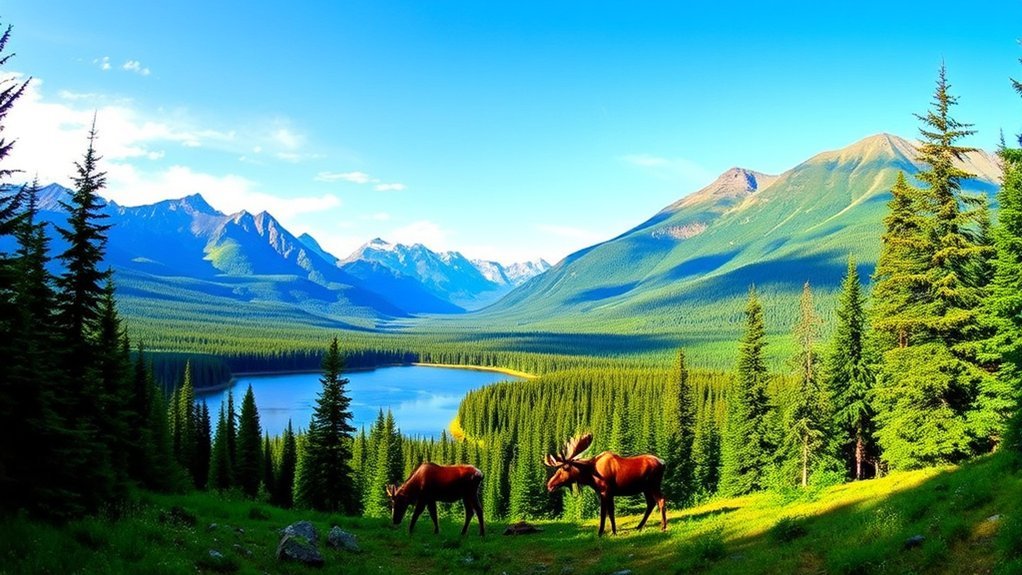
Chugach State Park Wildlife Viewing Guide
Wildlife in Chugach State Park can appear closer to Anchorage than many visitors expect, but safe viewing takes planning. Moose, bears, Dall sheep, eagles, and smaller animals all use the park’s valleys, slopes, rivers, and forests. This guide shows you where to look, when to go, and how to enjoy each sighting without putting yourself or the animals at risk.
What’s in This Article
- What Makes Chugach State Park Good for Wildlife Viewing?
- Best Times for Wildlife Viewing
- Top Wildlife Species to Spot
- Scenic Viewing Areas
- Recommended Hiking Trails
- What to Bring for Wildlife Viewing
- Photography Tips for Wildlife
- Understanding Animal Behavior
- Safety Guidelines for Wildlife Encounters
- Leave No Trace Principles
- Additional Resources for Visitors
- Frequently Asked Questions
Quick Answer
The best wildlife viewing in Chugach State Park often happens near open valleys, river corridors, alpine slopes, and quiet trail edges. Go early in the morning or late in the day, bring binoculars, and keep at least 100 yards from bears and 25 yards from moose. Watch from a safe distance, store food well, and never follow or feed wildlife.
Key Takeaways
- Visit at dawn or near dusk for better chances of seeing active wildlife.
- Use binoculars or a zoom lens so you can watch animals from a safe distance.
- Keep at least 100 yards from bears and at least 25 yards from moose.
- Stay on marked trails to protect plants, nesting areas, and fragile alpine ground.
- Check official park updates before you go, especially during bear activity or poor trail conditions.
What Makes Chugach State Park Good for Wildlife Viewing?
Chugach State Park sits just outside Anchorage and offers a rare mix of wild land and easy access. The park covers about 495,000 acres, making it one of the largest state parks in the United States.
You can move from forested trailheads to alpine tundra, rocky ridges, river valleys, and open slopes in a single visit. This range of habitats gives many animals places to feed, rest, nest, and move with the seasons.
The park’s trail system supports hiking, biking, skiing, and wildlife watching, depending on the season and trail conditions. You can seek quiet views without traveling far from the city.
That easy access also means you need to act with care. Wildlife in the park may live close to roads, homes, and busy trailheads, so your choices can affect their safety.
Best Times for Wildlife Viewing
You can spot wildlife in Chugach State Park during any season, but timing shapes what you may see. Animal activity changes with food, daylight, weather, and breeding cycles.
- Spring (April to May): Moose, bears, and birds become more active as snow melts and new food appears.
- Summer (June to August): Long daylight hours help you explore more, but early mornings and late evenings still work best.
- Fall (September to October): Moose enter the rut, bears feed heavily, and many birds begin seasonal movement.
- Winter (November to March): Tracks in snow can help you notice animals, even when sightings become less frequent.
Cooler parts of the day often give you the best viewing window. Midday can still work in winter because animals may move during warmer light.
Top Wildlife Species to Spot
Chugach State Park supports many animals, but a few species draw the most attention. Watch slowly and scan open edges, slopes, riverbanks, and forest clearings.
- Moose: Look near wetlands, brushy areas, trail edges, and willow stands, especially at dawn or dusk.
- Black bears and brown bears: Bears may use valleys, berry patches, salmon streams, and wooded areas during feeding seasons.
- Dall sheep: Scan steep, rocky slopes and high ridges where sheep can avoid many predators.
- Bald eagles and raptors: Watch above ridgelines, rivers, open water, and wind currents near cliffs.
- Ptarmigan: Search alpine zones and brushy tundra, where their plumage helps them blend with the season.
- Beavers and river otters: Check quiet water, river edges, ponds, and wetland channels from a safe distance.
Lynx also live in the region, but sightings are uncommon because they move quietly and avoid people. Tracks, scat, and feeding signs may tell you more than a direct sighting.
Scenic Viewing Areas
Chugach State Park gives you many scenic places to watch for wildlife. The best areas combine wide views, mixed habitat, and safe stopping points.
Use these locations as starting points, not as guarantees. Wildlife moves daily, so patience and quiet observation matter.
Popular Viewing Locations
Several areas offer strong chances for wildlife viewing because they include open space, water, forest, or alpine terrain.
- Flattop Mountain area: The open slopes and broad views can help you scan for sheep, raptors, and smaller alpine wildlife.
- Eagle River Nature Center area: Riverbanks, forest, and valley habitat may offer chances to see moose, beavers, birds, and tracks.
- Turnagain Arm viewpoints: Pullouts and overlooks can provide views of birds, mountain slopes, and coastal scenery.
- Powerline Pass area: Open terrain gives you long sightlines for moose, sheep on distant slopes, and birds of prey.
Kincaid Park sits in Anchorage rather than inside Chugach State Park, so use it as a nearby wildlife option, not a Chugach viewing site. It can still be useful if you want an easier urban nature walk.
Ideal Times to Visit
Early morning and late afternoon often give you the best chance to see animals. Many species feed or move during these cooler, quieter hours.
| Time of Day | Best Season | Likely Wildlife |
|---|---|---|
| Early Morning | Spring and Summer | Moose, bears, birds |
| Late Afternoon | Summer and Fall | Moose, raptors, bears |
| Midday | Winter | Tracks, birds, sheep on slopes |
Weather can change fast in the Chugach Mountains. Check conditions before you leave, and turn back if visibility drops or trails become unsafe.
Recommended Hiking Trails
The park offers trails for many skill levels, but wildlife viewing improves when you choose routes with open sightlines and varied habitat. Pick a trail that matches your fitness, gear, and weather conditions.
- Flattop Mountain Trail: This popular trail gives wide views and access to open alpine terrain, but it can feel steep and busy.
- Powerline Pass Trail: This route offers broad valley views and better long-distance scanning for wildlife on open slopes.
- Eagle River Nature Center trails: These trails pass through river, forest, and valley habitat with good chances for tracks and bird activity.
- Glen Alps area trails: These routes can work well for shorter viewing trips when you want fast access from Anchorage.
Stay alert near brushy corners, noisy streams, and low-visibility sections. Animals may not hear or see you until you get close.
What to Bring for Wildlife Viewing
The right gear helps you watch wildlife safely and comfortably. You don’t need a complex setup, but you should prepare for changing weather and distance.
- Binoculars: Use them to watch animals without moving closer.
- Bear spray: Carry it where you can reach it fast, and learn how to use it before your trip.
- Layered clothing: Bring warm, wind-resistant, and rain-ready layers for sudden weather shifts.
- Sturdy footwear: Wear shoes or boots with good grip for mud, rocks, roots, and snow patches.
- Map or offline navigation: Cell service can be limited in valleys and mountain areas.
- Food storage bags or containers: Keep snacks sealed and never leave food scraps behind.
Pro tip: Pack binoculars before you pack a long camera lens, because safe viewing starts with distance.
Photography Tips for Wildlife
Good wildlife photos come from patience, distance, and light. A telephoto lens helps you capture animals without walking too close.
Use early morning or late afternoon light when possible. Softer light can make fur, feathers, and landscapes look more natural.
Try to shoot from the animal’s eye level when you can do so safely. Keep the background simple so the animal stays clear in the frame.
Never bait, chase, call, or block wildlife for a photo. Ethical photography protects the animal and gives you a more honest image.
Understanding Animal Behavior
Wildlife viewing becomes safer when you learn how animals move, feed, and react. You don’t need expert skills, but you should watch body language closely.
Season, weather, food, and breeding cycles can all change animal behavior. A calm animal can become defensive if you surprise it or move too close.
Seasonal Animal Movements
Seasonal movement in Chugach State Park follows food, snow depth, shelter, and breeding needs. These patterns help you choose better places to scan.
- Spring movement: Birds return, moose use fresh growth, and bears become more active after winter.
- Summer feeding: Bears, moose, sheep, and birds use rich food sources to build strength.
- Fall preparation: Moose breed, bears feed heavily, and some birds begin moving to winter ranges.
- Winter shifts: Some animals move to lower or more sheltered areas where food and cover remain easier to find.
Feeding and Breeding Habits
Many animals change their diets as food changes through the year. Moose browse willow and shrubs, while bears may feed on plants, berries, fish, or other food sources by season.
Breeding seasons can make some animals more sensitive to your presence. Moose can act more aggressive during the fall rut, and cows with calves need extra space in spring.
Watch for signs like tracks, fresh droppings, chewed branches, nests, and digging. These clues can help you notice wildlife without disturbing it.
Signs of Distress
Wildlife often gives warning signs before a situation becomes dangerous. Your safest choice is to notice those signs early and create more distance.
- Vocal sounds: Growls, huffs, screeches, or repeated calls can signal stress or defense.
- Body posture: Flattened ears, raised hair, stiff movement, or direct staring can show discomfort.
- Escape behavior: Sudden running, hiding, or repeated movement away from you means you’re too close.
- Defensive movement: Bluff charges, foot stomping, or head tossing require calm retreat.
Back away slowly if an animal changes its behavior because of you. Give it an open path to leave.
Safety Guidelines for Wildlife Encounters
Wildlife encounters can feel exciting, but they can turn risky when people get too close. Keep at least 100 yards from bears and at least 25 yards from moose.
Never approach, feed, follow, or surround an animal. If an animal moves toward you, back away slowly and speak in a calm voice.
Make noise in brush, near streams, and on blind corners so you don’t surprise wildlife. Travel in groups when possible, especially in bear habitat.
Keep food, scented items, and trash sealed. Food-conditioned animals can become dangerous and may later need management action.
Warning: If a moose pins its ears, raises its hackles, licks its lips, or walks toward you, move behind a tree, car, or large object.
Carry bear spray where you can reach it quickly. Read the instructions before your trip, because you may not have time to learn during an encounter.
Leave No Trace Principles
Leave No Trace principles help you protect wildlife habitat while you enjoy the park. Small choices can reduce stress on animals and keep trails healthier.
Respect Wildlife Habitats
Stay on designated trails when the route provides them. This protects fragile plants, nesting zones, and alpine soils that recover slowly.
- Use marked routes: Avoid cutting switchbacks or widening muddy trail edges.
- Watch from a distance: Use binoculars or a camera lens instead of walking closer.
- Leave natural items in place: Don’t remove antlers, nests, plants, rocks, or animal remains.
Minimize Environmental Impact
Pack out all trash, food scraps, and personal items. Even small scraps can attract wildlife to trails and parking areas.
Keep noise low when you stop to observe animals, but make steady sound while moving through thick brush. This balance helps you avoid surprise encounters without creating needless disturbance.
If you camp where allowed, choose durable surfaces and follow current park rules. Keep camps clean and store food away from wildlife.
Note: Rules can change by area and season, so check official park guidance before camping or bringing pets.
Additional Resources for Visitors
Use official visitor resources before and during your trip. They can help you choose safer trails, understand closures, and learn about current wildlife activity.
- Park offices and visitor information: Look for current maps, alerts, trail details, and local guidance before you start.
- Eagle River Nature Center: Use this area for trail information, natural history, and education programs when available.
- Alaska Department of Fish and Game: Review wildlife safety guidance, bear information, and reporting options.
- Leave No Trace guidance: Review outdoor ethics before hiking, camping, or photographing wildlife.
These resources can improve your visit and help you make safer decisions. They also support better care for the park’s wildlife and habitat.
Frequently Asked Questions
Are There Guided Wildlife Tours Available in Chugach State Park?
Guided hikes and nature programs may be available through local operators, park partners, or nature centers near the park. Check current schedules before your visit, because tour options can change by season and weather.
What Should I Wear for Wildlife Viewing in Different Seasons?
Wear layers in every season because mountain weather can change fast. Choose moisture-wicking base layers, a warm mid-layer, rain protection, and sturdy footwear with good traction.
Can I Bring My Dog While Wildlife Viewing in the Park?
You may bring your dog in many outdoor areas, but you must keep it under control and follow current park rules. A leashed dog reduces stress on wildlife and lowers the risk of a dangerous encounter.
Are There Designated Camping Areas for Wildlife Watchers?
Camping options depend on the area, season, and current park rules. Check official Chugach State Park guidance before you plan an overnight trip, and avoid camping near active wildlife corridors.
How Can I Report Injured or Distressed Wildlife I Encounter?
Report injured, aggressive, or distressed wildlife to the Alaska Department of Fish and Game or park authorities. Share the location, species, behavior, and time of the sighting, but don’t approach the animal.
Conclusion
Chugach State Park gives you a rare chance to watch Alaska wildlife close to Anchorage, but distance and respect matter most. Choose good viewing times, bring simple safety gear, and scan quiet habitat before moving on. Keep bears, moose, sheep, birds, and smaller animals wild by never feeding or following them. With patient viewing and careful choices, you can enjoy the park while helping protect its wildlife for the next visitor.
References
- Chugach State Park — Alaska Division of Parks and Outdoor Recreation
- Living with Bears — Alaska Department of Fish and Game
- Living with Moose — Alaska Department of Fish and Game
- The 7 Principles — Leave No Trace