Wildlife viewing in Wrangell-St. Elias National Park & Preserve rewards patience more than speed. The park is enormous, animals can disappear into thick willow and alder, and sightings are never guaranteed. Still, knowing where to stop, when to scan the landscape, and how to behave around bears, moose, Dall sheep, caribou, and birds can greatly improve your experience.
Quick Answer
For wildlife viewing in Wrangell-St. Elias, scan Crystalline Hills along McCarthy Road for Dall sheep and stop at Dead Dog Hill on Nabesna Road for possible moose, birds, and seasonal caribou. Use binoculars, give every animal plenty of room, carry bear spray when hiking, and never treat a sighting as guaranteed.
Key Takeaways
- Crystalline Hills on McCarthy Road and several stops along Nabesna Road offer some of the park’s clearest documented wildlife-viewing opportunities.
- Dense roadside brush can hide even very large animals, so slow down, make safe stops, and scan with binoculars.
- Wildlife timing varies by species: spring and summer are productive for many birds and sheep, while caribou movements and salmon-related bear activity can make spring or fall rewarding.
- Bear and moose encounters require different responses. Do not use one generic rule for every large animal.
- Dogs are permitted on trails and in the backcountry when properly restrained, while ordinary recreational drone use from NPS-administered lands and waters is prohibited.
Top Wildlife Viewing Locations in Wrangell-St. Elias National Park
Wrangell-St. Elias contains huge areas of wilderness, but much of it is difficult to reach. For most visitors, the two main road corridors—McCarthy Road and Nabesna Road—provide the easiest opportunities to watch wildlife without committing to a remote backcountry trip.
The National Park Service also warns that wildlife can be surprisingly difficult to see from both roads. Tall willow and alder often form a thick screen beside the road, and the natural colors of moose, bears, birds, and smaller mammals help them disappear into the landscape. Safe pullouts, patience, binoculars, and repeated scanning work better than simply driving through quickly. See the National Park Service wildlife-viewing guidance for additional park-specific advice.
McCarthy Road and Crystalline Hills
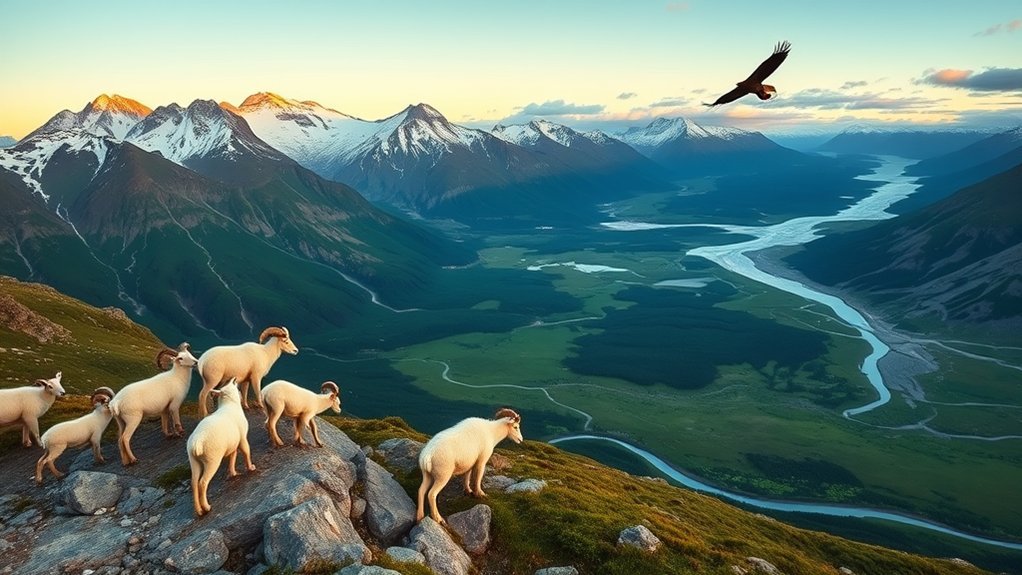
One of the clearest documented wildlife stops on McCarthy Road is the Crystalline Hills near mile 34.8. The National Park Service identifies these hills as an excellent place to look for Dall sheep. Pull over only where it is safe and legal, then scan the high slopes for small white shapes that may initially look like patches of snow.
The NPS McCarthy Road Guide is useful because it identifies safe stops, land-status changes, trail access, river viewpoints, and other features along the remote gravel road.
Pro Tip: When searching for Dall sheep, scan open ridges and steep rocky slopes slowly with binoculars. A distant sheep may appear as nothing more than a tiny white dot until it moves.
Nabesna Road: Dead Dog Hill, Lost Creek, and Jack Creek
Nabesna Road has several more specific wildlife stops. At Dead Dog Hill Rest Area around mile 17.8, NPS notes opportunities for wildlife viewing and birdwatching around wetlands, a small lake, and boreal forest. Moose are seen in the area, and caribou may migrate through during spring and fall.
Farther along the road, the Lost Creek Trail area near mile 31.2 offers a chance to see Dall sheep in alpine country. Around Jack Creek Rest Area near mile 35.3, visitors are also advised to look for sheep on the surrounding mountainsides. The NPS Nabesna Road Guide provides mile-by-mile details.
Lakes and wetlands along Nabesna Road can also produce waterfowl sightings. Stop safely and scan the water, shorelines, treetops, and distant ridges rather than focusing only on the road shoulder.
Wrangell-St. Elias supports one of North America’s largest concentrations of Dall sheep, making high rocky ridges especially worthwhile places to scan.
Root Glacier and the Kennecott Area
The Root Glacier area is popular for hiking and glacier scenery, and both black and brown bears can occur along the route. However, it should not be treated as a guaranteed mountain-goat viewing location. Wildlife may appear, but your main priority should be safe travel and avoiding surprise encounters with bears.
2026 Trail Note: As of August 3, 2026, the National Park Service says Root Glacier access has been restored through a new trail reroute after unstable ground and landslide hazards forced closure of the previous access. The original hazardous route remains closed. Check current NPS Root Glacier information before hiking.
Coastal and Yakutat Area
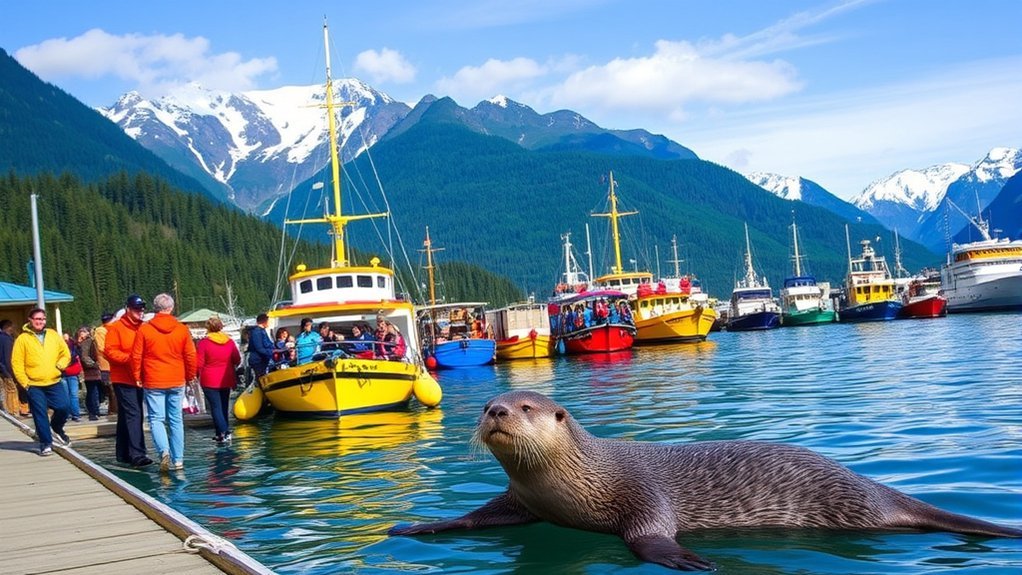
The coastal side of the park offers a very different wildlife experience. Depending on season and location, the broader Yakutat and coastal region can support harbor seals, sea lions, sea otters, porpoises, whales, seabirds, bears, and mountain goats. Access is much less straightforward than the road corridors, so coastal wildlife viewing generally requires more trip planning.
Best Times for Wildlife Sightings
There is no single month that is best for every species. Summer is the main visitor season in Wrangell-St. Elias, generally from mid-May through mid-September, but wildlife patterns change throughout that period.
- Spring: Migratory birds begin returning, new vegetation draws animals to feeding areas, and caribou may move through portions of the Nabesna Road corridor.
- Early to midsummer: Long daylight hours make wildlife searching easier. Dall sheep can be scanned for on open alpine slopes, while birds are active around forests, wetlands, lakes, and rivers.
- Late summer: Some migratory birds begin their southward movement. Berry-producing areas may attract bears, although visitors should never approach or deliberately crowd them.
- Fall: Caribou movements can create opportunities in some areas, and bears may use salmon-spawning streams where fish are available. Fall weather and declining visitor services require extra preparation.
Early morning and evening can be productive because many animals are active during cooler periods, but wildlife does not follow a visitor schedule. Habitat, food, weather, season, and simple chance all affect what you see.
For birds, spring migration begins before the main summer season. Trumpeter swans and other waterfowl can begin arriving in late April, while many songbirds return by early May. By August, some migrants are already heading south.
Essential Safety Tips for Wildlife Encounters
Wildlife viewing is safest when the animal does not need to react to you. If an animal changes direction, stops feeding, becomes alert, or focuses on your presence, increase your distance.
Warning: Do not approach a bear, moose, or other large animal for a photograph. Never put yourself between an adult animal and its young, and never block an animal’s travel route.
Bear Safety
Both black bears and brown bears live in Wrangell-St. Elias. Carry bear spray in an immediately accessible location when hiking in bear country and know how to use it before you need it.
The park’s bear-safety guidance recommends staying alert, making noise where visibility is poor, avoiding surprise encounters, traveling together when possible, and never approaching a bear.
If you see a bear that has not noticed you, quietly back away and change your route. If the bear is aware of you, the correct response depends on its behavior and the situation. Do not automatically run. A defensive bear encounter requires different actions from a curious or non-defensive encounter, so review NPS bear guidance before heading into the field.
Distance alone is not a perfect rule. NPS notes that even bears farther than 100 yards may react differently depending on the individual animal and situation. If a bear stops feeding, looks toward you, sniffs the air, or tries to locate you, you are too close and should give it more space.
Moose Safety
Moose deserve the same respect as bears. They may defend themselves when they feel threatened, and cows with calves require extra caution. Give moose plenty of room. If a moose is aware of you, stay calm and move away slowly rather than trying to get closer for a photo.
Willow thickets, ponds, streams, and other areas with limited visibility deserve extra attention because a moose can be surprisingly hard to see at close range.
Backcountry Food Storage
If you camp in the backcountry, wildlife safety continues after the hike ends. Bear-resistant food containers are required for all backcountry camping in Wrangell-St. Elias. Food, cosmetics, wrappers, and other scented items should be secured according to park guidance.
Do not feed wildlife under any circumstances. Human food can change natural behavior, create dangerous associations with people, and put both visitors and animals at risk.
Recommended Wildlife Viewing Tours and Guides
A knowledgeable guide can be valuable in a park as large and remote as Wrangell-St. Elias, especially if you want guided hiking, photography instruction, interpretive touring, or backcountry travel.
However, commercial services operating in the park must have the appropriate National Park Service authorization. Rather than relying on an unverified business list, check the park’s current Directory of Commercial Visitor Service Providers before booking.
Guided Wildlife Tours
Wrangell-St. Elias allows several types of authorized commercial activities, including guided hiking, guided photography, boating trips, mountaineering, sportfishing, and interpretive visitor experiences. The exact companies and services can change, so confirm the provider’s current authorization and the activity it is approved to offer.
A good wildlife-oriented guide should help you identify habitat, read animal behavior, choose safe viewing distances, understand seasonal patterns, and minimize disturbance. Ask what portion of the trip is specifically focused on wildlife because many tours in the area primarily emphasize glaciers, history, hiking, rafting, or scenery.
Local Expert Guides
| Verified Resource | Best Use | What to Check |
|---|---|---|
| NPS Commercial Visitor Service Provider Directory | Finding authorized commercial operators | Current company, service type, and authorization |
| NPS Ranger-Led Interpretive Programs | Free seasonal talks and guided interpretive activities | Current location, dates, and daily schedule |
| Park Visitor Centers and Ranger Stations | Local conditions and trip-planning advice | Road, trail, wildlife, weather, and safety updates |
The National Park Service offers seasonal ranger-led walks, talks, and interpretive programs at several visitor areas. These are not guaranteed wildlife tours, but they can improve your understanding of the park’s ecosystems and help you plan responsibly. Check the current ranger-program information before your visit.
Photography Tips for Capturing Wildlife Moments
Wildlife photography in Wrangell-St. Elias works best when your equipment lets you stay far away from your subject.
- Use a telephoto or zoom lens. Magnification is safer than walking closer.
- Bring binoculars first. Find the animal before aiming a camera at it.
- Use a fast shutter speed. This helps freeze moving animals and reduces blur when using a long lens.
- Use continuous shooting carefully. Short bursts can help with birds in flight or moving mammals.
- Watch the background. A clean background can improve the image without changing your position relative to the animal.
- Stay quiet but not dangerously silent in bear habitat. When hiking through thick brush, avoiding a surprise bear encounter is more important than sneaking up on wildlife.
Early and late light can produce attractive photographs, but never remain close to an animal simply because the light is good. If your subject stops feeding, looks repeatedly toward you, moves away, or otherwise changes its behavior, give it more room.
Respecting Wildlife and Their Habitat
Responsible wildlife viewing means leaving animals free to feed, rest, travel, raise young, and avoid humans.
Use established trails where they exist, but remember that much of Wrangell-St. Elias is genuine backcountry with no maintained trail system. In remote areas, follow Leave No Trace guidance and travel on durable surfaces while protecting fragile alpine vegetation.
Pack out your trash, avoid disturbing nests and dens, never feed animals, and keep food secured. Do not follow wildlife simply to continue photographing it.
Roadside viewing also requires care. Pull completely off the travel lane only at safe locations, avoid blocking traffic, and respect private property along both McCarthy and Nabesna Roads.
Frequently Asked Questions
What Types of Wildlife Can Be Seen in Wrangell-St. Elias National Park?
Possible sightings include brown and black bears, moose, Dall sheep, mountain goats, caribou, bison, foxes, beavers, porcupines, ground squirrels, trumpeter swans, eagles, ptarmigan, waterfowl, and many migratory birds. Coastal areas also support marine mammals such as harbor seals, sea lions, sea otters, porpoises, and whales.
Are There Any Restrictions on Drone Usage for Wildlife Photography?
Yes. The National Park Service states that launching, landing, or operating drones from or on NPS-administered lands and waters in Wrangell-St. Elias is prohibited unless approved in writing by the superintendent. Do not plan ordinary recreational wildlife photography around drone use inside the park.
Is There a Best Time of Day for Wildlife Viewing?
Early morning and evening can be productive because some animals are more active during cooler periods, but there is no guaranteed viewing hour. Habitat and season matter just as much. Spend time scanning likely areas instead of rushing between stops.
What Should I Wear for Wildlife Viewing in Varying Weather Conditions?
Dress in layers. A moisture-managing base layer, insulating layer, and waterproof outer shell give you flexibility as conditions change. Bring sturdy footwear, warm headwear, and gloves when conditions call for them. Weather can change rapidly, especially away from developed areas.
Can I Bring My Pet While Wildlife Viewing in the Park?
Yes, dogs are allowed on park trails and in the backcountry, but NPS requires pets to be physically restrained on a leash no longer than six feet. Pets are not permitted in public park buildings. A loose dog can provoke or attract a bear or moose, so wildlife viewing with a pet requires extra caution.
Are Wildlife Sightings Guaranteed From McCarthy or Nabesna Road?
No. Wrangell-St. Elias is not a drive-through wildlife park. Thick vegetation, huge distances, weather, animal movement, and natural camouflage can make wildlife difficult to spot. Frequent safe stops and binoculars can improve your chances.
Do I Need a Bear-Resistant Food Container for Backcountry Camping?
Yes. Bear-resistant food containers are required for all backcountry camping in Wrangell-St. Elias. Store food, cosmetics, wrappers, and other scented items according to National Park Service bear-safety guidance.
Conclusion
Successful wildlife viewing in Wrangell-St. Elias is less about getting close and more about knowing where to look. Scan high ridges for Dall sheep, watch wetlands and willow country for moose and birds, and use documented stops along McCarthy and Nabesna Roads. Keep binoculars handy, carry bear spray when appropriate, respect each animal’s space, and be prepared to leave without a sighting. Giving wildlife room is what keeps both the animals and your visit wild.
Sources
- National Park Service — Viewing Wildlife in the Park — wildlife species, habitats, road-viewing limitations, and general viewing practices.
- National Park Service — McCarthy Road Guide — Crystalline Hills, road access, viewing stops, and McCarthy/Kennecott area information.
- National Park Service — Nabesna Road Guide — Dead Dog Hill, Lost Creek, Jack Creek, moose, caribou, birds, and Dall sheep opportunities.
- National Park Service — Be Bear Aware — bear encounters, viewing distance, bear spray, food storage, and BRFC requirements.
- National Park Service — Pets — leash, control, public-building, and wildlife-safety rules for pets.
- National Park Service — Doing Business With the Park — commercial provider authorization and the park-specific drone restriction.