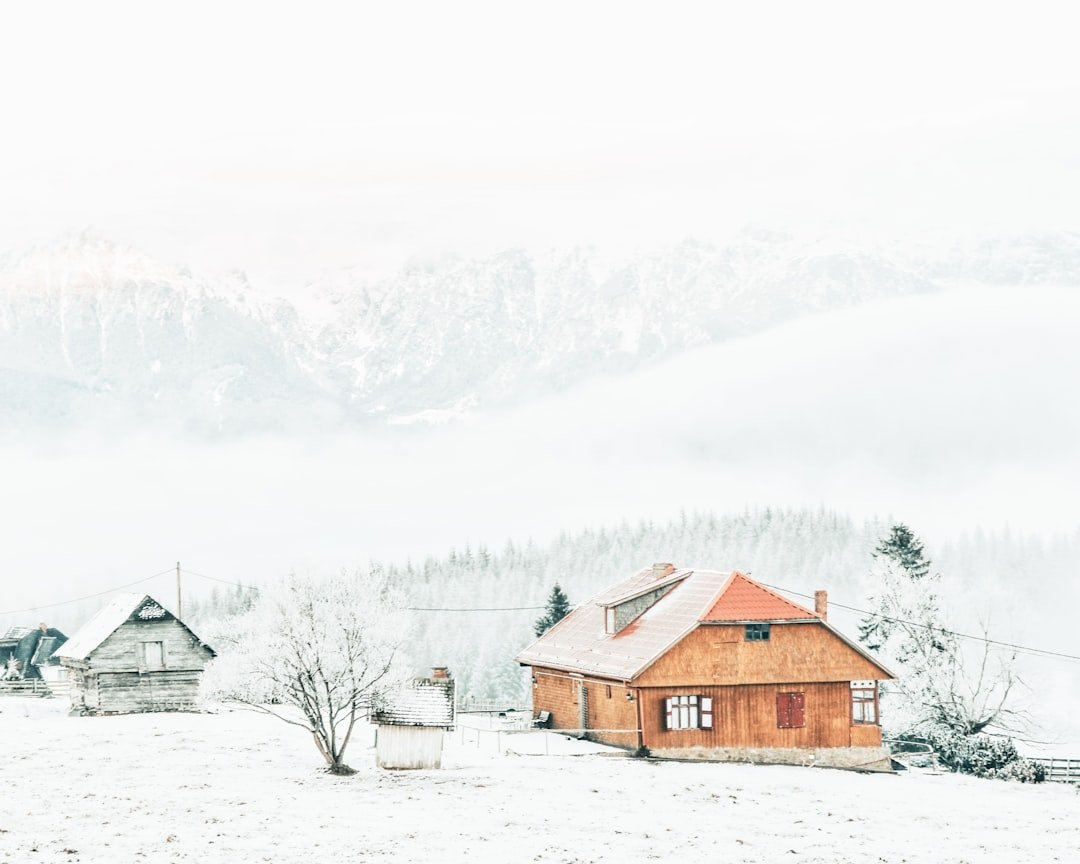
Winter in Switzerland can mean damp streets in Zurich or Geneva one day and deep snow in a high Alpine resort the next. The best packing strategy is therefore not simply to bring the heaviest coat you own. Pack adjustable layers, waterproof footwear, practical accessories, and activity-specific gear so you can adapt as the weather and elevation change.
Quick Answer
For a winter trip to Switzerland, pack moisture-wicking base layers, warm mid-layers, a wind- and water-resistant outer layer, insulated waterproof boots, wool or synthetic socks, gloves, a hat, a scarf or neck gaiter, sunglasses, sunscreen, and any ski or snow gear your activities require.
Key Takeaways
- Use a three-layer system that you can adjust for city sightseeing, trains, mountain villages, and outdoor activities.
- Choose waterproof, supportive footwear with reliable traction for wet pavement, slush, snow, and ice.
- Pack gloves, a warm hat, a scarf or neck gaiter, sunglasses, and sunscreen for exposed winter conditions.
- Keep toiletries compact and check your departure airport’s current liquid rules before flying.
- Bring the correct Swiss plug adapter, charging cables, and a properly packed power bank if needed.
- Check Swiss rules before traveling with prescription or controlled medicines.
- For skiing, snowboarding, or winter hiking, match your equipment to the activity and current mountain conditions.
- Keep travel documents, a reusable water bottle, basic first aid supplies, and essential medication easy to reach.
At a Glance
| Planning Time | About 20-30 minutes once your itinerary and forecast are known |
| Difficulty | Easy, but mountain activities require more specialized preparation |
| Useful Tools | Packing checklist, weather forecast, packing cubes, and optional luggage scale |
| Cost | Low if you already own winter clothing; higher if you need insulated boots, technical outerwear, or snow-sport equipment |
Clothing for Winter in Switzerland
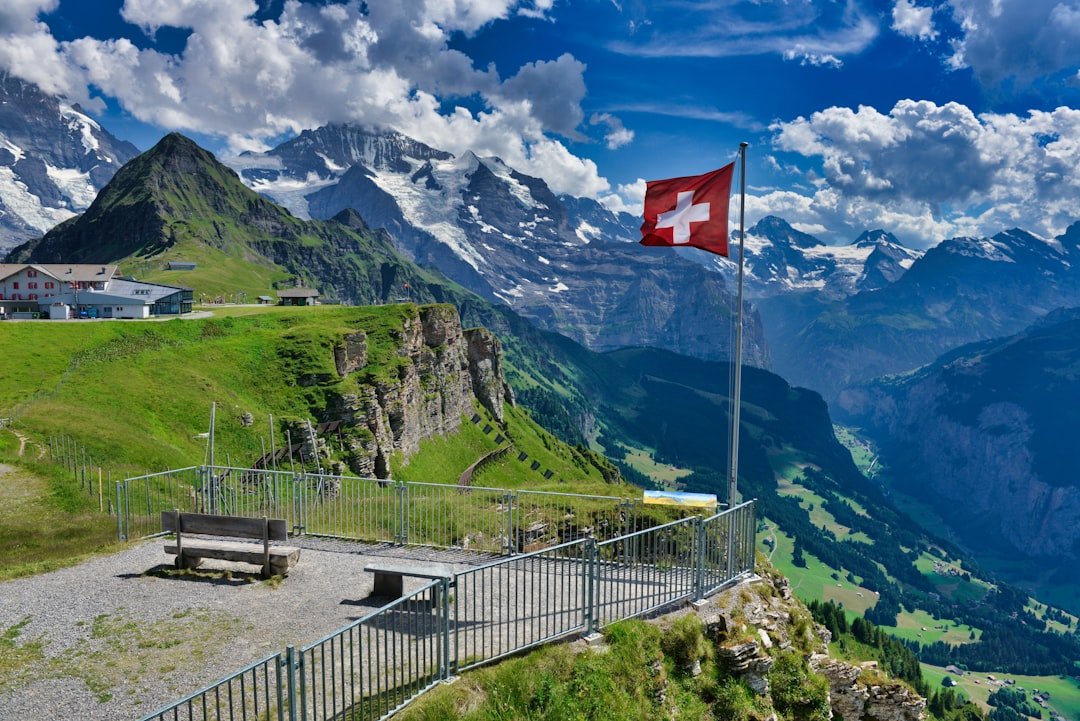
Start by checking both your destinations and their elevations. Switzerland’s winter climate varies greatly from lowland cities to high mountain areas. MeteoSwiss notes that winter precipitation falls predominantly as snow from roughly 1,200-1,500 metres above sea level, while completely snow-free winters can occur in some lower-lying regions.
A Swiss winter packing list needs flexibility: a lowland city can be wet or relatively mild while a mountain destination on the same trip may have prolonged snow and below-freezing conditions.
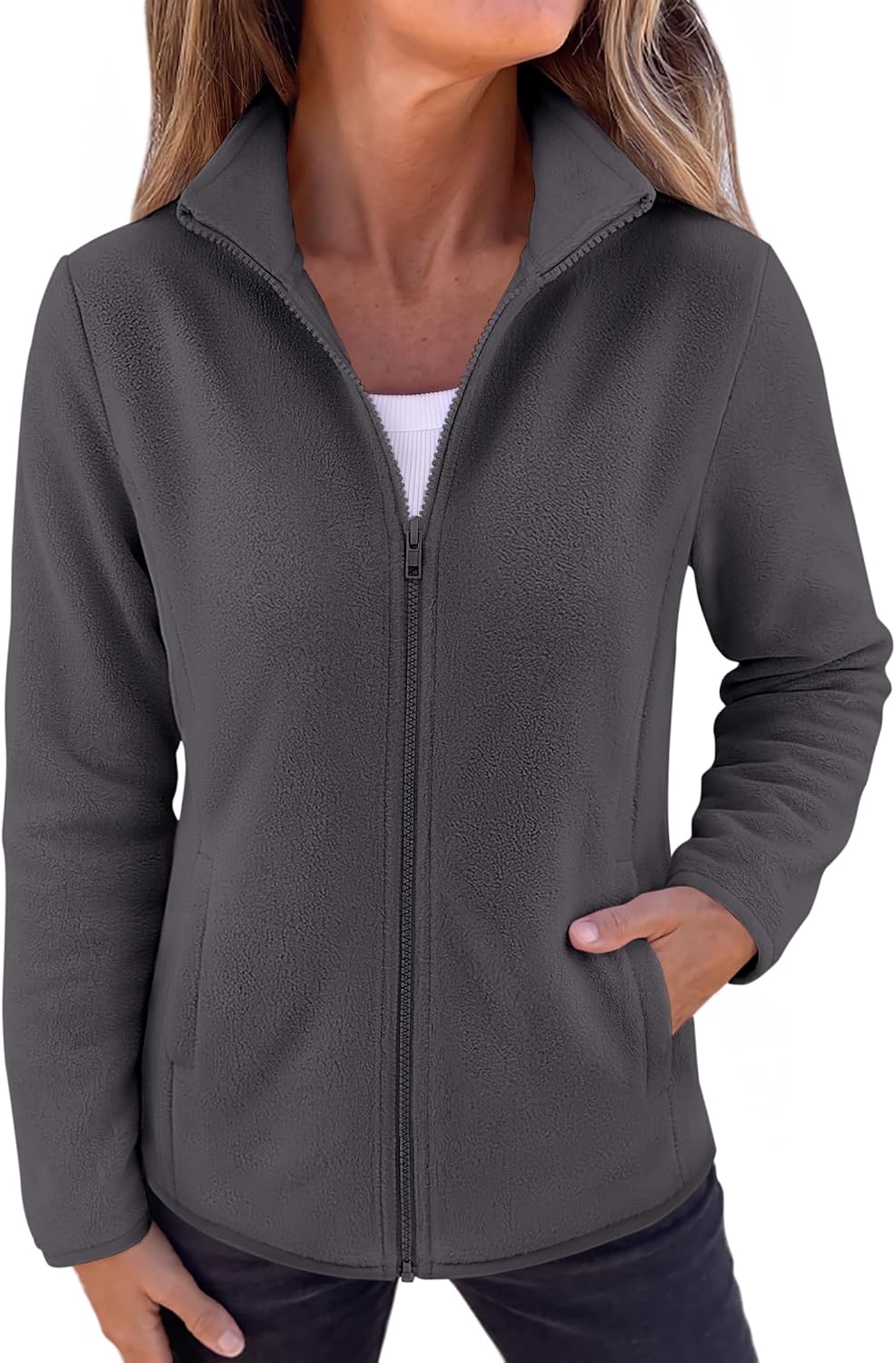
For cold outdoor conditions, use a three-layer system. Your base layer should move moisture away from your skin, so merino wool or synthetic fabric is usually more suitable than cotton for active winter use. Add an insulating middle layer such as fleece, wool, or a packable insulated jacket. Finish with a wind- and water-resistant outer layer that protects you from snow, rain, and cold wind.
In heated restaurants, hotels, shops, museums, and trains, you may quickly feel too warm. Several removable layers are therefore more practical than relying on one extremely heavy garment.
Core clothing checklist
- 2-3 moisture-wicking base-layer tops
- 1-2 thermal leggings or base-layer bottoms
- 2-3 insulating sweaters, fleece tops, or similar mid-layers
- 1 insulated winter jacket or warm coat
- 1 water- and wind-resistant shell if your insulated coat is not weatherproof
- 2-3 pairs of trousers suitable for your itinerary
- Warm sleepwear
- Underwear for the trip or enough to reach your next laundry day
- Several pairs of wool or synthetic winter socks
- One smarter outfit if you plan upscale dining, events, or nightlife
A versatile dress, dark trousers, or a simple smart-casual outfit can transition from daytime sightseeing to dinner without taking much room. For hiking or active days, choose clothing that allows comfortable movement and offers protection from wind, wet snow, and contact with rough surfaces.
Pro Tip: Pack clothing that can be mixed and matched rather than one separate outfit for every day. This reduces luggage volume and makes it easier to adjust when your itinerary moves between cities and mountain resorts.
Footwear
Footwear can have a major effect on comfort during a Swiss winter trip. For city sightseeing, choose supportive walking shoes or boots that can handle long periods on foot. In wet or snowy weather, a waterproof upper and a sole with dependable grip are more useful than fashion alone.
For snowy mountain villages, winter trails, or outdoor excursions, insulated waterproof boots are often the better choice. Make sure there is enough room for warm socks without making the boot excessively tight. Test new footwear before the trip so you know it is comfortable over several hours.
Brands such as Merrell and New Balance sell walking and outdoor-oriented footwear, but fit, waterproofing, support, and traction matter more than the brand name. If your itinerary includes technical hiking or deeper snow, use footwear designed for those conditions.
Lightweight sandals or flip-flops can still be useful around hotel rooms, spas, swimming facilities, or accommodations, even though they will not be suitable outdoors in winter.
Note: Compact removable traction aids may be useful on icy walking routes when permitted and appropriate, but remove them before entering smooth indoor floors and follow local instructions.
Accessories
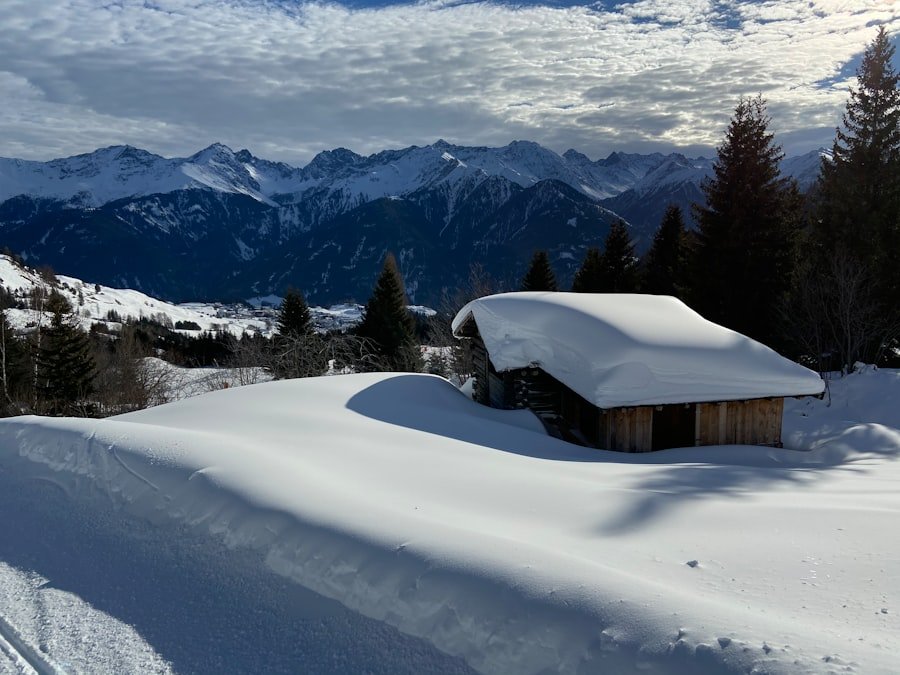
Winter accessories are small enough to pack easily but make a substantial difference in cold, windy, and snowy conditions. Bring a warm hat that covers your ears, insulated gloves or mittens, and a scarf or neck gaiter. If your hands get cold easily, disposable or rechargeable hand warmers can be useful for long outdoor days.
Sunglasses belong on a winter packing list as well. Snow and altitude can increase your UV exposure, and Switzerland’s Federal Office of Public Health recommends extra sun protection at altitude and near reflective surfaces such as snow. Its guidance recommends sunscreen with at least SPF 30+ on exposed skin.
A compact daypack is useful for carrying spare layers, water, sunscreen, your phone, medication, and snacks during excursions. Look for comfortable straps and some water resistance. A larger suitcase or duffel can carry your main belongings, while packing cubes can separate base layers, socks, evening clothing, and snow gear.
Scarves can also serve as a light travel blanket or head covering when appropriate. A hat with a brim can help with glare and sun protection on brighter days, although a warm beanie or insulated hat will usually be more useful during cold outdoor activities.
Toiletries
Pack the personal-care items you use every day, but avoid carrying unnecessarily large containers. A simple kit can include shampoo, conditioner, body wash or soap, deodorant, toothpaste, toothbrush, skin-care products, lip balm, and any personal hygiene products you require.
| Product | Carry-on-friendly amount | Packing note |
| Shampoo | 100 ml or less for broad airport compatibility | Use a secure reusable bottle or solid shampoo if preferred |
| Toothpaste | 100 ml or less for broad airport compatibility | A smaller tube is usually sufficient for a short trip |
| Soap | About 100 g if using a solid bar | Solid soap avoids liquid-volume concerns |
Reusable silicone containers such as GoToob bottles are one option if you prefer to decant products instead of buying travel sizes.
Do not assume that every airport applies exactly the same liquid rule. For a conservative strategy that works through many checkpoints, use containers of 100 ml or less unless your departure airport states otherwise. Zurich Airport introduced a major change on June 26, 2026: passengers who begin their journey there may carry liquid containers with capacities up to 2 litres. Zurich transfer security checkpoints still apply the 100 ml container and 1-litre bag restriction.
Winter air and indoor heating can also be drying, so moisturizer and lip balm may be useful. Pack sunscreen even in winter, especially when spending time at altitude or around snow.
Electronics
A smartphone can serve as your camera, navigation device, ticket wallet, translation aid, and communication tool. Bring its charging cable and consider downloading important tickets, hotel details, maps, and booking confirmations for offline access before leaving Wi-Fi.
If you use a portable charger, keep it in your hand baggage and check your airline’s battery requirements before departure. Zurich Airport, for example, requires power banks to travel in hand luggage and applies capacity and quantity limits.
Tablets, e-readers, cameras, and noise-canceling headphones can make long train or flight journeys more comfortable, but pack only the electronics you will actually use.
Switzerland uses 230V electricity at 50Hz and primarily Type J sockets, while compatible two-pin Type C plugs also fit many Swiss sockets. Check your device charger before connecting it and bring the appropriate adapter if your plugs differ. Switzerland Tourism provides current electricity and plug information.
Medications
Pack prescription medicines and any over-the-counter products you reasonably expect to need. Keep essential medication accessible during travel rather than placing everything in checked luggage, and retain original packaging when practical.
Do not automatically pack an unrestricted supply for a long stay. According to Swissmedic, private individuals entering Switzerland may generally import up to one month’s supply of non-narcotic medicinal products for their own use. Medicines containing narcotics are also limited to an amount corresponding to a maximum of 30 days of treatment and can require appropriate certification.
Warning: If you use strong pain medication, sleeping medication, certain psychotropic medicines, or another controlled substance, check its status with your doctor or pharmacist and review Swissmedic requirements before traveling. Do not assume a normal prescription alone satisfies every controlled-medicine rule.
A compact first-aid kit can cover minor problems. Useful items may include adhesive bandages, antiseptic wipes, blister treatment, gauze, and any personal medical supplies you routinely use. Common over-the-counter items such as pain relievers, antihistamines, or digestive remedies may also be useful when appropriate for you.
Outdoor Gear
The right outdoor gear depends heavily on your plans. Travelers staying mainly in Zurich, Geneva, Basel, Bern, or Lucerne need far less technical equipment than someone skiing, snowboarding, snowshoeing, or hiking in the Alps.
For skiing or snowboarding
- Waterproof ski or snowboard jacket
- Waterproof snow pants
- Thermal base layers
- Warm ski socks
- Waterproof gloves or mittens
- Helmet
- Ski goggles
- Neck gaiter or balaclava
- Sunscreen and SPF lip balm
You do not necessarily need to fly with skis, a snowboard, boots, or poles. Rental equipment is widely associated with ski resorts, so compare airline baggage charges, your preference for familiar equipment, and local rental availability before deciding what to carry.
For winter hiking or snowshoeing
Use waterproof footwear suitable for the route and conditions. Depending on the trail, you may also need trekking poles, gaiters, traction equipment, snowshoes, additional insulation, a headlamp, water, food, and navigation tools. Equipment sold by outdoor retailers such as REI can meet these purposes, but select gear by fit, conditions, and technical requirements rather than retailer name.
If your trip involves overnight camping, use a shelter, sleeping system, stove, and other equipment rated for the actual expected winter conditions. Lightweight gear can matter on backpacking routes, but reducing weight should never come at the expense of warmth or safety.
Sun protection is also important in winter. The Swiss Federal Office of Public Health specifically advises extra protection at altitude and around snow because reflected UV can increase exposure.
Warning: Do not treat an ordinary winter packing list as sufficient preparation for off-piste or unsecured mountain terrain. The WSL Institute for Snow and Avalanche Research SLF publishes the Swiss avalanche bulletin during winter. Check current conditions and use appropriate training, equipment, and local professional guidance when entering avalanche terrain.
If your itinerary includes other outdoor activities, pack the activity-specific safety equipment required for those conditions. For example, water activities may require properly fitted flotation equipment, while specialized winter routes may require equipment that would be unnecessary for ordinary sightseeing.
Miscellaneous Items
Keep your passport, visa or residence documents when applicable, transport reservations, accommodation information, travel insurance details, and itinerary in a secure but accessible location. A travel wallet can help organize them, but avoid keeping every valuable document and payment method in exactly the same place.
A reusable water bottle is useful for staying hydrated throughout the day and can reduce reliance on single-use bottles. Empty it before airport security when required and refill it afterward where suitable drinking water is available.
A compact travel pillow can make a long flight, train journey, or road trip more comfortable. Other small items worth considering include an eye mask, earplugs, tissues, a foldable tote, laundry bag, small umbrella, and a few sealable bags for wet or dirty items.
Packing cubes can make a winter wardrobe easier to manage because bulky layers otherwise become disorganized quickly. Separate clean base layers, socks, casual clothes, and snow equipment so you can reach what you need without unpacking your entire suitcase.
If trip preparation also has you thinking about food, the original article’s optional homemade cottage cheese recipe remains available as a related read.
Thoughtful preparation across clothing, footwear, accessories, toiletries, electronics, medications, outdoor equipment, and travel essentials makes it easier to adapt to Switzerland’s varied winter environments. Check the forecast shortly before departure, adjust the list to your exact destinations and activities, and prioritize clothing that keeps you warm and dry without making your luggage unnecessarily heavy.
Sources
- MeteoSwiss: The Climate of Switzerland – regional, altitude, winter, and snow conditions.
- Zurich Airport: Security Check and Baggage Rules – current liquid and battery restrictions.
- Swissmedic: Entering Switzerland With Medicinal Products – personal medicine quantities and controlled-medicine requirements.
- Swiss Federal Office of Public Health: Sun and UV Radiation – sunscreen, altitude, snow reflection, and eye protection guidance.
- WSL Institute for Snow and Avalanche Research SLF: Avalanche Bulletin – current winter avalanche information.
- Switzerland Tourism: Electricity – Swiss voltage, frequency, and plug types.
Frequently Asked Questions
What should I pack for a winter trip to Switzerland?
Pack moisture-wicking thermal layers, insulating mid-layers, a warm weather-resistant jacket, waterproof winter footwear, warm socks, gloves, a hat, a scarf or neck gaiter, sunglasses, sunscreen, and your normal travel essentials. Add ski or winter-hiking equipment if your itinerary requires it.
Do I need specific gear for outdoor activities in Switzerland?
Yes. Skiing and snowboarding normally require snow pants, technical outerwear, goggles, a helmet, gloves, and suitable equipment. Winter hiking or snowshoeing may require waterproof boots, poles, gaiters, traction equipment, or snowshoes. Backcountry travel requires additional avalanche knowledge and safety preparation.
What footwear should I pack for Switzerland in winter?
For snowy or wet conditions, waterproof insulated boots with dependable traction are the safest general choice. If your trip is mainly urban and conditions are mild, supportive waterproof walking shoes may be enough. Bring comfortable indoor or casual footwear as a second pair when luggage space allows.
What other essentials should I pack for a Switzerland winter trip?
Useful extras include a daypack, reusable water bottle, first-aid supplies, portable phone charger, travel documents, moisturizer, lip balm, sunscreen, sunglasses, packing cubes, and an appropriate electrical adapter.
Which winter accessories are most useful?
A warm hat, insulated gloves or mittens, scarf or neck gaiter, sunglasses with UV protection, and sunscreen are the core accessories. Hand warmers and a compact umbrella can also be useful depending on your itinerary and forecast. A travel pillow or compact blanket can improve comfort during longer journeys.
Do I need a travel adapter for Switzerland?
Possibly. Switzerland uses 230V electricity at 50Hz and mainly Type J sockets, while two-pin Type C plugs are also compatible with many outlets. Travelers whose plugs do not fit these sockets should bring a suitable adapter and confirm that their devices support the local voltage.
Can I pack toiletries larger than 100 ml?
It depends on your departure and transfer airports. A 100 ml-or-less strategy remains broadly compatible with many security checkpoints. As of June 26, 2026, travelers beginning their journey at Zurich Airport can carry liquid containers up to 2 litres, but Zurich transfer checkpoints continue to use the 100 ml and 1-litre-bag restriction.
How much prescription medication can I bring into Switzerland?
Swissmedic generally permits travelers to import up to one month’s supply of medicinal products for their own use. Controlled or narcotic-containing medication can require certification and is limited to an amount corresponding to a maximum of 30 days of treatment, so check the specific rules before departure.