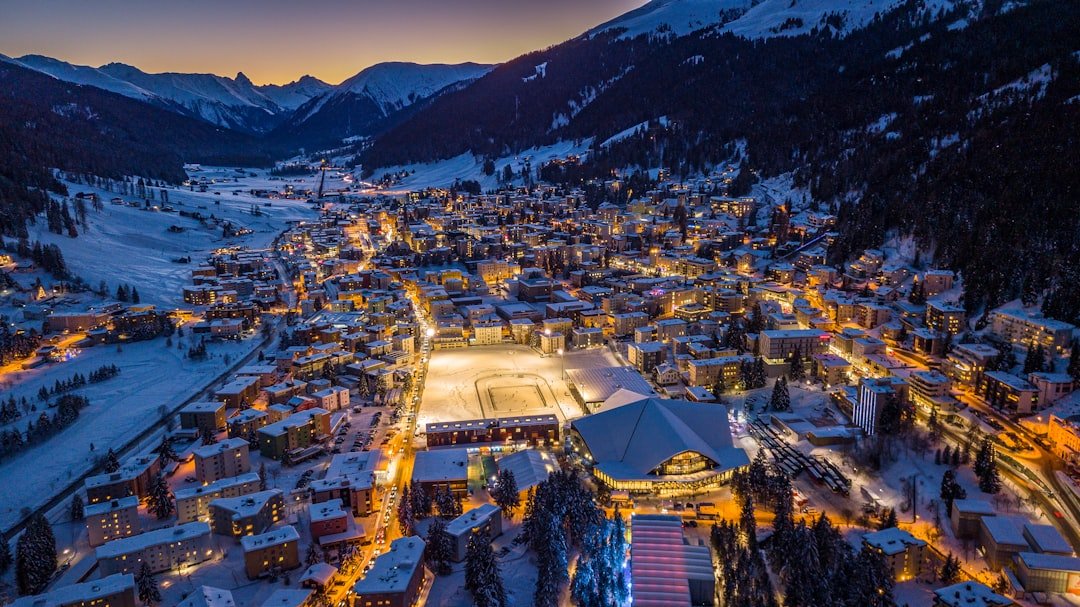
Sitting at an altitude of 1,560 meters in the Graubünden canton of the Swiss Alps, Davos holds the title of the highest town in Europe. Known globally for hosting the annual World Economic Forum, it is first and foremost an alpine playground offering world-class winter sports, scenic high-elevation summer trails, historic sanatorium architecture, and rich modern art. Whether you are carving down the Parsenn snowfields or walking along the shores of Lake Davos, this comprehensive 3-day itinerary guides you through the premier natural, cultural, and wellness highlights of the region.
Quick Answer
A classic 3-day Davos itinerary combines high-alpine adventure, Swiss relaxation, and regional culture. Spend Day 1 exploring the slopes or trails of Parsenn and Jakobshorn before visiting Lake Davos. Dedicate Day 2 to riding the historic Schatzalp funicular and unwinding at Eau-Là-Là wellness center. Conclude Day 3 exploring the Kirchner Museum, touring Davos Platz, and savoring authentic regional dining.
Key Takeaways
- Dual Centers: Davos is split into two main hubs, Davos Dorf and Davos Platz, connected by frequent local buses and the Rhaetian Railway (RhB).
- Guest Benefits: Overnight visitors staying in commercial lodging receive the Davos Klosters Premium Card, granting free local bus rides and discounted mountain railway passes.
- Seasonality: Winter centers on skiing and snowboarding across five distinct mountains, while summer shifts focus to over 700 kilometers of marked hiking and mountain biking routes.
- Altitude Adjustment: At 1,560 meters elevation, visitors should stay hydrated and use high-SPF sunscreen, particularly when ascending summits exceeding 2,800 meters.
Day 1: Outdoor Adventure in Davos
Begin your alpine journey by heading straight into the high peaks that frame the Landwasser Valley. Davos features five expansive mountain areas—Parsenn, Jakobshorn, Rinerhorn, Pischa, and Madrisa—each offering distinct terrain depending on the season of your stay.
Morning: Hitting the Summits (Parsenn or Jakobshorn)
In winter, board the historic Parsenn funicular railway from Davos Dorf up to the Weissfluhjoch (2,693 meters). Parsenn is the cradle of Swiss skiing, famous for wide cruiser runs and the legendary 12-kilometer descent down to Küblis. For freestyle skiers and snowboarders, Jakobshorn on the opposite side of the valley delivers extensive terrain parks and high-altitude powder bowls.
Visiting during summer or early autumn? Take the cable cars up Jakobshorn or Parsenn to access ridge hikes with panoramic views across the Silvretta range and Piz Kesch. Mountain bikers will find world-class singletrack extending from the Gotschnagrat ridge down into the valley.
Pro Tip: If skiing Parsenn, stop at the traditional mountain hut Restaurant Höhenweg midway up the mountain for a mid-morning coffee and freshly baked alpine nut cake (Bündner Nusstorte) overlooking the valley.
Afternoon: Lake Davos (Davosersee) and Shoreline Exploration
Descend back to the valley floor for an afternoon stroll around Lake Davos (Davosersee). The loop around the lake covers approximately 4 kilometers of flat, maintained paths, offering views of the surrounding craggy summits reflected in the turquoise water. In the summer months, the lake serves as a hub for sailing, windsurfing, stand-up paddleboarding, and open-water swimming. During winter, the lakeshore is transformed into a peaceful wonderland framed by cross-country ski trails (langlauf) that span over 100 kilometers through the valley.
Evening: Alpine Comfort Food in Davos Dorf
Conclude your first day by settling into one of the traditional dining rooms in Davos Dorf. Savor hearty regional specialties such as Capuns (chard leaves stuffed with Spätzle dough and air-dried meat, poached in bouillon and cream) accompanied by local wines from the nearby Bündner Herrschaft region.
Day 2: Relaxation and Wellness Activities
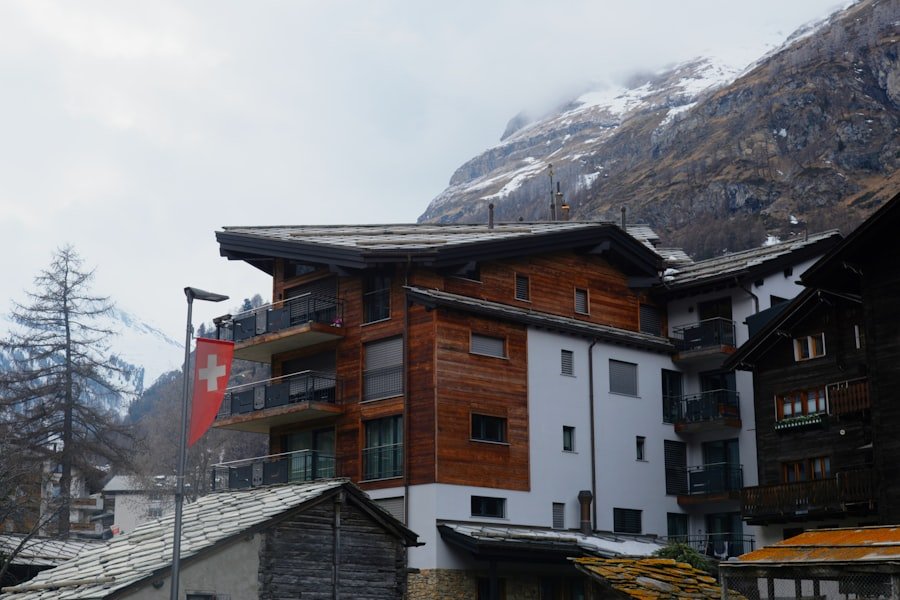
Davos earned its worldwide reputation in the 19th century as a high-altitude health resort, where European travelers flocked for the clean, dry alpine air. Day 2 honors that restorative tradition with a mix of gentle mountain sightseeing and dedicated spa relaxation.
Morning: The Magic Mountain at Schatzalp
From Davos Platz, step aboard the historic Schatzalp funicular railway, which climbs 300 vertical meters in just four minutes to reach the sunny plateau of Schatzalp (1,860 meters). This location served as the setting for Thomas Mann’s acclaimed 1924 novel, The Magic Mountain. The former sanatorium stands today as the Art Nouveau-style Hotel Schatzalp.
Take time to wander through the Alpinum Schatzalp, a high-altitude botanical garden showcasing over 5,000 plant species from mountain ecosystems across the globe, including rare edelweiss and alpine gentians. In winter, Schatzalp features a traditional, slow-paced “slow mountain” ski hill and an exhilarating 2.8-kilometer toboggan run winding down to Davos Platz.
“The air of Davos was considered so pure and dry that it transformed a sleepy farming enclave into Europe’s premier destination for respiratory recovery and alpine contemplation.”
Afternoon: Thermal Baths and Spas at Eau-Là-Là
Return to town for an afternoon at the Eau-Là-Là Wellness and Adventure Pool in Davos Platz. This multi-level facility houses heated indoor and outdoor saltwater relaxation pools, whirlpools, a multi-tier Finnish sauna landscape, steam baths, and quiet solarium rooms with floor-to-ceiling glass looking out at the mountains. Many luxury hotels in town, including the Steigenberger Icon Grandhotel Belvédère, also open their private thermal suites and body treatment centers to day guests.
Note: In line with standard Swiss spa culture, most sauna facilities in Davos are textile-free zones designated for guests aged 16 and older. Towels are provided to sit on inside dry saunas.
Evening: Relaxed Stroll along the Promenade
Finish your day with a peaceful walk along the Promenade, the central pedestrian avenue connecting Davos Platz and Davos Dorf. Lined with boutique shops, independent bakeries, and quiet cafés, it is an ideal spot to stop for artisanal hot chocolate or herbal tea.
Day 3: Cultural Exploration in Davos
| Time | Activity | Location |
|---|---|---|
| 10:00 AM – 12:00 PM | Visit to the Kirchner Museum | Kirchner Museum, Davos Platz |
| 12:30 PM – 2:00 PM | Traditional Swiss Fondue Lunch | Local Stübli, Promenade |
| 2:30 PM – 4:30 PM | Local History Museum & Town Walk | Museum Davos & Davos Platz |
Davos balances its sporty exterior with an exceptional cultural landscape, highlighted by modernist art and deep-rooted mountain traditions.
Morning: Masterpieces at the Kirchner Museum
Dedicate your final morning to the Kirchner Museum Davos, located in Davos Platz. German Expressionist painter Ernst Ludwig Kirchner lived in Davos from 1917 until his death in 1938, creating hundreds of works inspired by the dramatic alpine landscapes and pastoral mountain life. The museum itself is an international benchmark for modern alpine architecture, designed by Swiss architects Gigon & Guyer using concrete, glass, and frosted steel to maximize natural mountain light.
Afternoon: Davos Local History Museum and Architectural Heritage
Following lunch, visit the Davos Local History Museum (Heimatmuseum), housed in a restored 16th-century patrician home (the “Grosses Haus”). The exhibits showcase how a humble Walser farming settlement evolved into a world-famous sanatorium haven and modern sports resort. View original farming implements, early toboggans, and medical artifacts from the sanatorium era.
Continue with a walking tour of Davos Platz, visiting the Church of St. Johann with its striking asymmetric spire and contemporary stained-glass windows created by Swiss artist Augusto Giacometti.
Dining and Nightlife in Davos
Dining in Davos spans rustic alpine stüblis, sun-drenched terrace huts, and refined contemporary gastronomy. The focal point of any culinary stay is authentic Swiss cheese culture.
For dinner, order classic cheese fondue (a blend of aged Gruyère, Vacherin Fribourgeois, and local Graubünden mountain cheeses melted with white wine and kirsch) served alongside crusty bread cubes and boiled baby potatoes. Another regional staple is Raclette, scraped directly from melted wheels onto your plate with gherkins and pickled pearl onions. For dessert, do not miss Engadiner Nusstorte, a rich shortcrust pastry filled with caramelized walnuts and honey.
When the sun sets behind the mountains, Davos offers a lively après-ski and nightlife scene. Popular gathering points include:
- Bolgenschanze: A legendary gathering spot at the foot of Jakobshorn, famous for lively après-ski drinks and winter music events.
- Ex Bar: A long-standing late-night hub on the Promenade featuring live music, DJ sets, and an eclectic cocktail menu.
- Piano Bar at Europe Hotel: A sophisticated setting for a relaxed digestif or single malt whisky with live piano accompaniment.
Transportation and Getting Around
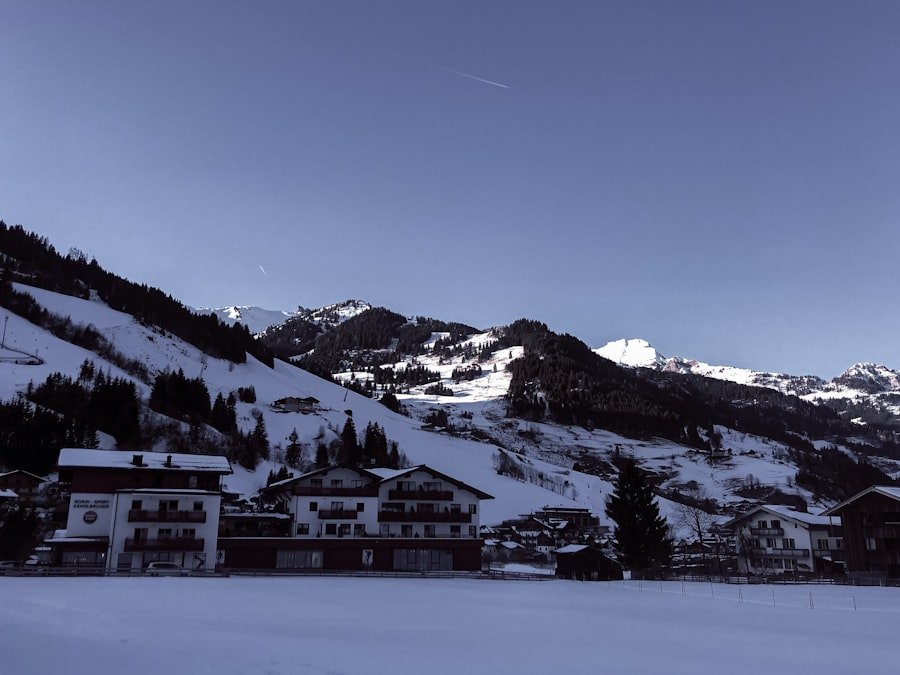
Public transportation in the Graubünden region is punctual, extensive, and straightforward to navigate without a personal vehicle.
The town relies on two primary rail terminals operated by the Rhaetian Railway (RhB): Davos Dorf (convenient for Parsenn and Lake Davos) and Davos Platz (adjacent to Jakobshorn, Schatzalp, and downtown shopping). The scenic red trains link Davos to Landquart, where direct connections run to Zurich Airport and Zurich Central Station.
Throughout the valley, the local bus network operates frequent loops between all major cable car base stations, museums, and hotels. Overnight guests staying in certified hotels or vacation rentals receive the Davos Klosters Premium Card upon check-in. This digital pass provides complimentary travel on local public bus lines within Davos and Klosters, as well as significantly discounted access to summer cable cars and winter mountain lifts.
Warning: If driving to Davos during winter months, your vehicle must be equipped with winter tires. Snow chains are mandatory during heavy snowfall on mountain pass roads such as the Wolfgang Pass and Flüela Pass.
Packing Tips for a 3-Day Davos Trip
Packing for high-altitude alpine travel requires preparation for rapid weather changes across all seasons. Pack according to these essentials:
- Moisture-Wicking Base Layers: Merino wool or synthetic thermal tops and bottoms to regulate body temperature while skiing or hiking.
- Insulating Mid-Layers: A lightweight fleece jacket or packable down vest to wear under your waterproof outer shell.
- Weatherproof Outerwear: A breathable, waterproof Gore-Tex jacket and pants to shield against alpine wind, rain, and snow.
- Sturdy Footwear: Broken-in hiking boots with Vibram-lugged soles for summer trails, or insulated, water-resistant winter boots with strong tread for snow-packed streets.
- High-Altitude UV Protection: Polarized sunglasses, ski goggles with high UV ratings, lip balm, and SPF 50+ mineral sunscreen to protect against intensified radiation at high elevations.
- Universal Power Adapter: Switzerland uses Type J electrical plugs; while standard European two-pin plugs (Type C) fit unearthed sockets, three-pin devices require a Swiss adapter.
Tips for Extending Your Stay in Davos
If you have additional days beyond your initial 72 hours, the wider Prättigau and Engadin regions provide excellent day-trip options:
- Klosters: Just a 25-minute train ride away on the RhB, Klosters offers an intimate, traditional chalet-village atmosphere beloved by British royalty.
- The Bernina Express: Take the RhB railway south toward Filisur and board the world-famous Bernina Express, an engineering marvel designated as a UNESCO World Heritage railway that crosses the Landwasser Viaduct on its way to the glaciers of Piz Bernina and Tirano, Italy.
- Sertig and Dischma Valleys: Take local post buses into these protected side valleys for horse-drawn sleigh rides in winter, wild alpine river hiking in summer, and dining at historic Walser inns.
- St. Moritz Day Excursion: Connect over the Albula Pass by train to experience the luxury galleries, frozen lake polo grounds, and grand hotels of the upper Engadin valley.
Frequently Asked Questions
What are the must-see attractions in Davos for a 3-day itinerary?
The top must-see highlights include taking the funicular up to Parsenn or Jakobshorn for high-altitude panoramic views, strolling around Lake Davos (Davosersee), riding the historic funicular to the Schatzalp botanical gardens, and exploring the world-renowned Expressionist art collection at the Kirchner Museum.
What outdoor activities can be enjoyed in Davos during a 3-day visit?
During winter, enjoy downhill skiing, snowboarding across 300 km of slopes, cross-country skiing, and sledding runs. In summer, visitors can hike over 700 km of marked alpine trails, ride singletrack mountain bike routes, swim or paddleboard on Lake Davos, and embark on high-altitude climbing routes.
What are some recommended dining options in Davos for a 3-day itinerary?
Top dining experiences include savoring traditional cheese fondue at mountain restaurants like Restaurant Höhenweg and Strela Alp, enjoying fine dining at the Schatzalp Panorama Restaurant, and tasting regional Graubünden specialties like Capuns at traditional village stüblis in Davos Platz.
What transportation options are available for getting around Davos during a 3-day visit?
Visitors can easily get around using the local public bus network and the Rhaetian Railway (RhB) connecting Davos Dorf and Davos Platz. Overnight guests receive the Davos Klosters Premium Card, granting free local bus rides and subsidized mountain railway passes.
What are some recommended accommodations for a 3-day stay in Davos?
Notable accommodations include the historic Hotel Seehof near the Parsennbahn in Davos Dorf, the centrally located Hotel Europe in Davos Platz, the Steigenberger Icon Grandhotel Belvédère, and the modern architectural landmark AlpenGold Hotel (formerly InterContinental Davos).
Sources
- Davos Klosters Official Tourism Board — Regional visitor guidelines, mountain railway updates, and guest card information
- Rhaetian Railway (RhB) — Timetables, route logistics, and scenic rail connections across Graubünden
- Kirchner Museum Davos — Exhibition information, architectural history, and Ernst Ludwig Kirchner archive
- Schatzalp Mountain Resort — Historic funicular schedule, Alpinum botanical garden specifications, and Thomas Mann literary history