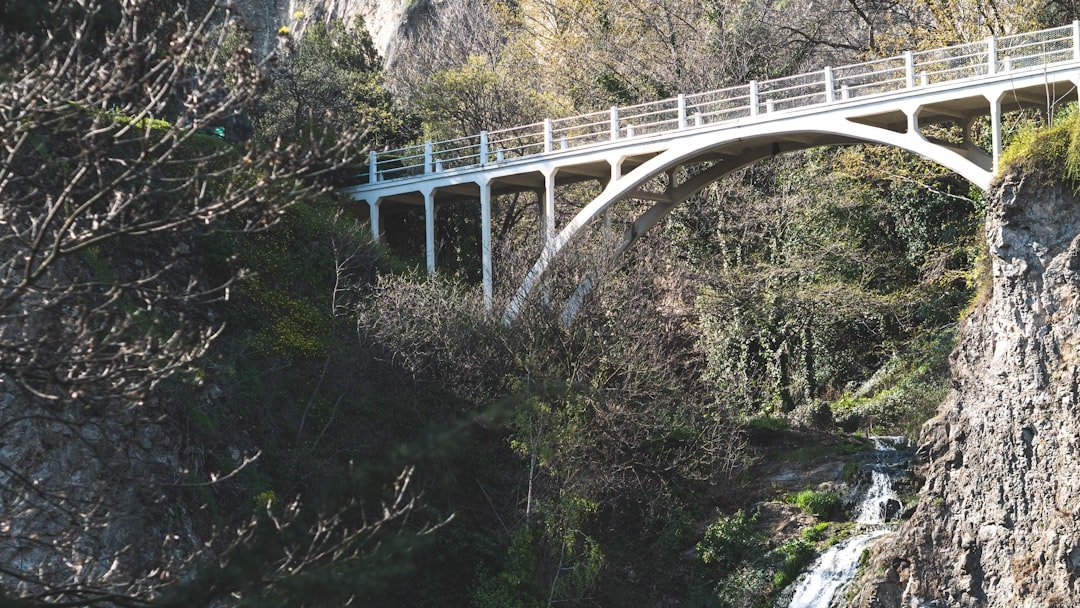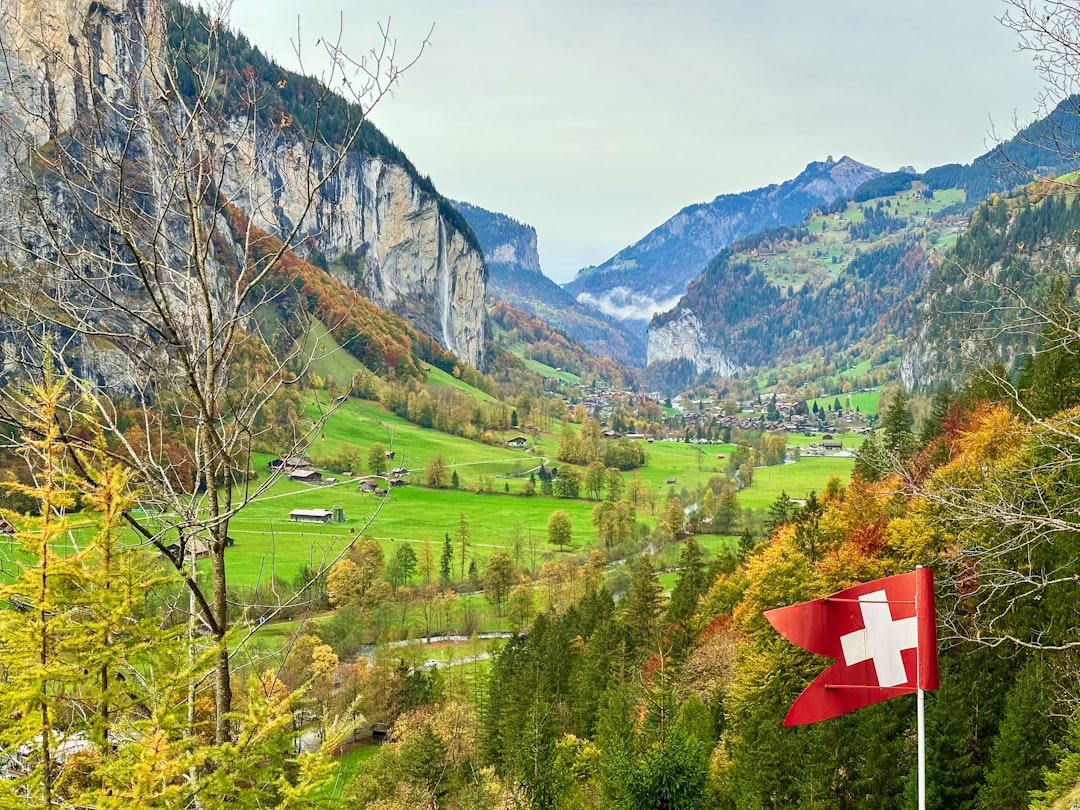
Embarking on a road trip through Switzerland is a rewarding way to see the country, combining Alpine scenery, historic cities, and regional food in one loop. The first step in planning your journey is to outline your route, taking into consideration the diverse regions you wish to explore. Switzerland is relatively small, yet it packs in a huge variety of terrain, from the towering peaks of the Alps to serene lakes and half-timbered villages.
Quick Answer
A well-paced Switzerland road trip runs 7–11 days: Zurich, the Bernese Alps (Lucerne, Interlaken, Jungfraujoch), Lake Geneva’s towns, the Jura Mountains, and Bern. Rent a car with a Swiss motorway vignette (CHF 40), watch for seasonal alpine pass closures, and budget extra time for the car-free resort towns like Zermatt and Wengen.
A well-thought-out itinerary will allow you to maximize your time and enjoy the scenery without feeling rushed. When planning your road trip, it’s essential to consider the distances between destinations. For instance, driving from Zurich to Lucerne takes about an hour, while a trip from Lucerne to Interlaken can take around two hours. This means you can comfortably visit multiple locations in a single day if you plan accordingly. Additionally, familiarize yourself with the Swiss road system, which is known for its efficiency and well-maintained highways. Understanding the local traffic rules, such as speed limits and toll requirements, will ensure a smooth journey.
Key Takeaways
- Plan your Switzerland road trip with a flexible itinerary that includes major cities, scenic alpine drives, and lake-region stops.
- The best time for a road trip is June to September, when weather is mild and every mountain pass is open; some high passes close from late autumn to late spring.
- Book your rental car in advance, buy the CHF 40 Swiss motorway vignette, and confirm whether your license needs an International Driving Permit.
- Pack in layers, bring comfortable shoes, and carry a physical map as a backup — mountain tunnels regularly interrupt GPS and phone signal.
- Day 1: Explore Zurich’s Old Town, Lake Zurich, and the Swiss National Museum before heading into the Alps.
Best Time to Visit Switzerland for a Road Trip
Summer Fun in the Mountains
The summer months of June through August are popular for travelers looking to enjoy outdoor activities such as hiking, biking, and swimming in the pristine lakes. During this period the weather is generally warm and pleasant, and — importantly for a road trip — every Alpine pass is open, since several close outside this window (see the driving rules section below).
Avoiding the Crowds
Summer is also peak tourist season, so expect larger crowds at popular attractions. If you prefer a quieter experience with fewer tourists, consider visiting during the shoulder seasons of spring (April to May) or autumn (September to October). During these months the weather is still mild, and you can see nature’s seasonal transformation as flowers bloom in spring or leaves change color in autumn. Note that some higher passes may still be closed in April and reopen in November, so check pass status before building a spring or late-autumn route.
Winter Wonderland
Winter (December to March) offers a completely different experience, especially for skiing or snowboarding in the Swiss Alps. A winter road trip is workable on lowland routes and motorways, but several high mountain passes shut down entirely, and winter tires or chains are required by law in snow conditions. Each season presents different opportunities to experience Switzerland’s landscape and culture.
Renting a Car in Switzerland: Tips and Advice

Renting a car in Switzerland is a straightforward process, but there are several tips to keep in mind. First and foremost, book your rental car in advance, especially during peak travel seasons — this guarantees availability and can save you money. Major rental companies operate throughout Switzerland, and you can choose from a range of vehicles depending on your needs, whether a compact car for city driving or an SUV for mountainous terrain.
When picking up your rental car, inspect it thoroughly for any pre-existing damage and ensure it is documented before you drive off. Familiarize yourself with the vehicle’s features, especially if you are not accustomed to driving in Europe. GPS navigation is highly recommended for Switzerland’s winding roads, though carry a paper map as backup, since long alpine tunnels frequently cut mobile signal and GPS reception.
Note: Every vehicle up to 3.5 tonnes needs a Swiss motorway vignette to use highways and expressways. It’s a flat CHF 40 for the full calendar year (no daily or weekly option), sold at gas stations, post offices, and border crossings, or online as an e-vignette. Many rental companies already include it — confirm with yours before you leave.
Lastly, be aware that most non-EU/UK licenses are accepted for short stays, but it’s worth carrying an International Driving Permit alongside your home license as a backup, since some rental desks and traffic stops ask for one. Drivers in Switzerland must keep headlights on at all times, even in daylight, and the blood alcohol limit is 0.05% (lower for new drivers). Speed limits are generally 50 km/h in towns, 80 km/h on main roads, and 120 km/h on motorways unless posted otherwise.
Warning: High Alpine passes such as the Furka, Susten, Grimsel, and Great St. Bernard typically close from late October or November until May or June due to snow. Always check current pass status before routing through them outside summer, and carry chains if driving in winter conditions.
Choosing Your Driving Route
If you want a single curated route rather than piecing together your own, the official Grand Tour of Switzerland is the country’s signature driving circuit: a signed 1,643 km (1,021 mile) loop touching 13 UNESCO World Heritage sites, five Alpine passes, and 22 lakes, typically driven over 7–10 days. For a shorter alpine-focused loop, the Furka–Susten–Grimsel Passes triangle out of Interlaken or Andermatt packs dramatic mountain driving into two or three days when the passes are open (summer only).
The Grand Tour of Switzerland crosses all four of the country’s language regions and 13 UNESCO World Heritage sites in a single 1,643 km loop.
Note: A few of Switzerland’s most photogenic resort towns — Zermatt, Wengen, and Mürren among them — are car-free. Plan to park in a nearby valley town (Täsch for Zermatt, Lauterbrunnen for Wengen and Mürren) and finish the trip by train or cable car.
Packing Essentials for a Switzerland Road Trip
| Essential | Quantity |
|---|---|
| Clothing | Enough for the trip duration, in layers |
| Comfortable Shoes | 1-2 pairs |
| Travel Documents | Passport, ID, Driver’s License, IDP if applicable |
| Maps/GPS | 1 (plus a paper backup) |
| First Aid Kit | 1 |
| Snacks and Water | As needed |
| Travel Adapters | As needed |
Packing wisely for your road trip in Switzerland can significantly enhance your travel experience. Given the country’s varied climate and geography, it’s important to prepare for shifting weather. Layering is key; pack lightweight clothing that can be easily added or removed as temperatures fluctuate throughout the day. A waterproof jacket is essential, especially if you plan to hike or explore outdoor attractions.
Also bring travel essentials such as a first-aid kit, reusable water bottles, and snacks for the road — refreshments make long alpine drives more comfortable. Don’t forget your camera or smartphone for the views along the way. If you plan on hiking or engaging in outdoor activities, sturdy footwear and trekking poles will help with comfort and safety.
Day 1: Exploring Zurich and Surroundings
Your Swiss road trip can begin in Zurich, the largest city in Switzerland and a hub of culture and commerce. Start your day exploring the Old Town (Altstadt), where narrow cobblestone streets are lined with medieval buildings, boutiques, and cafes. The iconic Grossmünster church offers panoramic views of the city from its towers — a good way to orient yourself before diving deeper into Zurich’s offerings.
After the Old Town, take a leisurely stroll along Lake Zurich. The promenade is perfect for enjoying the water and surrounding greenery. If time permits, consider a boat ride on the lake for views of the Alps in the distance. In the afternoon, visit the Swiss National Museum for insight into Switzerland’s history before heading out of the city toward nearby attractions like Uetliberg Mountain for sunset views.
Day 2-3: Driving through the Swiss Alps

Discovering Lucerne and its Surroundings
Departing from Zurich, drive toward Lucerne, where you can stop at Mount Pilatus or Mount Rigi for views of the surrounding mountains and lakes. The cogwheel train ride up Mount Rigi is particularly scenic, ascending through meadows dotted with wildflowers.
Interlaken: A Hub for Outdoor Adventures
On Day 3, continue your alpine drive to Interlaken, nestled between Lake Thun and Lake Brienz. This town is a gateway to outdoor activities such as hiking and paragliding, and to views of the Eiger, Mönch, and Jungfrau peaks.
Reaching New Heights at Jungfraujoch
Consider a day trip to Jungfraujoch — the “Top of Europe” — where you can stand at an elevation of 3,454 meters (11,332 feet) and see the Aletsch Glacier. The train and cable car network from Interlaken makes the trip car-free, so leave your rental in a valley parking lot for the day.
Warning: Jungfraujoch sits at nearly 3,500 meters, where oxygen levels are noticeably lower than at sea level. Move slowly once you arrive, stay hydrated, and if you have a heart or respiratory condition, check with a doctor before planning the trip.
Day 4-5: Discovering the Swiss Lakes Region
After the alpine leg, shift your focus to Switzerland’s lakes region on Days 4 and 5. Drive from Interlaken to Lake Geneva (Lac Léman), where towns like Montreux and Vevey await. Montreux is known for its annual jazz festival and lakeside promenade lined with flowers and sculptures.
A visit to Chillon Castle — one of Switzerland’s most photographed castles — is worth the stop, with its medieval architecture set against Lake Geneva. On Day 5, explore Lausanne, known for its cultural scene and lake views. The Olympic Museum here covers the history of the Olympic Games with interactive exhibits for all ages. Afterward, take a scenic drive along the Lavaux vineyards, a UNESCO World Heritage site where terraced vineyards cascade toward the lake.
Day 6-7: Exploring the Swiss Countryside and Villages
Days 6 and 7 are for Switzerland’s countryside and villages. Start in Appenzell, known for colorful houses and cheese production, where you can wander streets lined with artisanal shops. Try Appenzeller cheese with fresh bread — a good reflection of the region’s agricultural heritage.
Next, head to Lauterbrunnen Valley, known for dramatic waterfalls and green meadows. The valley is home to some 72 waterfalls, including the well-known Staubbach Falls, which plunges nearly 300 meters (984 feet) from a cliff face. Take advantage of hiking trails through the valley or ride the cable car up to Schilthorn for panoramic peak views. Note that Lauterbrunnen itself is reachable by car, but neighboring Wengen and Mürren are car-free — park in Lauterbrunnen and continue by cable car or train.
Day 8-9: Visiting the Swiss Cities of Bern and Lucerne
As your trip continues into Days 8 and 9, head to Bern, Switzerland’s capital, known for well-preserved medieval architecture. The UNESCO-listed Old Town features arcades and landmarks such as the Zytglogge clock tower and Federal Palace. Stroll along the Aare River or visit the Einstein Museum, dedicated to Albert Einstein’s years in Bern.
On Day 9, drive to Lucerne, a city that combines urban life with natural surroundings. Explore Chapel Bridge (Kapellbrücke), one of Europe’s oldest wooden bridges, adorned with paintings depicting Lucerne’s history. Take a boat cruise on Lake Lucerne or ride the cable car up Mount Pilatus for views over the lake and mountains.
Day 10-11: Venturing into the Swiss Jura Mountains
For Days 10 and 11, venture into the lesser-known Jura Mountains, with rolling hills, forests, and villages that show a quieter side of Swiss life. Start in Neuchâtel, a town on Lake Neuchâtel known for its historic castle and old town cafes. Continue through the Jura toward La Chaux-de-Fonds, a UNESCO World Heritage site recognized for its watchmaking heritage — visit local watch museums to learn about the craft that shaped the region. The Jura also offers hiking trails with views into both Switzerland and France.
Pro Tip: If you’re driving an electric rental, Switzerland has a dense public charging network, including fast chargers along motorway rest stops — plan charging stops the same way you’d plan fuel stops on longer alpine legs.
Wrapping Up Your Switzerland Road Trip: Tips and Recommendations
As your road trip through Switzerland comes to an end, take time to reflect on what you’ve seen — from mountains to lakes to villages. Before returning your rental car, make sure you have all necessary documents organized for a smooth drop-off, and fill the tank beforehand, since most rental companies require cars to be returned full.
For future trips, keep a flexible itinerary that allows room for spontaneous detours — some of the best experiences come from unplanned stops at scenic viewpoints or local festivals. And don’t skip Swiss cuisine along the way: fondue or raclette with mountain views, or a stop for local chocolate.
If you’re planning a road trip through Switzerland, you may also want to try incorporating homemade cottage cheese into your meals along the way. Check out this simple and healthy recipe here to add a tasty twist to your journey.
Frequently Asked Questions
What are the must-see destinations on a Switzerland road trip itinerary?
Must-see stops include Zurich, Lucerne, Interlaken, Zermatt, and Geneva. These offer a mix of alpine landscapes, historic old towns, and outdoor activities, and are the backbone of most multi-day Swiss driving itineraries.
What are the best driving routes for a Switzerland road trip?
The official Grand Tour of Switzerland is the best-known option, a signed 1,643 km (1,021 mile) loop covering 13 UNESCO World Heritage sites, five Alpine passes, and 22 lakes. For a shorter alpine loop, the Furka–Susten–Grimsel Passes triangle delivers dramatic mountain driving in two to three days when the passes are open. Note that the similarly named Alpine Panorama Route is a long-distance cycling route, not a car itinerary.
What are the road conditions like in Switzerland?
Road conditions in Switzerland are generally excellent, with well-maintained highways and scenic mountain roads. Drivers should be aware that some high mountain passes close entirely during the winter months due to snow, typically from late October or November through May or June.
What are some tips for driving in Switzerland?
Follow posted speed limits (generally 50 km/h in towns, 80 km/h on main roads, 120 km/h on motorways), buy a motorway vignette (CHF 40 per year) before using highways, keep headlights on at all times, and be mindful of wildlife on rural roads, especially at dawn and dusk.
What are the best times of year for a Switzerland road trip?
Spring and summer offer mild weather and fully open alpine landscapes, since all mountain passes are open. Fall is also great for colorful foliage. Winter road trips are possible on lowland routes but can be challenging due to snow, ice, and closed high passes.
Do I need an International Driving Permit to drive in Switzerland?
Licenses from the EU, UK, US, Canada, and many other countries are generally accepted for short visits without an International Driving Permit (IDP), but requirements vary by nationality and rental company. It’s worth carrying an IDP alongside your home license as a backup, since some rental desks request one.
Sources
- ch.ch – Swiss Federal Motorway Vignette — vignette price, validity, and where to buy it.
- Wikipedia – Top of Europe — Jungfraujoch elevation and site details.
- Wikipedia – Grand Tour of Switzerland — official route length, stages, and highlights.
- Switzerland Tourism – Staubbach Falls — waterfall height and Lauterbrunnen Valley details.
- Wikipedia – Swiss National Bike Routes — confirms the Alpine Panorama Route is a cycling route.