When embarking on a backpacking adventure through Switzerland, meticulous planning is essential to ensure a seamless experience. The country is renowned for its efficient public transportation system, which includes trains, trams, and buses that connect even the most remote villages. A well-thought-out itinerary should consider the diverse landscapes, from the towering peaks of the Alps to the serene lakes and charming towns.
Quick Answer
A great Switzerland backpacking route mixes big-name stops like Zurich, Lucerne, Interlaken, and Zermatt with quieter spots like Lauterbrunnen and Gimmelwald. Travel by train with a Swiss Travel Pass, budget 100–200 CHF/day, and stay in mountain huts, hostels, or campsites to keep costs manageable.
Start by identifying key destinations such as Zurich, Lucerne, Interlaken, and Zermatt, each offering unique experiences and access to breathtaking scenery. In addition to major cities, it’s crucial to include lesser-known gems in your route. For instance, the picturesque village of Lauterbrunnen, with its stunning waterfalls and lush valleys, is often overlooked by travelers.
Similarly, the quaint town of Grindelwald serves as a gateway to some of the most spectacular hiking trails in the region. By incorporating a mix of popular and off-the-beaten-path locations, you can create a balanced itinerary that showcases the best of Switzerland’s natural beauty and cultural richness.
Key Takeaways
- Plan your Switzerland backpacking route by considering the time of year, your interests, and the must-see destinations.
- The Swiss Alps offer breathtaking landscapes and a variety of outdoor activities for backpackers, including hiking, skiing, and paragliding.
- Explore charming villages and towns in Switzerland, such as Zermatt, Interlaken, and Lucerne, to experience the country’s rich culture and history.
- Immerse yourself in Switzerland’s culture and history by visiting museums, castles, and historical sites along your backpacking route.
- Indulge in Swiss cuisine, including cheese fondue, chocolate, and traditional Swiss dishes, as you travel through the country.
- A Swiss Travel Pass and a daily budget of 100–200 CHF will cover most transport, lodging, and food needs.
Planning Your Route: Timing, Transport, and Budget
Before diving into destinations, it helps to lock down the logistics that shape everything else: when to go, how to get around, and what it will cost.
At a Glance
| Best Time to Go | June–September for hiking; December–March for skiing |
| Suggested Route Length | 10–14 days for a full loop; 5–7 days for the Bernese Oberland alone |
| Getting Around | Trains, postbuses, boats, and cable cars via a Swiss Travel Pass or Half Fare Card |
| Daily Budget | Roughly 100–200 CHF/day for hostels, self-catered meals, and transport; more for mountain huts and restaurants |
Switzerland’s rail, boat, and cable-car network is one of the most extensive in the world, and a Swiss Travel Pass can bundle unlimited travel on trains, buses, and boats along with discounts on many mountain excursions, which simplifies budgeting considerably for a multi-stop route.
Pro Tip: Book mountain huts and popular hostels (especially in Zermatt, Interlaken, and Lauterbrunnen) well in advance during July and August — bed space along major trails fills up fast in peak summer.
Pack layered clothing regardless of season, since alpine weather shifts quickly: a waterproof shell, insulating layer, sturdy broken-in hiking boots, a refillable water bottle, sun protection, and a basic first-aid kit are non-negotiables. Swiss mobile coverage is strong even in remote valleys, and a local prepaid SIM or eSIM from Swisscom or Sunrise is an easy way to stay connected for maps and emergencies.
Warning: Alpine weather can change rapidly, and trail conditions above the treeline vary by season. Check local forecasts and trail status before setting out, and save Switzerland’s general emergency number (112) and mountain rescue (1414) in your phone.
Exploring the Swiss Alps: A Backpacker’s Dream
The Swiss Alps are undoubtedly the crown jewel of Switzerland, offering an unparalleled playground for backpackers. Switzerland alone has more than 3,300 independent alpine summits above 2,500 meters, including 48 peaks over 4,000 meters, so hiking trails here cater to every skill level. One of the most iconic routes is the Eiger Trail, which runs along the foot of the Eiger North Face, providing breathtaking views of this formidable mountain.
The trail is well-marked and accessible, making it an ideal choice for those looking to immerse themselves in the alpine environment without extensive mountaineering experience. For those seeking a more challenging adventure, the Haute Route is a legendary trek that connects Chamonix in France to Zermatt in Switzerland. This multi-day hike traverses high mountain passes and offers stunning vistas of glaciers and rugged terrain.
Along the way, backpackers can stay in mountain huts that provide a unique opportunity to experience Swiss hospitality while enjoying hearty meals and sharing stories with fellow trekkers. The sense of camaraderie among hikers in this remote setting adds an enriching layer to the overall experience.
Navigating Switzerland’s Charming Villages and Towns
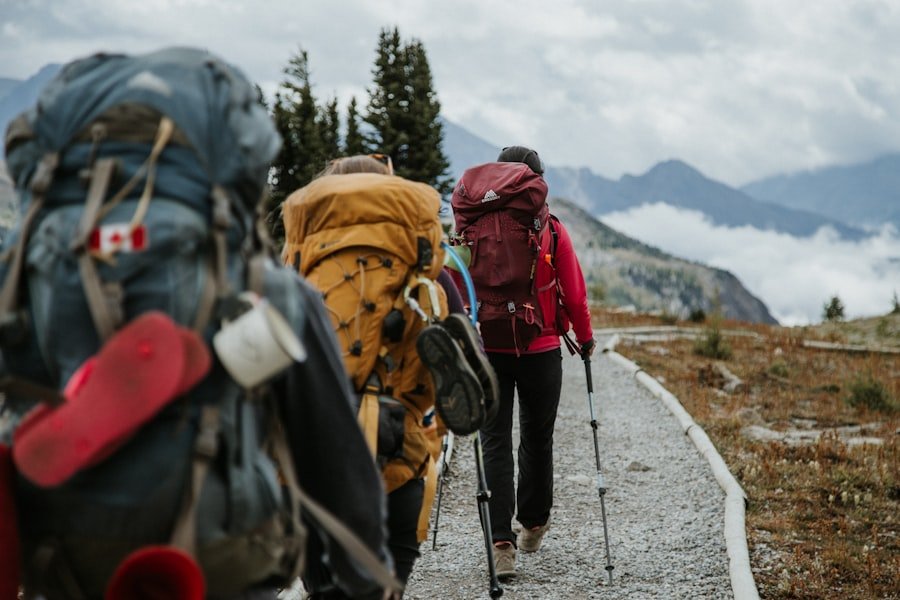
Switzerland is dotted with charming villages and towns that exude a sense of timelessness and tranquility. Each locale has its own character and charm, making them perfect stops along your backpacking route. For instance, the village of Gimmelwald is a hidden gem nestled in the Bernese Oberland.
Accessible only by cable car or a steep hike, it offers stunning views of the surrounding mountains and a peaceful atmosphere that feels worlds away from bustling tourist hotspots. Another must-visit destination is the town of Montreux, located on the shores of Lake Geneva. Known for its annual jazz festival, Montreux boasts a beautiful lakeside promenade lined with palm trees and vibrant flowers.
The nearby Chillon Castle, perched on a rocky outcrop overlooking the lake, provides a glimpse into Switzerland’s medieval history. Exploring these towns allows backpackers to engage with local culture, sample regional delicacies, and perhaps even participate in traditional festivals that celebrate Swiss heritage.
Immersing Yourself in Switzerland’s Rich Culture and History
| Aspect | Metrics |
|---|---|
| Number of Museums | Over 1,000 museums across the country |
| Historical Sites | Hundreds of historical sites and landmarks |
| Cultural Events | Various cultural events throughout the year |
| Traditional Festivals | Participation in traditional festivals |
Switzerland’s cultural tapestry is woven from its diverse linguistic regions—German, French, Italian, and Romansh—each contributing to a rich historical narrative. As you traverse the country, take time to explore museums and historical sites that offer insights into Switzerland’s past. The Swiss National Museum in Zurich showcases artifacts from various periods, including medieval weaponry and traditional costumes that reflect the country’s evolution.
In addition to museums, many towns feature historical architecture that tells stories of bygone eras. The UNESCO World Heritage site of Bern’s Old Town is a prime example, with its well-preserved medieval buildings and charming cobblestone streets. Walking through this historic center feels like stepping back in time, where you can admire the Zytglogge clock tower and visit the Federal Palace.
Engaging with local guides can further enhance your understanding of Switzerland’s history, as they often share anecdotes and lesser-known facts that bring the past to life.
Indulging in Swiss Cuisine Along the Backpacking Route
No backpacking adventure in Switzerland would be complete without indulging in its world-renowned cuisine. Swiss food is characterized by its hearty ingredients and regional specialties that reflect the country’s agricultural heritage. As you journey through different regions, be sure to sample local dishes such as fondue—a melted cheese dish served with bread—and raclette, where cheese is melted and scraped onto potatoes and pickles.
In addition to cheese dishes, Switzerland is famous for its chocolate. A visit to a local chocolatier can be a delightful experience; many offer tours where you can learn about the chocolate-making process and sample various types. The village of Broc, in the canton of Fribourg, is home to Maison Cailler, Switzerland’s oldest chocolate factory, which provides an immersive experience where visitors can see how chocolate is crafted from bean to bar.
Pairing these culinary delights with local wines or craft beers enhances the gastronomic experience and allows you to appreciate Switzerland’s diverse agricultural landscape.
Experiencing Switzerland’s Natural Wonders: Lakes, Waterfalls, and More
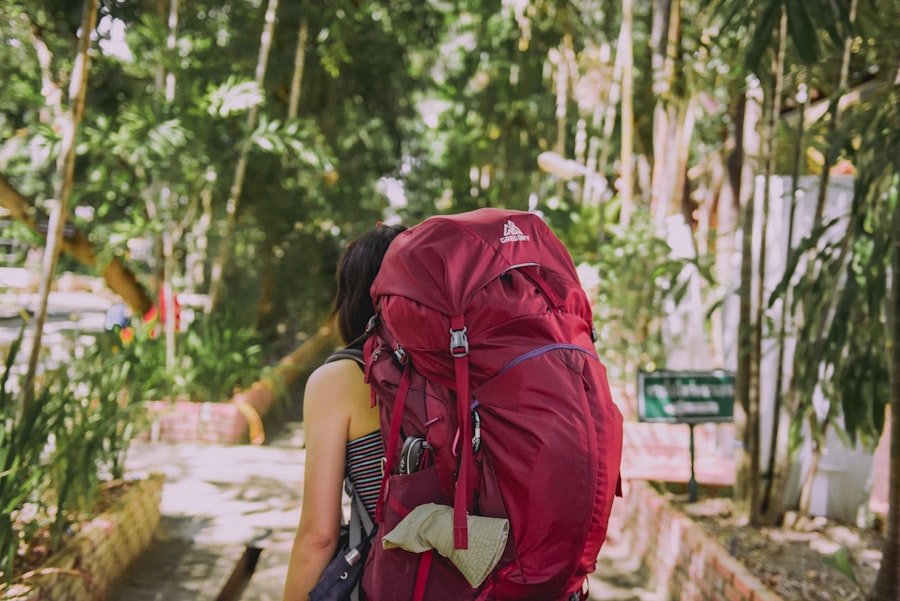
Switzerland’s natural beauty is not limited to its majestic mountains; it also boasts stunning lakes and waterfalls that are worth exploring during your backpacking journey. Lake Lucerne is one such gem, surrounded by towering peaks and dotted with charming villages along its shores. A boat ride on this pristine lake offers breathtaking views and an opportunity to visit nearby attractions such as Mount Pilatus or Mount Rigi.
The Rhine Falls near Schaffhausen is the largest waterfall in Europe by width and flow, plunging roughly 23 meters over a 150-meter-wide riverbed.
Waterfalls are another highlight of Switzerland’s natural landscape. The Rhine Falls near Schaffhausen is Europe’s largest waterfall and an awe-inspiring sight to behold. Visitors can take boat trips that bring them close to the thundering cascades or enjoy panoramic views from observation platforms.
In contrast, Lauterbrunnen Valley is home to 72 waterfalls, including the iconic Staubbach Falls that plunges roughly 297 meters into the valley below. Hiking through this picturesque valley allows you to witness these natural wonders up close while enjoying the lush greenery that surrounds them.
Connecting with Local Wildlife on Your Backpacking Adventure
Switzerland’s diverse ecosystems provide ample opportunities for wildlife enthusiasts to connect with nature during their backpacking adventures. The Swiss National Park in the Engadine Valley is a prime location for spotting native species such as ibexes, chamois, and marmots in their natural habitats. The park features well-marked trails that allow visitors to explore its stunning landscapes while keeping an eye out for wildlife.
Birdwatchers will also find Switzerland to be a rewarding destination. The wetlands around Lake Geneva are home to various migratory birds, making it an ideal spot for birdwatching enthusiasts. Additionally, guided wildlife tours are available in many regions, providing insights into local fauna while ensuring responsible wildlife observation practices are followed.
Note: Camping and open fires are prohibited inside the Swiss National Park and other protected reserves. Stick to marked trails and check local rules before setting up overnight anywhere near a park boundary.
Engaging with local conservation efforts can deepen your appreciation for Switzerland’s natural heritage and highlight the importance of preserving these ecosystems for future generations.
Embracing the Thrill of Outdoor Activities in Switzerland
Switzerland is synonymous with outdoor adventure, offering a plethora of activities that cater to adrenaline seekers and nature lovers alike. In summer months, hiking and mountain biking are popular pursuits, with trails ranging from leisurely walks to challenging ascents that reward hikers with panoramic views at their summits. The Aletsch Glacier area offers not only stunning scenery but also opportunities for glacier hiking—an exhilarating experience that allows you to walk on ancient ice formations.
During winter months, Switzerland transforms into a winter wonderland where skiing and snowboarding reign supreme. Renowned ski resorts such as Zermatt and Verbier attract winter sports enthusiasts from around the globe. For those looking for something different, snowshoeing provides an alternative way to explore snowy landscapes at a more leisurely pace while immersing yourself in serene winter scenery.
Unwinding and Relaxing in Switzerland’s Picturesque Mountain Retreats
After days filled with exploration and adventure, finding time to unwind is essential for any backpacker. Switzerland offers numerous mountain retreats where you can relax amidst breathtaking scenery. Many alpine lodges provide cozy accommodations with stunning views of surrounding peaks or valleys—perfect for enjoying a quiet evening after a day of hiking.
Wellness retreats are also prevalent throughout Switzerland, often featuring spa facilities that incorporate natural elements such as mineral springs or alpine herbs into their treatments. The town of Leukerbad is famous for its thermal baths; soaking in these warm waters while surrounded by snow-capped mountains creates an unforgettable experience that rejuvenates both body and mind.
Capturing Unforgettable Memories: Photography Tips for Backpackers
As you traverse Switzerland’s stunning landscapes and vibrant towns, capturing these moments through photography becomes an integral part of your journey. To make the most of your photographic endeavors, consider investing in a lightweight camera or smartphone with good image quality—this allows you to document your experiences without being burdened by heavy equipment. Timing is crucial when it comes to photography; early mornings or late afternoons often provide soft lighting that enhances landscapes and creates dramatic shadows.
Additionally, don’t shy away from experimenting with different angles or perspectives—climbing higher or finding unique vantage points can yield breathtaking shots that showcase Switzerland’s beauty in new ways. Engaging with locals can also lead to candid moments worth capturing; whether it’s a bustling market scene or a quiet moment at a café, these snapshots tell stories beyond mere landscapes.
Reflecting on Your Ultimate Switzerland Backpacking Adventure
As your backpacking journey through Switzerland comes to an end, take time to reflect on the myriad experiences you’ve encountered along the way. Each destination has likely left an indelible mark on your memory—whether it was standing atop a mountain peak after a challenging hike or sharing laughter over fondue with fellow travelers in a cozy chalet. These reflections not only serve as cherished memories but also shape your perspective on travel itself—reminding you of the beauty found in nature, culture, and human connection.
As you return home or continue your travels elsewhere, carry these lessons with you; they will undoubtedly enrich your future adventures as you seek out new landscapes and experiences around the globe.
If you’re planning a backpacking trip through Switzerland, you may also be interested in reading about the delightful world of Asian melon. Check out this article here to learn more about this unique fruit and how it can add a refreshing twist to your travel snacks.
Frequently Asked Questions
What is the best time of year for backpacking in Switzerland?
The best time for backpacking in Switzerland is during the summer months, from June to September, when the weather is generally warm and the hiking trails are accessible. Ski touring and snowshoeing are better suited to December through March.
What are some popular backpacking routes in Switzerland?
Some popular backpacking routes in Switzerland include the Haute Route, the Via Alpina, the Alpine Pass Route, and the Tour du Mont Blanc.
What are the essential items to pack for a backpacking trip in Switzerland?
Essential items to pack for a backpacking trip in Switzerland include sturdy hiking boots, waterproof clothing, a good quality backpack, a map and compass, a first aid kit, and plenty of water and snacks.
Are there any permits or fees required for backpacking in Switzerland?
There are no permits required for backpacking in Switzerland, but some areas may have entry fees or camping fees, so it’s important to check the specific regulations for the areas you plan to visit.
What are some safety tips for backpacking in Switzerland?
Some safety tips for backpacking in Switzerland include staying on marked trails, being aware of weather conditions, carrying a mobile phone and emergency whistle, and informing someone of your itinerary before setting out on a hike. Save 112 (general emergency) and 1414 (Air Rescue/Rega) in your phone before heading into the mountains.
What are the accommodation options for backpackers in Switzerland?
Accommodation options for backpackers in Switzerland include mountain huts, hostels, campgrounds, and budget hotels. There is no general right to wild camp: a single night of “bivouacking” above the treeline is generally tolerated outside protected areas, but multi-night tent camping is usually not, and rules vary by canton and municipality — always check locally before setting up.
Sources
- Switzerland Tourism — Rhine Falls — confirms Rhine Falls as Europe’s largest waterfall by width and flow
- Wikipedia — Staubbach Falls — confirms the 297-meter drop height
- Wikipedia — Cailler — confirms the Maison Cailler factory’s location in Broc, Fribourg
- Wikipedia — Prominent Mountains of the Alps — confirms Switzerland’s summit counts above 2,500m and 4,000m
- SBB — Swiss Travel Pass — confirms transport pass options for backpackers