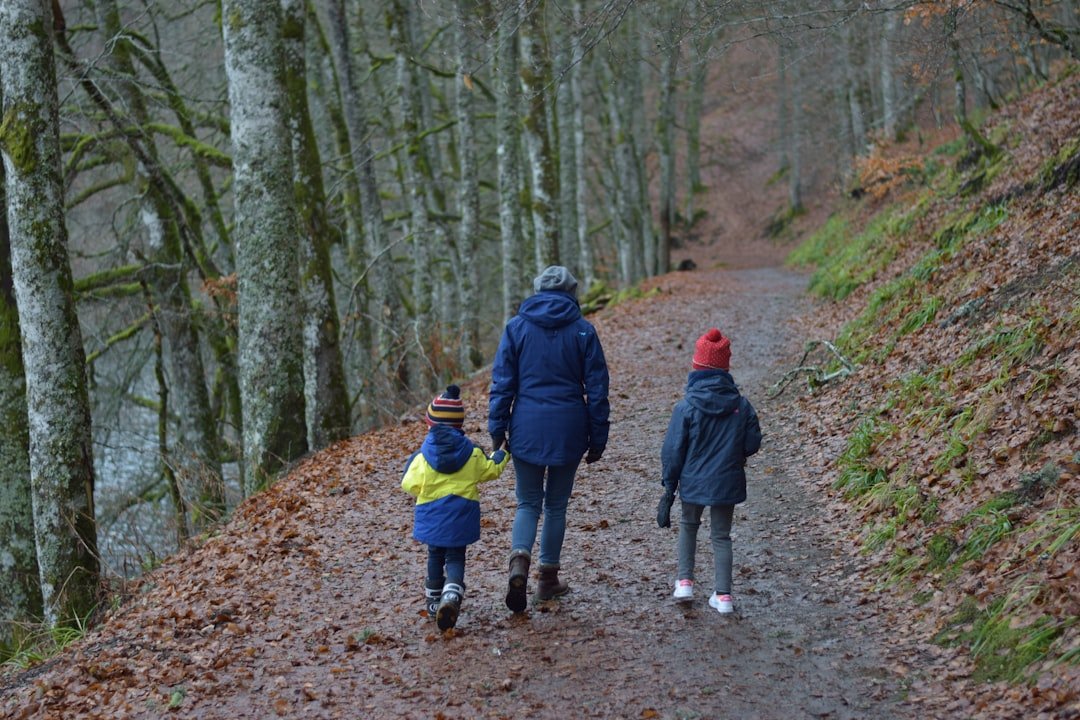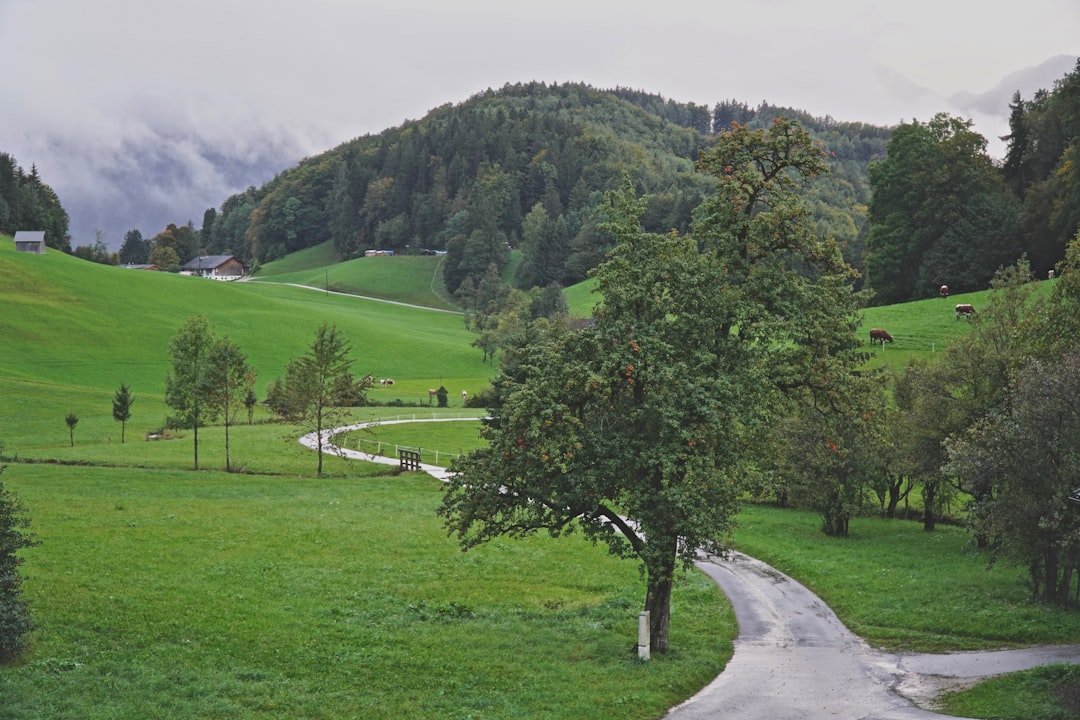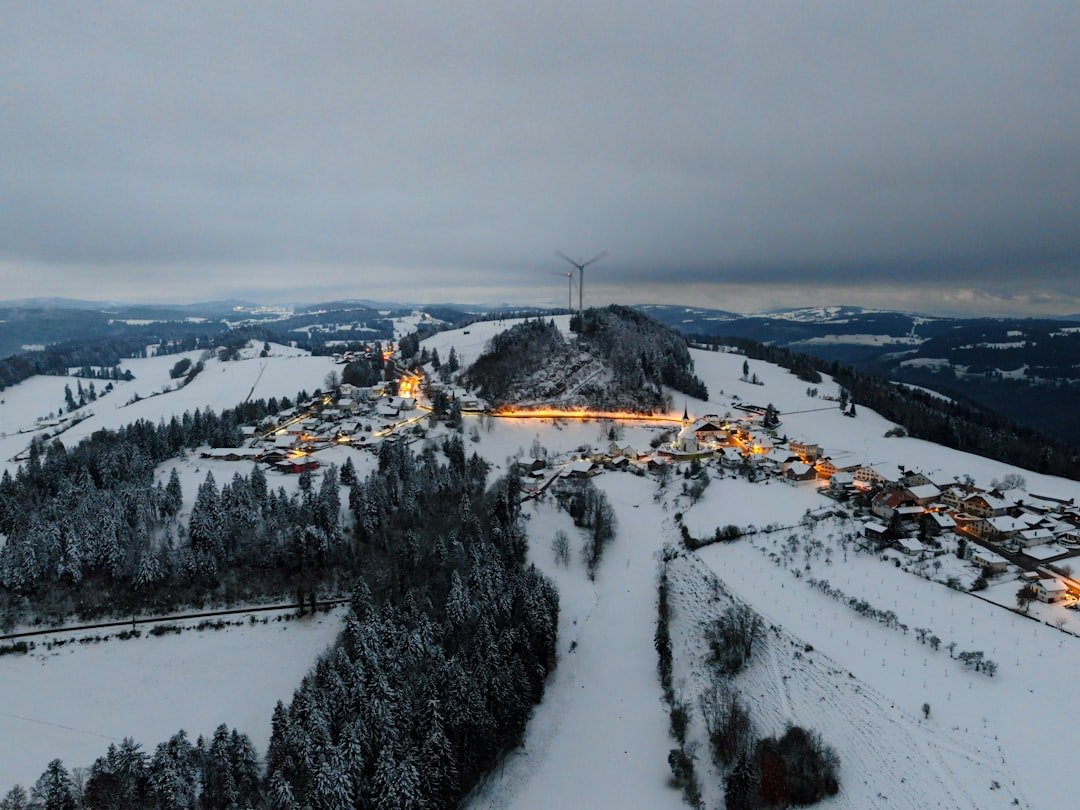
Planning a trip to Davos, Switzerland does not require the bottomless budget of a global dignitary. While this pristine Graubünden resort town is world-renowned for luxury retreats and high-level summits, independent travelers can experience its jagged alpine panoramas, legendary ski terrain, and crystalline lakes without draining their savings. With strategic timing, savvy transit choices, and an understanding of local visitor perks, navigating the highest town in the Alps on a modest budget is entirely achievable.
Quick Answer
To visit Davos on a budget, travel during the shoulder seasons (avoiding the late-January World Economic Forum), stay in accommodations providing the Davos Klosters Premium Card for free local transit, buy advance SBB train Supersaver tickets from Zurich, self-cater via Coop or Migros supermarkets, and purchase ski lift passes online early for dynamic discounts.
Key Takeaways
- Avoid Peak Event Windows: Steer clear of late January, when the World Economic Forum (WEF) causes lodging rates to spike by 500% to 1,000%.
- Maximize Guest Perks: An overnight stay in commercial lodging includes the Davos Klosters Premium Card, granting free local bus rides and deep discounts on mountain railways.
- Book Rail Travel Early: Secure SBB Supersaver tickets or Saver Day Passes online well in advance rather than purchasing full-price transit passes on arrival.
- Self-Cater to Cut Dining Costs: Swiss restaurant dining is notoriously expensive; save significantly by using local supermarkets (Denner, Migros, Coop) and in-store hot cafeterias.
- Take Advantage of Free Winter Sports: Davos offers over 100 kilometers of world-class cross-country ski trails that are completely free to use.
Getting to Davos: Affordable Swiss Transportation
Securing affordable transportation to Davos begins with smart flight and rail coordination. Most international travelers land at Zurich Airport (ZRH), the closest major international aviation hub to the Graubünden region. Utilizing flight search aggregators like Google Flights or Skyscanner allows you to set automated price alerts and identify cost-effective mid-week departures.
Once you arrive in Switzerland, the Swiss Federal Railways (SBB/CFF/FFS) provides the most reliable route into the mountains. From Zurich Airport or Zurich Main Station (Zürich HB), trains connect via Landquart directly onto the scenic, narrow-gauge Rhaetian Railway (RhB) climbing up to Davos Dorf and Davos Platz. While the Swiss Travel Pass offers unlimited nationwide transit, budget travelers visiting only Davos will often spend far less by purchasing advance SBB Supersaver Tickets (Sparbillette) or an SBB Saver Day Pass via the SBB mobile app.
Pro Tip: Download the SBB Mobile App before your trip. Point-to-point Supersaver tickets for the Zurich-to-Davos route go on sale up to 60 days before departure and can save you up to 70% compared to standard walk-up rail fares.
Direct airport shuttle coaches operate during high winter ski weeks, but scheduled rail connections remain the most dependable choice in alpine winter conditions. Renting a car is another alternative, though fuel, highway tolls (the Swiss motorway vignette costs CHF 40), and parking fees in Davos—which often run CHF 20 to CHF 35 per day in covered garages—frequently outweigh the rental savings.
Car rentals frequently introduce hidden expenses in the Swiss Alps: factor in mandatory winter tires, snow chains, fuel, and daily municipal garage fees before choosing to drive.
Accommodation: Budget-Friendly Lodging Options in Davos
Securing affordable lodging in Davos requires understanding seasonal calendar fluctuations. Hostels represent the gold standard for independent and solo budget travelers. The official Davos Youthpalace (part of Swiss Youth Hostels) occupies a converted historic sanatorium overlooking the valley, offering clean dormitory accommodations, generous breakfast buffets, and communal spaces at a fraction of standard hotel pricing.
Warning: Never attempt a budget trip to Davos during the annual World Economic Forum (WEF) in mid-to-late January. Standard rooms skyrocket into thousands of francs per night, minimum stay policies are enforced, and high-security cordons restrict municipal access.
For families or groups traveling together, vacation apartment rentals via platforms like Airbnb or local agencies provide full kitchen setups that eliminate expensive restaurant bills. Another proven cost-saving approach is staying down the valley in smaller, connected towns such as Klosters Dorf, Küblis, or Landquart, commuting into Davos aboard the scenic Rhaetian Railway.
Note: Whenever you book paid overnight lodging in Davos, you pay a mandatory municipal tourist tax (Kurtaxe). In return, your host issues the Davos Klosters Premium Card, which covers public local buses (VBD) and local RhB train segments between Klosters Dorf and Filisur.
Dining: Affordable Eateries and Local Food Markets
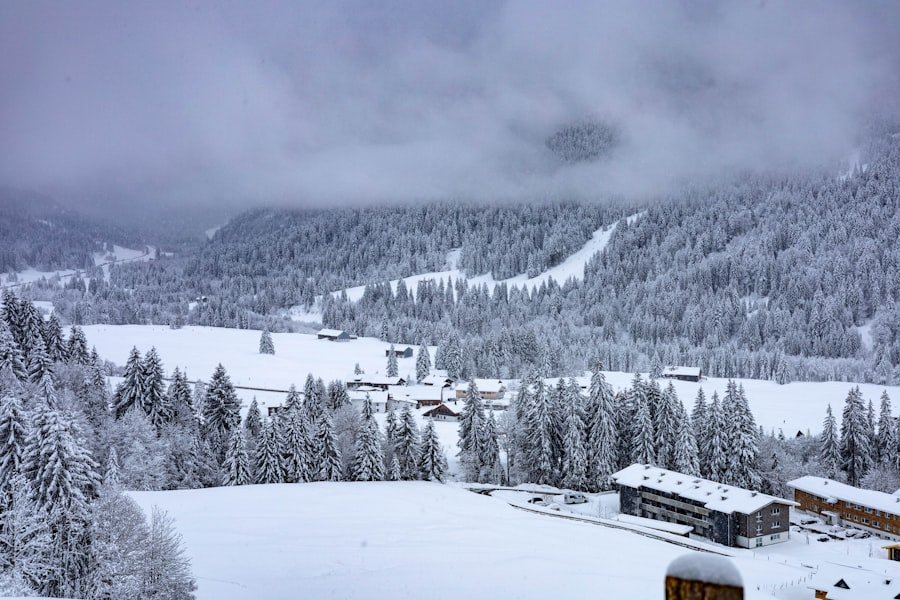
Dining out in Switzerland is universally costly, with a basic sit-down meal easily exceeding CHF 35 per person without drinks. However, smart eaters can experience traditional flavors without overspending. The best insider strategy for inexpensive hot meals is utilizing departmental supermarket cafeterias. Both the Coop Restaurant in Davos Platz and the Migros Restaurant offer high-quality hot buffet selections, daily roast specials, fresh salad bars, and vegetarian options for roughly CHF 14 to CHF 20.
For authentic quick bites on the go, local bakeries such as Schneider’s and local takeaway bistros around Promenade provide sandwiches, quiches, and regional pastries like Bündner Nusstorte (traditional caramelized walnut tart) at reasonable lunchtime prices.
Self-catering remains the ultimate money-saving tactic. Supermarkets such as Denner (the premier Swiss discount grocer), Migros, and Coop carry pre-packaged fondue kits, crusty alpine bread, artisanal Graubünden cheeses, and fresh produce. Travelers can easily assemble an authentic Swiss fondue feast in their holiday apartment kitchen or pack a scenic trailside picnic for a fraction of restaurant rates.
Activities: Free or Low-Cost Things to Do in Davos
| Activity | Description | Location & Cost Details |
|---|---|---|
| Alpine Hiking | Explore marked trails, panoramic ridge walks, and deep side-valleys | Sertig & Dischma Valleys (Free; bus covered by Guest Card) |
| Lake Davos Loop | Scenic 4-kilometer lakeside walking route with swimming spots in summer | Davosersee (Free public access year-round) |
| Cross-Country Skiing | Over 100 km of groomed classic and skate tracks, including night trails | Davos Nordic Network (100% Free; no trail pass required) |
| Kirchner Museum | World-class expressionist collection honoring painter Ernst Ludwig Kirchner | Ernst Ludwig Kirchner Platz (~CHF 12–15; discounted with Guest Card) |
| Schatzalp Botanical Garden | Historic “Magic Mountain” alpine garden (Alpinum) featuring 5,000+ plant species | Schatzalp (Garden is free; hike up or take funicular) |
Beyond downhill skiing, Davos offers abundant low-cost and free recreational activities. During the summer, more than 700 kilometers of maintained footpaths crisscross the peaks. Strolling the 4-kilometer path encircling Lake Davos (Davosersee) offers panoramic alpine reflections, picnic docks, and refreshing swimming areas in warm summer months without spending a cent.
For cultural immersion, the Kirchner Museum Davos showcases the expressive works of German artist Ernst Ludwig Kirchner, who spent his final decades capturing the mountain architecture and local residents of Davos. In addition, the historic local Heimatmuseum and the Winter Sports Museum offer inexpensive glimpses into how this valley transformed from a secluded farming community into a pioneering health resort and international winter sports capital.
Skiing and Snowboarding: Tips for Enjoying the Slopes on a Budget
Skiing in Switzerland can quickly inflate a vacation budget, but strategic planning significantly curbs costs across the five major mountains of the Davos Klosters network: Parsenn, Jakobshorn, Rinerhorn, Pischa, and Madrisa.
The Davos Klosters mountain railways operate dynamic pricing on lift tickets via their official webshop. Purchasing your ski passes online weeks or months ahead locks in the lowest possible day rate—often saving 15% to 30% over walk-up ticket window prices. If you don’t require access to the massive, interconnected Parsenn circuit, look into regional mountain passes for Rinerhorn or Madrisa, which are priced noticeably lower and cater exceptionally well to families and casual carvers.
For ski and snowboard rentals, bypass the slopeside outfitters right next to the gondola stations. Instead, book your equipment online ahead of time through local sports shops in Davos Dorf or Davos Platz (such as Bardill Sport or Andrist Sport), which frequently extend early-bird discounts and multi-day package deals.
Pro Tip: If downhill passes stretch your budget, switch to cross-country skiing (Nordic). Unlike almost every other major ski hub in Europe, Davos does not charge a trail fee (Loipenpass). All 100+ kilometers of groomed skating and classic tracks are completely free to use, and Nordic gear rentals cost less than half the price of downhill equipment.
Shopping: Finding Deals on Souvenirs and Local Goods
Shopping along Promenade—Davos’s primary commercial street—features plenty of luxury boutiques and watch retailers, but budget-minded travelers can easily uncover authentic regional keepsakes without overspending. For traditional items, visit local farmers’ markets and alpine dairy shops (such as the Schaukäserei in nearby Davos Monstein) to buy mountain cheeses, cured meats, and local honey directly from producers.
Thrift shoppers and vintage collectors should keep an eye out for regional Brockenstuben (second-hand charity shops, often referred to as “Brocki”). These community thrift stores are treasure troves for vintage Swiss enamelware, antique cowbells, winter sports apparel, and traditional wooden carvings at steep discounts compared to commercial tourist shops.
Entertainment: Budget-Friendly Nightlife and Cultural Events
Davos features an energetic après-ski and nightlife scene that does not require bottle-service pricing. Casual mountain huts and base-station venues like the Bolgen Plaza host legendary afternoon après-ski gatherings at the foot of Jakobshorn, where travelers can enjoy live music and energetic open-air crowds without an admission cover charge.
Later in the evening, laid-back local pubs such as the Ex Bar on Promenade welcome skiers, locals, and season workers with reasonable draft beer prices and free billiards or darts. For classical music enthusiasts, the annual Davos Festival presents chamber music concerts across intimate valley venues, featuring young international talent with accessible student and budget ticketing options.
Money-Saving Tips: Tricks for Stretching Your Budget in Davos
Stretching your Swiss francs in Davos comes down to maximizing municipal infrastructure and avoiding avoidable visitor markups:
- Carry a Reusable Water Bottle: Tap water in Davos is pure alpine spring water. The public wooden troughs and stone village fountains throughout town pump drinkable water free of charge.
- Travel in the Shoulder Season: Visit in June or September for hiking, or in early December or late March for skiing. Hotel rates are significantly reduced compared to peak holiday weeks.
- Take Advantage of the Guest Card: Always show your Davos Klosters Premium Card on local VBD buses and Rhaetian Railway valley train routes to avoid paying unnecessary fares.
- Pack Lunches for the Slopes: Mountain restaurant chalets (Bergrestaurants) charge steep premiums for mid-mountain dining. Pack thermoses of hot tea, bakery rolls, and cheese in a daypack to enjoy at designated picnic benches on the summits.
For visitors curious about how the town balances small-town alpine charm with high-stakes international summitry, understanding the broader dynamics of regional travel can provide helpful context. You can read more about global event planning and destination guides on Tagline Today, which offers additional insights on making the most of world-renowned destinations on a realistic budget.
Frequently Asked Questions
Is Davos expensive for tourists compared to other Swiss ski resorts?
Davos is comparable to major Swiss destinations like Zermatt or St. Moritz, but it actually offers more budget flexibility. Because it is a functional town of over 10,000 residents rather than an isolated resort village, visitors have access to major discount supermarkets (Denner, Migros, Coop), affordable municipal buses, public hostels, and free cross-country ski trails that keep costs manageable.
What is the Davos Klosters Premium Card and how do I get it?
The Davos Klosters Premium Card is a visitor guest pass provided to anyone spending at least one night in an officially registered hotel, hostel, or holiday rental in Davos or Klosters. The card includes free rides on the local Davos public bus network (VBD), free travel on the Rhaetian Railway between Klosters Dorf and Filisur, and heavily discounted tickets on summer mountain cable cars.
What is the cheapest way to eat well in Davos?
The most cost-effective way to eat is self-catering by buying groceries at Denner, Migros, or Coop. For cooked meals, the department store cafeterias—specifically the Coop Restaurant in Davos Platz—offer wholesome hot buffets and daily lunch specials for under CHF 18, which is less than half the price of a standard sit-down restaurant.
When should I avoid traveling to Davos on a budget?
You should avoid traveling to Davos during the World Economic Forum (WEF), which takes place annually in mid-to-late January. Lodging rates multiply exponentially, minimum night requirements are enforced, security checkpoints cause travel delays, and cheap dorm rooms become virtually impossible to book.
Are cross-country ski trails in Davos free to use?
Yes. Unlike many European resorts that charge a mandatory daily or seasonal trail pass (Loipenpass), Davos provides free access to its entire network of more than 100 kilometers of groomed classic and skate cross-country trails, including illuminated night loops.
Sources
- Davos Klosters Official Tourism Destination — Official guest card policies, mountain railway schedules, and local municipal infrastructure.
- SBB Swiss Federal Railways — Timetables, point-to-point rail pricing, and Supersaver ticket availability.
- Kirchner Museum Davos — Exhibition schedules, architectural history, and museum admission details.
- Swiss Youth Hostels (Davos Youthpalace) — Affordable alpine lodging rates and amenities.