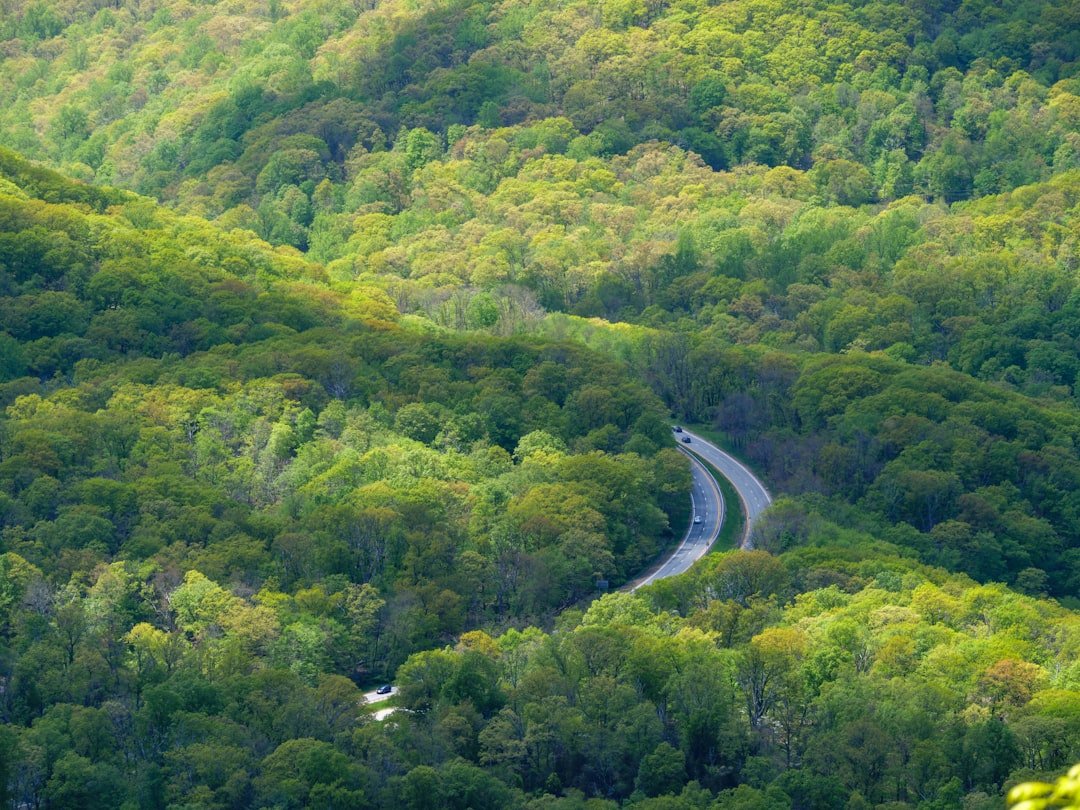
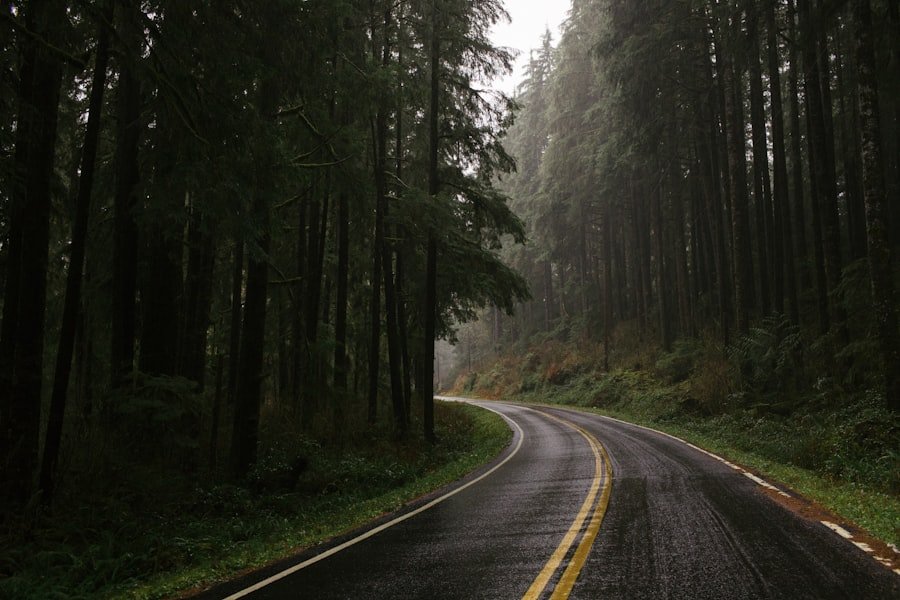
The Talladega National Forest, nestled in the heart of Alabama, offers a breathtaking scenic drive that captivates visitors with its stunning landscapes and rich biodiversity. This picturesque route meanders through the forest, providing an immersive experience of the natural beauty that defines this region. The scenic drive is not merely a pathway; it is an invitation to explore the diverse ecosystems, vibrant flora, and serene vistas that characterize the forest.
As one traverses this route, the interplay of light and shadow through the towering trees creates a mesmerizing atmosphere that beckons travelers to pause and appreciate the surroundings. The Talladega National Forest covers over 392,000 acres, making it one of the largest national forests in Alabama. The scenic drive showcases a variety of terrains, from rolling hills to lush valleys, and offers glimpses of sparkling streams and tranquil lakes.
Each season brings its own charm to the forest; spring bursts forth with wildflowers, summer provides a lush green canopy, autumn paints the landscape in vibrant hues of orange and red, and winter offers a serene, quiet beauty. This dynamic environment not only attracts nature enthusiasts but also serves as a vital habitat for numerous species of wildlife, making it a prime destination for those seeking both adventure and tranquility.
Key Takeaways
- Talladega National Forest Scenic Drive offers a picturesque route through the forest, showcasing its natural beauty and diverse landscapes.
- The forest is home to natural wonders such as waterfalls, rock formations, and scenic overlooks, providing plenty of opportunities for outdoor exploration and photography.
- Visitors can encounter a variety of wildlife in the forest, including deer, turkey, and various bird species, making it a great destination for nature enthusiasts and wildlife photographers.
- The history and culture of Talladega National Forest can be explored through its historic sites, such as old homesteads and Civilian Conservation Corps structures, offering a glimpse into the area’s past.
- The forest provides a range of activities and recreational opportunities, including hiking, camping, fishing, and horseback riding, catering to outdoor enthusiasts of all kinds.
The Natural Wonders of Talladega National Forest
The natural wonders of Talladega National Forest are as diverse as they are breathtaking. The forest is home to a variety of ecosystems, including hardwood forests, pine plantations, and wetlands. These ecosystems support an impressive array of plant life, with over 1,000 species of flowering plants documented within the forest boundaries.
Among these are rare and endemic species that thrive in the unique microclimates created by the varying elevations and soil types found throughout the area. The presence of such biodiversity makes Talladega a significant site for botanical research and conservation efforts. One of the most striking features of the Talladega National Forest is its elevation changes, which create stunning vistas and panoramic views.
The highest point in Alabama, Cheaha Mountain, is located within the forest and rises to an elevation of 2,413 feet. From its summit, visitors can gaze out over miles of undulating hills and valleys, particularly breathtaking during sunrise or sunset when the landscape is bathed in golden light. The forest also boasts numerous waterfalls, such as the picturesque Cheaha Falls and the cascading streams that flow through its many ravines.
These natural wonders not only enhance the scenic drive but also provide opportunities for photography, painting, and simply soaking in the beauty of nature.
Exploring the Wildlife of Talladega National Forest
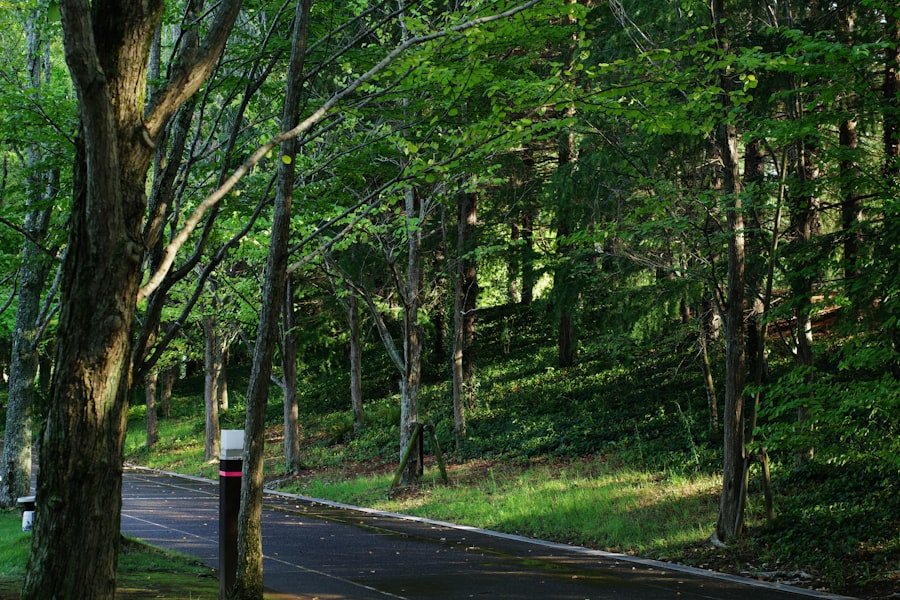
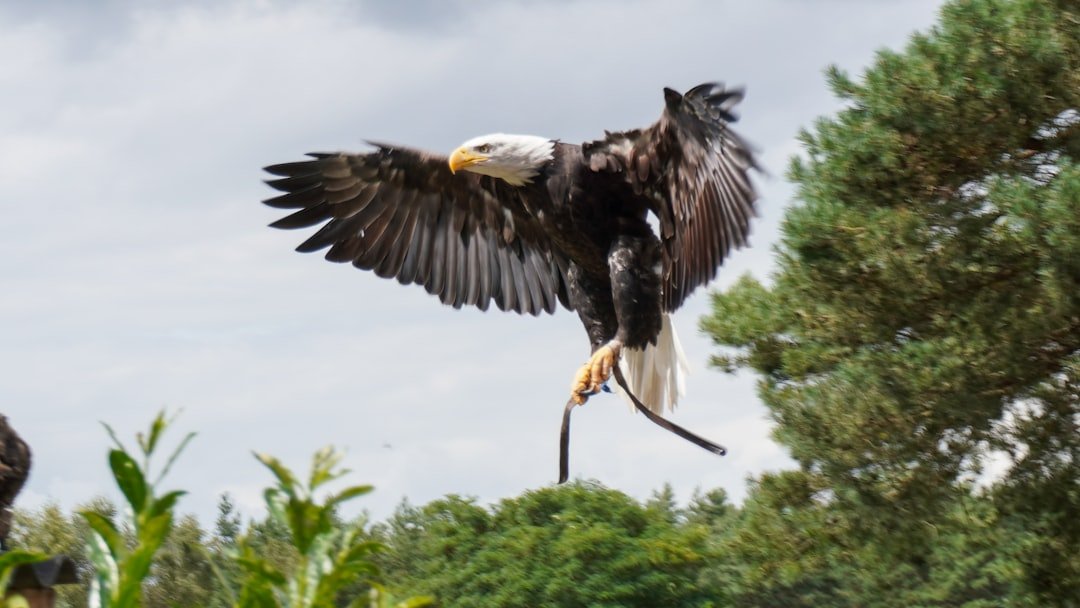
Talladega National Forest is a sanctuary for wildlife enthusiasts, offering a rich tapestry of habitats that support a diverse range of animal species. The forest is home to over 200 species of birds, making it a prime location for birdwatching. From the vibrant plumage of the Eastern Bluebird to the majestic flight of the Red-tailed Hawk, avian life flourishes here.
The forest’s varied habitats attract migratory birds during their seasonal journeys, providing birdwatchers with unique opportunities to observe species that may not be present year-round. In addition to birds, Talladega National Forest is inhabited by mammals such as white-tailed deer, black bears, and wild turkeys. The presence of these animals is indicative of a healthy ecosystem, as they play crucial roles in maintaining the balance of their habitats.
For instance, deer are herbivores that help control plant populations, while predators like bears contribute to the regulation of smaller mammal populations. Observing these animals in their natural environment can be a thrilling experience for visitors; however, it is essential to maintain a respectful distance and adhere to wildlife viewing guidelines to ensure both human safety and animal welfare.
The History and Culture of Talladega National Forest
| Aspect | Details |
|---|---|
| Established | 1936 |
| Size | 392,567 acres |
| Location | Alabama, United States |
| Features | Waterfalls, hiking trails, camping areas |
| Flora | Pine and hardwood forests, wildflowers |
| Fauna | White-tailed deer, wild turkey, black bear |
| Cultural Sites | Native American mounds, historic structures |
The history of Talladega National Forest is deeply intertwined with the cultural heritage of Alabama. Originally inhabited by Native American tribes such as the Creek and Cherokee, this land was rich in resources that sustained these communities for centuries. The forest’s diverse ecosystems provided food, shelter, and materials for tools and crafts.
As European settlers arrived in the 19th century, they began to alter the landscape through logging and agriculture, which significantly impacted the natural environment. In the early 20th century, concerns about deforestation and habitat loss led to conservation efforts that ultimately resulted in the establishment of Talladega National Forest in 1936. This designation marked a turning point in preserving Alabama’s natural heritage.
The Civilian Conservation Corps (CCC) played a pivotal role in developing infrastructure within the forest during the Great Depression, constructing roads, trails, and recreational facilities that are still in use today. This historical context enriches the experience for visitors who traverse the scenic drive; they are not only witnessing natural beauty but also engaging with a landscape shaped by human history and conservation efforts.

Activities and Recreation in Talladega National Forest
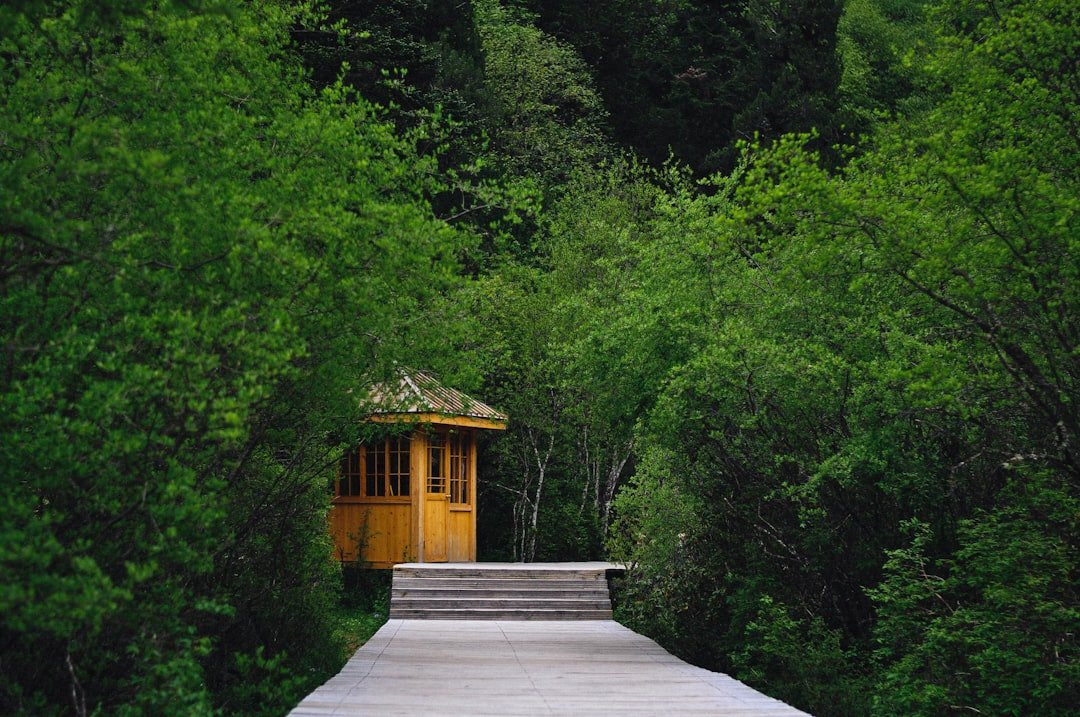
Talladega National Forest offers a plethora of recreational activities that cater to a wide range of interests and skill levels. Hiking is one of the most popular pursuits within the forest, with an extensive network of trails that vary in difficulty and length. The Pinhoti Trail, which runs through Talladega National Forest, is part of a larger trail system that stretches over 300 miles across Alabama and Georgia.
Hikers can enjoy everything from leisurely strolls to challenging backcountry treks while taking in stunning views and encountering diverse wildlife along the way. For those who prefer water-based activities, Talladega National Forest features several lakes and rivers ideal for fishing, kayaking, and canoeing. Lake Chinnabee is particularly popular among anglers seeking bass and trout.
Additionally, camping facilities are available throughout the forest, allowing visitors to immerse themselves in nature overnight. Campgrounds such as Cheaha State Park offer amenities while still providing access to hiking trails and scenic overlooks. Whether one seeks solitude or adventure, Talladega National Forest caters to all outdoor enthusiasts.
Products Worth Considering

50L HIGH-CAPACITY: Include Main compartment, two zipped front pocket, sleeping bag compartment, mesh side pockets, you can put your tents, blanket,cooking gear and other equipment & accessories in this backpack, backpack internal layout clear classified easily, more convenience to you.

ALWAYS KEEP YOUR ITEMS DRY. Our waterproof backpack is made of water resistant material. Futhermore, we also give away a rain cover. It is putted in the little pocket under the backpack.

NOT YOUR BASIC BACKPACK: Feature rich at this price point; Comfort and balanced backpack for men and women.
Tips for Visiting Talladega National Forest Scenic Drive
When planning a visit to Talladega National Forest Scenic Drive, preparation can enhance the experience significantly. First and foremost, it is advisable to check weather conditions before embarking on your journey. Alabama’s weather can be unpredictable; thus, dressing in layers is recommended to accommodate temperature fluctuations throughout the day.
Comfortable footwear is essential for those who wish to explore hiking trails along the drive. Additionally, visitors should consider bringing along binoculars for wildlife viewing and cameras to capture the stunning landscapes. Many areas along the scenic drive offer pull-offs where travelers can stop safely to take photographs or simply enjoy the view without obstructing traffic.
It is also wise to carry plenty of water and snacks, especially if planning on hiking or spending extended periods outdoors. Lastly, understanding Leave No Trace principles will help preserve this beautiful environment for future generations while ensuring a responsible visit.
Products Worth Considering

Comfortableness: NORTIV 8 Men's Waterproof Hiking Boots certainly delivers on all-day comfort! Removable and shock-absorbent cushioned insoles offer the support for your feet.

ADVANCED TECHNOLOGY: Columbia Men's Newton Ridge Plus II Waterproof Hiking Boot features our lightweight, durable midsole for long lasting comfort, superior cushioning, and high energy return as well as an advanced traction rubber sole for slip-free movement on rough ground.

100% Waterproof: Stay dry on any trail with NINGO waterproof shoes for hiking. Featuring a seam-sealed membrane, they keep feet bone-dry during creek crossings. The one-piece gusseted tongue prevents water and gravel intrusion, while the quick-dry lining ensures all-day comfort in wet conditions
Nearby Attractions and Points of Interest
Beyond its own natural beauty, Talladega National Forest is surrounded by several attractions that enhance any visit to the area. Just a short drive away lies Cheaha State Park, which offers additional recreational opportunities such as rock climbing and mountain biking. The park’s observation tower provides panoramic views that are particularly stunning at sunrise or sunset.
Another nearby point of interest is the historic town of Talladega itself. Known for its rich history and Southern charm, visitors can explore local museums that showcase artifacts from various periods or enjoy dining at quaint restaurants serving traditional Southern cuisine. For those interested in motorsports, the Talladega Superspeedway is located nearby and hosts thrilling NASCAR events throughout the year.
Products Worth Considering

Why Talladega National Forest Scenic Drive is a Must-Visit Destination
Talladega National Forest Scenic Drive stands out as an exceptional destination for nature lovers and adventure seekers alike. Its combination of breathtaking landscapes, rich biodiversity, historical significance, and recreational opportunities creates an experience that resonates with visitors long after they leave.
With its diverse ecosystems supporting an array of wildlife and its historical roots deeply embedded in Alabama’s culture, Talladega National Forest invites exploration and appreciation from all who venture into its embrace.
If you’re planning a scenic drive through the breathtaking Talladega National Forest, you might also be interested in exploring other delightful experiences. For instance, after a day of taking in the natural beauty, you could unwind by diving into the culinary world with a refreshing treat. Consider reading about the delightful world of Asian melons, which can offer a unique and refreshing snack option for your road trip. Check out this related article for more information: Exploring the Delightful World of Asian Melon.
FAQs
What is the Talladega National Forest scenic drive?
The Talladega National Forest scenic drive is a designated route that offers visitors the opportunity to experience the natural beauty of the forest from the comfort of their vehicle.
Where is the Talladega National Forest located?
The Talladega National Forest is located in the state of Alabama, USA. It covers a total area of approximately 392,567 acres.
What can visitors expect to see on the scenic drive?
Visitors can expect to see a variety of landscapes, including rolling hills, lush forests, and picturesque streams. The drive also offers opportunities for wildlife viewing and birdwatching.
Are there any specific points of interest along the scenic drive?
Yes, there are several points of interest along the scenic drive, including hiking trails, picnic areas, and scenic overlooks. The drive also passes by Cheaha State Park, which is home to the highest point in Alabama.
Is the Talladega National Forest scenic drive suitable for all vehicles?
The scenic drive is mostly accessible to all types of vehicles, including cars, RVs, and motorcycles. However, some sections of the route may have gravel or dirt roads that could be challenging for low-clearance vehicles.
Are there any fees or permits required to access the scenic drive?
No, there are no fees or permits required to access the Talladega National Forest scenic drive. It is open to the public and free of charge.
What are the best times of year to visit the Talladega National Forest for the scenic drive?
The best times to visit the Talladega National Forest for the scenic drive are during the spring and fall, when the foliage is at its most vibrant. However, the drive can be enjoyed year-round.