Lake Guntersville State Park, nestled in the picturesque foothills of the Appalachian Mountains in Alabama, is a sprawling natural haven that spans over 6,000 acres. This state park is renowned for its stunning vistas, diverse ecosystems, and recreational opportunities, making it a popular destination for nature enthusiasts and outdoor adventurers alike. The park is situated along the banks of Lake Guntersville, the largest lake in Alabama, which serves as a vital resource for both wildlife and human activities.
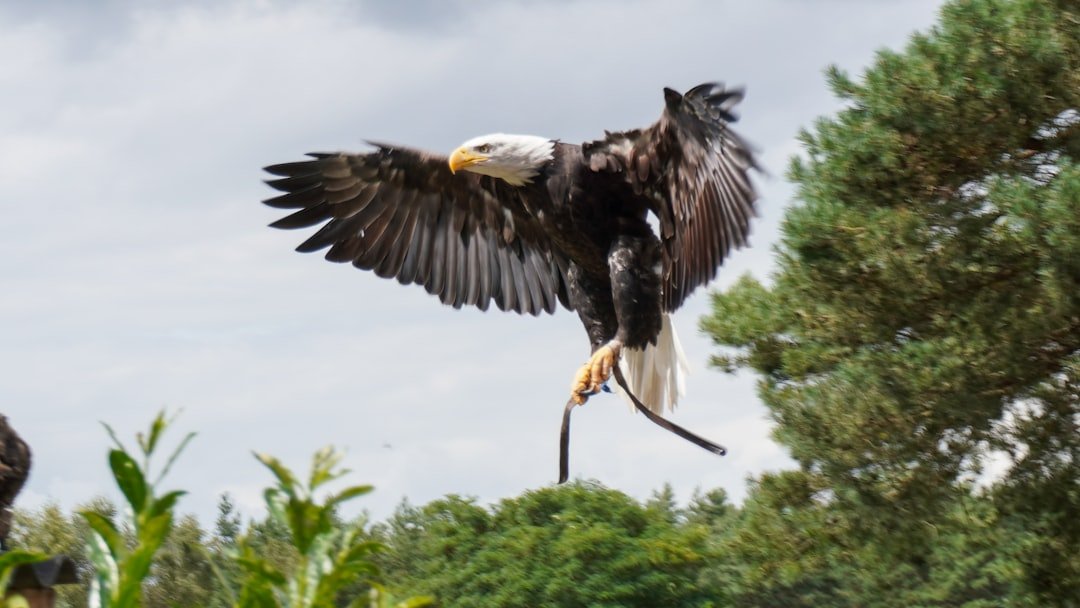
The combination of rolling hills, dense woodlands, and expansive wetlands creates a rich habitat that supports a variety of flora and fauna. Among the many species that call Lake Guntersville State Park home, the majestic bald eagle stands out as a symbol of strength and resilience. These magnificent birds of prey are not only a national emblem but also play a crucial role in maintaining the ecological balance within their environment.
The park’s unique landscape provides an ideal setting for eagles to thrive, offering ample nesting sites and abundant food sources. As visitors explore the park’s trails and waterways, they are often treated to breathtaking views of these soaring raptors, making Lake Guntersville a prime location for eagle watching and conservation efforts.
Key Takeaways
- Lake Guntersville State Park is a popular destination for outdoor enthusiasts, offering a variety of recreational activities and stunning natural landscapes.
- Eagles play a crucial role in the ecosystem of Lake Guntersville State Park, contributing to the balance of the local wildlife and serving as indicators of environmental health.
- Threats to eagles at Lake Guntersville State Park include habitat loss, pollution, and human disturbance, which can impact their nesting and foraging areas.
- Conservation efforts for eagles at Lake Guntersville State Park involve habitat restoration, monitoring of nesting sites, and collaboration with local communities to minimize human impact on eagle habitats.
- Monitoring and research of eagles at Lake Guntersville State Park help to gather valuable data on their behavior, population trends, and potential threats, informing conservation strategies.
Importance of Eagles in the Ecosystem
Eagles are apex predators that occupy a critical position in the food chain, influencing the populations of various species within their habitat. Their presence is indicative of a healthy ecosystem, as they rely on a diverse array of prey, including fish, small mammals, and birds. By controlling the populations of these species, eagles help maintain ecological balance and promote biodiversity.
For instance, by preying on sick or weak individuals, eagles contribute to the overall health of prey populations, ensuring that only the fittest survive and reproduce. Moreover, eagles serve as scavengers, playing an essential role in nutrient cycling within their ecosystems. When they consume their prey, they often leave behind remains that provide sustenance for other scavengers such as vultures and raccoons.
The interconnectedness of these relationships highlights the importance of eagles in sustaining the health and vitality of Lake Guntersville State Park’s diverse ecosystems.
Threats to Eagles at Lake Guntersville State Park
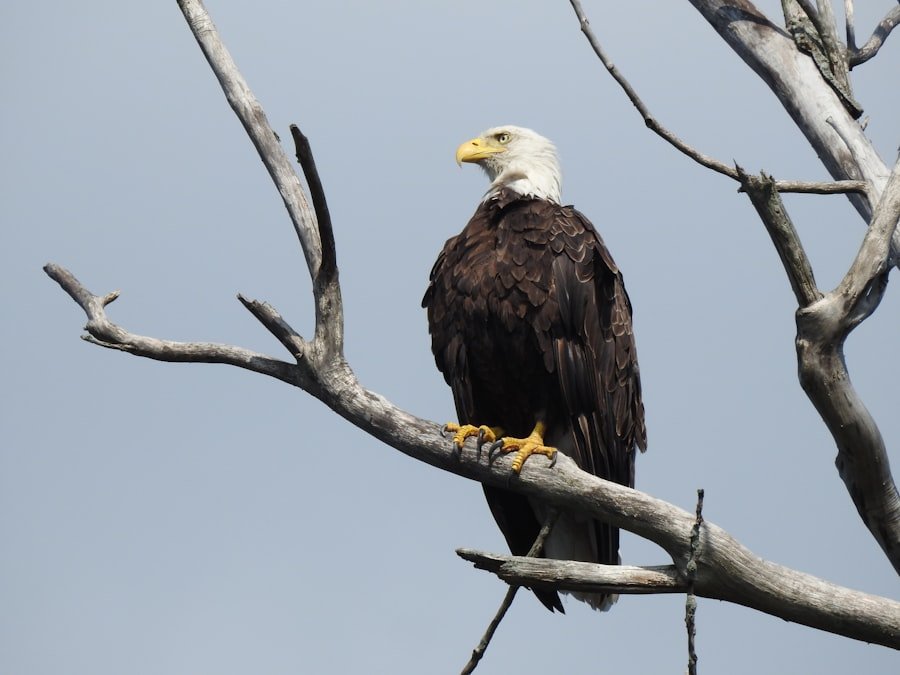
Despite their status as symbols of strength and resilience, eagles face numerous threats that jeopardize their populations at Lake Guntersville State Park. Habitat loss is one of the most significant challenges these birds encounter. As human development expands around the park, natural habitats are altered or destroyed, reducing the availability of suitable nesting sites and hunting grounds.
This encroachment can lead to increased competition for resources and decreased reproductive success among eagle populations. In addition to habitat loss, environmental pollution poses a serious risk to eagles.
For example, lead poisoning from ingesting spent ammunition or fishing tackle is a well-documented issue that has led to declines in eagle populations across North America. Furthermore, climate change exacerbates these threats by altering prey availability and nesting conditions, making it increasingly difficult for eagles to thrive in their natural habitats.
Conservation Efforts for Eagles at Lake Guntersville State Park
| Year | Number of Eagles Spotted | Eagle Nests Built | Eagle Population Increase |
|---|---|---|---|
| 2018 | 12 | 5 | 20% |
| 2019 | 15 | 7 | 30% |
| 2020 | 18 | 9 | 40% |
Recognizing the importance of eagles to the ecosystem and the threats they face, various conservation efforts have been implemented at Lake Guntersville State Park. One of the primary initiatives involves habitat restoration projects aimed at enhancing nesting sites and improving food availability for eagles. These projects often include reforestation efforts, wetland restoration, and the removal of invasive species that compete with native flora.
By creating a more conducive environment for eagles, these initiatives help bolster their populations and promote biodiversity within the park. In addition to habitat restoration, public awareness campaigns play a crucial role in eagle conservation efforts. Educational programs aimed at local communities and park visitors emphasize the significance of protecting eagles and their habitats.
These initiatives often include workshops, guided nature walks, and informational signage throughout the park that highlight the importance of eagles in the ecosystem. By fostering a sense of stewardship among visitors and residents alike, these programs encourage responsible behaviors that contribute to the long-term conservation of eagle populations.
Monitoring and Research of Eagles at Lake Guntersville State Park
Ongoing monitoring and research are vital components of effective eagle conservation strategies at Lake Guntersville State Park. Wildlife biologists and researchers conduct regular surveys to assess eagle populations, nesting success rates, and overall health. These studies often involve tracking individual birds using GPS technology or banding methods to gather data on their movements and behaviors.
Such research provides valuable insights into the factors affecting eagle populations and helps inform management decisions aimed at enhancing their conservation. In addition to population monitoring, researchers also investigate the impacts of environmental factors on eagle health and reproduction. For instance, studies may focus on assessing the levels of contaminants in local fish populations or evaluating how changes in water quality affect prey availability.
By understanding these dynamics, conservationists can develop targeted strategies to mitigate threats and improve conditions for eagles at Lake Guntersville State Park.
Public Education and Awareness about Eagles at Lake Guntersville State Park
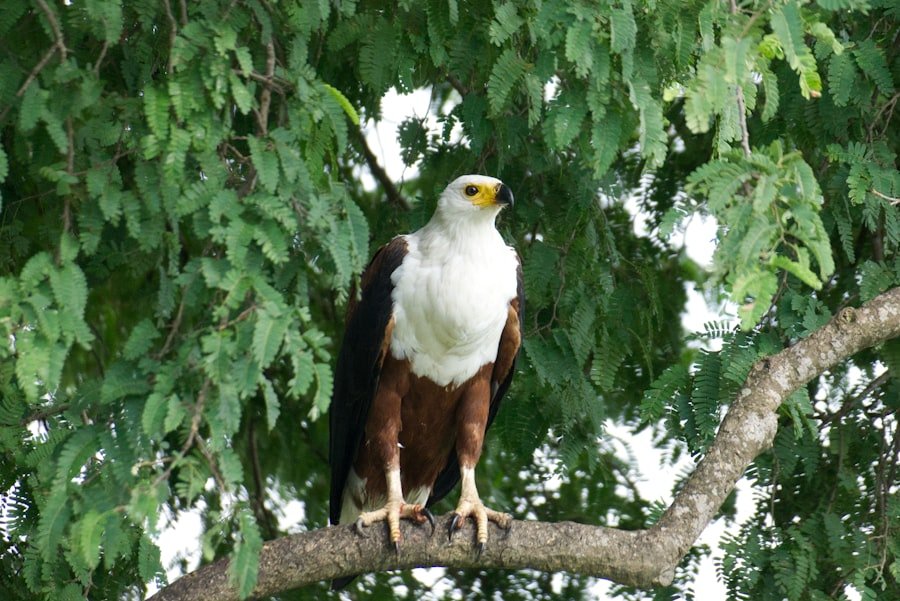
Public education is a cornerstone of successful eagle conservation efforts at Lake Guntersville State Park. Engaging visitors through educational programs fosters a deeper understanding of eagles’ ecological roles and the challenges they face. The park offers various opportunities for visitors to learn about these magnificent birds through guided tours led by knowledgeable naturalists who share insights into eagle behavior, nesting habits, and conservation efforts.
Additionally, interpretive signage placed strategically throughout the park serves as an educational tool for self-guided exploration. These signs provide information about eagle biology, their significance in the ecosystem, and ways individuals can contribute to their protection. By raising awareness about eagles’ plight and encouraging responsible wildlife viewing practices, Lake Guntersville State Park aims to cultivate a community of informed advocates dedicated to preserving these iconic birds for future generations.
Partnerships and Collaborations for Eagle Protection at Lake Guntersville State Park
Collaboration among various stakeholders is essential for effective eagle protection at Lake Guntersville State Park. Partnerships between state agencies, non-profit organizations, local communities, and educational institutions enhance conservation efforts by pooling resources and expertise. For example, collaborations with organizations focused on wildlife rehabilitation can provide critical support for injured or orphaned eagles found within or near the park.
Moreover, partnerships with universities facilitate research initiatives that contribute to a better understanding of eagle populations and their habitats. Students and faculty often engage in field studies that not only advance scientific knowledge but also foster a sense of stewardship among future generations of conservationists. By working together across sectors, these partnerships amplify the impact of conservation efforts and create a more sustainable future for eagles at Lake Guntersville State Park.
Future Plans for Eagle Conservation at Lake Guntersville State Park
Looking ahead, future plans for eagle conservation at Lake Guntersville State Park focus on enhancing existing initiatives while exploring new strategies to address emerging challenges. Continued habitat restoration efforts will remain a priority as conservationists work to create optimal conditions for nesting and hunting. This may involve expanding reforestation projects or implementing innovative land management practices that promote biodiversity.
Additionally, ongoing research will be crucial in adapting conservation strategies to changing environmental conditions. As climate change continues to impact ecosystems worldwide, monitoring how these changes affect eagle populations will inform proactive measures aimed at safeguarding their future. Engaging local communities through educational programs will also be essential in fostering a culture of conservation that prioritizes the protection of eagles and their habitats.
By combining habitat restoration, research initiatives, public education, and collaborative partnerships, Lake Guntersville State Park aims to ensure that eagles continue to soar majestically over its landscapes for generations to come. The commitment to preserving these iconic birds reflects a broader dedication to maintaining ecological integrity within this cherished natural sanctuary.
Lake Guntersville State Park is renowned for its breathtaking natural beauty and the majestic eagles that call it home. Visitors flock to the park to witness these magnificent birds in their natural habitat, soaring gracefully over the serene waters. While exploring the park, one might also be interested in learning about other fascinating topics, such as the delightful world of Asian melon. This unique fruit offers a refreshing taste and a glimpse into diverse culinary traditions. For more information, you can read an article about it here.
FAQs
What is Lake Guntersville State Park known for?
Lake Guntersville State Park is known for its stunning natural beauty, diverse wildlife, and outdoor recreational activities. It is also famous for being a prime location for birdwatching, particularly for its population of bald eagles.
Why are bald eagles significant at Lake Guntersville State Park?
Bald eagles are significant at Lake Guntersville State Park because the park is home to one of the largest concentrations of wintering bald eagles in the United States. The park provides a habitat that is conducive to the eagles’ needs, making it an important location for their conservation.
What is the best time to see bald eagles at Lake Guntersville State Park?
The best time to see bald eagles at Lake Guntersville State Park is during the winter months, particularly from November to February. During this time, the eagles migrate to the park in search of food and favorable nesting conditions, making it an ideal time for birdwatching enthusiasts.
What activities can visitors do to see bald eagles at Lake Guntersville State Park?
Visitors to Lake Guntersville State Park can engage in a variety of activities to see bald eagles, including birdwatching, hiking along designated trails, participating in guided eagle-watching tours, and taking boat tours on the lake. The park also hosts educational programs and events focused on bald eagle conservation.
Are there any guidelines for observing bald eagles at Lake Guntersville State Park?
Yes, visitors are encouraged to observe bald eagles from a distance and to avoid disturbing their natural habitat. It is important to adhere to park regulations and guidelines for wildlife viewing, including staying within designated viewing areas and using binoculars or spotting scopes for a closer look.