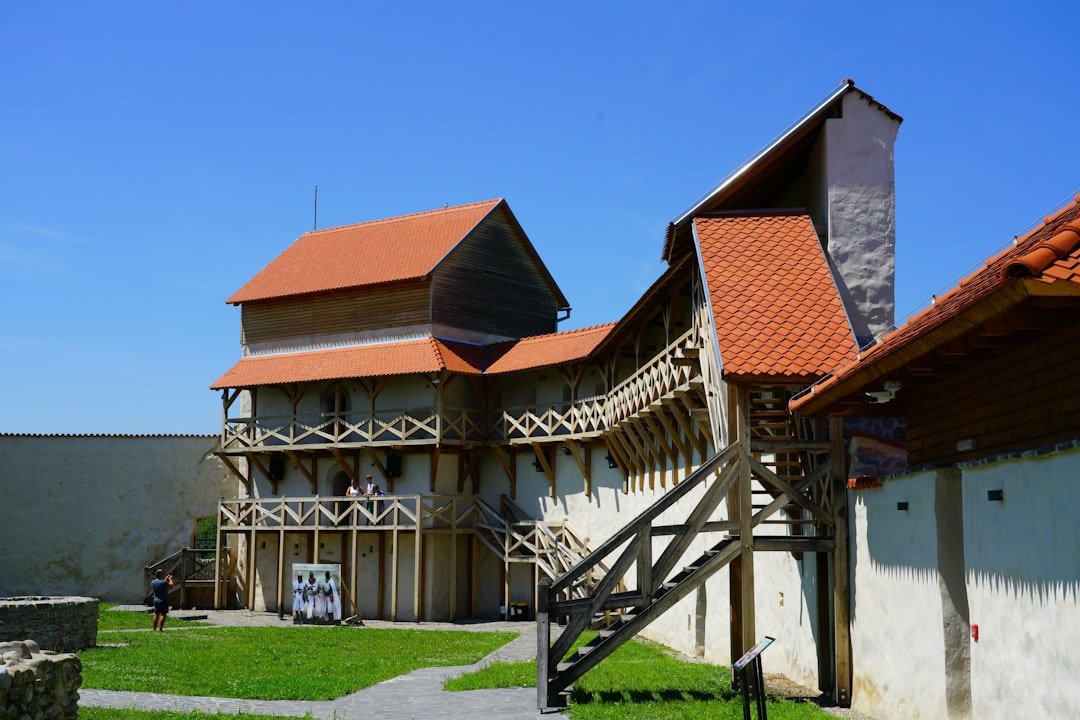
Ballenberg Swiss Open-Air Museum near Brienz is one of the best places to see how people lived and worked across rural Switzerland. Spread across 66 hectares, or about 163 acres, the museum brings together more than 100 historic houses and farm buildings, traditional crafts, cultivated landscapes, exhibitions, and more than 200 farm animals.
Quick Answer
Ballenberg is Switzerland’s national open-air museum near Brienz in the Bernese Oberland. Visitors can explore more than 100 historic buildings, watch traditional crafts, meet farm animals, and walk through regional landscapes. In 2026, the museum is open daily from April 9 to November 1, from 10 a.m. to 5 p.m.
Key Takeaways
- Ballenberg covers 66 hectares, about 163 acres, and contains more than 100 historic rural buildings from across Switzerland.
- The museum opened in 1978 after the Swiss Open-Air Museum Foundation Ballenberg at Brienz was established in 1968.
- For the 2026 season, Ballenberg is open April 9 through November 1, daily from 10 a.m. to 5 p.m.
- Regular 2026 admission is CHF 32 for adults and CHF 16 for children from the 6th to the 16th birthday, with discounts for several other visitor categories.
- Public-transport visitors normally travel by train to Brienz or Brünig Pass and continue by bus to Ballenberg West or East.
- Craft demonstrations and interactive activities vary by day, so checking the museum’s current daily schedule is worthwhile.
Ballenberg covers 66 hectares and preserves more than 100 historic buildings, allowing visitors to experience Switzerland’s regional architecture, rural work, crafts, farming traditions, and cultural landscapes in one place.
History and significance of Swiss heritage
Switzerland’s heritage reflects strong regional differences in architecture, language, agriculture, food, and everyday life. The country has four national languages: German, French, Italian, and Romansh. Its political identity also developed gradually. The alliance formed by Uri, Schwyz, and Unterwalden in 1291 is traditionally regarded as the origin of the Swiss Confederation, while Switzerland became a modern federal state in 1848.
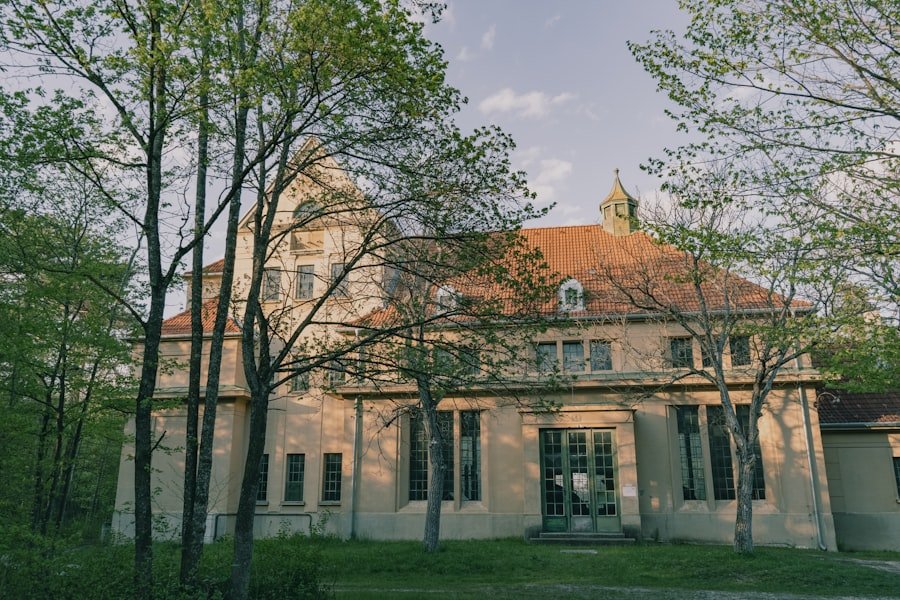
Ballenberg focuses especially on rural and commercial life. Historic buildings that could no longer be preserved at their original sites were carefully dismantled, transported to Ballenberg, and reconstructed on the museum grounds. Farmhouses, workers’ homes, alpine buildings, barns, storehouses, wash houses, workshops, and other structures show how building materials and construction methods differed from one Swiss region to another.
The Swiss Open-Air Museum Foundation Ballenberg at Brienz was established in 1968. The museum itself opened in 1978 with 16 buildings and the first craft demonstrations. It has since grown to more than 100 historic buildings.
The broader history of Switzerland helps explain why this regional diversity matters. The country’s landscapes and communities developed different ways of farming, building, producing goods, and organizing daily life. Ballenberg preserves tangible examples of those differences rather than presenting Swiss rural history as one uniform tradition.
2026 opening hours and Ballenberg ticket prices
For the 2026 museum season, Ballenberg is open from April 9 through November 1, 2026. The museum buildings are open daily from 10 a.m. to 5 p.m., while the ticket offices open from 9 a.m.
| 2026 season | April 9-November 1, 2026 |
| Museum hours | 10 a.m.-5 p.m. daily |
| Adult admission | CHF 32 |
| Children | CHF 16 from the 6th to the 16th birthday |
| Family ticket | CHF 72 for qualifying parents or grandparents with their children or grandchildren |
| Students / apprentices / AHV / IV | CHF 29 |
The museum currently offers a 10% saving on tickets purchased through its online shop. Swiss Museum Pass holders and qualifying Swiss Travel Pass holders can also receive free museum admission, while several other passes and guest cards provide discounts. Check the official Ballenberg ticket page before visiting because prices and partner offers can change.
Pro Tip: Ballenberg is much larger than a conventional indoor museum. Plan four to six hours for a meaningful visit, and allow a full day if you want to explore several regional areas, watch craft demonstrations, eat on site, and spend time with the animals.
How to get to Ballenberg Museum
Ballenberg is near Brienz in the Bernese Oberland and has two main entrances: Ballenberg West in Hofstetten and Ballenberg East in Brienzwiler.
By train and bus
Visitors coming from Interlaken or Lucerne can use the Zentralbahn railway to reach Brienz or the Brünig Pass. A public bus runs between Brienz and Brünig railway stations and serves the Ballenberg West and East entrances.
If you are starting in Interlaken, do not rely on a direct local bus from Interlaken Ost to Ballenberg. The official route normally involves taking the train toward Brienz and then connecting with the local bus. Check current connections through the links on Ballenberg’s official access page.
During the summer season, another scenic option is to take a boat across Lake Brienz from Interlaken Ost to Brienz and then continue toward the museum.
By car
Drivers can follow signs for Ballenberg West at Hofstetten or Ballenberg East at Brienzwiler. Parking is available at both entrances. Current parking charges are one hour free, CHF 1 for each additional hour, and a CHF 5 daily rate.
The West entrance also has electric-vehicle charging stations. If you are using GPS, the official addresses are Museumsstrasse 100, 3858 Hofstetten for Ballenberg West and Museumsstrasse 431, 3856 Brienzwiler for Ballenberg East.
What to see and do at Ballenberg Museum
| Activity | What to Expect |
|---|---|
| Explore Historic Swiss Architecture | Visit more than 100 historic rural houses and farm buildings representing different parts of Switzerland. |
| Watch Traditional Crafts | See craftspeople working with traditional techniques. More than 30 crafts are actively practiced at the museum, although the daily program varies. |
| Meet Farm Animals | See more than 200 farm animals, including cattle, goats, sheep, pigs, chickens, rabbits, and other domestic breeds. |
| Walk Through Cultural Landscapes | Explore gardens, fields, pastures, meadows, wooded areas, and themed trails arranged around historic buildings. |
| Try Regional Food | Stop at museum restaurants and seasonal food venues for dishes inspired by different Swiss regions. |
The buildings are the core of the museum. Rather than displaying architecture from only one canton, Ballenberg groups buildings and landscapes associated with different parts of Switzerland. Visitors can compare construction materials, roof forms, farm layouts, interior rooms, storage methods, and other details shaped by regional climate, available materials, and local ways of life.
Inside many buildings, kitchens, parlours, sleeping areas, workshops, and household objects help explain how people lived and worked. Farmhouses range from substantial multi-purpose buildings to simpler homes and agricultural structures.
Architecture is only part of the experience. Gardens, fields, animals, exhibitions, and working craft spaces help place the buildings in context. Instead of seeing an empty historic house, visitors can better understand how farming, food production, household work, and skilled trades interacted.
The Ballenberg Train
The museum grounds stretch from east to west, so visitors who want to reduce their walking can use the Ballenberg Train. It connects different parts of the site, stops at three stations, and is included with the day admission ticket. This can be especially helpful for families, older visitors, and people with limited mobility.
2026 annual theme: wildly diverse
For 2026, Ballenberg’s annual theme is “wildly diverse”, focusing on animal diversity, habitats, and the relationship between biodiversity and the traditional cultural landscape. A discovery trail includes 13 stations exploring subjects such as deadwood, earthworms, lizards, bats, birds, and other forms of life found around the museum.
Traditional Swiss crafts and activities
Traditional crafts are one of Ballenberg’s most distinctive features. More than 30 crafts are actively practiced in the museum’s workshops, giving visitors a chance to see how everyday objects, tools, textiles, food, and building materials were once produced.
Depending on the day’s program, demonstrations may include activities such as forging, weaving, carving, straw work, food preparation, or other historic techniques. Cheese-related activities and traditional cooking also form part of selected programs and group experiences.
Some activities are designed for visitors to try themselves, while more structured workshops and guided experiences may require separate booking. Ballenberg also operates a dedicated course program for people who want deeper instruction in traditional skills.
Note: Not every craft operates every day. Check Ballenberg’s current daily schedule when you arrive, or online before your visit, if there is a particular demonstration you do not want to miss.
Farm animals and family activities
More than 200 farm animals live on the museum grounds during the season. Cattle, goats, sheep, pigs, chickens, rabbits, and other animals help show the role livestock played in rural life.
Families can also visit the petting enclosure, use playground areas, explore hands-on activity stations, and try games inspired by earlier generations. These elements make Ballenberg easier to enjoy with children even if they are not yet interested in architecture or social history.
The historic carousel near the petting enclosure is another family attraction, although carousel rides are not included with standard admission.
Dining options and local cuisine
Ballenberg has several places to eat, ranging from full restaurants to seasonal snack options. The food reflects different Swiss regions rather than relying on a single generic menu.
The Alter Bären Restaurant serves hearty food and specialties associated with the canton of Bern. The Degen Restaurant, near the large adventure playground and petting enclosure, features cuisine from central Switzerland and highlights dishes such as Luzerner Chügelipastetli, a puff-pastry specialty served with a creamy filling.
On suitable days, Osteria Novazzano brings Ticino flavors to the museum with dishes such as polenta, risotto, and luganighe sausages. The circus trailer snack bar provides lighter food and drinks, although its opening can depend on weather and visitor numbers.
The museum also welcomes visitors who bring their own food. Picnic tables, benches, and designated barbecue areas are available around the grounds. Fireplaces may be temporarily closed when fire restrictions are in force, so check current notices before planning to cook outdoors.
You can review current venues and schedules on Ballenberg’s official food and drink page.
Events and festivals at Ballenberg Museum
Ballenberg hosts seasonal events that bring crafts, regional traditions, food, music, agriculture, and historic customs into the museum program. Because the event calendar changes each year, visitors should verify dates rather than assuming that a particular festival or performance occurs on every visit.
For example, Ballenberg marked Swiss National Day on August 1, 2026 with a special Wilerhorn brunch accompanied by alphorn music. The official listing did not advertise a museum fireworks display, so visitors should check the current program for the exact National Day activities offered in future years.
As of August 17, 2026, upcoming events on the museum’s calendar include:
- Autumn Market and Cantonal Festival, northwestern Switzerland: September 12-13, 2026
- European Heritage Days: September 13, 2026
- Castagnata: October 3-4, 2026
- From Flax to Linen: October 10-11, 2026
- End of the season: November 1, 2026
Check the official Ballenberg events calendar for the latest program before arranging a visit around a specific event.
Accessibility at Ballenberg
Ballenberg can accommodate visitors with reduced mobility, but the historic outdoor site is only partly wheelchair-accessible. Many paths are unpaved, the terrain varies, and some historic buildings have steps, narrow entrances, or other architectural barriers.
The western part of the museum at Hofstetten generally has fewer slopes and more wheelchair-accessible buildings. Visitors can ask for the Ballenberg à la Carte map at the West entrance, which identifies a route designed for people with reduced mobility.
The museum also provides four wheelchair-accessible toilets. All-terrain electric wheelchairs can be reserved at the West entrance for a current daily rental fee of CHF 25, and the Ballenberg Train is designed to make movement across the extensive grounds easier.
Because individual needs differ, review the museum’s official accessibility information before traveling.
Tips for visiting Ballenberg Museum
- Allow enough time: Four to six hours is a sensible minimum for a broad visit, while a full day gives you more time for demonstrations, animals, meals, and regional sections.
- Check the daily schedule: Craft demonstrations, hands-on stations, exhibitions, and special activities do not all operate at the same time every day.
- Wear comfortable shoes: The 66-hectare grounds include long walking distances, slopes, and unpaved surfaces.
- Choose your entrance strategically: West may be preferable for visitors with reduced mobility, while your transport route may make East more convenient.
- Use the museum map: The grounds are divided into regional areas, and a map makes it much easier to prioritize what you want to see.
- Use the Ballenberg Train: It is included with admission and can reduce the amount of walking required.
- Bring weather protection: Much of a Ballenberg visit takes place outdoors, so sun protection or rain gear can be useful depending on the forecast.
- Consider a picnic: Visitors may bring their own food, and picnic spots are spread around the grounds.
- Bring a short lead if visiting with a dog: Dogs are permitted on the museum grounds free of charge when kept on a short lead.
- Use the lockers if needed: Lockers are available at both entrance ticket desks, and larger luggage can be stored in a secure room.
Photography is another good reason not to rush. Historic wooden buildings, gardens, farm animals, mountain scenery, workshops, and everyday details provide plenty of subjects throughout the site.
If Ballenberg’s food traditions make you curious about traditional dairy foods, you can also read this guide to making homemade cottage cheese.
Frequently Asked Questions
What is Ballenberg Museum?
Ballenberg is Switzerland’s open-air museum near Brienz in the Bernese Oberland. The 66-hectare site contains more than 100 historic rural houses and farm buildings from different parts of Switzerland, along with crafts, exhibitions, cultural landscapes, gardens, and farm animals.
What can visitors see at Ballenberg Museum?
Visitors can explore historic farmhouses, barns, workshops, storehouses, alpine buildings, gardens, fields, and exhibitions. More than 30 traditional crafts are actively practiced at the museum, and more than 200 farm animals live on the grounds during the season.
What are the 2026 opening hours for Ballenberg?
Ballenberg is open from April 9 through November 1, 2026. Museum buildings are open daily from 10 a.m. to 5 p.m., while the ticket offices open from 9 a.m.
How much are Ballenberg Museum tickets in 2026?
Regular 2026 admission is CHF 32 for adults and CHF 16 for children from the 6th to the 16th birthday. The qualifying family ticket is CHF 72, while students, apprentices, AHV, and IV visitors pay CHF 29. Ballenberg currently gives a 10% saving on tickets bought online.
How do you get to Ballenberg from Interlaken?
A convenient public-transport route is to take the Zentralbahn train from Interlaken toward Brienz and then connect with the public bus serving Ballenberg West and East. Current train and bus connections should be checked before departure.
How long should I spend at Ballenberg Museum?
Plan at least four to six hours if you want to see several regional areas and some demonstrations. A full day is better if you also want to visit the animals, stop for a meal, explore exhibitions, and take part in activities.
Are guided tours available at Ballenberg Museum?
Yes. Ballenberg offers general and themed guided tours, particularly for pre-booked groups. Topics include rural life, architecture, gardens, crafts, herbs, and behind-the-scenes museum work. Admission and tour charges may be separate.
Is there a restaurant or cafe at Ballenberg Museum?
Yes. Dining options include the Alter Bären and Degen restaurants, along with seasonal venues such as Osteria Novazzano and the circus trailer snack bar. Visitors may also bring their own food and use picnic areas around the grounds.
Is Ballenberg Museum wheelchair-accessible?
Ballenberg is partly accessible. The western section generally has fewer slopes and more accessible buildings. The museum offers an accessible route map, four wheelchair-accessible toilets, reservable all-terrain electric wheelchairs, and the Ballenberg Train, but some historic buildings and paths remain difficult to access.
Can I take a dog to Ballenberg?
Yes. Dogs are permitted on the museum grounds free of charge, but they must be kept on a short lead.
Sources
- Ballenberg Swiss Open-Air Museum: Museum — museum size, historic buildings, cultural landscape, crafts, and farm animals.
- Ballenberg: History of the Museum — foundation in 1968, opening in 1978, and museum development.
- Ballenberg: Opening Hours — official 2026 season dates and daily opening hours.
- Ballenberg: Tickets and Prices — current admission prices, online savings, passes, and discounts.
- Ballenberg: Access — train, bus, car, entrance, and parking information.
- Ballenberg: Visitor FAQs — accessibility, Ballenberg Train, dogs, lockers, parking, and visitor facilities.