Creux du Van gives you two very different photographic subjects in one place: a vast limestone amphitheater and protected Jura wildlife. Strong images usually come from planning your light, route, equipment, and safety before you arrive. Use a wide-angle or standard zoom for the landscape, a telephoto lens for animals, and leave extra time for photography if you are hiking from Noiraigue.
Quick Answer
For the strongest Creux du Van photos, arrive early or stay into late afternoon, use a wide-angle or standard zoom for the rock amphitheater and a telephoto for wildlife, keep a safe distance from animals and cliff edges, and follow reserve rules. Drones are prohibited in the federal wildlife district.
Key Takeaways
- Early morning and late afternoon often give softer light and can improve your chances of seeing ibex or chamois.
- Use a wide or standard zoom for the rock cirque and a telephoto lens for wildlife so you can photograph animals without approaching them.
- The official Noiraigue round trip is a demanding 14 km hike, so build photography time into your schedule.
- Creux du Van is protected. Drones are prohibited in the federal wildlife district, dogs must be leashed there, and wild camping is not allowed.
- Keep edits natural, especially when photographing wildlife and dramatic skies.
At a Glance
| Time Required | About 2 to 6+ hours depending on access and shooting plan. The official Noiraigue loop alone is listed at 4 h 32 min before photography stops. |
| Difficulty | Short walk from selected upper parking access in the main season; very challenging if you complete the full Noiraigue hiking circuit. |
| Tools Needed | Camera or phone, wide-angle or standard zoom, telephoto lens for wildlife, spare battery, weather protection, and optional tripod or monopod. |
| Cost | Varies with transport, parking, food, and equipment. Check current official access information for any route-specific costs before you travel. |
Choose the Best Time of Day
The time of day can strongly change the look of Creux du Van. Early morning and late afternoon usually give lower-angle light, softer contrast, and more texture on the rock face than the middle of a clear day. Switzerland Tourism also notes that visitors may be lucky enough to see ibex and chamois near the rock edge early in the morning or late in the afternoon.
Midday is still usable, especially under broken cloud or overcast skies. When the sun is harsh, expose carefully for bright limestone and sky, then use shaded foregrounds, trees, or the darker interior of the cirque to create contrast. If the sky is flat, switch your attention to details such as rock textures, plants, patterns, or wildlife rather than forcing a wide landscape.
Pro Tip: Arrive before your preferred light. A good composition often takes longer to find than the light itself, especially when you are hiking, waiting for wildlife, or working around other visitors.
Finding the Best Vantage Points
Your vantage point changes both the scale and the story of the photograph. Around the upper rim, wider views can show the horseshoe shape of the limestone amphitheater and the surrounding Jura landscape. Lower viewpoints, forest edges, and approaches can give you layers, foreground texture, and a stronger sense of depth.
Do not assume the highest or closest position is automatically the best. A few steps back can let you include a stone wall, trail, tree, or person for scale. When photographing wildlife, the best vantage point is one that gives you a clean line of sight without forcing the animal to move because of your presence.
For the classic hiking approach, Neuchâtel Tourism lists a 14 km Noiraigue round trip with 821 m of ascent and descent and an estimated walking time of 4 h 32 min. The route climbs via the 14 Contours Trail and is rated sporty and very challenging, so plan extra time if your goal is photography rather than simply completing the hike. See the official Creux du Van hiking route.
The official Noiraigue round trip is 14 km with 821 m of ascent and descent and about 4 h 32 min of walking time, before you add photography stops.
Using the Right Equipment
You do not need a huge camera bag to photograph Creux du Van well. A wide-angle lens is useful for the sweeping rock arena, while a standard zoom is often more flexible when you want both landscape and environmental wildlife images. A telephoto lens is the best choice for ibex, chamois, birds, or other animals because it lets you fill the frame without walking toward them.
A camera with reliable autofocus and a useful burst rate can help with moving wildlife, but technique matters more than brand. A sturdy tripod or monopod can help in low light or with a heavy telephoto lens. If you are hiking the full route, balance stability against weight. Spare batteries, a lens cloth, and simple rain protection are often more useful than carrying extra lenses you may never use.
Practical Camera Settings
- Landscape: Start around ISO 100 to 400 in good light and choose an aperture that gives enough depth of field for your composition. Use a tripod when shutter speeds become too slow to hand-hold safely.
- Wildlife: Prioritize a fast enough shutter speed to stop subject movement. Auto ISO can be useful when animals move between bright and shaded areas.
- Birds in flight: Use continuous autofocus and burst shooting, then review the sequence for the sharpest frame and strongest wing position.
- Backlit subjects: Watch highlights on pale rock and bright sky. Exposure compensation or manual exposure can help protect detail.
Remote shutter releases can reduce vibration for tripod-mounted landscapes, but they are not essential. A short self-timer can do the same job if your camera supports it.
Playing with Composition
| Composition Type | Definition | Creux du Van Example |
|---|---|---|
| Rule of Thirds | Place the main subject away from the exact center to create balance and visual tension. | Place the rim or a distant ibex on a third while leaving room for the cirque and sky. |
| Leading Lines | Use natural or built lines to guide the viewer toward the subject. | Use a trail, stone wall, cliff curve, or forest edge to lead the eye toward the amphitheater. |
| Symmetry | Center a balanced form when the subject itself has a strong geometric shape. | Use a centered wide view when the horseshoe shape of the rock arena is the main story. |
| Framing | Use nearby elements to create a visual border around the subject. | Frame the cliffs with trees, rock edges, or shaded foreground elements. |
Composition is where a technically correct photograph becomes more memorable. The rule of thirds works well when you want the animal and the landscape to share importance. Leading lines are especially useful at Creux du Van because the cliff curve, trails, walls, and layered ridges naturally pull the eye through the frame.
Foreground elements can add depth, but avoid using plants, rocks, or people so heavily that they block the main subject. For wildlife, leave visual space in the direction the animal is looking or moving. For the landscape, decide whether your main subject is the rock arena, the weather, the scale of the view, or a person experiencing the place, then simplify the frame around that idea.
Capturing the Wildlife
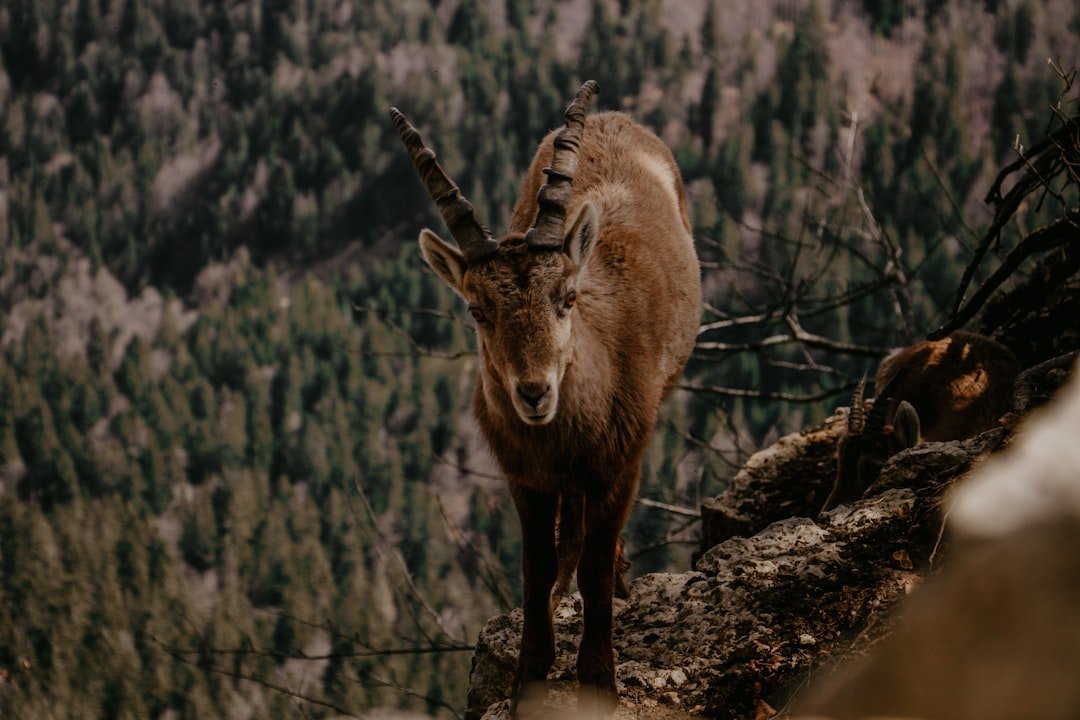
The strongest wildlife photographs show natural behavior rather than an animal reacting to the photographer. Creux du Van is part of a protected federal wildlife district, and the wider reserve supports mammals and birds. Switzerland Tourism specifically lists ibex, chamois, and lynx among the animals associated with the protected area, although no sighting is guaranteed.
Patience matters. Watch first, then photograph. If an animal stops feeding, repeatedly looks at you, changes direction, or moves away because of your position, give it more space. A telephoto lens is valuable because it lets you work from farther away while still showing detail in fur, horns, feathers, and behavior.
Continuous shooting can help with brief moments such as a bird taking flight or an ibex changing position, but do not hold the shutter down without purpose. Anticipate the moment, use short bursts, and keep watching the subject between sequences.
Note: A camera trap is different from ordinary hand-held photography. Since March 1, 2026, the Canton of Neuchâtel requires authorization for the use of camera traps in the natural environment.
Incorporating the Elements
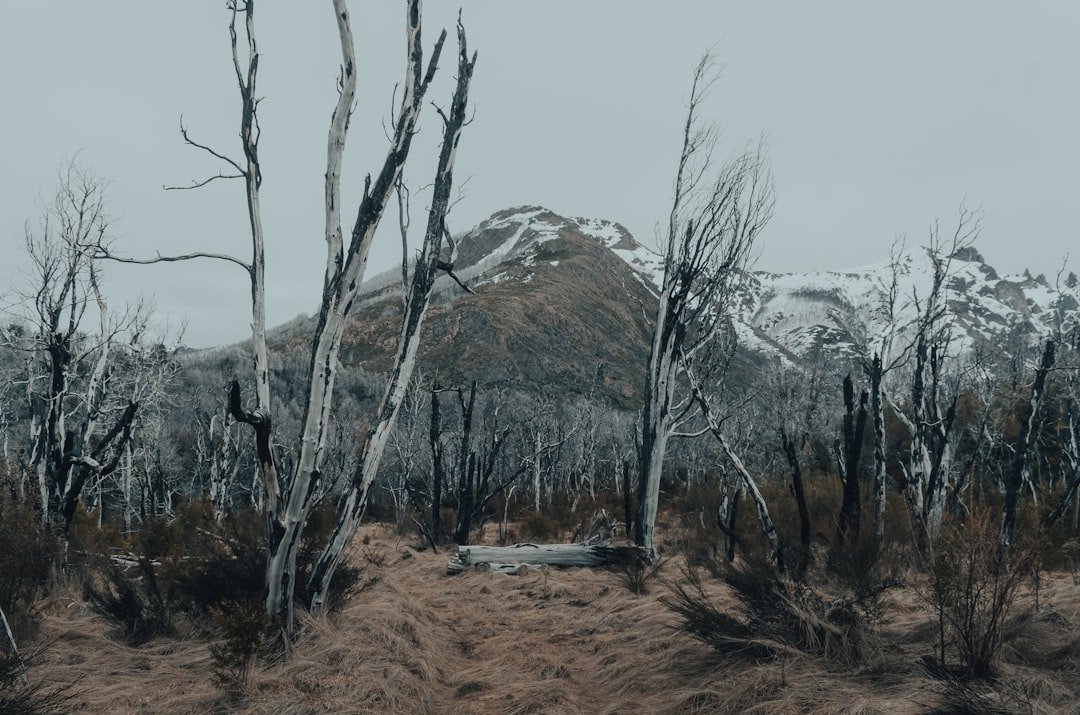
Nature is not just a background at Creux du Van. The rock walls, forest, meadow, weather, and distant ridges can explain where an animal lives and make the photograph feel specific to the Jura rather than interchangeable with any wildlife image.
Overcast weather can be excellent for detail because it reduces harsh contrast. Mist can simplify the scene. Fresh snow can create strong graphic shapes, but winter access and trail conditions require much more caution. Dramatic clouds can add mood, while clear skies are useful for broad views when visibility is high.
Use these elements intentionally. If the sky is the story, give it more space. If the rock face is the story, reduce empty sky. If wildlife is the story, include just enough habitat to show context without making the animal disappear in the frame.
Access, Safety, and Reserve Rules
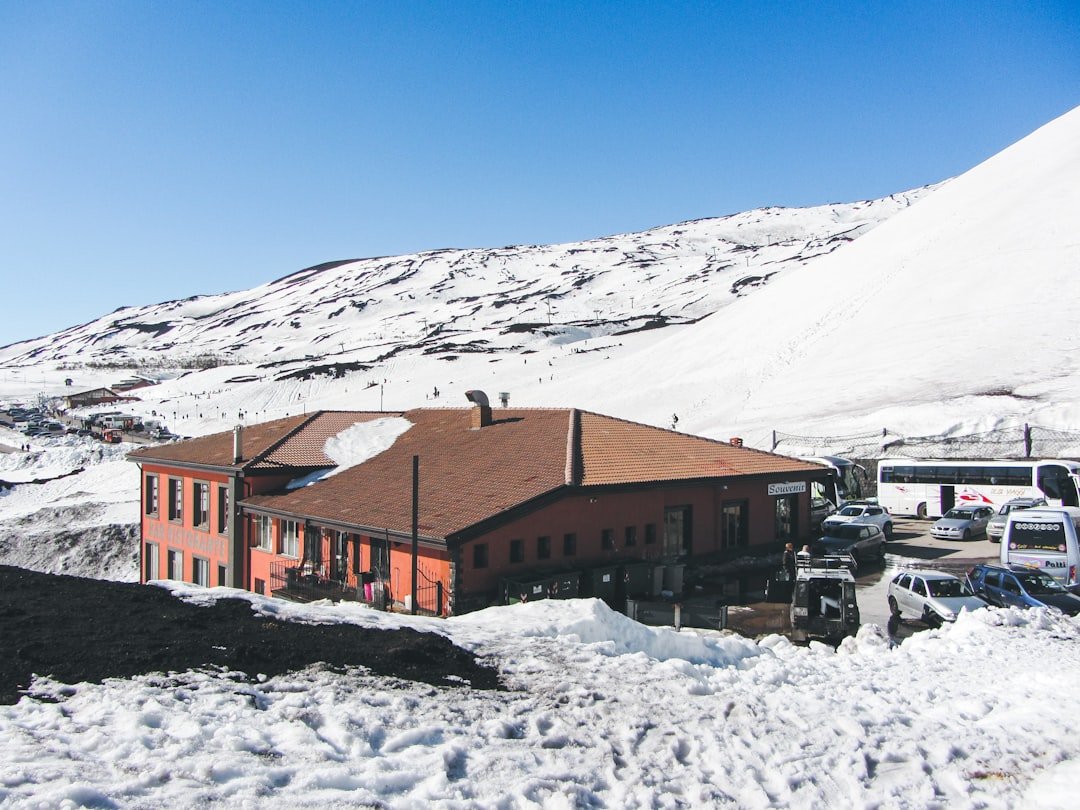
Access changes with the season. Neuchâtel Tourism lists several pedestrian routes from stations including Noiraigue, Travers, Champ-du-Moulin, Bevaix, and St-Aubin. From May to October, selected upper car parks can put you close to the rim, while winter road access is more limited and some roads are not cleared. The tourism office also warns that winter paths may be dangerous because they are not cleared of snow and can be very slippery. Check the official access and parking information before you go.
The cliff edge is exposed, so treat composition choices as secondary to footing and distance from the drop. Wear suitable footwear, expect wind and fast weather changes, and do not step backward while looking through the viewfinder unless you have already checked the ground behind you.
Warning: Creux du Van is a protected federal wildlife district. The Canton of Neuchâtel states that dogs must be kept on a leash, wild camping is prohibited, and drones may not operate in the district. Drone pilots should also check current Swiss geographical flight restrictions before every flight.
Neuchâtel Tourism also warns about suckler cows on the pastures around Creux du Van and Le Soliat and strongly advises visitors not to bring dogs because livestock can be aggressive toward walkers accompanied by a dog. If you are planning a photo outing with a dog, review the current route guidance before setting out.
Editing and Enhancing Your Photos
Post-processing can help you recover the mood and detail you saw in the field. Adobe Lightroom, Photoshop, and similar editors can adjust exposure, contrast, white balance, color, and sharpness. Start with global corrections, then make local changes only where they improve clarity.
Wildlife images often benefit from careful cropping, but over-cropping can expose noise and reduce detail. Landscape images may need highlight recovery in the sky or a modest shadow lift in the cirque. Avoid pushing saturation, clarity, dehaze, or sharpening so far that rock textures, fur, or clouds begin to look artificial.
If you remove distracting objects or use generative editing, be especially thoughtful when the image is presented as a documentary wildlife photograph. The goal should be to improve presentation without misleading viewers about what was actually present.
Sharing Your Captures
Sharing your photographs can connect you with other photographers and help people appreciate the landscape and wildlife of Creux du Van. Social platforms, photography communities, exhibitions, contests, and conservation-focused groups can all be useful outlets.
When you share wildlife images, avoid captions that encourage people to crowd, feed, approach, or chase animals. You can also avoid publishing an exact location for a sensitive wildlife encounter if doing so could increase disturbance. For landscape photographs, include useful context such as season, light, weather, or route rather than presenting every image as if it was effortless to reach.
Prints and photo books are another way to preserve the experience. A small sequence that mixes wide landscapes, environmental details, wildlife, and human scale usually tells a stronger story than a collection of near-identical viewpoints.
Frequently Asked Questions
What is Creux du Van?
Creux du Van is a large natural rock amphitheater in the Neuchâtel Jura of Switzerland. Switzerland Tourism describes the protected rock arena as about 1.4 km wide and about 200 m deep, with wildlife including ibex, chamois, and lynx.
How do I get to Creux du Van?
Noiraigue is a major hiking trailhead, and official tourism information lists pedestrian routes from several nearby railway stations. In the main season, selected car parks near Le Soliat and Grand’Vy can shorten the walk to the rim. Winter road and trail access is more limited, so check current official access information before departure.
What is the best time for photography at Creux du Van?
Early morning and late afternoon are often the most useful times because the lower sun can create softer, more directional light. Switzerland Tourism also notes that ibex and chamois may be seen near the rock edge during these periods. Weather can matter as much as clock time, so overcast, mist, or dramatic clouds can also produce strong images.
Which lens is best for Creux du Van?
A wide-angle or standard zoom is useful for the amphitheater and surrounding landscape. A telephoto lens is better for wildlife because it allows tighter framing from a respectful distance. If you want to travel light, choose the zoom range you expect to use most and avoid carrying equipment that makes the hike uncomfortable.
Are there photography restrictions at Creux du Van?
Ordinary hand-held photography is not presented by the official tourism pages as requiring a special permit, but the protected-area rules still apply. In the federal wildlife district, drones are prohibited, dogs must be leashed, and wild camping is not allowed. Follow posted rules and avoid disturbing wildlife.
Can I fly a drone at Creux du Van?
No in the federal wildlife district. The Canton of Neuchâtel states that drones may not operate there. Swiss drone pilots should also consult the Federal Office of Civil Aviation’s current drone map and geographical flight restrictions before every flight.
Do I need permission to use a camera trap?
Yes. Since March 1, 2026, the Canton of Neuchâtel has required authorization for camera traps used in the natural environment. This rule is separate from ordinary hand-held wildlife photography.
What safety tips should photographers follow at Creux du Van?
Wear sturdy footwear, expect exposed and windy conditions, keep a safe distance from the cliff edge, and check access before winter visits because some roads are not cleared and trails can become dangerous and slippery. Do not step backward while looking through a camera without checking your footing first.
Sources
- Neuchâtel Tourism: Creux du Van hiking route – route length, ascent/descent, walking time, difficulty, and dog safety note.
- Neuchâtel Tourism: Access and parking at Creux du Van – seasonal road access, parking, pedestrian access, and winter conditions.
- Canton of Neuchâtel: Terrestrial wildlife – federal wildlife district rules, drone prohibition, leash requirement, wild-camping rule, and the 2026 camera-trap authorization requirement.
- Canton of Neuchâtel: Protected areas – Creux du Van’s protected landscape, geological, and ecological importance.
- Switzerland Tourism: Creux du Van natural spectacle – dimensions, wildlife, photo timing, and visitor access context.
- Federal Office of Civil Aviation: Geographical flight restrictions – current Swiss drone-map and flight-restriction guidance.