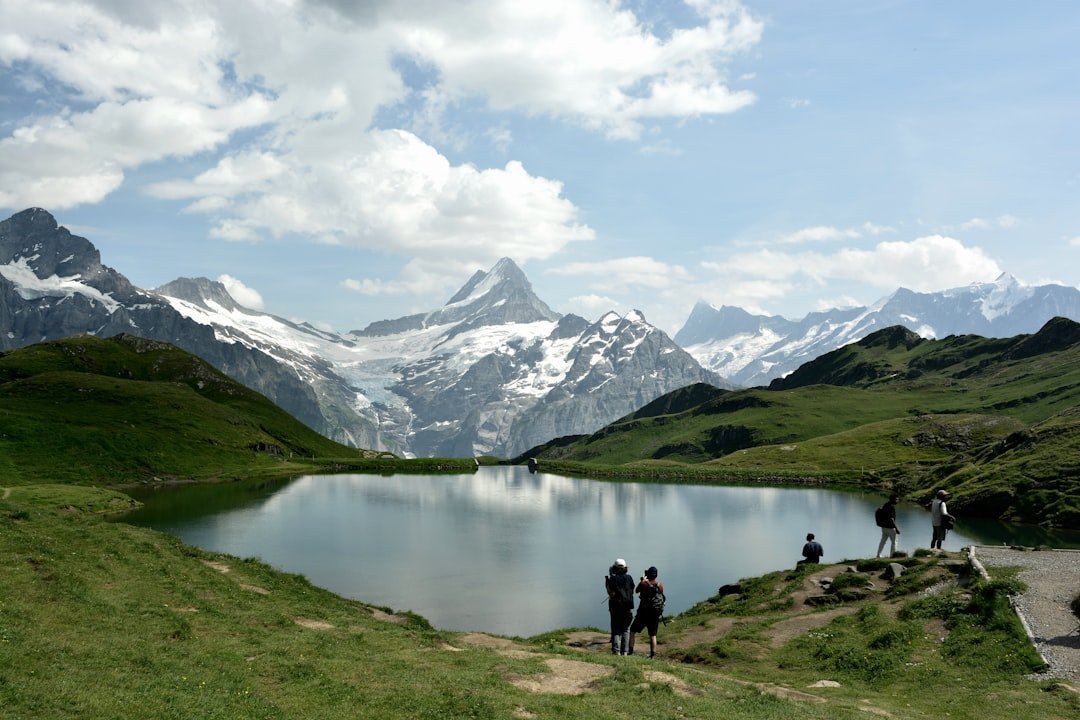
When it comes to photography, the viewpoint can make or break an image. In the picturesque region of Moleson, Switzerland, the landscape is a canvas of breathtaking vistas, rolling hills, and majestic mountains. To capture the essence of this stunning locale, one must first identify the perfect vantage point.
This often involves scouting various locations to find a spot that offers a unique perspective. For instance, the summit of Moleson provides an expansive view of the surrounding Alps, allowing photographers to frame their shots with both foreground and background elements that tell a story. The interplay between the rugged mountain peaks and the serene valleys below can create a compelling composition that draws viewers in.
Moreover, the time of day plays a crucial role in determining the ideal viewpoint. Early morning or late afternoon, often referred to as the golden hours, bathes the landscape in warm, soft light that enhances colors and textures. During these times, shadows become elongated, adding depth to the scene.
Photographers should consider locations that allow for unobstructed views of the horizon during these hours. For example, a viewpoint overlooking a lake at sunrise can yield reflections that mirror the sky’s vibrant hues, creating a harmonious balance in the photograph. By carefully selecting viewpoints based on both location and time, photographers can elevate their images from mere snapshots to captivating works of art.
Key Takeaways
- Finding the perfect viewpoint is essential for capturing the beauty of Moleson
- Understanding the lighting can make a huge difference in the quality of your photos
- Choosing the right equipment, such as a good camera and tripod, is crucial for professional-looking shots
- Composing the shot carefully can create a visually stunning image
- Capturing the details of Moleson can add depth and interest to your photos
Understanding the Lighting
Lighting is one of the most critical elements in photography, influencing mood, tone, and clarity. In Moleson, the natural light can vary dramatically throughout the day and across different weather conditions. Photographers must develop an acute awareness of how light interacts with their subjects.
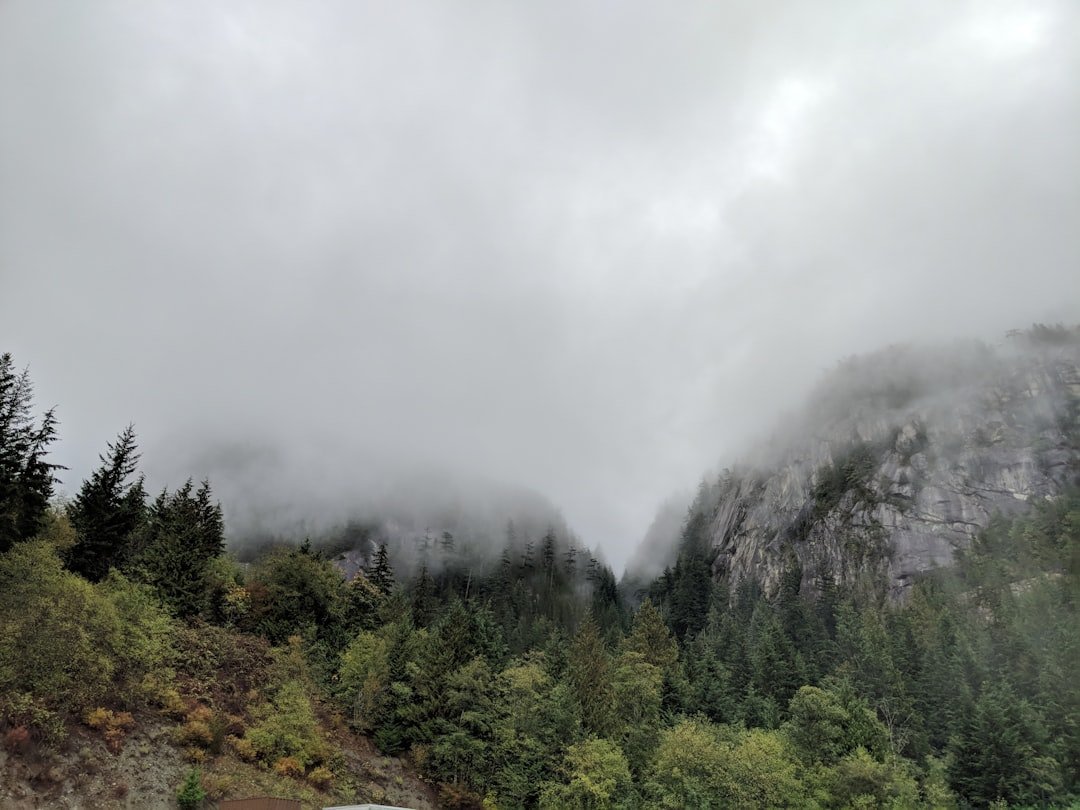
For instance, during overcast days, diffused light can soften harsh contrasts and bring out subtle details in the landscape. This type of lighting is particularly advantageous for capturing the lush greenery and intricate textures of alpine flora without the risk of blown-out highlights. Conversely, bright sunny days can create stark shadows and high contrast, which may not always be desirable.
In such conditions, photographers might opt for techniques like using a polarizing filter to reduce glare and enhance color saturation.
For example, shooting into the sun can produce dramatic silhouettes against a vibrant sky at sunset.
By mastering the nuances of lighting, photographers can transform ordinary scenes into extraordinary images that resonate with viewers on an emotional level.
Choosing the Right Equipment
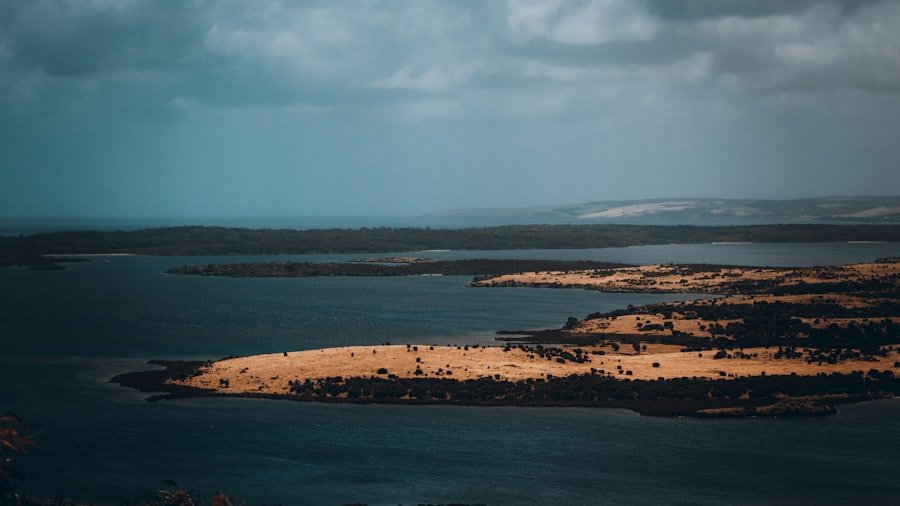
Selecting the appropriate equipment is essential for capturing high-quality images in Moleson’s diverse landscapes. While many photographers may rely on high-end DSLRs or mirrorless cameras, it’s important to remember that great photography is not solely dependent on expensive gear. A solid understanding of one’s equipment and its capabilities can often yield better results than simply investing in the latest technology.
For instance, a camera with a good dynamic range can effectively capture both highlights and shadows in a single shot, which is particularly useful in scenes with varying light conditions. Lenses also play a pivotal role in achieving desired effects. Wide-angle lenses are ideal for capturing expansive landscapes, allowing photographers to include more of the scene in their frame.
This is especially beneficial when photographing sweeping views from mountain tops or vast meadows filled with wildflowers. On the other hand, telephoto lenses can compress distances and isolate specific elements within a landscape, such as a distant peak or a cluster of trees. By thoughtfully selecting equipment based on the intended composition and subject matter, photographers can enhance their ability to convey the beauty of Moleson’s natural environment.
Composing the Shot
| Aspect | Metric |
|---|---|
| Rule of Thirds | Percentage of shots following the rule of thirds |
| Leading Lines | Number of shots using leading lines |
| Balance | Percentage of shots with balanced composition |
| Depth of Field | Ratio of shots with shallow depth of field |
Composition is an art form in itself and is fundamental to creating visually appealing photographs. In Moleson, where nature provides an abundance of stunning elements, photographers must learn to arrange these components thoughtfully within their frames. The rule of thirds is a classic guideline that encourages photographers to divide their image into nine equal parts using two horizontal and two vertical lines.
Placing key elements along these lines or at their intersections can create balance and draw the viewer’s eye into the photograph. However, while rules are helpful, they should not be seen as rigid constraints. Experimentation with composition can lead to unique and striking images.
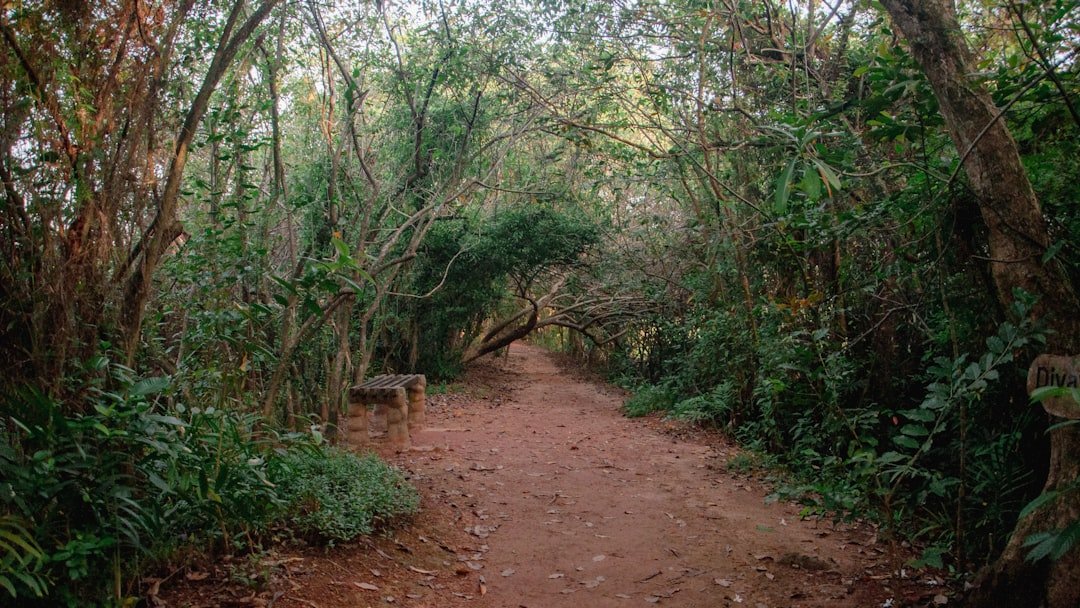
For example, incorporating leading lines—such as winding paths or rivers—can guide viewers through the photograph and create a sense of depth. Additionally, framing techniques using natural elements like branches or rock formations can add layers to an image and create a more immersive experience for viewers. By being intentional about composition and willing to break conventional rules when necessary, photographers can produce captivating images that reflect their personal vision.
Capturing the Details
While sweeping landscapes are often celebrated in photography, it’s equally important to pay attention to the intricate details that make Moleson unique. Close-up shots of flora and fauna can reveal textures and colors that might otherwise go unnoticed in broader compositions. For instance, capturing dew drops on alpine flowers or the intricate patterns on leaves can evoke a sense of intimacy with nature.
Macro photography techniques can be employed here, allowing photographers to focus on small subjects while blurring out distracting backgrounds.
These details add context to photographs and invite viewers to explore further.
Using a shallow depth of field can help isolate these subjects from their surroundings, emphasizing their significance within the larger landscape. By honing in on details, photographers can create a rich tapestry of images that celebrate both the grand vistas and the subtle nuances of Moleson.
Utilizing Different Angles
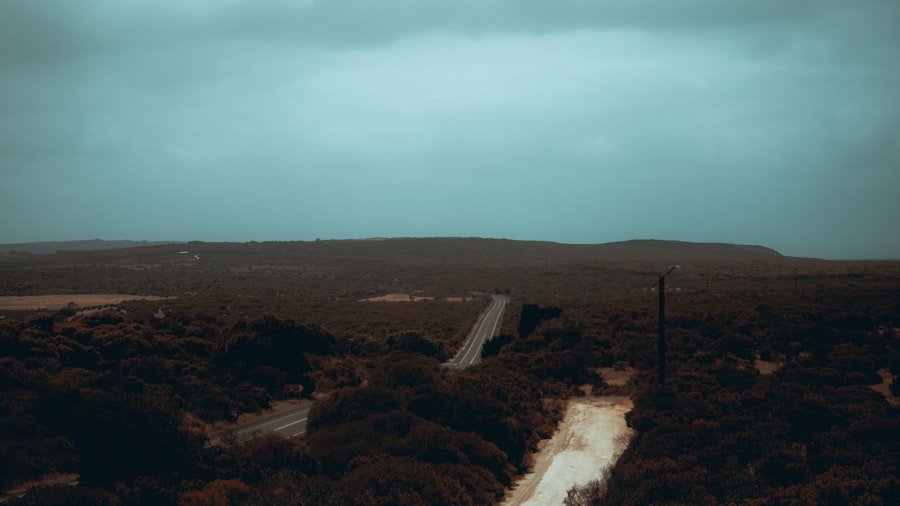
The angle from which a photograph is taken can dramatically alter its impact. In Moleson’s diverse terrain, experimenting with various angles can yield surprising results that enhance storytelling within an image. For instance, shooting from a low angle can give a sense of grandeur to towering mountains or create an imposing perspective when photographing trees against a dramatic sky.
Conversely, high angles can provide an overview of sprawling landscapes or intricate patterns formed by fields and roads. In addition to changing physical angles, photographers should also consider their emotional approach to angles. A straight-on shot may convey stability and strength, while an oblique angle might introduce tension or dynamism into an image.
This is particularly relevant when capturing action shots or moments of movement in nature, such as animals in motion or clouds racing across the sky. By thoughtfully exploring different angles—both physically and emotionally—photographers can add depth and intrigue to their work.
Editing and Enhancing the Photos
Post-processing is an integral part of modern photography that allows artists to refine their images further after capturing them in-camera. In Moleson’s varied landscapes, editing can enhance colors, adjust exposure levels, and bring out details that may not have been fully realized during shooting. Software like Adobe Lightroom or Photoshop provides tools for adjusting contrast, saturation, and sharpness while also allowing for more creative manipulations such as cropping or applying filters.
However, it’s essential for photographers to strike a balance during editing; over-processing can lead to unnatural results that detract from the original beauty of the scene. Subtle adjustments often yield more pleasing outcomes than heavy-handed edits. For example, enhancing the vibrancy of greens in a lush meadow while maintaining natural skin tones in portraits taken against that backdrop can create harmony within an image.
By developing a keen eye for editing nuances and understanding how they affect overall composition, photographers can elevate their work while preserving its authenticity.
Tips for Sharing and Showcasing the Beauty of Moleson
Once stunning photographs have been captured and edited, sharing them effectively becomes paramount for reaching an audience that appreciates Moleson’s beauty. Social media platforms like Instagram offer excellent avenues for showcasing visual work; however, understanding how to engage viewers is crucial. Using relevant hashtags related to Moleson or Swiss landscapes can help attract those interested in similar content while also connecting with local communities.
Additionally, creating themed collections or series around specific aspects of Moleson—such as seasonal changes or cultural events—can provide depth to one’s portfolio and encourage followers to return for more content. Engaging storytelling through captions can also enhance viewer connection; sharing personal experiences related to each photograph invites audiences into one’s journey through Moleson’s stunning landscapes. For those looking to take their sharing further, consider participating in local exhibitions or collaborating with tourism boards focused on promoting Moleson’s natural beauty.
This not only provides exposure but also fosters connections within the photography community and beyond. By thoughtfully sharing their work through various channels while maintaining authenticity and engagement with viewers, photographers can effectively showcase Moleson’s breathtaking landscapes to a wider audience eager to appreciate its splendor.
If you’re planning a visit to the Moleson viewpoint, you’ll want to capture the breathtaking scenery with some expert photography tips. Consider the time of day for optimal lighting, and use a tripod for stability to ensure your shots are crisp and clear. For more inspiration on capturing the beauty of nature, you might find it interesting to explore the delightful world of Asian melon, which offers a vibrant palette of colors and textures perfect for photography. Check out this related article for more insights: Exploring the Delightful World of Asian Melon.
FAQs
What is the Moleson viewpoint?
The Moleson viewpoint is a popular observation point located in the Swiss Alps, offering stunning panoramic views of the surrounding mountains and valleys.
Where is the Moleson viewpoint located?
The Moleson viewpoint is located near the town of Gruyères in the canton of Fribourg, Switzerland.
What are some photography tips for capturing the Moleson viewpoint?
– Use a wide-angle lens to capture the expansive views.
– Consider the lighting conditions and time of day for the best shots.
– Experiment with different angles and perspectives to capture the unique beauty of the landscape.
– Be mindful of the weather and dress accordingly, as it can change quickly in the mountains.
Are there any specific photography restrictions at the Moleson viewpoint?
There are no specific photography restrictions at the Moleson viewpoint, but visitors are encouraged to be respectful of the natural environment and other visitors while taking photos.