To effectively photograph bears in their natural habitat, one must first develop a keen understanding of their behavior. Bears are complex creatures with distinct social structures, feeding habits, and seasonal patterns. For instance, black bears are generally solitary animals, while grizzly bears may exhibit more social interactions, especially during mating season or when food sources are abundant.
Observing these behaviors can provide insight into the best times and locations for capturing compelling images. Understanding the nuances of bear behavior, such as their foraging patterns or territorial displays, can significantly enhance the quality of your photographs. Moreover, different species of bears exhibit unique behaviors that can influence your approach to wildlife photography.
By familiarizing yourself with the specific species you intend to photograph, you can anticipate their movements and interactions with the environment. This knowledge not only aids in capturing stunning images but also fosters a deeper appreciation for these magnificent animals and their ecosystems.
Key Takeaways
- Bears are wild animals and understanding their behavior is crucial for wildlife photography
- Choosing the right equipment, such as a telephoto lens and a sturdy tripod, is essential for capturing bears in their natural habitat
- Finding the best lighting, such as during the golden hours of sunrise and sunset, can greatly enhance bear photography
- Composition and framing are important for creating visually appealing and impactful bear photos
- Patience and perseverance are key traits for capturing unique and authentic bear moments in the wild
- Respecting the bears’ space is crucial for both their safety and the safety of the photographer
- Editing and post-processing can help enhance the quality of bear photos and bring out their natural beauty
- Sharing your work and spreading awareness about bear conservation is important for promoting the protection of these magnificent animals
Choosing the Right Equipment
Selecting the appropriate equipment is crucial for successful bear photography. A high-quality camera with a fast autofocus system is essential, as bears can move quickly and unpredictably. DSLRs or mirrorless cameras with a minimum of 20 megapixels are recommended for capturing detailed images.
Additionally, a telephoto lens, ideally ranging from 200mm to 600mm, allows photographers to maintain a safe distance while still achieving close-up shots of bears in action. This is particularly important for wildlife photography, where getting too close can disturb the animals and lead to dangerous situations. In addition to the camera and lens, other accessories can enhance your photography experience.
A sturdy tripod is invaluable for stabilizing your camera during long shoots, especially in low-light conditions or when using slower shutter speeds. A remote shutter release can also be beneficial, allowing you to take pictures without physically touching the camera, which minimizes vibrations. Furthermore, investing in weather-sealed gear is wise when photographing bears in their natural habitats, as conditions can be unpredictable and harsh.
Finding the Best Lighting
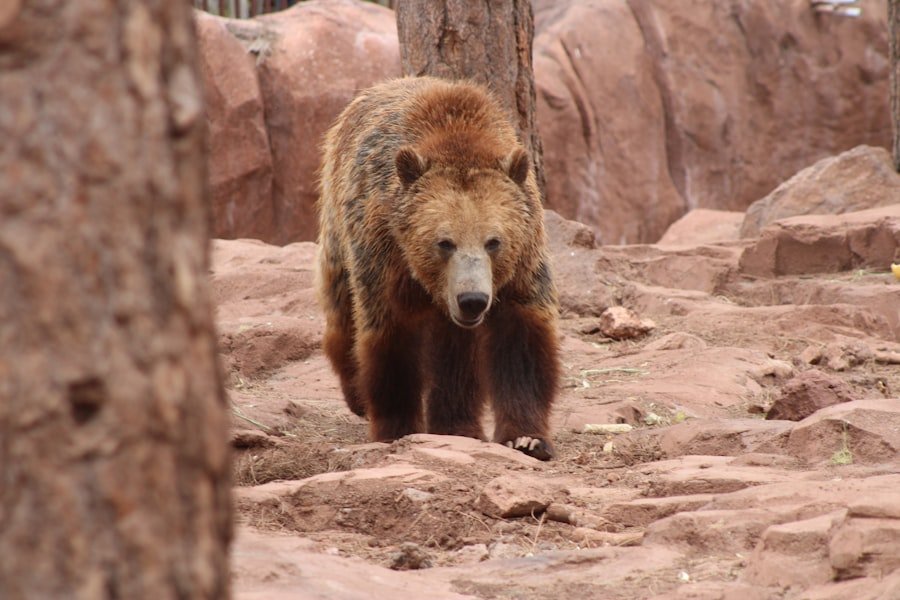
Lighting plays a pivotal role in wildlife photography, and understanding how to utilize natural light can elevate your bear images significantly. The golden hours—early morning and late afternoon—offer soft, diffused light that enhances colors and reduces harsh shadows. During these times, bears are often more active as they forage for food, making it an ideal opportunity for photographers to capture dynamic shots.
The warm tones of sunrise or sunset can add a magical quality to your images, creating a sense of atmosphere that resonates with viewers. However, bear photography is not limited to just the golden hours. Overcast days can provide excellent lighting conditions as well, as clouds act as a natural diffuser, softening the light and reducing contrast.
This type of lighting is particularly advantageous when photographing bears in dense forests or shaded areas where harsh sunlight might create unflattering highlights and deep shadows. Understanding how to adapt to varying lighting conditions will allow you to capture bears in diverse environments while maintaining image quality.
Composition and Framing
| Aspect | Metric | Value |
|---|---|---|
| Composition | Rule of Thirds | 80% |
| Composition | Leading Lines | 90% |
| Framing | Centered Composition | 70% |
| Framing | Fill the Frame | 85% |
Effective composition is essential in wildlife photography, as it helps convey the story behind the image and draws viewers into the scene. The rule of thirds is a fundamental guideline that can enhance your compositions; by placing the bear off-center within the frame, you create a more dynamic image that encourages the viewer’s eye to explore the surrounding environment. Additionally, incorporating elements such as trees, water, or mountains can provide context and depth to your photographs, making them more engaging.
Another important aspect of composition is the perspective from which you shoot. Experimenting with different angles can yield unique results; for instance, shooting from a low angle can emphasize the bear’s size and power, while a higher vantage point might showcase its habitat more effectively. Additionally, framing your subject with natural elements like branches or foliage can create a sense of intimacy and connection between the viewer and the bear.
By thoughtfully considering composition and framing techniques, you can create striking images that resonate with your audience.
Patience and Perseverance
Wildlife photography often requires immense patience and perseverance. Bears are unpredictable animals that may not always cooperate with your plans or expectations. Spending hours waiting quietly in a designated spot can be both challenging and rewarding; it is during these moments of stillness that you may witness remarkable behaviors or interactions that lead to stunning photographs.
Embracing this waiting game is essential for any wildlife photographer, as it allows you to become attuned to the rhythms of nature and increases your chances of capturing extraordinary moments. Moreover, perseverance is key when faced with obstacles such as inclement weather or difficult terrain. Conditions may not always be ideal for photography; however, adapting to these challenges can lead to unexpected opportunities.
For instance, a rainy day might create dramatic lighting effects or enhance the colors of the landscape. By maintaining a positive attitude and remaining committed to your craft, you can overcome setbacks and ultimately produce compelling images that reflect the beauty of bears in their natural environment.
Respecting the Bears’ Space
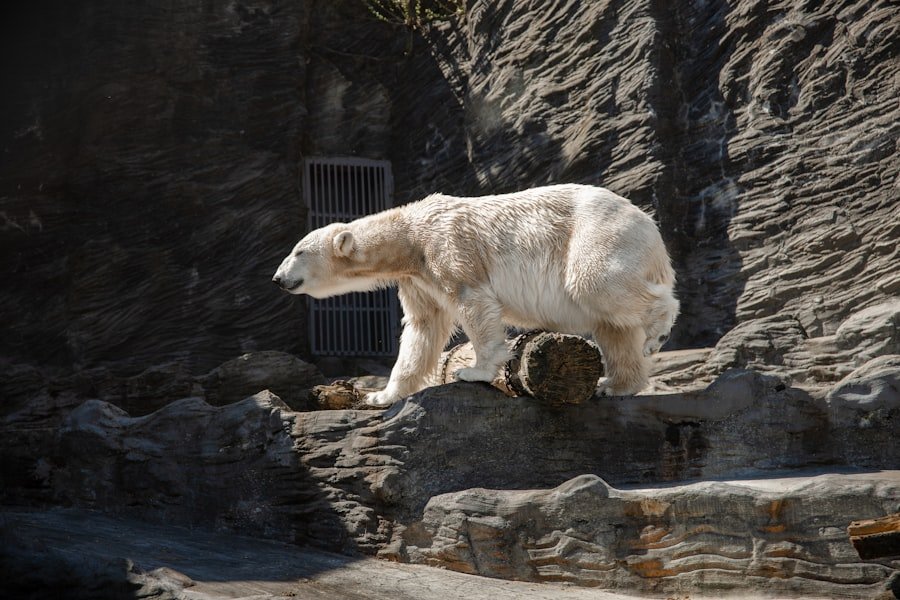
Respecting the space of bears is paramount for both their safety and yours. Approaching wildlife too closely can lead to stress for the animals and potentially dangerous encounters for photographers. It is crucial to maintain a safe distance while observing bears in their natural habitat; this not only ensures your safety but also allows bears to behave naturally without feeling threatened.
Familiarizing yourself with local regulations regarding wildlife photography can provide guidance on safe distances and best practices. In addition to physical distance, being mindful of noise levels and movements is essential when photographing bears. Sudden sounds or erratic movements can startle these animals and disrupt their activities.
Practicing quiet observation techniques—such as moving slowly and speaking softly—can help minimize disturbances while allowing you to capture authentic moments on camera. By prioritizing respect for bears’ space and well-being, photographers contribute to conservation efforts and promote responsible wildlife viewing practices.
Editing and Post-Processing
Once you have captured your bear photographs, the editing process becomes an integral part of bringing your vision to life. Utilizing software such as Adobe Lightroom or Photoshop allows photographers to enhance their images through adjustments in exposure, contrast, color balance, and sharpness. Cropping can also play a significant role in refining compositions; removing distractions from the frame can help focus attention on the bear itself while maintaining visual interest in the surrounding environment.
Post-processing also provides an opportunity to correct any technical issues that may have arisen during shooting. For instance, if an image was slightly underexposed due to challenging lighting conditions, adjustments can be made to recover details in shadows without compromising overall image quality. However, it is essential to strike a balance between enhancing an image and maintaining its authenticity; over-editing can lead to unnatural results that detract from the raw beauty of wildlife photography.
By honing editing skills and developing a personal style, photographers can create striking images that resonate with viewers while remaining true to their original vision.
Sharing Your Work and Spreading Awareness
Once your bear photographs are polished and ready for presentation, sharing them with a broader audience becomes an important step in promoting awareness about these magnificent creatures and their habitats. Social media platforms such as Instagram or Facebook provide excellent avenues for showcasing your work while connecting with fellow wildlife enthusiasts and photographers.
In addition to social media, consider submitting your work to wildlife magazines or participating in photography exhibitions focused on conservation themes. These platforms not only allow you to reach new audiences but also contribute to raising awareness about the challenges bears face in their natural environments due to habitat loss and climate change. By sharing your passion for bear photography and advocating for their protection through your work, you play a vital role in fostering appreciation for these incredible animals and inspiring others to take action toward conservation efforts.
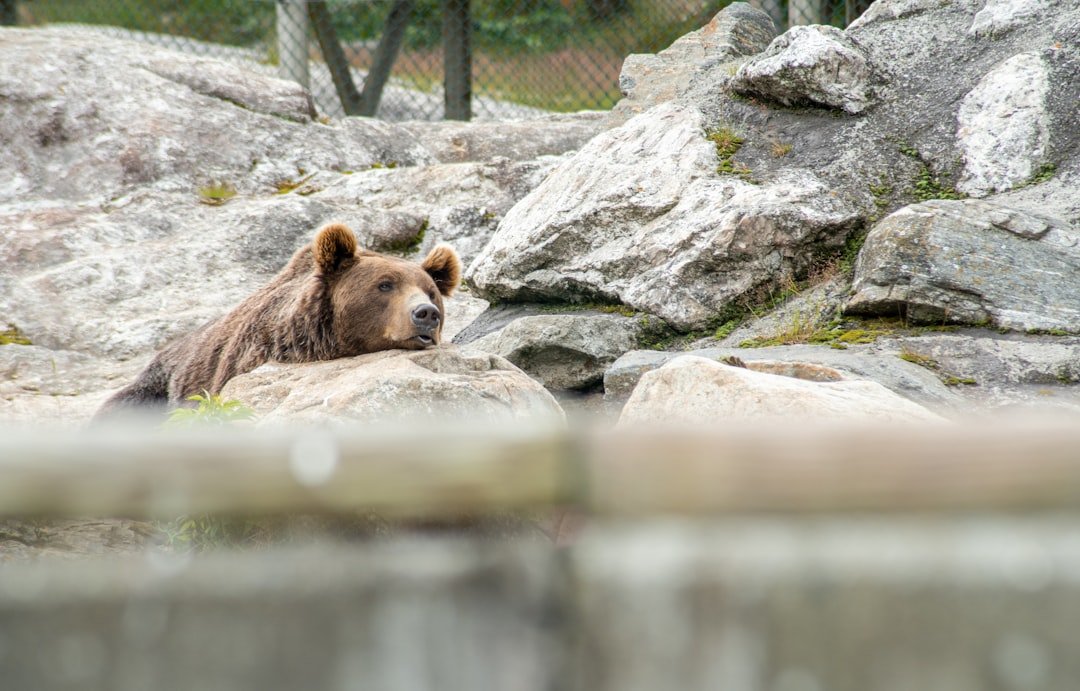
If you’re planning a visit to the Arosa Bear Sanctuary, not only will you be treated to the heartwarming sight of bears in their natural habitat, but you’ll also have the opportunity to capture stunning photographs of these majestic creatures. For those interested in enhancing their photography skills, consider reading up on some tips before your visit. Additionally, if you’re looking for a delightful culinary experience after a day of exploring, you might want to try making something fresh and healthy. Check out this related article on delicious homemade cottage cheese for a simple and nutritious recipe that you can enjoy.
FAQs
What is the Arosa Bear Sanctuary?
The Arosa Bear Sanctuary is a sanctuary located in Arosa, Switzerland, that provides a home for bears that have been rescued from poor living conditions. It aims to provide a natural and species-appropriate environment for the bears to live in.
What can visitors expect to see at the Arosa Bear Sanctuary?
Visitors can expect to see bears in a natural setting, with opportunities to observe their behavior and interactions. The sanctuary also provides information about the bears and their stories, as well as educational resources about bear conservation.
What are some photography tips for capturing the bears at the sanctuary?
When photographing the bears at the sanctuary, it’s important to respect their space and not disturb them. Using a telephoto lens can help capture close-up shots without getting too close to the animals. It’s also important to be patient and observe the bears’ behavior to capture authentic and natural moments.
Are there specific viewpoints recommended for photography at the Arosa Bear Sanctuary?
The sanctuary offers designated viewing platforms and areas where visitors can observe and photograph the bears from a safe distance. These viewpoints are strategically located to provide clear and unobstructed views of the bears in their natural habitat.
What are some safety guidelines for visitors at the Arosa Bear Sanctuary?
Visitors are advised to follow the safety guidelines provided by the sanctuary, which may include staying behind barriers or designated viewing areas, refraining from feeding or approaching the bears, and respecting the animals’ space and behavior. It’s important to remember that the bears are wild animals and should be observed with caution and respect.