Visiting an alp cheese dairy in Switzerland is one of the clearest ways to see how mountain pasture, seasonal farming, and cheesemaking come together. True Swiss Alp cheese is not the name of one company or one standardized cheese. It is a category tied to summer production on the alp itself, where milk from animals grazing mountain pastures is made into cheese close to where it is produced. A visit can range from a polished show dairy with an exhibition to a small seasonal alpine operation reached on foot.
Quick Answer
A Swiss alp cheese dairy visit is best planned for summer, when true Alp cheese is made on mountain pastures from milk produced there. Depending on the dairy, you may watch curdling and pressing, tour a cellar, taste cheese, and buy directly from producers. Reserve ahead because schedules, access, and demonstrations vary.
Key Takeaways
- In Switzerland, Alp cheese means cheese produced on the alpine farm during the summer grazing period; it is different from year-round mountain cheese made in valley or mountain dairies.
- Traditional Alp cheese is commonly made from raw milk, so the original idea that all milk is pasteurized before cheesemaking is inaccurate.
- Summer is the best season for seeing active alpine production, but exact dates, demonstration times, and booking rules depend on the dairy.
- Tours may include live cheesemaking, cellar visits, tastings, farm-life explanations, and direct purchases.
- Flavor varies by pasture, animal feed, recipe, salt, cultures, moisture, and age, so there is no single “Swiss Alp cheese” flavor.
At a Glance
| Time Required | About 45–60 minutes for many dairy visits; allow longer if a hike, cellar tour, meal, or workshop is included. |
| Difficulty | Easy at accessible show dairies; potentially moderate if the alp is reached by a mountain trail. |
| Tools Needed | No special tools. For remote dairies, bring sturdy shoes, water, and a weather layer. |
| Cost | Varies by dairy. Some self-guided experiences are free, while guided tours, tastings, workshops, and transport may cost extra. |
What “Alp Cheese” Means in Switzerland
The phrase is easy to misunderstand. Switzerland Tourism explains that cheese may be called Alp cheese when the milk production and cheesemaking take place on the alpine pasture during the summer grazing season. The animals may be cows, goats, or sheep, depending on the region and producer.
This is different from mountain cheese, which can be made in mountain regions outside the seasonal alpine pasture system and may be produced year-round. It is also different from a cheese name such as Gruyère AOP or Emmentaler AOP. Those names have their own production rules, and a wheel is not automatically “Alp cheese” simply because it is Swiss or made in a mountainous canton.
Note: “Swiss Alp Cheese Dairy” is best understood as a general description of an alpine cheese dairy in Switzerland, not as the verified name of one national producer.
The History of Swiss Alp Cheese
Swiss alpine cheesemaking grew from the practical need to preserve summer milk for later use. According to Switzerland Tourism, rennet-based hard cheese was being made north of the Alps by the 15th century. Hard cheese kept longer than fresh curd products, making it useful when herds spent the warmer months on high pastures.
For centuries, much of this hard-cheese production was tied to summer life on the alp. Switzerland Tourism notes that until the 18th century, hard cheese was made mainly during the summer alpine season. In the early 19th century, changing agricultural practices helped expand cheesemaking into the valleys and through the winter, which contributed to the distinction between seasonal Alp cheese and mountain cheese made outside the alp.
The wider Swiss cheese tradition later developed into many regional specialties, cooperatives, protected-origin products, and modern dairies. Today, visitors can encounter both highly traditional alpine huts and larger show dairies that explain the same core transformation: fresh milk becoming a cheese designed to mature, travel, and keep.
The defining idea is not simply “cheese made in the mountains.” True Alp cheese is tied to summer pasture and production on the alp itself.
The Cheesemaking Process in the Swiss Alps
Cheesemaking begins with fresh milk, but the treatment of that milk depends on the cheese. The original version of this article said that the milk is routinely pasteurized before cultures are added. That is not a safe generalization for Swiss alpine cheese. Traditional Alp cheese is commonly made from raw milk, and major protected Swiss cheeses such as Le Gruyère AOP and Emmentaler AOP are also made from raw milk under their respective specifications.
The exact recipe changes by cheese and dairy, but the basic process usually follows the same sequence. The milk is placed in a vat or kettle, cultures and rennet are used to form curd, and the curd is cut into small pieces. Cheesemakers then stir and heat the curd to control how much whey leaves it and how firm the final cheese becomes.
Once the curd reaches the desired texture, it is separated from the whey, transferred into molds, and pressed. Salt is added, often through brining or surface salting, and the wheel then begins its maturation period. During aging, temperature, humidity, washing, brushing, turning, and time all influence rind development, aroma, texture, and flavor.
Some alpine dairies still demonstrate production over a wood fire. Others use more modern equipment while keeping regional recipes and seasonal production methods. The key point is that there is no single universal process for every Swiss alpine cheese, so visitors should expect differences from one dairy and region to another.
Pro Tip: If your main goal is to watch active cheesemaking, check the dairy’s demonstration time before traveling. A shop or exhibition may be open even when the vat is not in use.
The Unique Flavors of Swiss Alp Cheese
| Flavor | Texture | Aroma | Color |
|---|---|---|---|
| Nutty | Firm | Rich | Yellow |
| Herbal | Smooth | Fragrant | Light yellow |
| Fruity | Creamy | Delicate | Off-white |
These descriptions are useful examples rather than a fixed profile. Swiss Alp cheeses can taste nutty, grassy, herbal, fruity, buttery, savory, or more intense as they age. The milk source, pasture plants, cultures, curd handling, salt, moisture, smoke exposure, and maturation all affect the result.
Emmentaler AOP is a helpful example of how technique shapes flavor and appearance. Its famous holes form during maturation when propionic fermentation produces carbon dioxide that becomes trapped in the cheese. Official Emmentaler guidance says the wheels mature for at least 120 days.
Le Gruyère AOP provides another reference point. It is made from raw cow’s milk and can be sold from five months of maturity under its specifications. As it matures, its flavor becomes more pronounced. However, neither Emmentaler AOP nor Gruyère AOP should be used as a synonym for Alp cheese; the alpine designation depends on where and when the cheese is produced.
Other Swiss cheeses, including Appenzeller and Tilsiter styles, add to the country’s broad range of flavors and textures. When tasting at an alp dairy, the most useful comparison is often between younger and older wheels from the same producer because that shows how maturation changes a cheese made from a similar milk source and recipe.
Sustainable Farming Practices in Swiss Alp Cheese Dairies
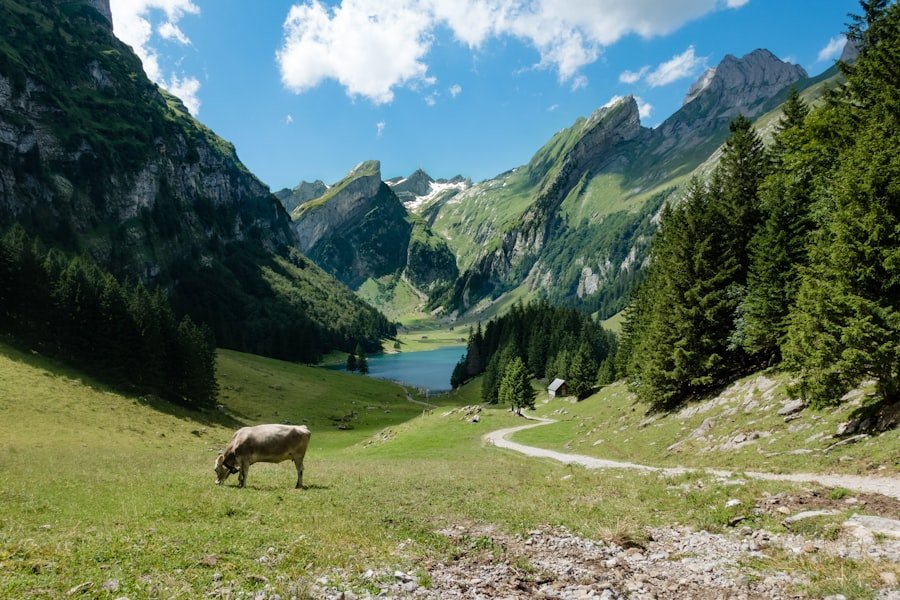
Seasonal alpine farming makes direct use of mountain pastures during the warmer months. Cows, goats, or sheep graze forage that grows on the alp, while cheesemaking turns highly perishable milk into a product that can be matured and stored. This traditional system links the cheese closely to local pasture and seasonal farm life.
It is still important not to assume that every alp dairy follows the same environmental standard. The original article broadly claimed that many producers are organic, use rotational grazing, power operations with solar panels or wind turbines, and convert whey to biogas. Some individual farms may use those methods, but those practices cannot be applied to all Swiss alp dairies without producer-specific evidence.
Protected cheeses and producer associations may set their own requirements. For example, Le Gruyère AOP describes sustainability and animal-welfare requirements linked to its supply chain. Other producers may follow organic standards or additional farm programs. If sustainability is important to you, ask the dairy which certification or production rules apply to the cheese you are tasting.
Note: “Local,” “alp,” “organic,” and “AOP” do not mean the same thing. AOP identifies a protected origin and production specification; organic certification is a separate standard.
The Role of Swiss Alp Cheese in Swiss Cuisine
Swiss cheese is central to several dishes associated with the country’s mountain regions. Fondue is the best-known example: cheese is melted with wine and seasonings and shared from a communal pot with bread for dipping. Recipes vary by region, but Gruyère is a common component, and some blends also use other Swiss cheeses.
Raclette is another classic. Traditionally, the cut face of a wheel is heated and the melted layer is scraped onto foods such as potatoes and pickles. The dish highlights how well many firm and semi-firm Swiss cheeses respond to heat.
Alpine cheeses also work beyond fondue and raclette. Younger cheeses can be served on a board with bread, fruit, or pickles, while firmer aged cheeses can be grated or melted into potatoes, pastries, soups, gratins, and other savory dishes. Modern Swiss restaurants also use regional cheeses in contemporary plates, but the underlying appeal remains the same: concentrated milk flavor shaped by place and maturation.
Visiting a Swiss Alp Cheese Dairy: Tours and Tastings
A dairy visit can be as simple as watching cheesemakers from a viewing area or as hands-on as helping with part of the process. Switzerland has small seasonal alpine dairies, farm shops, cheese cellars, museums, and large visitor-oriented show dairies. What you see depends on the location and time of day.
What You May See
During active production, you may see milk being warmed, curd forming, curd being cut and stirred, whey being drained, wheels being molded or pressed, and cheeses being moved into brine or a maturation cellar. Some dairies explain alpine farm life and animal grazing as part of the tour. Tastings may compare different ages or styles, and many locations sell cheese directly.
Best Time to Visit
Summer is the key season if you specifically want to see true Alp cheese being produced on the mountain. The exact season changes with altitude, weather, and local tradition. One protected example, L’Etivaz AOP, is produced during the summer pasture period from May 10 to October 10 under its specification.
Visitor programs can extend beyond the core production season. As of August 17, 2026, Switzerland Tourism lists wood-fire cheesemaking demonstrations at the Moléson alpine cheese dairy during the summer season and guided dairy tours with tasting in Samnaun on selected dates. Current times and availability should be checked on the official listing before travel.
Visitor-Friendly Examples
- La Maison du Gruyère: A large show dairy where visitors can watch Gruyère AOP production, use an audio guide, and taste cheese at different stages of maturity. Switzerland Tourism describes the main cheesemaking visit as roughly 30–45 minutes, with a separate two-hour dairy trail toward Moléson.
- Moléson Alpine Cheese Dairy: A more traditional alpine setting known for demonstrations of cheesemaking over a wood fire during the summer season.
- Samnaun dairy tour: A guided visit that explains local mountain-cheese production and ends with a tasting; the 2026 Switzerland Tourism listing gives a duration of about one hour.
Booking, Access, and What to Bring
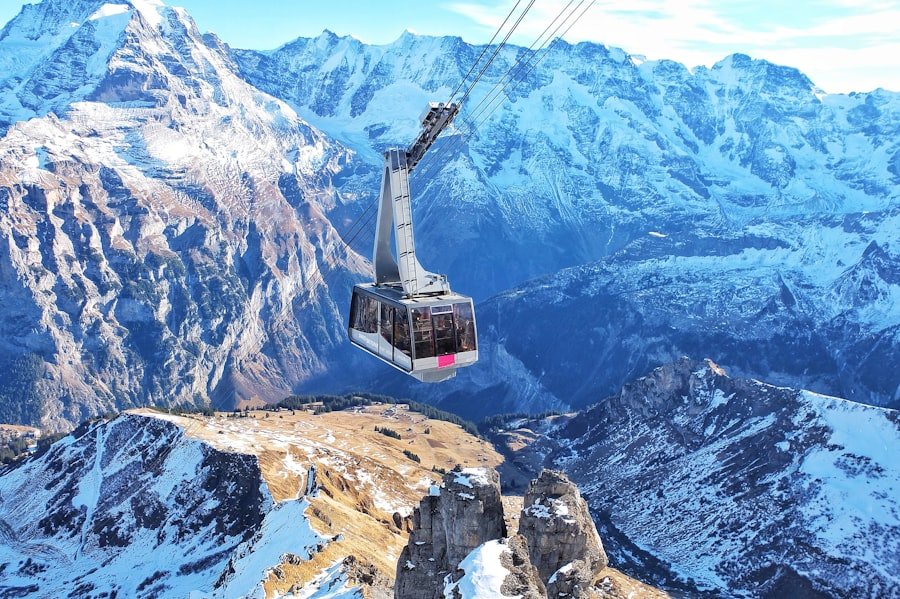
Reserve ahead when the dairy offers timed demonstrations, small-group tours, or workshops. Remote alpine dairies may require a hike, cable-car ride, or mountain road access, while show dairies are usually easier to reach. Wear footwear suited to the route, check the weather, and bring a light layer even on warm days because mountain conditions can change quickly.
If you are traveling with children or anyone with limited mobility, verify whether the route includes stairs, uneven farm surfaces, steep paths, or an outdoor walk. Also check the language of the tour. Some small local tours are offered only in the regional language, while larger show dairies may provide multilingual audio guides.
Pro Tip: Arrive for the actual production window, not just the shop’s opening hours. Watching the curd being worked in the vat is usually the most memorable part of a dairy visit.
Bringing Swiss Alp Cheese Home: Where to Buy and How to Enjoy
Many alpine dairies and show dairies sell cheese on site, and Swiss cheese is also widely available through cheese shops, markets, and retailers. Buying directly from the producer can be especially useful because you can ask how mature the wheel is, whether it is made from raw or pasteurized milk, how it should be stored, and which flavors to expect.
At home, pair firmer nutty cheeses with crusty bread, potatoes, pickles, fruit, or a simple salad. Meltable cheeses work well in gratins, quiches, sandwiches, and fondue-style dishes. Letting a refrigerated hard cheese warm slightly before serving can help its aroma and texture become more noticeable.
For storage, follow the producer’s instructions first. Hard and semi-hard cheeses are generally kept refrigerated after purchase. Cheese paper, wax paper, or parchment can help protect the cut surface while avoiding a completely airtight wrap, but packaging advice varies by cheese. If you are flying or crossing an international border, check the food-import rules of your destination before packing dairy products.
Warning: Some Swiss Alp cheeses are made from raw milk. The U.S. CDC advises people at higher risk of serious foodborne illness, including pregnant people, children under 5, adults 65 and older, and people with weakened immune systems, to choose pasteurized dairy products. If this applies to you, ask the dairy whether a cheese is made from pasteurized milk before tasting or buying it.
Swiss Alp cheese is best understood as a living seasonal tradition rather than a single brand. Its character comes from the connection between summer pasture, fresh milk, skilled cheesemaking, and maturation. A dairy visit adds context that a cheese counter cannot provide: you see the landscape, the equipment, and the work behind each wheel, then taste the result where the tradition is still practiced.
If the visit inspires you to make a simple fresh cheese at home, this guide to delicious homemade cottage cheese offers an easier kitchen project. Cottage cheese is a different style from aged Swiss Alp cheese, but it is a practical way to learn how milk can be transformed into curds.
Sources
- Switzerland Tourism: Alp cheese – treats from the Alps — definition of Alp cheese, history, seasonality, and alpine production.
- Switzerland Tourism: La Maison du Gruyère — visitor experience, production viewing, tasting, and approximate visit times.
- Switzerland Tourism: Dairy tour with cheese tasting — current 2026 Samnaun tour format and duration.
- Le Gruyère AOP: Excellence — raw-milk production and cheesemaking standards.
- Emmentaler AOP: How does the cheese get its holes? — propionic fermentation, carbon dioxide, and maturation.
- CDC: Raw Milk — food-safety guidance for raw milk and raw-milk products.
Frequently Asked Questions
What is Alp cheese?
In Switzerland, Alp cheese is cheese made during the summer grazing season on the alpine farm itself, using milk produced by animals grazing those alpine pastures. It is a production category, not the name of one company or one cheese variety.
What is a dairy visit in Switzerland?
A dairy visit may include a tour of a working cheese dairy, a viewing gallery, a cellar, an exhibition, or a seasonal alpine farm. Depending on the location, you may watch production, learn about local methods, taste cheese, and buy products directly.
What can I expect to see at an Alp cheese dairy?
If you visit during active production, you may see milk being heated, curd forming and being cut, whey draining, cheese being pressed or salted, and wheels maturing in a cellar. Small dairies may show only part of the process depending on the time of day.
How can I arrange a visit to an Alp cheese dairy in Switzerland?
Use the dairy’s official website or a regional tourism office to check opening dates, demonstration times, language, access, price, and reservation requirements. Book in advance for small-group tours, workshops, or remote alpine farms.
When is the best time to visit?
Summer is the best season if you want to see true Alp cheese being made on the mountain, because Alp cheese production is tied to the summer grazing period. Show dairies and visitor centers may operate for longer seasons or year-round.
Is Swiss Alp cheese made from raw milk?
Traditional Swiss Alp cheese is commonly made from raw milk, but production rules vary by cheese and producer. Ask the dairy or check the label if pasteurization matters for dietary or health reasons.
What is the difference between Alp cheese and mountain cheese?
Alp cheese is tied to seasonal production on the alpine pasture itself. Mountain cheese can be made in mountain regions outside that summer alp system and may be produced in valley or village dairies throughout the year.
Can I buy cheese at the dairy and take it home?
Many dairies sell cheese directly. Ask how the cheese should be stored and transported. If you are crossing an international border, check the destination country’s current rules for bringing in dairy products before you travel.