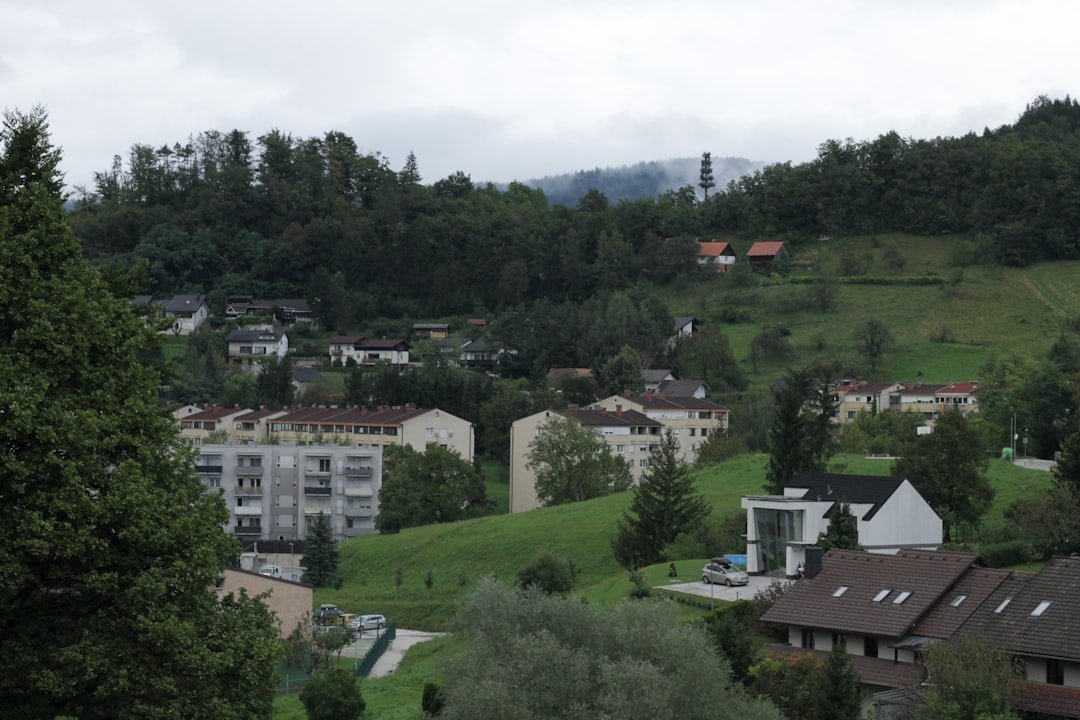
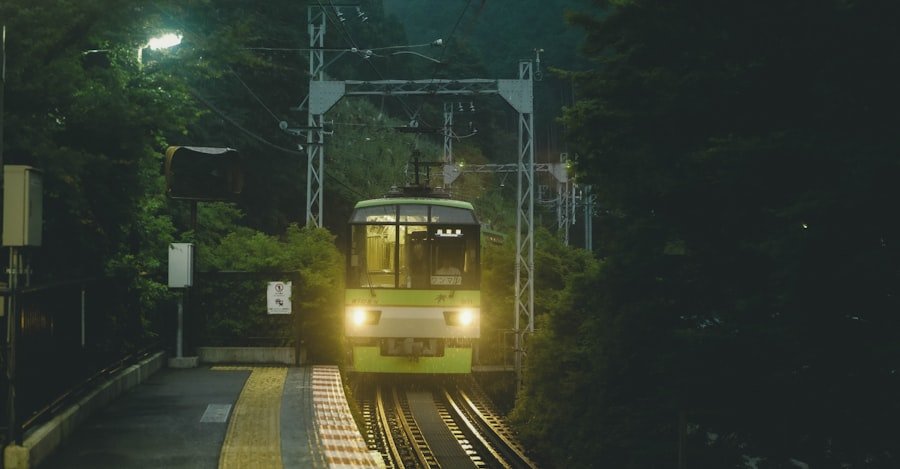
The GoldenPass Line links some of Switzerland’s most memorable lake, mountain, village, and vineyard scenery between Lucerne and Montreux. The important detail is that it is a scenic itinerary rather than one train for the entire journey: travelers use the Luzern–Interlaken Express to Interlaken Ost and then continue toward Montreux on the GoldenPass Express.
Quick Answer
For the most concentrated GoldenPass Line scenery, prioritize the Zweisimmen–Montreux stretch, where alpine villages, the Pays-d’Enhaut, Gstaad-area landscapes, forests, and the dramatic descent toward Lake Geneva appear in quick succession. The Lucerne–Interlaken section is equally worthwhile for lakes, the Brünig Pass, waterfalls, and Bernese Oberland scenery.
Key Takeaways
- The complete GoldenPass Line itinerary runs from Lucerne to Montreux, but you normally change trains at Interlaken Ost.
- The Luzern–Interlaken Express takes about 1 hour 50 minutes, while the GoldenPass Express between Interlaken Ost and Montreux takes about 3 hours 15 minutes.
- Zweisimmen–Montreux is an excellent choice if you have time for only one section and want a mix of alpine villages and Lake Geneva views.
- Lucerne–Interlaken adds Lake Sarnen, the Brünig Pass, Lake Brienz, waterfalls, and views toward the Bernese Alps.
- Gruyères town is an optional detour rather than a direct GoldenPass Express stop.
- Seat reservations are optional on many individual services but can be worthwhile during busy travel periods.
How the GoldenPass Line Works
The name GoldenPass Line can make the journey sound like one train running all the way from Lucerne to Montreux. In practice, the scenic itinerary combines different rail services.
The Luzern–Interlaken Express travels between Lucerne and Interlaken Ost in about 1 hour 50 minutes. At Interlaken Ost, travelers continuing west can transfer to the GoldenPass Express, which runs directly between Interlaken Ost, Gstaad, and Montreux in about 3 hours 15 minutes.
Allow roughly 5½ hours for the full Lucerne–Montreux journey when the connection at Interlaken is included, although the exact total depends on the timetable you choose.
Note: Train schedules can change because of timetable revisions or engineering work. Check the live timetable shortly before traveling rather than relying on a journey time copied from an older travel guide.
Which Section of the GoldenPass Line Has the Best Views?
If your main goal is scenery and you can ride only part of the route, the section between Zweisimmen and Montreux is a strong first choice. MOB describes this stretch as a progression from Lake Geneva through countryside, the Gruyère district, the Pays-d’Enhaut, Gstaad, forests, peaks, and traditional villages.
| Section | Main scenery | Best for |
| Lucerne–Interlaken | Lakes, villages, Brünig Pass, waterfalls, Bernese Alps | Lake and mountain variety |
| Interlaken–Zweisimmen | Bernese Oberland valleys, rural landscapes, alpine foothills | Transition from high mountains to pastoral Switzerland |
| Zweisimmen–Montreux | Gstaad area, Pays-d’Enhaut, forests, valleys, Lake Geneva descent | Most concentrated scenic variety |
The most memorable part of the GoldenPass experience is the contrast: quiet alpine valleys gradually give way to the blue expanse of Lake Geneva and the Riviera around Montreux.
Lucerne: Bridges, Mountains, and Lake Views
Lucerne provides a scenic starting point before the train even moves. The city sits beside Lake Lucerne with mountains rising behind it, while the historic center is known for the wooden Chapel Bridge, or Kapellbrücke, and the Water Tower.
The Chapel Bridge links parts of the old town across the Reuss River and contains historic painted panels. Mount Pilatus forms part of the mountain backdrop around the city, while lakeside walks give travelers time to enjoy the setting before boarding.
Once the train departs Lucerne, the urban scenery quickly gives way to smaller communities, meadows, forests, and lakes.
Lucerne to Interlaken: Lakes, Brünig Pass, and Alpine Scenery
The Luzern–Interlaken Express is much more than a positioning train for the GoldenPass Express. It is one of the most scenic parts of the full itinerary.
The route passes landscapes around Lake Sarnen before climbing toward Brünig-Hasliberg. Zentralbahn identifies Brünig-Hasliberg, at about 1,001 meters above sea level, as the highest point on this route. The surrounding scenery opens toward the Bernese Alps, forests, valleys, and waterfalls.
Near Brienz, turquoise Lake Brienz becomes one of the major visual highlights. The train follows the region toward Interlaken Ost, where the landscapes around Lake Brienz, Lake Thun, and the Bernese Oberland come together.
Pro Tip: Zentralbahn specifically recommends seats on the right-hand side in the direction of travel for the best views on the Luzern–Interlaken Express. Scenery still appears on both sides, so do not worry if your preferred seats are unavailable.
Lake Geneva: A Spectacular Waterfront View
Lake Geneva is one of the dramatic visual rewards near the western end of the GoldenPass journey. Rather than reaching the lake at Geneva city, the GoldenPass Express approaches it around Montreux on the Vaud Riviera.
As the train descends toward Montreux, the contrast becomes striking: wooded slopes and alpine countryside give way to a broad blue lake surrounded by mountains and settlements along the shoreline.
The wider Lake Geneva region contains historic towns, vineyards, promenades, water sports, and cultural attractions. The UNESCO-listed Lavaux Vineyard Terraces extend for about 30 kilometers along the northern shore between the Château de Chillon area and the eastern outskirts of Lausanne.
Geneva city sits much farther west and is not a GoldenPass Express stop. Travelers who continue there can see the famous Jet d’Eau, which reaches about 140 meters above the lake. Its waterfront promenades, sailing, paddleboarding, swimming opportunities, and cosmopolitan cultural attractions belong to a separate Geneva visit rather than the GoldenPass train journey itself.
At sunrise and sunset, changing light can produce particularly attractive reflections across the lake, although cloud, haze, season, and weather strongly affect what passengers actually see.
The Swiss Alps: Majestic Mountain Peaks and Valleys
The Swiss Alps cover a vast area, so not every famous Swiss peak belongs to the GoldenPass panorama. The Matterhorn, for example, is one of Switzerland’s best-known mountains, but it lies near Zermatt and should not be expected from the GoldenPass Line.
Around Interlaken and the Bernese Oberland, the more relevant mountain names are the Eiger, Mönch, and Jungfrau. Their high peaks form part of the wider alpine backdrop associated with the region.
The mountain scenery changes with the seasons. Winter can bring snowy slopes and bright white peaks, while summer replaces much of the snow at lower elevations with green meadows and hiking landscapes. Spring often combines greener valleys with snow remaining at higher elevations, while autumn can bring clearer air and colorful vegetation.
The Alps are not simply a visual backdrop. Skiing and snowboarding dominate many mountain resorts in winter, while hiking, cycling, cable-car excursions, and village walks become popular in warmer months.
Picturesque destinations such as Grindelwald and Zermatt offer major alpine experiences, although they require separate journeys from the GoldenPass route. Cable cars and mountain railways can take visitors to higher viewpoints that reveal far more of the mountain landscape than can be seen from the mainline train.
Gruyères: An Optional Countryside and Castle Detour
| Category | Details |
|---|---|
| Location | Gruyères, canton of Fribourg, Switzerland |
| Attractions | Gruyères Castle, HR Giger Museum, Tibet Museum, cheese experiences |
| Architecture | Medieval buildings and cobblestone streets |
| Activities | Sightseeing, hiking, cheese tasting, and cultural visits |
| Scenery | Rolling hills, green pastures, pre-Alpine landscapes, and mountain views |
The GoldenPass railway passes through part of the wider Gruyère district, but the medieval town of Gruyères itself is not a direct GoldenPass Express stop. Treat it as an optional detour rather than something you will automatically explore during the Lucerne–Montreux ride.
Gruyères is renowned for its cheese and historic architecture. The impressive Gruyères Castle was built in the 13th century and stands above the surrounding countryside.
Inside, preserved rooms, decorative art, and historic collections illustrate different periods in the castle’s long history. Outside, the hilltop position opens broad views over the surrounding landscape.
Gruyères is also closely associated with Gruyère cheese. Visitors can combine the medieval town with cheese-focused experiences and restaurants serving regional dishes such as fondue.
This combination of historical architecture, local food, and rural scenery makes Gruyères worthwhile if your itinerary allows enough time for a separate excursion.
Interlaken: Lakes, Mountains, and the Main Transfer Point
Interlaken sits between Lake Thun and Lake Brienz and acts as the key link between the eastern and western sections of the full GoldenPass itinerary. Travelers arriving from Lucerne normally change at Interlaken Ost before continuing toward Montreux.
The surrounding Bernese Oberland is associated with the Eiger, Mönch, and Jungfrau, while the town itself combines hotels, cafes, shops, green spaces, and easy access to mountain excursions.
Interlaken is also known for adventure sports. Paragliding is one of the most visible activities, while hiking, lake cruises, mountain railways, and cable-car excursions offer slower ways to experience the scenery.
Paragliding over the surrounding landscape can provide a very different perspective on Interlaken’s lakes and mountains, while hiking trails cater to a wide range of experience levels.
For a calmer experience, boat cruises on Lake Thun or Lake Brienz provide another way to enjoy the water and surrounding peaks. Interlaken’s combination of scenery and transport connections makes it more than a place to change trains if you have extra time.
Zweisimmen: Lush Greenery and Alpine Meadows
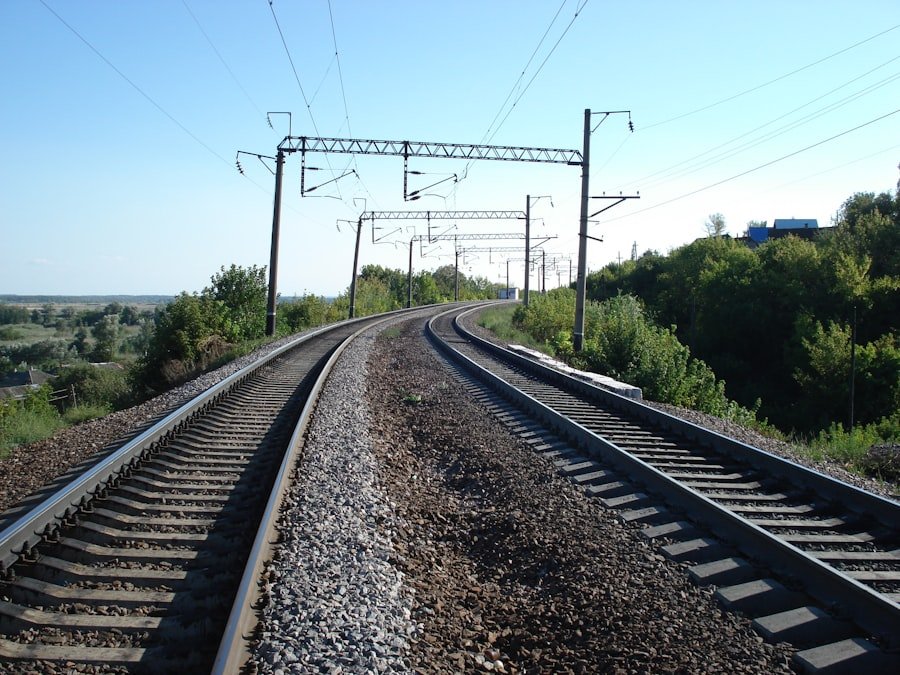
Zweisimmen sits in the Bernese Oberland and marks an important point on the traditional GoldenPass route. The surrounding landscape is characterized by green hills, alpine meadows, farms, forests, and mountains.
During summer, hiking and cycling routes lead into the surrounding countryside. Wildflowers and green pastures add color to the lower slopes, while mountain viewpoints reveal wider valley panoramas.
The nearby Rinderberg area provides additional mountain scenery. In winter, snow changes the character of the region and brings skiing and other winter activities.
For train travelers, Zweisimmen is especially important because the scenery west toward Gstaad, the Pays-d’Enhaut and Montreux becomes one of the most varied parts of the GoldenPass journey.
Gstaad and the Pays-d’Enhaut: Classic Alpine Village Scenery
Between Zweisimmen and Montreux, the route passes through landscapes that many travelers picture when they imagine rural Switzerland: timber houses, green pastures, forested slopes, small settlements, and mountain valleys.
Gstaad is the best-known resort along this part of the journey. The route then continues through the Pays-d’Enhaut, where the scenery feels more rural before the train begins its transition toward the Lake Geneva region.
This changing landscape is one reason the western section is particularly rewarding. Instead of one continuous mountain panorama, passengers see a sequence of different environments as the train loses elevation toward Montreux.
Montreux: Riviera Scenery and Vineyard Terraces Along Lake Geneva
Montreux provides a dramatic finale to the GoldenPass journey. MOB describes its trains as overlooking Lake Geneva during the approach or departure from Montreux, making this stretch one of the route’s defining views.
The town has a mild lakeside setting with promenades, gardens, hotels, and mountain views across the water. It is internationally known for the Montreux Jazz Festival, but its landscape is just as important to its identity.
Vineyards cover slopes in the wider Vaud region beside Lake Geneva. The UNESCO-listed Lavaux Vineyard Terraces extend along roughly 30 kilometers of the northern lakeshore from the Château de Chillon area toward Lausanne.
Chasselas is strongly associated with wine production in this part of western Switzerland, and vineyard excursions allow visitors to combine regional food and wine with lake views.
Montreux’s combination of water, mountains, vineyards, cultural attractions, and rail connections makes it a natural place to end the GoldenPass journey rather than immediately turning around.
How to Get Better Views From the Train
Panoramic windows help, but seat position is only part of the experience. The railway curves frequently and important views can move from one side to the other.
- Lucerne–Interlaken: Zentralbahn recommends the right-hand side in your direction of travel.
- Keep the window clear: Large bags, jackets, and bright screens can make photography harder.
- Reduce reflections: Place your camera or phone closer to the glass when safe to do so.
- Watch both sides: Curves mean a supposedly weaker side can suddenly have the better view.
- Travel in daylight: Short winter days can reduce the amount of scenery visible on late departures.
- Check weather: Low cloud can hide high peaks even when the train route itself remains scenic.
Tickets and Seat Reservations
A transport ticket and a seat reservation are not always the same thing. On the GoldenPass Express, ordinary individual seat reservations in first and second class are optional but highly recommended, particularly when demand is high.
Reservations can also be made on the Luzern–Interlaken Express for travelers who want a guaranteed seat. Reservation prices and availability can change by season, so check the official operators rather than relying on an old quoted price.
If you are using a Swiss Travel Pass, GA Travelcard, Half Fare Travelcard, or another discount product, check exactly what your pass covers and whether a separate seat reservation is still useful for the train you want.
Warning: Do not assume that having a rail pass automatically reserves a seat. During busy travel periods, check your chosen train and reservation options before departure.
When Is the GoldenPass Line Most Scenic?
There is no single best season because the landscape changes substantially throughout the year.
- Spring: Green valleys can contrast with snow remaining on higher mountains.
- Summer: Long daylight hours, green alpine meadows, and active villages make it easy to combine the train with stops.
- Autumn: Cooler conditions and changing foliage can give the route a different character.
- Winter: Snow can transform the alpine sections, although short daylight hours make departure time more important.
Weather matters at least as much as season. A clear winter day may reveal more mountain detail than a cloudy summer afternoon, so flexibility can be more valuable than choosing one supposedly perfect month.
Related Travel Reading
If you’re planning a trip on the GoldenPass Line and are eager to experience the best views, the most useful supporting content is normally about Swiss rail travel, Montreux, Interlaken, Lucerne, Gstaad, or nearby excursions. The previously included article on exploring the delightful world of Asian melon covers unique flavors and culinary topics but is unrelated to the GoldenPass route, so it should not be treated as a trip-planning source.
Frequently Asked Questions
What is the GoldenPass Line?
The GoldenPass Line is a scenic rail itinerary across Switzerland linking Lucerne, Interlaken, Zweisimmen, Gstaad, and Montreux. It is not one train for the entire Lucerne–Montreux trip. Travelers normally use the Luzern–Interlaken Express and then continue from Interlaken Ost toward Montreux on the GoldenPass Express.
What is the best section of the GoldenPass Line for views?
If you can ride only one section, Zweisimmen–Montreux is an excellent choice because it combines alpine villages, the Gstaad area, the Pays-d’Enhaut, forests, valleys, and the descent toward Lake Geneva. Lucerne–Interlaken is also highly scenic, especially for lakes and Brünig Pass views.
How long does the GoldenPass Line journey take?
The Luzern–Interlaken Express takes about 1 hour 50 minutes, and the GoldenPass Express between Interlaken Ost and Montreux takes about 3 hours 15 minutes. With the transfer at Interlaken, a through journey is roughly 5½ hours, depending on the connection.
Do I have to change trains between Lucerne and Montreux?
Yes. Travelers coming from Lucerne normally change at Interlaken Ost. The GoldenPass Express itself provides a direct journey between Interlaken Ost and Montreux.
Do I need a seat reservation on the GoldenPass Express?
For ordinary individual first- and second-class travel, seat reservations are generally optional but highly recommended, especially when trains are busy. A valid transport ticket is still required.
Which side of the train has the best views?
On the Luzern–Interlaken Express, Zentralbahn recommends the right-hand side in your direction of travel. On the wider GoldenPass journey, the railway curves frequently, so important scenery appears on both sides.
Does the GoldenPass Line stop in Gruyères?
The GoldenPass route travels through part of the wider Gruyère district, but medieval Gruyères town is not a direct GoldenPass Express stop. Visiting its castle, museums, and cheese attractions requires a separate excursion.
What are the main scenic highlights along the GoldenPass Line?
Highlights include the Lucerne region, Lake Sarnen, Brünig Pass, Lake Brienz, Interlaken and the Bernese Oberland, Zweisimmen, Gstaad, the Pays-d’Enhaut, rural scenery in the Gruyère district, and the descent toward Montreux and Lake Geneva.
Sources
- GoldenPass Express — Timetable — official Interlaken Ost–Montreux journey time and timetable guidance.
- Zentralbahn — Luzern–Interlaken Express — journey time, route highlights, seat guidance, reservations, and service information.
- MOB — GoldenPass Panoramic — scenery between Montreux, Gstaad, and Zweisimmen.
- GoldenPass Express — Fares and Discounts — ticket and seat-reservation guidance.
- UNESCO — Lavaux Vineyard Terraces — extent and historical significance of the Lake Geneva vineyard landscape.
- Château de Gruyères — History — official history of the 13th-century castle.