Switzerland can be expensive, but you have much more control over the final cost than you might expect. The biggest savings usually come from planning transportation before you travel, choosing accommodation strategically, preparing some of your own food, using free outdoor attractions, and checking what your hotel or destination already includes before paying for extra passes or services.
Quick Answer
To save money in Switzerland, compare transport fares before buying a pass, stay somewhere with a kitchen or guest card, buy groceries for some meals, refill a reusable water bottle, and plan days around free hikes, lakefront walks, parks, and old towns. The cheapest strategy depends on your actual itinerary.
Key Takeaways
- Do not buy a Swiss rail pass automatically. Compare it with point-to-point fares, Saver Day Passes, and the Swiss Half Fare Card first.
- Ask whether your accommodation includes a destination guest card before paying separately for local buses, trains, museums, or attractions.
- Choose accommodation with a kitchen or breakfast when the total price works in your favor, and compare nearby rail-connected towns with famous resort centers.
- Use grocery stores, meal planning, picnics, and Swiss tap water to reduce daily food and drink costs.
- Build some days around hiking, parks, historic centers, lakeside walks, and other free or low-cost activities.
- Use loyalty programs, comparison tools, and rewards only when they reduce purchases you were already going to make.
At a Glance
| Time Required | About 30–60 minutes to compare transportation, accommodation benefits, and major daily costs before booking |
| Difficulty | Easy, but transport passes should be compared against your actual itinerary |
| Tools Needed | Your itinerary, SBB website or app, accommodation booking details, and a simple daily budget |
| Cost | Planning is free; the amount you save depends on your routes, lodging, meal choices, and activities |
Start With a Realistic Switzerland Budget
Budgeting is the foundation of controlling your costs in Switzerland. Start by listing the expenses you cannot avoid, such as accommodation and transportation between destinations. Then estimate flexible categories such as restaurant meals, groceries, cable cars, museums, shopping, and entertainment.
Tracking expenses during the trip is just as useful as making the initial budget. A simple spreadsheet, budgeting app, or daily note on your phone can show when small purchases are adding up faster than expected. If restaurant meals or mountain excursions are consuming too much of the budget, you can adjust the remaining days before the overspending becomes difficult to correct.
It also helps to divide your budget into two groups: experiences that matter most to you and costs that simply support the trip. You may happily pay for one special mountain excursion while saving on breakfast, bottled drinks, shopping, or unnecessary taxis.
Save Money on Public Transportation in Switzerland
Switzerland’s public transportation network makes it possible to travel widely without renting a car, but there is no single ticket that is cheapest for every itinerary. Before buying a pass, enter your planned journeys into the official SBB visitor travel page or SBB timetable and compare the options.
As of August 16, 2026, the main choices for visitors include the following:
| Option | Best Fit | Important Detail |
| Point-to-point / Supersaver Ticket | Travelers with only a few planned journeys | Check the SBB timetable for saver fares before assuming a multi-day pass is cheaper. |
| Saver Day Pass | A busy day involving several eligible public-transport journeys | Starts at CHF 52 without a Half Fare Travelcard or CHF 29 with one. It must be bought in advance and cheaper quotas can sell out. |
| Swiss Half Fare Card | Visitors making several train, boat, or mountain journeys over a longer trip | Currently CHF 150 and valid for one month. It provides half-price or reduced-price travel on a wide network. |
| Swiss Travel Pass | Visitors taking frequent public transport and wanting convenience plus museum benefits | Second class currently starts at CHF 254. It is sold for 3, 4, 6, 8, or 15 consecutive days and includes broad train, bus, boat, and city-transport coverage. |
Note: Transport prices and product conditions can change. The prices above were verified on August 16, 2026. Check SBB again before buying, especially when your trip is several months away.
The Saver Day Pass is particularly useful to compare when you have a full day of long-distance travel. Because prices are quota based, buying earlier can produce a lower price than waiting until shortly before the journey.
The Swiss Travel Pass can be convenient when you are moving frequently. It includes trains, buses, boats, local transport in more than 90 towns and cities, and admission to more than 500 museums. However, it does not mean every mountain railway or cable car is free, and panoramic-train reservations or surcharges may still apply.
Warning: The Swiss Travel Pass and Swiss Half Fare Card described here are visitor products. SBB states that they are available to people whose permanent residence is outside Switzerland and the Principality of Liechtenstein. Residents should compare SBB’s domestic Half Fare Travelcard, regional travelcards, point-to-point products, and other resident options instead.
Check for a Guest Card Before Buying Local Transport
One of the easiest ways to waste money is to buy local transportation or attraction tickets before checking what your accommodation already includes. Many Swiss destinations issue guest cards to qualifying overnight visitors.
Benefits differ by destination, but they may include local buses or trains, reduced mountain-railway fares, museum discounts, or included attractions. Switzerland Tourism maintains an official overview of guest cards and regional tickets.
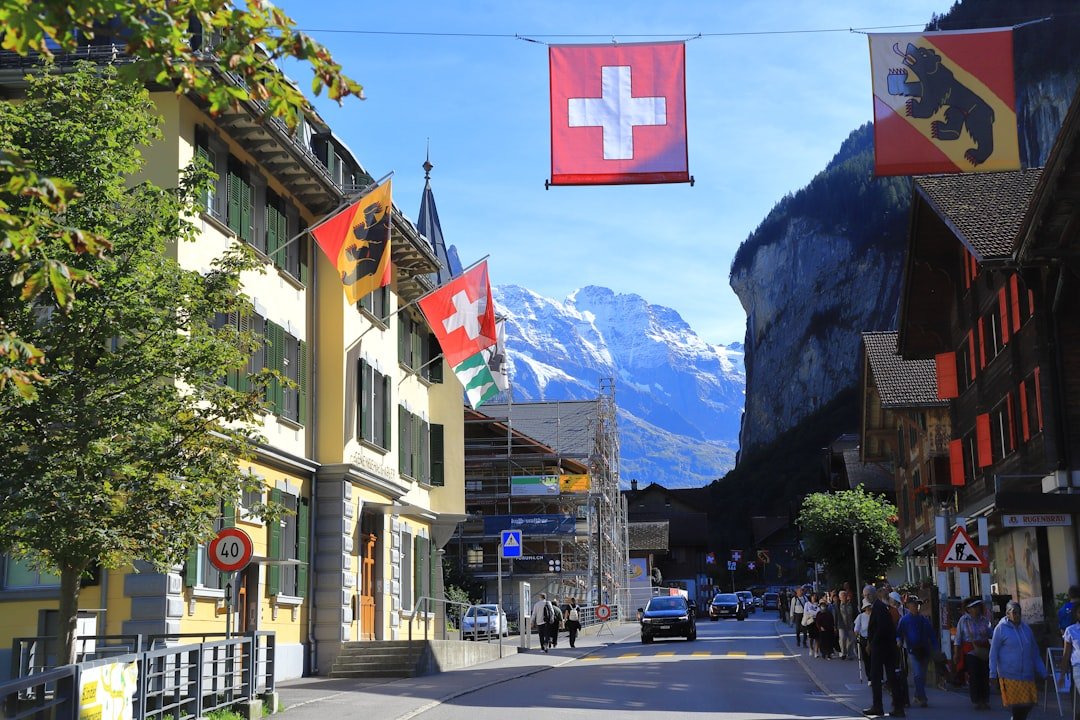
Examples include guest benefits in destinations such as Interlaken, Basel, Lausanne, Montreux, Ticino, and other regions. The exact rules vary, so check which accommodation types qualify and what geographic area the card covers.
Pro Tip: Before paying for a city transport pass, ask your hotel, hostel, campsite, or apartment host whether an overnight guest card is included. Then compare the included area with the journeys you actually plan to make.
Spend Less on Accommodation
Accommodation can consume a large share of a Switzerland budget, so compare the total value rather than the room rate alone. A slightly more expensive room may be cheaper overall if it includes breakfast, a kitchen, free local transportation, or an especially useful guest card.
Swiss Youth Hostels are worth comparing with traditional hotels, especially for solo travelers, families, and groups. Hostels are not limited to large shared dormitories; depending on the property, private or family rooms may also be available.
You can also compare apartments, guesthouses, hostels, and hotels in smaller towns that have direct rail connections to your main destination. Staying outside a famous resort center does not automatically save money, but the comparison can uncover better-value options.
- Compare the all-in rate: Include breakfast, cleaning charges, local transportation, and any booking fees.
- Prioritize a kitchen for longer stays: Preparing even one meal per day can reduce food costs.
- Check cancellation terms: The cheapest non-refundable rate is not necessarily the best value if your plans could change.
- Compare several dates: Prices can change substantially around weekends, holidays, festivals, ski periods, and major events.
- Check the rail connection: A cheaper room far from useful public transport can create extra costs and wasted time.
Cook at Home and Plan Your Meals
Cooking at home is one of the simplest ways to control food spending, particularly if you are staying in Switzerland for several days. A hotel room or apartment with basic cooking facilities can make breakfast, packed lunches, and simple dinners much cheaper than eating every meal in a restaurant.
Meal planning also reduces impulse purchases and food waste. Decide what you will eat for the next few meals before entering the supermarket, make a short shopping list, and choose ingredients that can be reused. Bread, cheese, yogurt, fruit, vegetables, eggs, pasta, rice, and other simple foods can be mixed into several meals without requiring a large kitchen.
If you want to eat in restaurants, you do not need to eliminate them completely. Instead, decide which meals are worth the expense. You might prepare breakfast, carry a picnic lunch, and spend more on one dinner you genuinely want to experience.
Making food yourself can also be part of the experience. For example, this guide to delicious homemade cottage cheese is one example of turning simple ingredients into a homemade meal instead of buying every prepared item.
Use Swiss Tap Water Instead of Buying Bottled Water
Buying drinks several times per day can quietly increase a travel budget. According to Switzerland Tourism’s drinking-water guidance, water distributed in Switzerland meets high quality standards and tap water can generally be consumed safely.
Carry a reusable bottle and refill it at your accommodation or appropriate public drinking-water fountains. If a fountain is specifically marked as non-drinking water, do not use it for drinking.
A reusable bottle can eliminate one of the easiest recurring travel expenses: buying bottled water every time you become thirsty.
Use Discount Cards and Loyalty Programs Carefully
Loyalty programs can save money when you repeatedly shop with the same retailer, but they should support your shopping plan rather than determine it. Compare the actual shelf price first. A reward is not useful if a competing store sells the same type of item for less.
| Savings Method | When It Helps | What to Watch |
| Supermarket loyalty program | You repeatedly shop at the same chain | Do not buy extra products merely to collect points. |
| Digital coupon | It discounts an item already on your list | A coupon does not automatically make an item the cheapest choice. |
| Credit-card rewards | You would make the purchase anyway and the card’s fees do not erase the benefit | Interest, annual fees, foreign-transaction fees, or overspending can cost far more than the reward. |
If you use a rewards credit card, paying the statement balance in full and understanding its fees is far more important than earning points. Never carry expensive debt simply to earn cashback or loyalty rewards.
Make the Most of Free and Low-Cost Activities
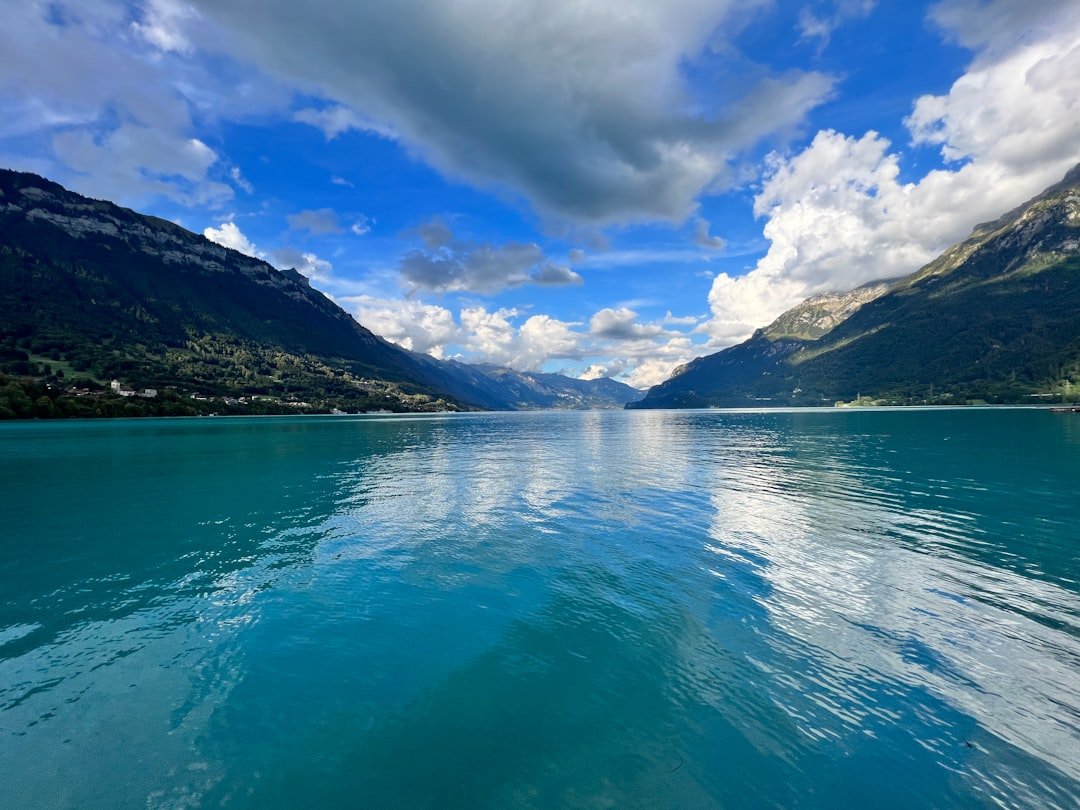
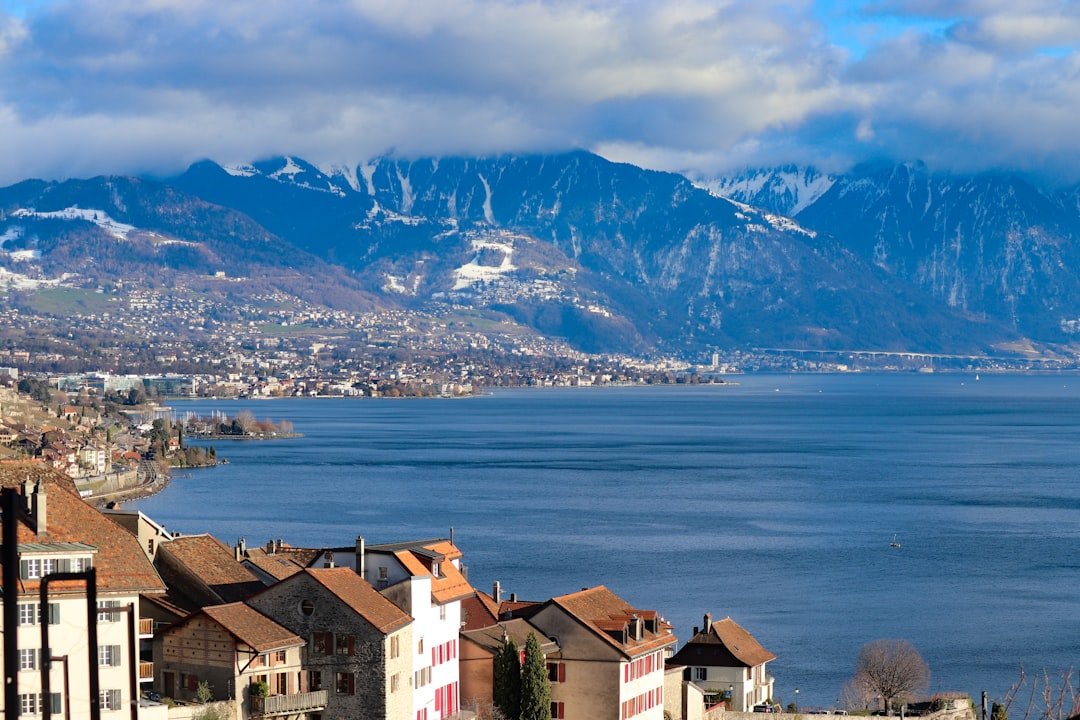
Switzerland has many experiences that do not require an expensive attraction ticket. Hiking, lakeside walking, exploring historic centers, visiting public parks, and enjoying viewpoints can fill large parts of an itinerary at little or no admission cost.
The official SwitzerlandMobility network and app provide around 1,500 official marked routes across Switzerland and Liechtenstein. Use the route information to choose walks that match your experience and fitness level.
Remember that the activity itself may be free while reaching the starting point is not. A hike that requires an expensive cable car can cost more than a lower-elevation walk reached by ordinary public transport. Compare the complete day, not only the admission price.
Other low-cost ideas include:
- walking through old towns and historic districts;
- packing a picnic for a lakeside or park lunch;
- using included museums or attractions when they come with a pass you already purchased;
- checking your destination’s guest card for free or discounted activities;
- choosing scenic walks that begin directly from a town or railway station;
- visiting public viewpoints rather than paying for every mountain excursion.
Shop at Discount Stores and Second-Hand Markets
Discount shopping can help, but U.S.-style “dollar store” advice is not a useful way to plan purchases in Switzerland. Compare the price you actually pay at supermarkets, discount retailers, outlets, and second-hand shops instead of assuming that one type of store is always cheapest.
For second-hand goods, look for a Brockenhaus, often shortened to Brocki. These thrift-style shops can be useful for household items, clothing, furniture, books, and other used goods, especially for residents or people staying in Switzerland for an extended period.
Online resale platforms, including Facebook Marketplace, eBay, and locally popular second-hand marketplaces, can also be useful. Check collection location, payment terms, condition, and buyer protection before paying for an item.
Buying second-hand can reduce both cost and waste, but compare used prices with current new prices. A second-hand label does not guarantee that the deal is good.
Negotiate Only Where Prices Are Actually Flexible
Negotiation can reduce costs in some situations, but Switzerland is not a market where every displayed price should be treated as negotiable. Fixed public-transport fares, supermarket shelf prices, and many regulated charges are not realistic negotiation targets.
Negotiation is more appropriate when the seller has discretion. Examples can include a used vehicle, privately sold furniture, some long-stay accommodation arrangements, or certain service contracts. Research the normal market price first and make a reasonable offer rather than asking for a discount without evidence.
For recurring expenses, comparison is often more effective than negotiation. Residents can periodically compare telecommunications, internet, insurance, and other contracts to see whether a different plan better matches their current needs.
Use Online Comparison Tools and Apps Wisely
Online comparison tools can make it easier to find lower prices, but the most useful tool depends on what you are buying. For Swiss public transportation, the SBB website and app should be your first comparison point because they display the official timetable and available ticket products.
For groceries and household purchases, check retailer apps, digital coupons, and current promotions while also comparing the regular price. For accommodation, compare the final price after mandatory fees and the value of included breakfast, kitchen access, cancellation terms, and guest-card benefits.
Tools such as PriceGrabber, Google Shopping, Ibotta, or Honey may be useful in certain countries or for certain online purchases, but do not assume that their coverage or offers are equally useful in Switzerland. Always confirm that the retailer, coupon, or cashback program actually supports the Swiss market before relying on the advertised saving.
Build a Simple Low-Cost Daily Routine
You do not need to optimize every franc. A repeatable routine can control everyday costs while leaving room for the experiences you care about.
- Breakfast: Use an included hotel/hostel breakfast or prepare something simple from groceries.
- Transportation: Use the ticket or pass you already compared for that day’s itinerary instead of buying fares impulsively.
- Morning activity: Choose a walk, historic center, lakefront, park, or included attraction.
- Lunch: Carry a picnic or compare a simple takeaway/lunch option with a full restaurant meal.
- Water: Refill your reusable bottle rather than buying bottled drinks repeatedly.
- Afternoon: Combine attractions in the same area to avoid unnecessary backtracking and extra transport.
- Dinner: Decide in advance whether this is a restaurant night or a self-catered meal.
- Evening check: Review the day’s spending so you can adjust tomorrow without changing the entire trip.
Frequently Asked Questions
What are some general tips for saving money in Switzerland?
Set a daily budget, compare transportation before buying a pass, choose accommodation with useful inclusions, prepare some meals yourself, refill a reusable water bottle, and include free activities such as hiking, parks, lakefront walks, and historic centers.
How can I save on accommodation in Switzerland?
Compare hostels, guesthouses, hotels, and self-catering accommodation by total cost rather than room price alone. Check whether breakfast, a kitchen, or a destination guest card is included. You can also compare smaller rail-connected towns with major resort centers, provided the transportation cost does not erase the room saving.
What are some ways to save on transportation in Switzerland?
Compare point-to-point fares and Supersaver Tickets with Saver Day Passes, the Swiss Half Fare Card, and the Swiss Travel Pass. Also check whether your accommodation provides a local guest card. The best option depends on the number, distance, and type of journeys you plan to make.
Are there any free or low-cost activities in Switzerland?
Yes. Hiking, lakeside walks, old-town sightseeing, public parks, scenic viewpoints, and some local events can cost little or nothing. Guest cards and qualifying transport passes may also include or discount museums and attractions. Remember to include the transportation cost of reaching an activity when comparing options.
How can I save on food and dining in Switzerland?
Buy groceries for breakfast, snacks, picnics, or simple dinners, especially when your accommodation has a kitchen. Plan meals before shopping, carry portable snacks during sightseeing days, and choose the restaurant meals that matter most to you rather than eating every meal out.
Is tap water safe to drink in Switzerland?
Swiss distributed tap water meets high quality standards and can generally be consumed safely. Carrying a reusable bottle can reduce the amount you spend on bottled drinks. Do not drink from a fountain that is specifically marked as non-drinking water.
Is the Swiss Travel Pass always the cheapest option?
No. It can offer excellent convenience and broad coverage, but a traveler with only a few journeys may spend less with individual tickets, Supersaver Tickets, a Saver Day Pass, or a Swiss Half Fare Card. Price your important journeys before deciding.
Can Swiss residents buy the same Swiss Travel Pass used by tourists?
The visitor Swiss Travel Pass and Swiss Half Fare Card are intended for people whose permanent residence is outside Switzerland and the Principality of Liechtenstein. Residents should compare SBB’s domestic travelcards and regional fare products instead.
Sources
- SBB: Travel tips and Swiss train tickets for tourists — Swiss Travel Pass, Swiss Half Fare Card, eligibility, coverage, durations, and current visitor pricing.
- SBB: Saver Day Pass — current starting prices, advance-purchase requirements, quotas, validity, and refund restrictions.
- Switzerland Tourism: Guest cards and tickets — examples of regional cards that provide public transport and attraction benefits.
- Switzerland Tourism: Drinking water — Swiss tap-water quality guidance.
- SwitzerlandMobility — official marked hiking and other human-powered mobility routes.
- Swiss Youth Hostels — official Swiss hostel network and budget-accommodation information.