The Aletsch Glacier is the largest glacier in the Alps and one of the highlights of the Swiss Alps Jungfrau-Aletsch UNESCO World Heritage Site. Reaching its hiking routes is straightforward once you choose the right access point. Fiesch and Fiescheralp are especially convenient for hikes toward Märjelensee and the glacier edge, while Bettmeralp and Riederalp provide access to other panoramic routes and viewpoints.
Quick Answer
The simplest way to reach an Aletsch Glacier hike is to travel by train or car to Fiesch, then take the 10-minute gondola to Fiescheralp. From there, marked routes lead toward Märjelensee and the glacier edge. Bettmeralp and Riederalp are good alternatives for panoramic glacier viewpoints and other hiking routes.
Key Takeaways
- Fiesch is the easiest valley access point for hikes from Fiescheralp toward Märjelensee and the Aletsch Glacier edge.
- Bettmeralp valley station provides access to Bettmeralp and the Bettmerhorn glacier viewpoint, while Mörel provides access to Riederalp and Moosfluh.
- The mountain resorts of Fiescheralp, Bettmeralp and Riederalp are car-free, so drivers leave their vehicles at valley parking areas and continue by lift.
- Do not assume every Aletsch hike is beginner-friendly. Routes range from easy walks to demanding alpine trails.
- Stay on marked hiking routes and never step onto the Aletsch Glacier itself unless you are accompanied by a qualified mountain guide.
At a Glance
| Time Required | 10-minute gondola from Fiesch to Fiescheralp; about 3 hours 5 minutes for the 10.6 km Märjela glacier-edge loop, plus travel time |
| Difficulty | Varies by route; the Märjela loop is rated moderate, while some Aletsch alpine routes are substantially harder |
| Tools Needed | Sturdy hiking shoes, water, sun protection, weatherproof layers, trail map or offline navigation, and a charged phone |
| Cost | Varies with your rail pass, lift route and whether you book a guided glacier tour; check current fares before travelling |
Understand the Aletsch Glacier Trail Access Points
There is no single trailhead that serves every hike around the Great Aletsch Glacier. The Aletsch Arena hiking network contains many marked routes with different starting points, distances and difficulty levels.
The three most useful valley gateways are Fiesch, Bettmeralp valley station and Mörel. From these locations, cable cars or gondolas take you to the car-free mountain plateau.
- Fiesch → Fiescheralp: Best for Märjelensee, the glacier-edge hike and Eggishorn-area routes.
- Bettmeralp valley station → Bettmeralp: Best for Bettmerhorn, Bettmersee and hikes across the central plateau.
- Mörel → Riederalp: Best for Riederalp, Moosfluh, Hohfluh and western Aletsch-area hikes.
Pro Tip: Choose your hiking route before buying transport tickets. “Aletsch Glacier Trail” can describe several different hikes, and the correct valley station depends on where you want to start.
Getting to Fiesch and Fiescheralp
For travelers who want to hike toward Märjelensee and the glacier edge, Fiesch is one of the most convenient bases. Fiesch has an integrated public-transport hub connecting the Matterhorn Gotthard Bahn railway with the gondola to Fiescheralp.
From Brig, take a Matterhorn Gotthard Bahn train toward Fiesch. Journey times vary by service, so check the live timetable rather than relying on a fixed travel time. Travelers coming from Zurich, Bern, Geneva or other Swiss cities can use the SBB timetable to plan their connection to Brig and onward to Fiesch.
From Fiesch, the gondola reaches Fiescheralp in about 10 minutes according to the current Aletsch Arena lift timetable. Fiescheralp sits on the car-free mountain plateau and is the practical starting point for several marked hikes.
Driving and parking at Fiesch
Drivers can follow the main Valais road network to Fiesch and park near the Fiesch-Eggishorn lift. The official Aletsch Arena listing identifies about 450 parking spaces roughly 100 metres from the public-transport hub. Parking reservations are not normally available, so arriving early is sensible on busy summer weekends.
The official accessibility listing for the Fiesch parking facility mentions wheelchair spaces but marks the overall parking place as not wheelchair-accessible. Travelers with specific mobility requirements should therefore confirm the current arrangement with Aletsch Bahnen before arrival.
Recommended Routes from Fiescheralp
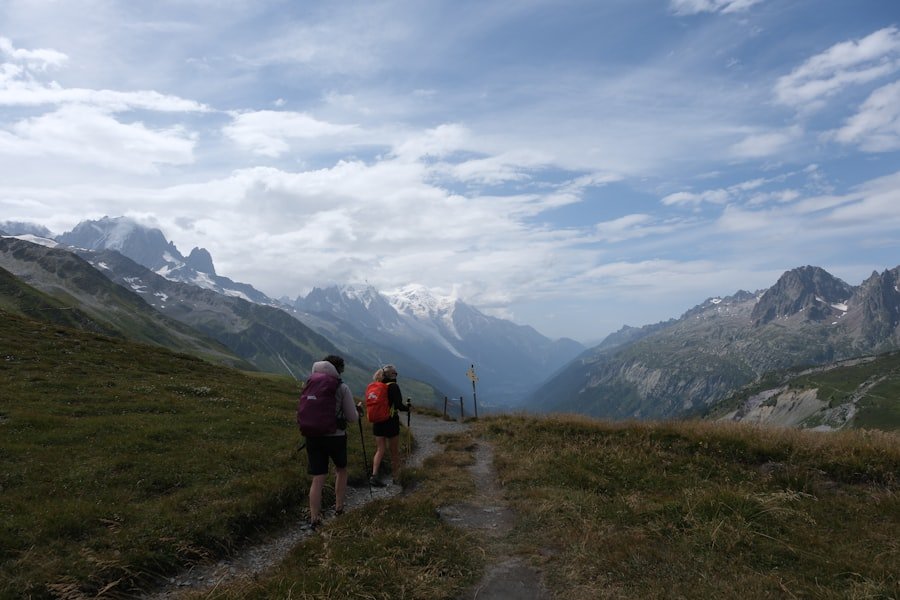
One of the clearest choices for visitors who want to approach the glacier without walking on the ice is the circular route from Fiescheralp through the Tälligrat tunnel toward Märjela and the glacier edge.
According to the official Aletsch Arena route description, the hike is approximately 10.6 km, takes about 3 hours 5 minutes and includes roughly 312 metres of ascent and 317 metres of descent. It is rated moderate.
The route begins at Fiescheralp, follows signs toward Märjela and the Gletscherstube, and passes through the illuminated Tälligrat tunnel before continuing toward Märjelensee and the glacier-edge area.
Warning: Reaching a viewpoint or the marked glacier-edge hiking area is not the same as walking onto the glacier. Crevasses, unstable ice and other hazards make independent glacier travel dangerous. Aletsch Arena states that visitors should enter the glacier itself only when accompanied by a mountain guide.
Can you hike from Fiesch instead of taking the gondola?
Yes, but it is not a short alternative. An official Fiesch-to-Fiescheralp route covers about 5.9 km while climbing roughly 1,123 vertical metres and is listed at approximately 4 hours 10 minutes. It is a demanding ascent rather than a normal approach walk.
For most visitors planning a glacier-view hike on the same day, taking the gondola to Fiescheralp saves considerable time and energy.
Bettmeralp and Bettmerhorn Access
Bettmeralp is another excellent base for seeing the Great Aletsch Glacier. Travel by train or car to Bettmeralp valley station in Grengiols and take the large-cabin cable car to car-free Bettmeralp. The published lift journey takes about seven minutes.
From Bettmeralp, a separate cable car reaches Bettmerhorn. The Bettmerhorn viewpoint is particularly useful for visitors who want a dramatic glacier view without completing a long hike.
The viewpoint is around 200 metres from the mountain station. The official accessibility information describes it as a barrier-free viewpoint and lists it as partially wheelchair-accessible.
Parking at Bettmeralp valley station
The Bettmeralp valley-station car park has covered and outdoor parking. The official listing marks both the facility and designated parking as wheelchair-accessible.
Riederalp and Moosfluh Access
For Moosfluh and routes on the western side of the Aletsch Arena, travel to Mörel-Filet. Cable cars and gondolas connect Mörel with car-free Riederalp. From Riederalp, the Moosfluh lift provides access to one of the major Aletsch Glacier viewpoints when operating.
This is the correct approach to Moosfluh. You do not reach Moosfluh by taking a train to Jungfraujoch and then transferring to a cable car.
Which Aletsch Route Should You Choose?
| Route or Goal | Best Access | What to Expect |
|---|---|---|
| Märjela and glacier-edge loop | Fiesch → Fiescheralp | About 10.6 km, 3:05 h, moderate |
| Easy plateau walk toward Bettmeralp/Riederalp | Fiesch → Fiescheralp | Fiescheralp to Riederalp route is about 7.9 km and 2:30 h, rated easy |
| Bettmerhorn glacier viewpoint | Bettmeralp valley station → Bettmeralp → Bettmerhorn | Short approach from the mountain station and a strong option for reduced mobility |
| Moosfluh viewpoint | Mörel → Riederalp → Moosfluh | Panoramic glacier access with many nearby hiking choices |
| Bettmerhorn–Eggishorn ridge | Bettmerhorn | T4 alpine route; suitable only for properly prepared hikers with the required mountain experience |
This range of difficulty is why it is misleading to describe the Aletsch Glacier hiking network as suitable for every beginner. Choose the specific route according to fitness, trail classification, weather and mountain experience.
Guided Tours and Local Transportation
Guided glacier tours are available for visitors who want to go beyond ordinary marked hiking trails and safely experience the glacier itself. The official Aletsch Arena glacier-tour information lists guided experiences from Riederalp, Bettmeralp and Fiesch-Eggishorn.
| Service | Details |
|---|---|
| Guided glacier tours | For visitors who want to travel on the glacier itself with an experienced mountain guide; availability and itinerary vary. |
| Valley-to-plateau lifts | The normal transportation from Fiesch, Bettmeralp valley station and Mörel to the car-free mountain resorts. |
| Local plateau transportation | Seasonal local services, electric transport, taxis and luggage services are available in parts of the car-free resorts. |
| Schedules | Check current lift and local-transport operating times before starting your trip. |
Do not rely on an unspecified “trailhead shuttle” from surrounding towns. In most cases, trains bring you to the valley gateway and the corresponding cable car or gondola takes you onto the mountain plateau.
Traveling from Brig, Zurich, Bern, Geneva and Lauterbrunnen
From Brig: Take the Matterhorn Gotthard Bahn toward Fiesch for Fiescheralp, Bettmeralp valley station for Bettmeralp, or Mörel for Riederalp. Check your exact departure in the SBB or Matterhorn Gotthard Bahn timetable.
From Zurich or Bern: Use the Swiss rail network toward Valais and plan your connection through Brig before continuing on the regional railway to the appropriate Aletsch Arena valley station.
From Geneva: Travel east through Valais toward Brig and connect to the Matterhorn Gotthard Bahn for the chosen valley gateway.
From Lauterbrunnen and the Jungfrau region: Do not travel to Jungfraujoch expecting a cable-car connection to the Aletsch Arena. Instead, use the regular rail network toward Interlaken, Spiez and Valais, then connect toward Brig and the appropriate Aletsch valley station. Confirm the best connection for your travel date in the SBB timetable.
Should you buy a Swiss Travel Pass?
The Swiss Travel Pass can be useful if you will make several public-transport journeys around Switzerland. It covers extensive train, bus and boat travel, but do not assume that every mountain lift is completely free. Many mountain excursions receive a discount instead.
Aletsch feeder lifts and mountain excursions also have their own ticket and pass arrangements, so compare the cost for your exact route before purchasing.
Note: Train and lift timetables are separate. A rail connection that gets you to Fiesch late in the day is not useful if the mountain lift you need has already stopped operating.
Seasonal Access and Lift Schedules
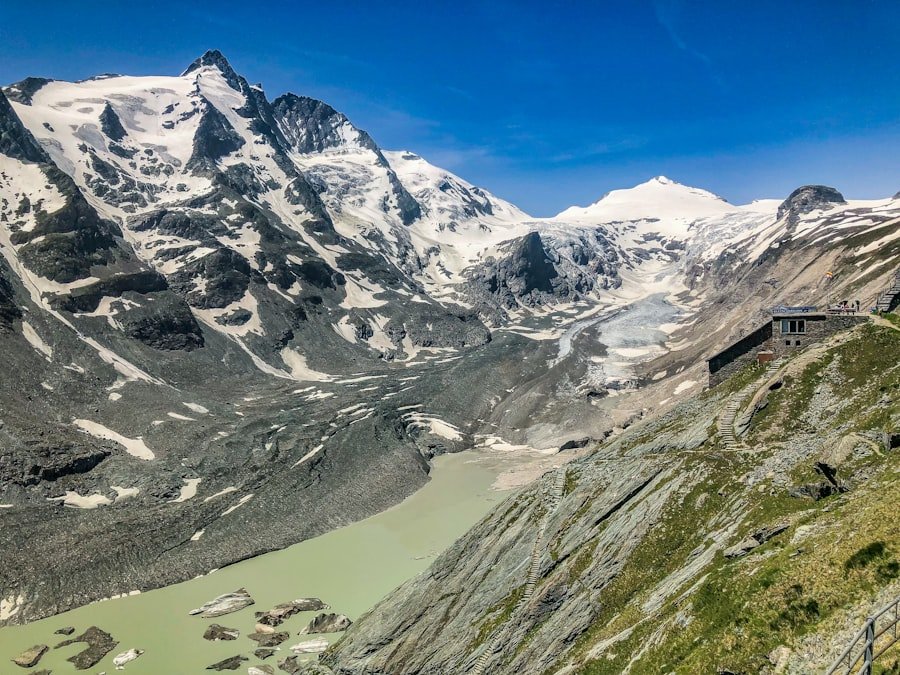
Summer and early autumn are the main hiking seasons in the Aletsch Arena. Snow, ice and rapidly changing alpine weather can affect trails well outside the valley’s warm-weather season.
For the 2026 summer season, the published Aletsch Arena timetable lists the main Moosfluh, Bettmerhorn and Eggishorn viewpoint lifts from June 6 through October 25, 2026. Operating periods can change, and individual facilities may close because of weather, maintenance or other conditions.
The feeder systems connecting the valley with Riederalp, Bettmeralp and Fiescheralp operate on broader schedules, with the main feeder connections described by Aletsch Arena as year-round transportation. Always check the current Aletsch Arena status report and lift timetable shortly before leaving.
Winter is a different experience. The region maintains dedicated winter walking routes, but summer hiking trails should not automatically be treated as winter routes. Snow cover, avalanche conditions and seasonal closures can make the summer itinerary unsuitable.
Pro Tip: Note the time of the final lift back to the valley before you begin hiking. Allow a generous margin rather than planning to arrive at the mountain station minutes before the last departure.
Accessibility for Visitors with Limited Mobility
Accessibility varies considerably between valley stations, lifts, viewpoints and hiking routes, so the entire Aletsch Glacier area should not be described simply as wheelchair-accessible.
Bettmeralp valley station is a particularly useful starting point. Its official parking listing identifies wheelchair-accessible parking, and the Bettmerhorn glacier viewpoint is described as barrier-free and is located approximately 200 metres from the mountain station.
Eggishorn is different. Although the cable-car system provides convenient mountain access, the official Aletsch Arena listing states that the Eggishorn viewpoint itself is not wheelchair-accessible and is not suitable for people with walking disabilities.
Aletsch Bahnen lists parts of its transport infrastructure as partially wheelchair-accessible. Visitors who use a wheelchair or have other mobility requirements should confirm the exact lifts, boarding arrangements and toilets they intend to use before traveling.
Food, Water and Practical Planning
Bring enough water for your planned hike, even when mountain restaurants are expected to be open. Seasonal businesses can close, and hours may change with operating conditions.
Fiesch has shops and services where you can buy supplies before taking the gondola. Fiescheralp has restaurants and accommodation, but the official resort information notes that it does not have a full grocery store, making Fiesch a better place for major food purchases.
Before leaving your accommodation, download or carry the route map, check the weather, confirm trail status and note the last lift. Mountain weather can change quickly, so carry a warm or waterproof layer even when conditions in the valley are comfortable.
The easiest transportation route is not always the easiest hiking route. Decide exactly where you want to hike before choosing between Fiesch, Bettmeralp valley station and Mörel.
Sources
- Aletsch Arena: Travel & Mobility — official access points, feeder lifts, parking, car-free resorts and glacier-access guidance.
- Aletsch Arena: Timetable & Season Times — current lift journey times and seasonal operating periods.
- Aletsch Arena: Fiescheralp–Märjela Glacier-Edge Hike — official route distance, duration, elevation and difficulty.
- Swiss Federal Railways (SBB) — current Swiss train, bus and public-transport connections.
- UNESCO World Heritage Centre: Swiss Alps Jungfrau-Aletsch — World Heritage status and significance of the Aletsch Glacier region.
- Aletsch Arena Current Status Report — live status of hiking trails and mountain facilities.
Frequently Asked Questions
What is the Aletsch Glacier trail?
The name is commonly used for hiking routes around the Great Aletsch Glacier rather than one single official trail. The Aletsch Arena includes routes from Fiescheralp, Bettmeralp, Riederalp, Eggishorn, Bettmerhorn and Moosfluh, ranging from easy walks to demanding alpine hikes.
How do I get to the Aletsch Glacier trail from Fiesch?
Take the train or drive to Fiesch, then use the gondola from the Fiesch public-transport hub to Fiescheralp. The ride takes about 10 minutes. From Fiescheralp, marked hiking routes lead toward Märjela, Märjelensee and the Aletsch Glacier edge.
Can I reach the Aletsch Glacier trail from Jungfraujoch?
Jungfraujoch overlooks the upper glacier region, but it is not the normal transport gateway to Aletsch Arena hiking routes such as Moosfluh or Fiescheralp. For those trails, travel through Valais to Fiesch, Bettmeralp valley station or Mörel and continue by the appropriate mountain lift.
Can I access the Aletsch Glacier from Bettmeralp?
Yes. Travel to Bettmeralp valley station and take the cable car to car-free Bettmeralp. From there you can hike on the plateau or continue by cable car to Bettmerhorn for a major glacier viewpoint.
Is the Aletsch Glacier trail suitable for beginners?
Some routes are suitable for less-experienced hikers, but others are not. The Fiescheralp–Riederalp plateau route is rated easy, while the Märjela glacier-edge loop is moderate and the Bettmerhorn–Eggishorn ridge is a demanding T4 alpine route. Always check the classification of the specific hike you plan to follow.
Can I walk onto the Aletsch Glacier without a guide?
No. You can hike on marked routes to viewpoints and areas near the glacier, but walking onto glacier ice involves serious hazards such as hidden crevasses. Aletsch Arena advises entering the glacier itself only with a mountain guide.
Is the Aletsch Glacier area wheelchair-accessible?
Accessibility depends on the location. Bettmeralp valley-station parking is wheelchair-accessible, and the Bettmerhorn viewpoint is a good reduced-mobility option. Eggishorn viewpoint, however, is officially listed as not wheelchair-accessible. Confirm individual lift and facility access before traveling.
What should I bring for an Aletsch Glacier hike?
Bring sturdy hiking footwear, water, food or snacks, sunscreen, sunglasses, weatherproof layers, a trail map or offline navigation and a charged phone. Check the route status, mountain weather and final lift departure before starting.