Renting ski equipment and booking lessons can make a St. Moritz ski trip much easier, especially if you are a beginner, are traveling with children, or do not want to transport your own skis and boots. The key is to match your equipment to your ability, reserve popular services early, and coordinate your rental pickup with your first lesson or lift plan.
Quick Answer
For a smooth St. Moritz ski trip, reserve rental equipment and lessons before busy travel dates, choose skis that match your ability, prioritize properly fitted boots, and confirm your lesson meeting point. Beginners usually benefit from easy-turning rental skis plus professional instruction, while experienced skiers can request more performance-focused equipment.
Key Takeaways
- Renting lets you choose equipment for your current skill level without transporting or storing your own ski setup.
- Boot fit matters as much as ski choice, so tell the rental staff immediately if you feel painful pressure points or excessive movement.
- The official St. Moritz site provides advance access to rental and snow-sports-school booking options.
- Professional lessons can help beginners learn basic control, stopping, turning, lift use, and slope etiquette in a structured setting.
- Private lessons offer more individual attention, while group lessons can be a more social option for skiers at a similar level.
- Stay on open terrain suited to your ability, follow piste signs and FIS conduct guidance, and treat off-piste skiing as a separate activity requiring avalanche knowledge and current conditions.
Why Renting Ski Equipment in St. Moritz Makes Sense
Buying skis, boots, poles, a helmet, and other equipment can be expensive, but purchase price is only one consideration. Owners also need to transport, store, maintain, and eventually replace their gear. If you ski only occasionally, are still learning what equipment you prefer, or are flying to Switzerland, rental can be the more convenient option.
Rental also gives you flexibility. A beginner may want forgiving skis that are easy to turn, while a stronger skier may prefer a stiffer or more performance-oriented setup. Conditions and personal preferences can change as well, so access to different equipment categories can be useful.
The official St. Moritz skiing and snowboarding page provides options for reserving rental equipment and finding snow-sports schools before arrival. Booking ahead can be particularly useful during busy holiday periods when lesson times and popular equipment sizes may be in greater demand.
Finding the Right Ski Rental for Your Skill Level
The best rental setup is not automatically the newest or most expensive one. It is the equipment that matches your ability, body measurements, preferred terrain, and goals for the day.
| Skill Level | What to Ask For | Main Priority |
|---|---|---|
| Beginner | Forgiving piste skis that are easy to turn, correctly fitted boots, poles if appropriate, and a helmet | Control and confidence |
| Intermediate | All-mountain or piste skis suited to your preferred speed and terrain | Progression without over-equipping |
| Advanced | Performance piste, all-mountain, freeride, or other specialist equipment appropriate to intended terrain | Terrain-specific performance |
| Children | Junior skis and boots fitted to the child’s current size and ability, plus a properly fitted helmet | Fit, comfort, and easy control |
Do not exaggerate your ability when booking. Equipment designed for an aggressive expert can make learning unnecessarily difficult for a novice, while an experienced skier may find entry-level equipment limiting at higher speeds.
Pay Special Attention to Ski-Boot Fit
Boots connect your movements to the skis, so poor fit can quickly ruin a ski day. Rental boots should feel secure without causing sharp pain, numbness, or severe pressure. Your heel should not lift dramatically when you flex forward.
Wear the type of ski socks you intend to use on the mountain when trying on boots. Thick layers of ordinary socks are not a reliable way to fix an oversized boot and may create more pressure or bunching.
Pro Tip: If something feels wrong during the first few runs, return to the rental shop rather than tolerating painful boots or equipment that feels unsuitable. Before booking, confirm the shop’s exchange policy so you know how adjustments are handled.
How to Book Ski Rental in St. Moritz
A little preparation makes equipment pickup faster and reduces the chance of ending up with the wrong setup.
- Choose your ski dates. Know how many days you need the equipment and whether you want to collect it the evening before your first ski day.
- Choose the correct ability category. Be realistic about whether you are a first-timer, beginner, intermediate, or advanced skier.
- Provide accurate measurements. Rental systems may request height, weight, shoe size, age, and skiing ability because these details help staff prepare appropriate equipment and binding settings.
- Decide what you need. Confirm whether the package includes skis, boots, and poles and whether a helmet is included or booked separately.
- Check the location. Pick a shop that works with your hotel, transport plan, ski area, and lesson meeting point.
- Review policies before paying. Check cancellation terms, equipment exchanges, late returns, storage, damage coverage, and what happens if you shorten or extend the rental.
- Allow time for fitting. Even with an online reservation, boots still need to feel right before you head onto the mountain.
Note: Rental inventory, packages, prices, opening hours, and booking rules vary by provider and season. Check the current provider page before paying rather than relying on an old price quoted in a travel article.
The Importance of Professional Ski Lessons
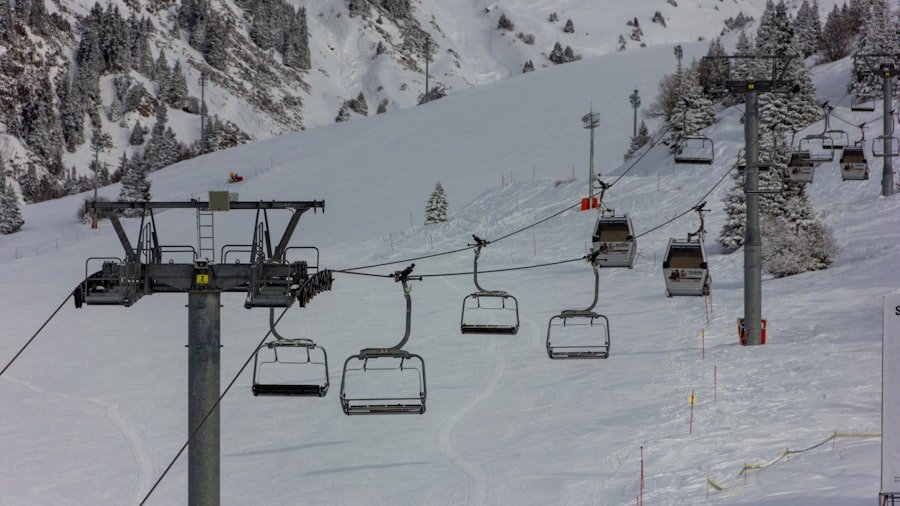
Skiing is exciting, but first-time skiers have several skills to learn at once: how to balance in ski boots, move on snow, control speed, stop, turn, use beginner lifts, and understand basic slope behavior. A professional lesson creates a structured environment for learning those skills.
Instead of relying entirely on trial and error, beginners receive immediate feedback on body position, balance, and turning. An instructor can also choose terrain that fits the student’s ability rather than allowing a new skier to progress onto a slope that is unnecessarily difficult.
Lessons are not only for beginners. Intermediate skiers may want help with parallel turns, carving, variable snow, or confidence on steeper pistes. Advanced skiers may use coaching to refine technique or work on a specific discipline.
The Swiss Ski School St. Moritz lists private ski instruction, children’s ski classes, snowboard instruction, cross-country skiing, and other snow-sports options. Other schools and instructors also operate in the region, so compare the format and teaching style that best match your needs.
Choosing the Right Ski Instructor
| Criteria | Importance | Considerations |
|---|---|---|
| Experience | High | Teaching background, qualifications, and experience with your ability level |
| Communication | High | Clear explanations, patience, and a language you understand well |
| Adaptability | High | Ability to adjust terrain, drills, and pacing to the student’s progress |
| Feedback | High | Specific, constructive feedback instead of vague encouragement |
| Personality | Medium | Compatibility with the student’s learning style and confidence level |
| Local knowledge | Medium | Familiarity with appropriate pistes, meeting points, lifts, and changing conditions |
When choosing an instructor in St. Moritz, focus on qualifications relevant to the local ski school, experience teaching your age and ability group, communication style, and language. The original recommendation to look specifically for U.S. PSIA certification is not a useful default for a Swiss resort.
Language can make a substantial difference when learning a physical skill. The official Swiss Ski School St. Moritz instructor directory includes English among its language filters. If English or another language is important to you, request it explicitly when booking instead of assuming the right instructor will automatically be assigned.
Group vs. Private Ski Lessons
Both formats can work well. The better choice depends on your budget, schedule, confidence, and learning goals.
| Lesson Type | Best For | Tradeoff |
|---|---|---|
| Group lesson | Beginners and learners who enjoy a social setting and are comfortable progressing with a group | Less individual instructor time |
| Private lesson | Specific goals, nervous beginners, families, experienced skiers, or people with limited time | Usually costs more than sharing instruction with a larger class |
A private lesson does not automatically make someone progress faster. The main advantage is that the instructor can devote more attention to your technique, terrain choice, pace, and questions. A well-matched group can also be highly effective.
Plan Your First Ski Day Carefully
One of the easiest ways to lose valuable slope time is to schedule equipment pickup, lift access, and a lesson too close together.
- Collect rental equipment early enough to deal with boot-fit changes.
- Confirm whether the lesson starts in town, at a lift station, or on the mountain.
- Ask the ski school how early you should arrive at the meeting point.
- Make sure everyone in the group has the required lift access before the lesson begins.
- Carry the booking confirmation and ski-school contact details.
- Check the day’s open lifts and pistes before heading up the mountain.
Do not assume that the rental shop and lesson meeting point are next to each other. This is especially important for families moving several pairs of skis and helping children with boots, gloves, helmets, and lift access.
Making the Most of Your Time on the Slopes
Before skiing, familiarize yourself with the mountain layout and identify pistes that suit your ability. A trail that looks convenient on a map may not be appropriate for a beginner, so use marked difficulty information rather than choosing a route solely because it appears to lead toward your destination.
For current operating information, check the official Engadin winter-sports report. Conditions, open facilities, lifts, pistes, and natural-ice facilities can change, so same-day information is more useful than relying on a static article.
Starting earlier can also make the day feel less rushed. It gives you time for equipment adjustments and allows you to take breaks before fatigue affects your technique.
Do not treat breaks as wasted ski time. Tired legs make it harder to maintain good balance and speed control. If your technique starts to deteriorate, a short rest may be more useful than forcing another run.
Tips for Enhancing Your St Moritz Experience
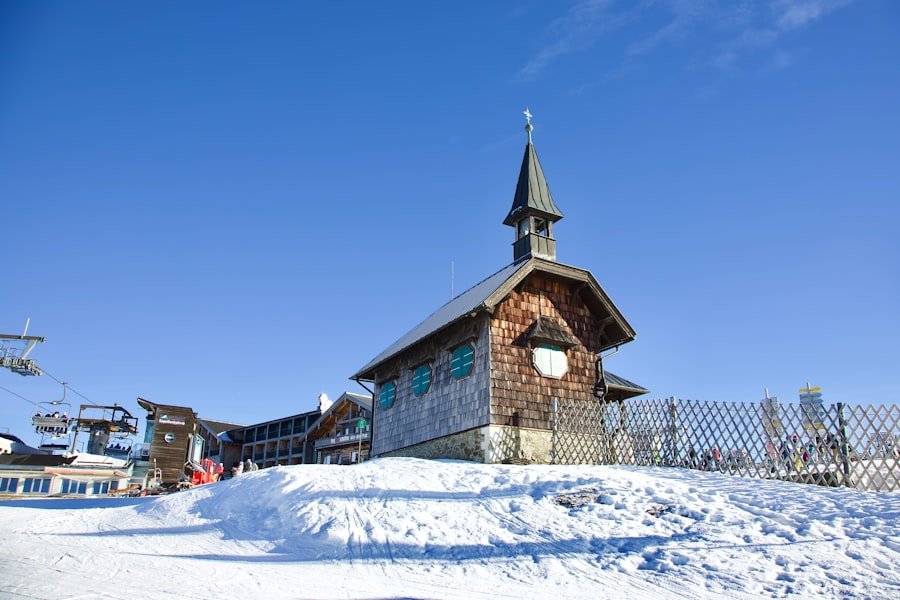
St. Moritz and the wider Engadin offer more than downhill skiing. Depending on current conditions and operating status, visitors can consider snowshoeing, winter walking, cross-country skiing, tobogganing, designated ice-skating facilities, or a horse-drawn carriage or sleigh experience.
If you plan to use a natural ice area, verify that the designated facility is officially open. A lake that looks frozen should never be treated as safe simply because there is ice on the surface.
Dining can also be part of the ski-day experience. Mountain and village restaurants range from casual stops to longer sit-down meals. If maximizing ski time is your priority, consider eating outside the busiest lunch period or choosing a meal location that does not require a long detour from your planned pistes.
If you are staying somewhere with kitchen facilities and enjoy preparing your own food, you can also try this homemade cottage cheese recipe for a simple meal or snack away from the slopes.
Safety Tips for Skiing in St Moritz
Warning: Do not enter closed pistes or treat off-piste terrain as an extension of the marked ski area. Leaving secured runs introduces hazards that can include avalanches and terrain risks. If you plan to ski away from secured pistes, use appropriate professional guidance, equipment, training, and the current Swiss avalanche bulletin.
Wear appropriate winter-sports clothing and a properly fitted snow-sports helmet. A helmet does not make reckless skiing safe, so speed and terrain should still match your ability and the conditions.
The International Ski and Snowboard Federation’s skier and snowboarder conduct resources reinforce core slope behavior such as skiing under control and respecting other slope users.
- Stay in control. Choose a speed that lets you turn or stop when necessary.
- Choose suitable terrain. Follow piste signs and do not attempt a run simply because other members of your group are comfortable on it.
- Watch downhill traffic. Skiers approaching from above must account for people below them.
- Stop in visible places. Avoid stopping where you cannot easily be seen from above.
- Follow signs and closures. Closed terrain is closed for a reason, even when the snow beyond the sign looks attractive.
- Keep children identifiable. Make sure children know the ski-school name or family meeting point in case the group becomes separated.
- Carry a charged phone. Keep key contact details accessible, but do not rely on a phone as a substitute for safe decision-making.
Off-Piste and Avalanche Safety
Off-piste skiing is a different risk category from skiing on secured pistes. Switzerland’s WSL Institute for Snow and Avalanche Research SLF publishes the official avalanche bulletin during winter. It contains avalanche-danger forecasts, affected aspects and elevations, snowpack information, and relevant warnings.
The bulletin cannot replace an on-site assessment or the knowledge required for backcountry travel. If you do not have the necessary avalanche education and experience, use a properly qualified guide rather than attempting unfamiliar off-piste terrain independently.
How to Continue Improving Your Skiing Skills
Improvement becomes easier when you give each ski day a specific objective. Instead of trying to “ski better” in general, choose one goal such as controlling speed more smoothly, completing parallel turns consistently, improving edge control, or becoming comfortable on a particular type of piste.
Additional lessons can be useful even after the beginner stage. An instructor can identify habits that are difficult to notice yourself and select drills that target a particular weakness.
When practicing without an instructor, spend part of the day on terrain where you are comfortable enough to focus on technique. Constantly skiing at the edge of your ability can make it difficult to work on precise movements.
Off-slope conditioning can also help. General leg strength, balance, mobility, and cardiovascular fitness can make long ski days less tiring. Training does not remove the need for technique, but arriving with a reasonable fitness base can make it easier to concentrate on learning rather than simply managing fatigue.
Renting equipment, choosing instruction that suits your goals, planning your first day carefully, and skiing within your ability can make St. Moritz more enjoyable whether you are clipping into skis for the first time or returning to improve existing skills.
Frequently Asked Questions
What types of ski rental equipment are available in St Moritz?
Rental providers commonly offer alpine skis, ski boots, poles, helmets, and equipment for different ability levels. Some providers also carry snowboards or specialist winter equipment. Exact inventory varies, so check the current provider’s booking page before reserving.
Are there options for children’s ski rental equipment in St Moritz?
Yes. Junior-sized skis and boots are available from St. Moritz rental providers. Give the child’s current measurements rather than relying on last season’s shoe or clothing size, and make sure the boots and helmet fit before leaving the shop.
What types of ski lessons are available in St Moritz?
Options include private ski lessons, children’s classes, and instruction in other snow-sports disciplines. Availability, group formats, age rules, lesson lengths, and meeting points vary by school and date, so confirm the exact product before booking.
Do I need to book ski rental equipment and lessons in advance in St Moritz?
Advance booking is a sensible choice when your dates are fixed, particularly around popular holiday periods. The official St. Moritz site provides advance access to rental and snow-sports-school booking options. Booking ahead also gives you more time to coordinate equipment pickup with your lesson.
What should I consider when choosing a ski rental shop in St Moritz?
Consider location, equipment categories, boot-fitting help, exchange policies, cancellation terms, damage coverage, storage options, opening hours, and how easy it is to reach your lesson meeting point or preferred lift.
Are there English-speaking ski instructors available in St Moritz?
Yes. English is listed among instructor languages by Swiss Ski School St. Moritz. If language is important to your lesson, specify English when booking so the school can match you with an appropriate instructor.
What ski equipment should a beginner rent?
A beginner should ask for forgiving skis designed for easy turning and control, correctly fitted ski boots, appropriate poles if needed, and a properly fitted helmet. Tell the rental staff that you are a beginner rather than choosing equipment based on appearance or performance category.
Should I choose a private or group ski lesson?
Choose a private lesson if you want individual feedback, have a specific goal, feel nervous, or have limited time. A group lesson can work well if you enjoy learning socially and are comfortable progressing with skiers at a similar level.
Are rental equipment and lift access included with a ski lesson?
Do not assume they are included. Lesson products, rental packages, and lift access can be sold separately. Read the booking terms and ask the ski school exactly what is included before paying so that you arrive with everything required for the lesson.
Sources
- St. Moritz: Skiing & Snowboarding — official rental, ski-school, and beginner-planning information.
- Swiss Ski School St. Moritz — lesson types and official ski-school information.
- Swiss Ski School St. Moritz Instructor Team — instructor disciplines and language options.
- Engadin Winter Sports Report — current facilities, slopes, lifts, and winter operating information.
- International Ski and Snowboard Federation — FIS Code of Conduct for Skiers and Snowboarders.
- WSL Institute for Snow and Avalanche Research SLF — official Swiss avalanche bulletin and off-piste safety information.