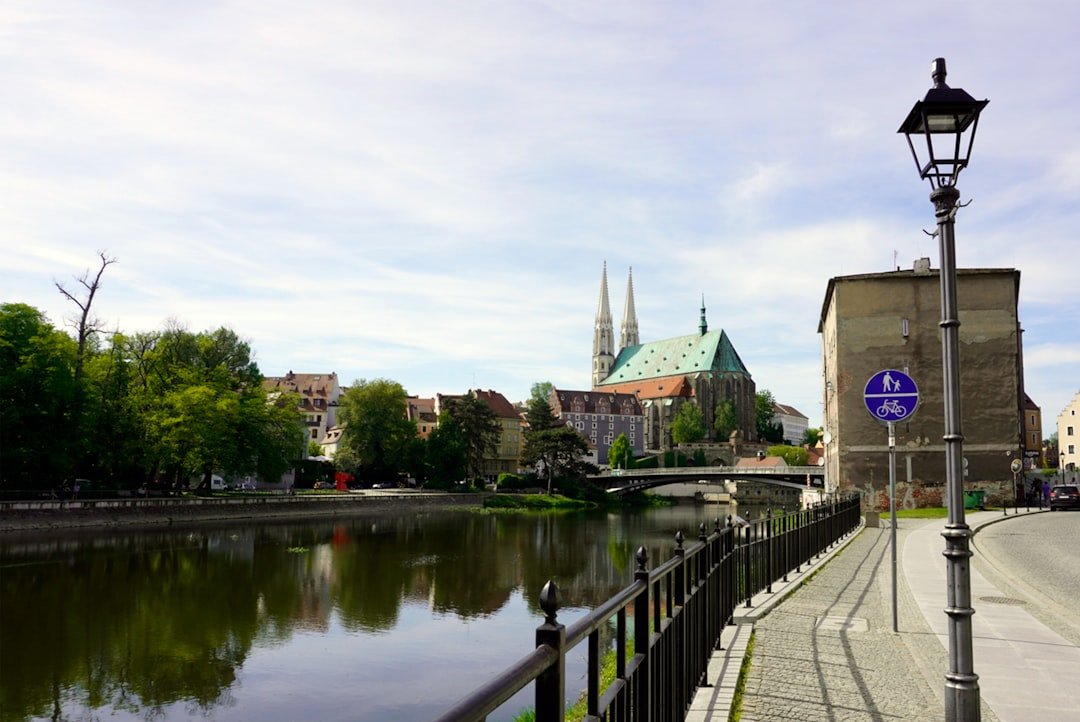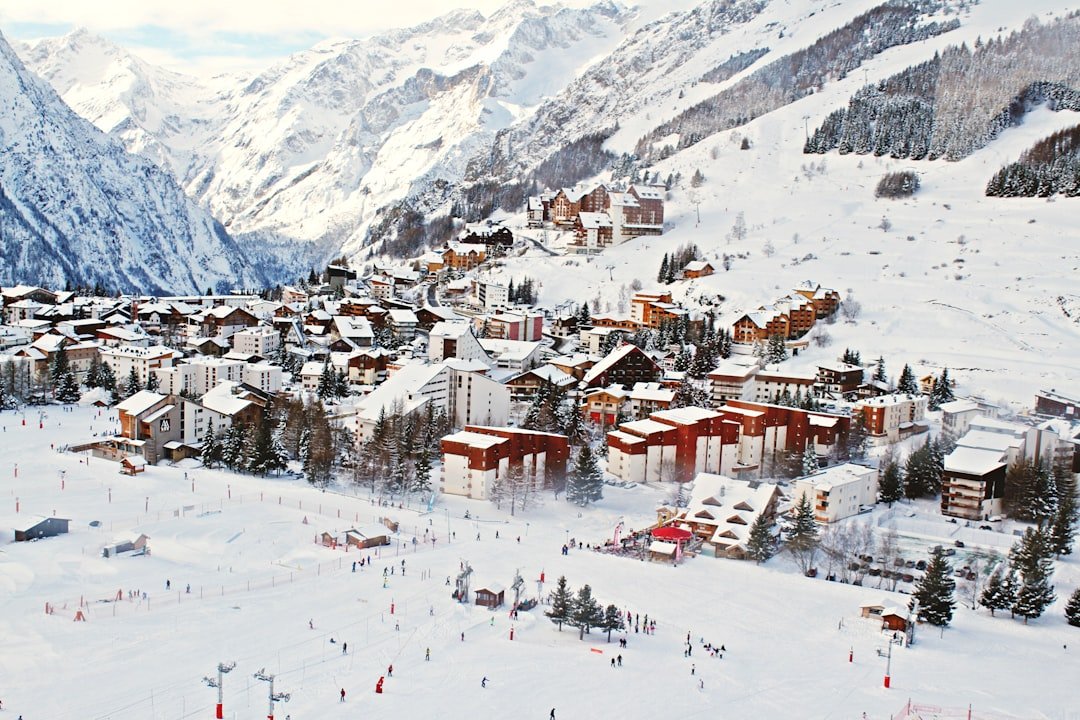
Davos Klosters is a strong choice for intermediate skiers because it lets you progress at your own pace: wide cruising pistes on Parsenn, livelier red-run terrain on Jakobshorn, quieter blue-and-red skiing on Rinerhorn, family-friendly laps on Madrisa, and relaxed natural-snow turns on Schatzalp-Strela. The key is choosing the right ski area for your confidence level, not simply chasing the steepest run.
Quick Answer
The best intermediate ski runs in Davos Klosters are mainly found on Parsenn, especially around the wide Gotschnagrat and Weissfluhjoch sectors. Confident intermediates should also try Jakobshorn, while Rinerhorn, Madrisa, and Schatzalp-Strela are better for quieter, gentler, or family-focused skiing.
Key Takeaways
- Parsenn is the best all-round area for intermediates because it has long, wide pistes and easy access from both Davos and Klosters.
- Jakobshorn suits confident intermediates who enjoy livelier slopes, freestyle energy, and après-ski atmosphere.
- Rinerhorn and Madrisa are better choices for families, returning skiers, and anyone who wants a calmer blue-to-red progression day.
- Schatzalp-Strela is best for relaxed natural-snow cruising when conditions are good.
- Pischa is freeride-focused and is not the best choice for standard intermediate piste skiers unless they have the right skills, equipment, and local guidance.
Overview of Intermediate Skiing in Davos Klosters
Davos Klosters is not one single mountain. It is a group of ski areas with different personalities, including Parsenn, Jakobshorn, Rinerhorn, Madrisa, Schatzalp-Strela, and Pischa. Davos Klosters Tourism describes the destination as having six ski areas, around 300 kilometers of slopes, and 57 transport systems, while Davos Klosters Mountains lists 255 kilometers of groomed slopes, 82 secured runs, and five mountain-operated ski resorts. For skiers, the practical takeaway is simple: there is enough variety for several days of intermediate skiing.
It is also important to understand the local piste colors. In Davos Klosters, blue means easy, red means medium, black means difficult, and black/yellow marks freeride terrain. Most intermediate skiers will spend the best part of their trip on blue and red pistes, with cautious skiers favoring blue runs and confident intermediates gradually adding selected red runs.
Note: “Intermediate” does not mean the same thing everywhere. In Davos Klosters, a comfortable intermediate should be able to control speed, link turns, stop safely, and adapt to changing snow, visibility, and traffic on blue and easier red pistes.
Best Intermediate Ski Areas and Runs in Davos Klosters
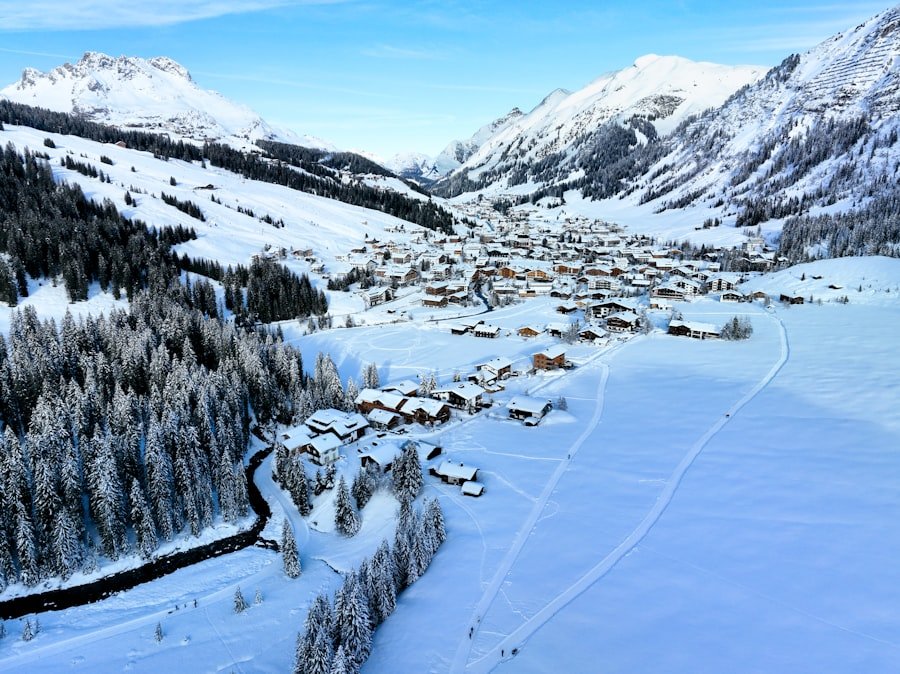
The best intermediate skiing in Davos Klosters is better planned by area than by a single named piste. Conditions, lift openings, and grooming can change daily, so use the official live map before setting out and then choose the sector that fits your confidence level.
| Area | Best For | Intermediate Tip |
| Parsenn / Gotschnagrat | Best all-round intermediate day | Start here for wide pistes, long descents, and easy access from Davos or Klosters. |
| Jakobshorn | Confident intermediates | Choose it when you want a livelier mountain with blue-to-black variety and freestyle energy. |
| Rinerhorn | Quieter blue-and-red progression | Good for building confidence away from the busiest central slopes. |
| Madrisa | Families and relaxed skiers | Useful for mixed-ability groups and skiers who prefer a softer pace. |
| Schatzalp-Strela | Gentle natural-snow cruising | Best when natural snow coverage is good and you want easy, scenic laps. |
| Pischa | Freeride-focused skiers | Skip it for normal piste cruising unless you are prepared for ungroomed terrain. |
Parsenn and Gotschnagrat: Best Overall for Intermediates
Parsenn is the classic choice for intermediate skiers in Davos Klosters. The official destination page describes Parsenn as the largest and most traditional ski area in the region, with wide slopes and around 97 kilometers of pistes. It is reachable from Davos by the Parsennbahn and from Klosters by the Gotschnabahn, which makes it especially convenient for skiers staying in either village.
The Gotschnagrat side of Parsenn is a smart place to build confidence because many pistes feel broad and open. This gives you room to practice rhythm, carving, and speed control without feeling squeezed into a narrow track. Strong intermediates can also explore longer descents from the Weissfluhjoch area, checking the piste map first so they avoid terrain that is steeper than they want.
Jakobshorn: Best for Confident Intermediates
Jakobshorn has a different feel from Parsenn. It is more energetic, with freestyle culture, mountain restaurants, and a stronger après-ski mood. The official Jakobshorn page lists 55 kilometers of slopes from blue to black, which makes it a good step up for confident intermediates who are ready for a little more variety.
Choose Jakobshorn when your turns are controlled and you are comfortable adapting to changing traffic and pitch. If you are still nervous on red pistes, start on Parsenn or Rinerhorn first, then use Jakobshorn later in the trip once your ski legs are warmed up.
Rinerhorn: Best Quiet Progression Day
Rinerhorn is one of the most useful areas for intermediates who want space and a calmer pace. The official Rinerhorn page describes 49 kilometers of groomed slopes and says the area is predominantly blue and red. That makes it a good choice for skiers who want to move from easy cruising into more sustained red-run skiing without the pressure of the busiest central slopes.
It is also a good area for families and mixed-ability groups. Stronger skiers can enjoy wider carving turns, while cautious intermediates can repeat familiar pistes until their confidence improves.
Madrisa: Best for Families and Returning Intermediates
Madrisa, above Klosters, is especially helpful for families and skiers returning after a break. The official Madrisa page lists 23 kilometers of slopes and highlights children’s practice areas, accessible facilities, and a family-friendly setup. It is not the biggest intermediate playground in the region, but it can be one of the easiest places to relax, rebuild confidence, and ski with a mixed group.
Pick Madrisa if your priority is a lower-pressure day rather than covering the most kilometers. It is also a sensible choice when some people in your group are beginners and others are comfortable intermediates.
Schatzalp-Strela: Best for Relaxed Natural-Snow Cruising
Schatzalp-Strela is the slow-down option. The official Schatzalp page describes wide, gently sloping pistes, natural snow, and quick funicular access from Davos Platz. This area is best for skiers who want scenic, gentle laps rather than a high-mileage piste day.
Because Schatzalp-Strela relies on natural snow, check conditions before making it your main ski plan. When coverage is good, it can be a lovely choice for easy intermediate turns and a quieter alpine atmosphere.
Pischa: Best Avoided by Standard Intermediate Piste Skiers
Pischa is often mentioned as part of the Davos Klosters winter offering, but it is not a normal groomed-piste intermediate area. Davos Klosters Mountains describes Pischa as a freeride mountain with no groomed slopes. That makes it appealing for prepared freeriders, but it is not the right place for a standard intermediate skier looking for marked, groomed blue and red pistes.
Warning: Do not treat ungroomed or black/yellow freeride terrain like a normal piste. Only enter freeride terrain with the right equipment, avalanche knowledge, current local information, and guidance if you are not experienced.
A Simple One-Day Intermediate Route
If you only have one ski day in Davos Klosters, make Parsenn your default plan. It offers the easiest mix of access, variety, long pistes, and intermediate-friendly terrain.
- Morning: Start on Parsenn and warm up on comfortable blue pistes before moving toward broader red options.
- Late morning: Ski the Gotschnagrat sector if conditions and visibility are good. Focus on smooth linked turns rather than speed.
- Lunch: Stop at a mountain restaurant before fatigue affects your technique.
- Afternoon: Repeat your favorite pistes or step up to an easier red run. Avoid making your hardest run the last run of the day.
- Alternative: If Parsenn is crowded or visibility is poor, choose Rinerhorn for a quieter blue-and-red progression day.
Pro Tip: Plan your route around confidence, not distance. A smooth day on blue and easier red pistes is better than forcing a steep run that leaves you tense and tired.
Tips for Intermediate Skiers in Davos Klosters
Intermediate skiers often improve fastest when they choose terrain that is just challenging enough. In Davos Klosters, that usually means starting with wide blue pistes, adding selected red pistes, and saving steeper or busier terrain for later in the day or later in the trip.
| Tip | Why It Helps |
|---|---|
| Take a lesson early | A short technique session can improve balance, edging, and confidence before you explore larger areas. |
| Use the live piste map | Open lifts, closed slopes, wind, and visibility can change your best route for the day. |
| Warm up on blue pistes | Your first runs should help you find rhythm, not test your limits. |
| Add red runs gradually | Red pistes can vary a lot. Try easier reds first and repeat them before moving on. |
| Watch your speed | Intermediates improve faster when they stay in control and finish turns cleanly. |
| Take breaks before fatigue | Tired legs make it harder to edge, steer, and stop safely. |
For most intermediate skiers, the best progression is simple: ski smoothly, repeat good runs, and only move to steeper terrain when your turns feel controlled rather than rushed.
Safety Precautions for Intermediate Skiers
Safety matters even on marked pistes. Wear a helmet, use goggles suited to the light, dress in layers, and carry a charged phone. Before skiing, check the official Davos Klosters live slope and lift information, especially after snowfall, wind, or warm weather.
Follow the FIS Code of Conduct for Skiers and Snowboarders: stay in control, adapt your speed to conditions, give space when overtaking, look uphill and downhill before starting, and respect signs and markings. These rules are especially important on busy blue and red pistes, where skiers of different speeds often share the same slope.
If you plan to ski ungroomed terrain or routes near freeride zones, check the official SLF avalanche bulletin. In winter, the SLF bulletin provides current avalanche-danger forecasts for the Swiss Alps and is updated twice daily.
Warning: A marked blue or red piste is very different from ungroomed freeride terrain. If you are unsure whether a route is groomed, open, or appropriate for your level, ask a lift operator, instructor, or local guide before skiing it.
Après-Ski Activities for Intermediate Skiers
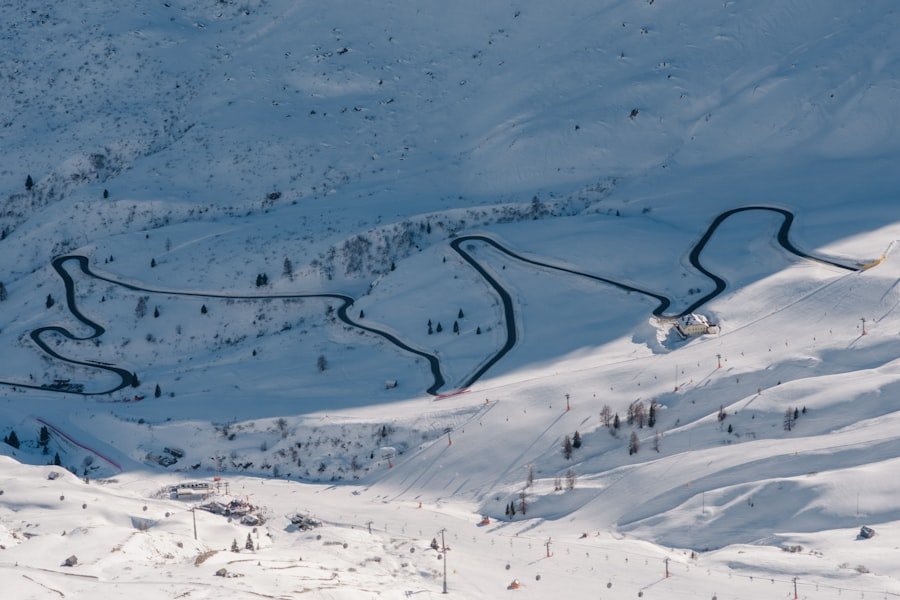
After a day on the slopes, Davos Klosters offers plenty of ways to wind down. For a lively mountain atmosphere, Jakobshorn is known for après-ski energy, while Davos Dorf and Davos Platz have bars, lounges, restaurants, and clubs within easy reach. The official Davos Klosters nightlife guide highlights options ranging from sunny terraces and snow bars to valley venues such as Bolgen Plaza.
If you want a quieter evening, choose a mountain restaurant, a hotel lounge, or a relaxed dinner instead of a late-night bar. Intermediate skiers often underestimate how tiring a full ski day can be, so the best après-ski plan is one that leaves you rested enough for the next morning.
Equipment Rental and Ski Schools in Davos Klosters
You do not need to bring your own skis to enjoy Davos Klosters. The official rental equipment guide notes that local sports shops rent skis, boots, poles, helmets, and other winter gear, with many shops also offering ski servicing and online reservation options.
For intermediate skiers, a good rental setup can make a noticeable difference. Tell the shop your ability level honestly, where you plan to ski, and whether you prefer easy turning or more stability at speed. A ski that is too aggressive can make red pistes feel harder than they need to be.
Ski schools are also worthwhile for intermediates. A private lesson or small-group session can help with carving, parallel turns, speed control, mogul avoidance, and confidence on red pistes. Even one focused lesson at the start of a trip can make the rest of the week smoother.
What to Check Before You Ski
Before heading out each morning, check four things: open lifts, open pistes, weather, and avalanche information if you might go near ungroomed terrain. The best intermediate area can change from day to day. Parsenn may be ideal in clear weather, Rinerhorn may feel better on a busy day, and Schatzalp-Strela may depend heavily on natural-snow coverage.
- For piste status: use the official Davos Klosters live slope and lift information.
- For route choice: pick blue and red pistes that match your current energy and visibility.
- For safety: follow posted signs and closures, even if a run looks skiable.
- For freeride decisions: check the SLF avalanche bulletin and use local expertise.
Conclusion and Final Thoughts on Intermediate Skiing in Davos Klosters
Davos Klosters is one of the most flexible Swiss destinations for intermediate skiers because it gives you several different ways to enjoy the same trip. Choose Parsenn for the best all-round intermediate terrain, Jakobshorn for a livelier and more confident ski day, Rinerhorn for quieter blue-and-red progression, Madrisa for family-friendly laps, and Schatzalp-Strela for relaxed natural-snow cruising when conditions are right.
The best plan is not to ski every area at once. Start with terrain that feels comfortable, check the live piste information each morning, and build gradually toward more challenging red runs. With the right route, equipment, and safety awareness, Davos Klosters can be both exciting and forgiving for intermediate skiers.
Frequently Asked Questions
What are the best ski runs for intermediates in Davos Klosters?
Parsenn is the best overall choice for intermediate skiers, especially the wider sectors around Gotschnagrat and Weissfluhjoch. Jakobshorn is good for confident intermediates, while Rinerhorn, Madrisa, and Schatzalp-Strela work well for quieter or more relaxed skiing.
What is the difficulty level of intermediate runs in Davos Klosters?
Intermediate skiers should mainly look for blue and red pistes. In Davos Klosters, blue means easy, red means medium, black means difficult, and black/yellow indicates freeride terrain. Cautious intermediates should begin on blue pistes and add red runs gradually.
Is Parsenn or Jakobshorn better for intermediate skiers?
Parsenn is usually better for most intermediate skiers because it has long, wide pistes and convenient access from both Davos and Klosters. Jakobshorn is better for confident intermediates who want a livelier mountain, freestyle atmosphere, and more energetic après-ski scene.
Are ski schools available for intermediate skiers in Davos Klosters?
Yes. Davos Klosters has ski schools and instructors who can help intermediate skiers improve carving, parallel turns, speed control, confidence on red pistes, and route choice. A lesson early in the trip is often the fastest way to improve.
Can intermediate skiers use Pischa?
Pischa is not the best choice for normal intermediate piste skiing because it is freeride-focused and does not offer the same groomed-piste setup as Parsenn, Jakobshorn, Rinerhorn, Madrisa, or Schatzalp-Strela. Only consider it if you are prepared for ungroomed terrain.
What should intermediate skiers check before heading out?
Check the live lift and piste status, weather, visibility, and the SLF avalanche bulletin if you may go near ungroomed or freeride terrain. Also choose runs based on your current energy level, not just your ability on a good day.
Sources
- Davos Klosters Tourism: Ski & Snowboard — supports the six-area overview, 300 km slope figure, and transport-system context.
- Davos Klosters Mountains: Skiing and Snowboarding — supports groomed-slope, secured-run, piste-color, and Pischa freeride details.
- Davos Klosters Tourism: Parsenn — supports Parsenn’s wide pistes, access points, and around 97 km of slopes.
- Davos Klosters Tourism: Rinerhorn — supports Rinerhorn’s 49 km of groomed slopes and blue/red progression suitability.
- SLF Avalanche Bulletin — supports avalanche-check guidance for Swiss winter mountain travel.
- FIS Code of Conduct for Skiers and Snowboarders — supports piste-safety and skier-responsibility guidance.