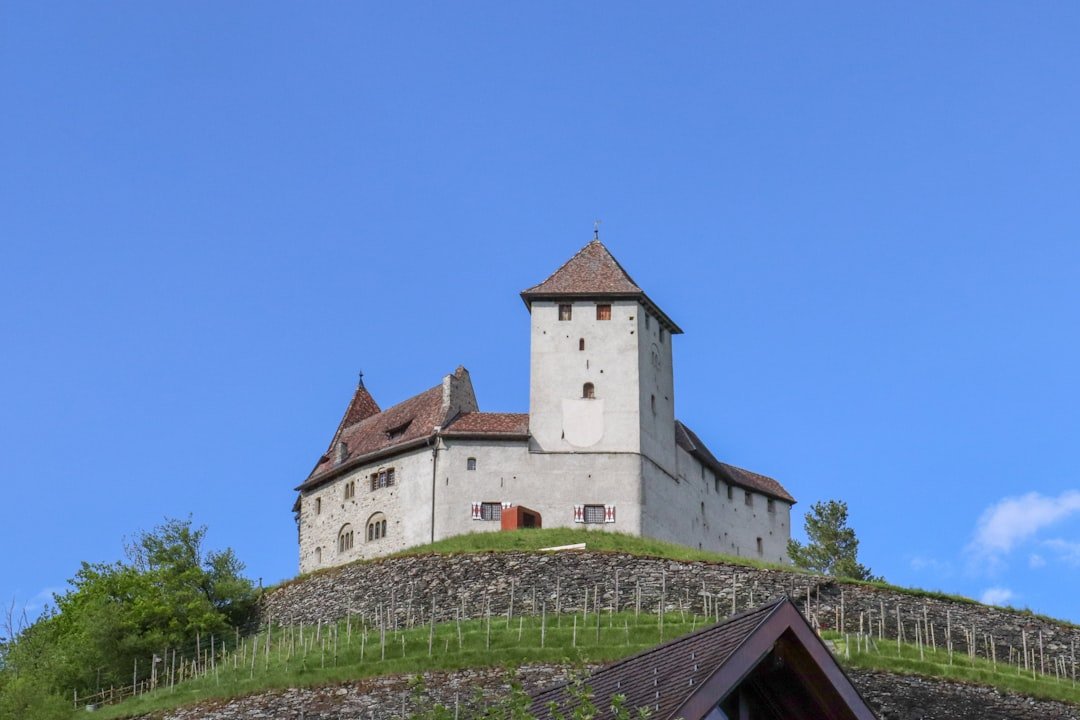
Chillon Castle sits on a rocky island beside Lake Geneva in Veytaux, just outside Montreux, and a little planning makes the visit much easier. Before you go, check the seasonal opening hours, choose your transport, allow enough time for the historic rooms and underground prison, and understand the castle’s accessibility limits.
Quick Answer
Allow about 1 to 2 hours to visit Chillon Castle. Public transport is usually the easiest option, with bus 201 stopping directly outside and Veytaux-Chillon station a short walk away. Check the seasonal closing and last-entry times before traveling, especially between November and February.
Key Takeaways
- Plan for about 1 to 2 hours inside Chillon Castle, with extra time if you want to walk along Lake Geneva or eat nearby.
- Opening hours change by season, and the last admission is one hour before closing.
- Bus 201 stops in front of the castle, while Veytaux-Chillon railway station is about a six-minute walk away.
- Parking near the castle is limited, so public transport is often the more convenient choice.
- The medieval structure has many stairs, narrow passages, and cobbled surfaces, so much of the visitor route is not wheelchair accessible.
- Do not miss the underground rooms and prison, great halls, chapel, Camera Domini, courtyards, and the keep.
Getting to Chillon Castle
Chillon Castle is at Avenue de Chillon 21, 1820 Veytaux, between Montreux and Villeneuve. You can reach it by train, bus, boat, car, bicycle, or on foot. The official Chillon Castle visitor page is the best place to check for temporary transport disruptions before your visit.
By Train
S5 regional trains currently serve Veytaux-Chillon station. The castle states that the station is about a six-minute walk from the entrance. Check the current railway timetable before traveling because train schedules can change.
By Bus
VMCV bus 201 runs from Vevey, Montreux, and Villeneuve. The Chillon stop is directly in front of the castle, making the bus one of the simplest options for visitors staying in the Montreux Riviera area.
By Boat
During the main cruising season, boats operate to Chillon from locations including Lausanne, Vevey, Montreux, and Villeneuve. The Chillon landing stage is about 100 metres from the castle. Check the current CGN timetable if you want to combine your castle visit with a Lake Geneva cruise.
By Car and Parking
If you are driving, use the A9 motorway and follow the Montreux or Villeneuve exit toward Chillon. The castle is approximately 4 km from Montreux and 2 km from Villeneuve.
Warning: Parking beside Chillon Castle is limited. Parking spaces along the main road are restricted to three hours and require the appropriate parking permit. Public transport is recommended during busy periods.
Additional parking is available in Villeneuve if the spaces near the castle are full. Do not leave valuables visible inside your vehicle.
Walking and Cycling
The lakeside path is a scenic way to reach Chillon. The castle estimates approximately 45 minutes on foot from Montreux, a distance of about 4 km, or around 20 minutes from Villeneuve, about 2 km away.
Cyclists can use the route along the Cantonal Road. Bike parking and an e-bike charging station are available near the castle entrance. Cyclists and scooter users must dismount at the entrance for pedestrian safety.
Admission and Hours of Operation
Chillon Castle is open throughout most of the year, but its hours change by season. The current schedule published by the castle is:
| Period | Opening Hours | Last Admission |
|---|---|---|
| April to September | 9:00 am to 7:00 pm | 6:00 pm |
| March and October | 9:30 am to 6:00 pm | 5:00 pm |
| November to February | 10:00 am to 5:00 pm | 4:00 pm |
The castle is closed on December 25 and January 1. Special events can sometimes affect normal admission arrangements, so check the official opening-hours page shortly before traveling.
Current Chillon Castle Ticket Prices
| Ticket | Current Price |
|---|---|
| Adult, age 16+ | CHF 15.00 |
| Child, age 6-15 | CHF 7.00 |
| Reduced rate | CHF 12.50 |
| Family, 2 adults + 1-5 children age 6-15 | CHF 35.00 |
Reduced rates and partner offers are available for some visitors. Ticket prices can also differ during special events, so confirm current rates before your visit.
Pro Tip: Give yourself at least 1 to 2 hours for the castle itself. Arriving earlier in the day gives you more flexibility for the underground rooms, towers, photographs, lakeside walk, and Café Byron.
Guided Tours and Audio Guides
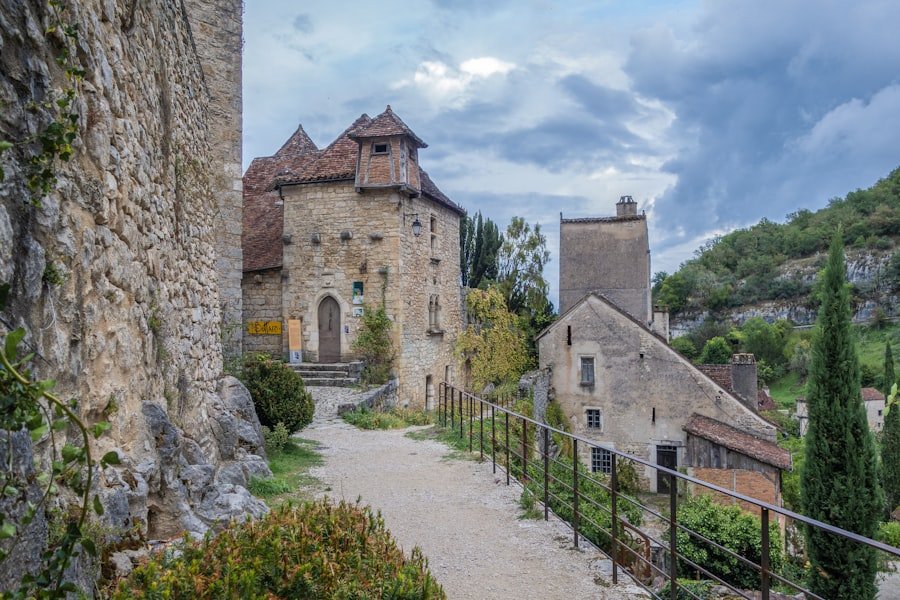
You can explore Chillon Castle independently or book an official guided visit. For a self-guided visit, the ticket office provides a free explanatory brochure in numerous languages. The visitor route covers 36 rooms and lets you move at your own pace.
Audioguide
The castle’s rental audioguide currently costs CHF 6 in addition to admission. It is available in English, French, German, Spanish, Italian, Russian, Japanese, Chinese, and Korean. A valid form of identification is required to borrow one, and audioguides are issued only until two hours before closing.
Chillon Mobile App
A Chillon audioguide app is also available for CHF 3. The castle says a family of up to six people can share it. Because some app content uses video, a reliable internet connection is useful inside the monument.
Official Guided Tours
The standard official guided tour focuses on major areas such as the cellar, prison, great halls, Bernese Chamber, Camera Domini, chapel, and sentry walks. The current standard tour lasts about 50 minutes, costs CHF 110 per group plus admission, and allows up to 40 people. The last standard tour begins 1.5 hours before closing.
Guided visits are offered in several languages. Other formats, including costumed and wine-focused tours, may also be available. Check the official guided-tour page for current options and booking requirements.
Must-See Highlights and Points of Interest
Chillon is much more than a picturesque exterior. Its rooms show how the site functioned as a fortress, aristocratic residence, administrative centre, arsenal, and prison across different periods of its history.
| Chillon Highlight | Why It Is Worth Seeing |
|---|---|
| Underground Rooms and Prison | Gothic vaulted spaces built against the castle’s rock, closely associated with prisoner François Bonivard and Lord Byron’s The Prisoner of Chillon. |
| Four Courtyards | The courtyards reveal how different parts of the fortress were organized for service, residence, ceremony, and defence. |
| Great Halls | Historic reception and banquet rooms with large windows overlooking Lake Geneva. |
| Camera Domini | The lord’s bedroom contains surviving 14th-century murals and reflects the residential side of the castle. |
| Saint George’s Chapel | The private chapel of the counts and dukes of Savoy preserves important medieval wall paintings. |
| Keep | The central defensive tower rises to roughly 25 metres and its upper level provides wide views over the castle and surrounding landscape. |
The Underground Prison and François Bonivard
The underground rooms are among Chillon’s most memorable spaces. They combine exposed rock with Gothic vaulting and later served as a prison. François Bonivard, a Genevan prior opposed to Savoy control, was imprisoned at Chillon in the 16th century. Lord Byron later drew on Bonivard’s story for his 1816 poem The Prisoner of Chillon, helping make the castle internationally famous.
You can find additional room-by-room information on the official Chillon Castle highlights page.
Dining and Refreshments
Café Byron stands directly in front of Chillon Castle and serves regional and seasonal food. It is useful if you want a meal or drink before or after exploring the monument.
A smaller snack bar is located in the Savoy Garden and operates when weather conditions permit. The castle also states that benches are available for picnics and packed lunches in the gardens and on the nearby beach.
If you prefer to bring your own food, choose something easy to carry and eat outdoors. For a homemade picnic option, this article on making delicious homemade cottage cheese may provide an additional idea for your picnic basket.
Note: Restaurant, snack-bar, and seasonal opening arrangements can differ from the castle’s admission hours. Check current information if eating on site is an important part of your plans.
Accessibility for Visitors with Disabilities
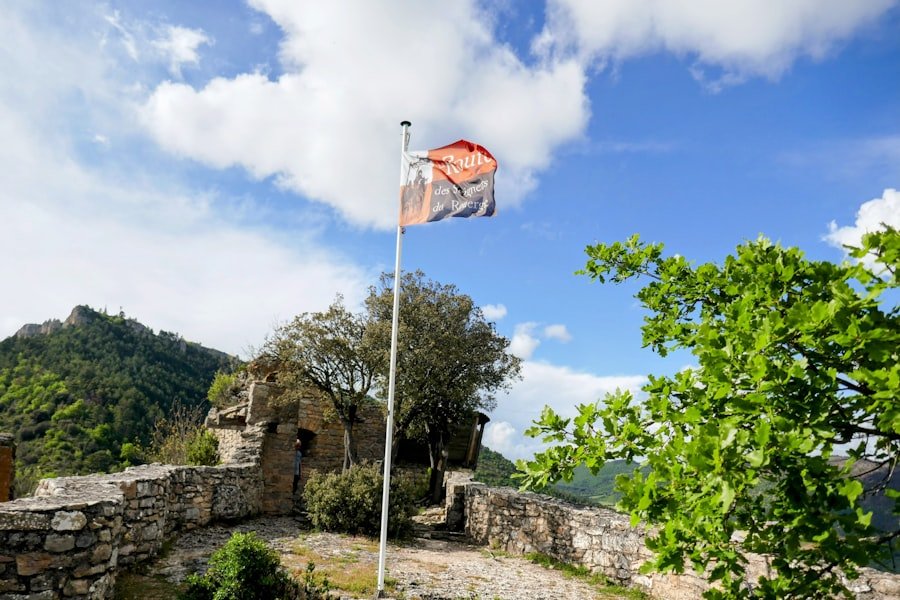
Chillon Castle is a protected medieval monument, so accessibility is more limited than at a modern museum. The castle states that the main route is not easily accessible for wheelchair or walker users because of narrow passages, numerous stairs, and uneven or cobbled surfaces.
Wheelchair or walker access is possible in the cobbled courtyards, cafeteria with adapted toilets, Bazaar, and Café Byron. Visitors with reduced mobility may be dropped off by car at the drawbridge before the vehicle is moved to the designated roadside parking area.
Two audiovisual terminals in the cafeteria provide a virtual exploration of the castle through eight themed mini-films. This can help visitors who cannot physically access the upper rooms and stair-heavy areas.
Warning: Cobbled courtyard surfaces may become slippery when wet. Visitors with mobility concerns should review the castle’s current accessibility information before arriving.
Strollers, Babies, and Young Children
Prams, pushchairs, and strollers cannot be used on the castle visitor route. They must be left in the unattended cloakroom area in the cafeteria. The castle recommends using a baby carrier instead. Baby-changing facilities are available in the toilets in the second courtyard.
Children under 16 must be accompanied and supervised by an adult.
Assistance Dogs and Other Pets
Ordinary pets are not permitted inside the castle grounds. Assistance dogs are permitted when the castle’s documentation and harness requirements are met. Open kennels are available near the Bazaar for other dogs.
Practical Tips Before You Enter
Lockers and Luggage
Small bags can be placed in available lockers, while larger belongings may be left on unattended storage racks. Because storage availability is limited, avoid bringing large luggage when possible.
Photography and Drones
Personal photography is allowed throughout the castle. Selfie sticks are not permitted inside, and drones cannot be flown over the Chillon Castle grounds.
What to Wear
Wear comfortable footwear with good grip. The route includes stone floors, stairs, and uneven historic surfaces. Visitors in swimwear, without a shirt, or barefoot can be refused admission, so change before entering if you have been swimming nearby.
Beach and Swimming
A beach lies west of the castle and has toilets and a shower. There is no lifeguard on duty, and the castle warns that strong currents can occur near the monument.
Warning: Swimming near Chillon is at your own risk. Follow posted local safety advice and be especially careful of currents close to the castle.
Souvenirs and Gift Shops
Chillon has a shop inside the castle with books, toys, castle souvenirs, wine, and other gifts. It operates during castle opening hours except on the castle’s annual closure dates.
The listed Bazaar outside the castle offers additional products such as wooden toys, chocolate, mugs, jewellery, postcards, medieval-themed items, and regional food products. The Bazaar normally operates from April through October.
Visitors interested in Chillon’s wine can also look for Clos de Chillon, which is connected with the castle’s long winemaking history.
Nearby Attractions and Additional Activities
Chillon Castle is easy to combine with other activities around the Montreux Riviera. Directly opposite the castle is Fort de Chillon, a former military fortification built into the rock. The site dates from the Second World War era and now operates as an interactive museum.
Montreux is approximately 4 km away and can be reached by bus or along the lakeside walking route. Its waterfront makes a natural addition to a Chillon day trip. Villeneuve is approximately 2 km in the opposite direction and is another convenient stop for restaurants, lakeside walks, and transport connections.
If you have more time, explore the wider Montreux Riviera for Lake Geneva cruises, viewpoints, vineyards, museums, and mountain excursions.
The best Chillon Castle visit combines the historic rooms with time outside: the lake, Alpine views, waterfront path, and nearby Montreux Riviera are an important part of the experience.
Frequently Asked Questions
What are the opening hours of Chillon Castle?
From April through September, Chillon Castle is open from 9:00 am to 7:00 pm, with last admission at 6:00 pm. In March and October, it is open from 9:30 am to 6:00 pm, with last admission at 5:00 pm. From November through February, it is open from 10:00 am to 5:00 pm, with last admission at 4:00 pm. It is closed on December 25 and January 1.
How much does it cost to visit Chillon Castle?
Current individual admission is CHF 15 for adults age 16 and over and CHF 7 for children age 6 to 15. The reduced rate is CHF 12.50, and the standard family ticket for two adults plus one to five children age 6 to 15 is CHF 35. Special events and partner offers can affect prices.
What is the best way to get to Chillon Castle?
Public transport is often the easiest option. Bus 201 stops directly in front of the castle, while Veytaux-Chillon railway station is about a six-minute walk away. Seasonal boats also stop roughly 100 metres from the castle. Parking is available nearby but is limited.
How long should I allow for Chillon Castle?
Allow approximately 1 to 2 hours for the standard castle visit. Add extra time if you plan to use an audioguide, take many photographs, eat at Café Byron, walk along Lake Geneva, or visit another nearby attraction.
Are guided tours available at Chillon Castle?
Yes. Official guided tours are offered in several languages. The standard tour currently lasts about 50 minutes and costs CHF 110 per group plus admission, with a maximum group size of 40 people. Other themed and costumed tours may also be available.
Can I use an audioguide instead of taking a guided tour?
Yes. Rental audioguides currently cost CHF 6 plus admission and are available in nine languages. A mobile Chillon audioguide app is also available for CHF 3. Visitors who prefer not to pay for an audio option can use the free multilingual explanatory brochure.
Is Chillon Castle wheelchair accessible?
Only partly. The historic building contains many stairs, narrow passages, and cobbled surfaces, so most of the main route is difficult or impossible for wheelchair and walker users. Accessible areas include the cobbled courtyards, cafeteria with adapted toilets, Bazaar, and Café Byron. Audiovisual terminals provide a virtual castle tour for visitors unable to reach other rooms.
Can I take a stroller into Chillon Castle?
No. Prams, pushchairs, and strollers cannot be used on the visitor trail and must be left in the unattended cloakroom area. The castle recommends using a baby carrier instead.
Can I bring a picnic to Chillon Castle?
Picnic benches are available in the gardens and on the beach near the castle. Café Byron and the weather-dependent snack bar provide alternatives if you prefer to buy food or refreshments locally.
What are the most important Chillon Castle visiting tips?
Check the current seasonal hours, allow at least 1 to 2 hours, use public transport when possible, wear comfortable shoes for the stone floors and stairs, and do not miss the underground prison, great halls, chapel, Camera Domini, courtyards, and keep. Visitors with mobility limitations should review the castle’s accessibility information before traveling.
Sources
- Chillon Castle Foundation: Visit — opening hours, admission prices, transportation, parking, practical information, and accessibility.
- Chillon Castle Foundation: Self-Guided Tour — brochures, audioguide, mobile app, languages, and visit duration.
- Chillon Castle Foundation: Guided Tours — official tour formats, durations, prices, group sizes, and languages.
- Chillon Castle Foundation: Castle Highlights — underground rooms, courtyards, great halls, chapel, Camera Domini, defences, and keep.
- Chillon Castle Foundation: On Site — Café Byron, snack bar, Castle Shop, Bazaar, and regional visitor information.
- Montreux Riviera: Fort de Chillon — nearby Fort de Chillon visitor information.