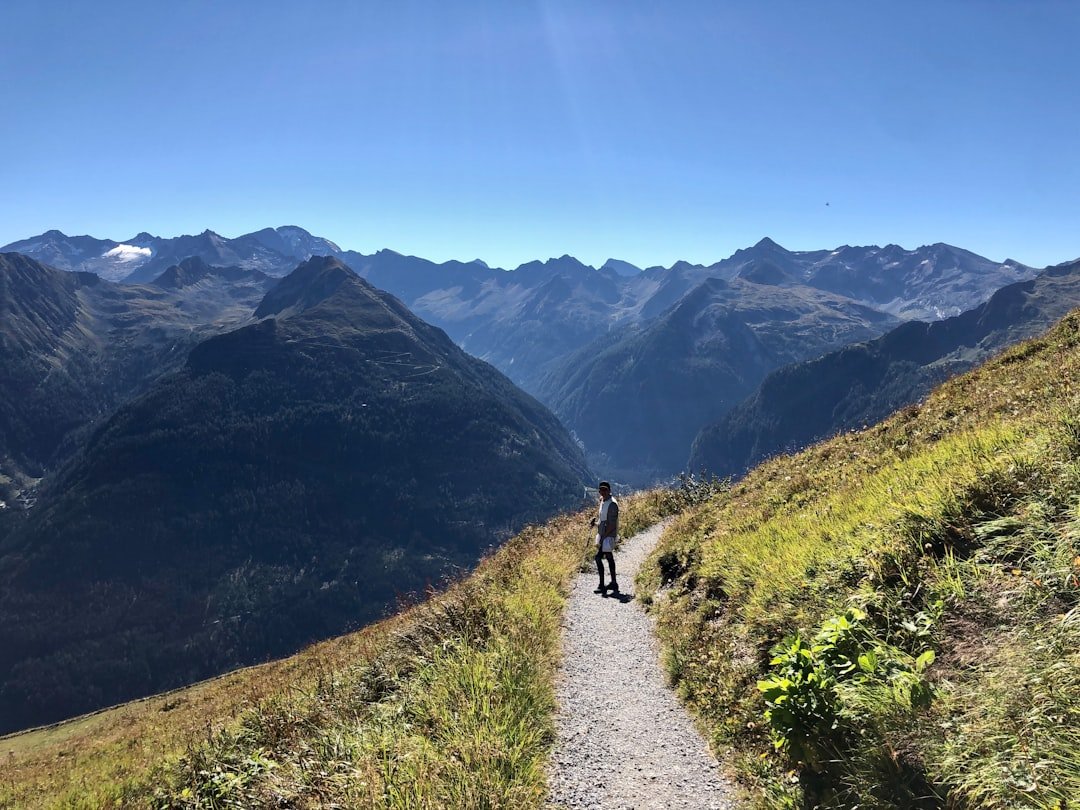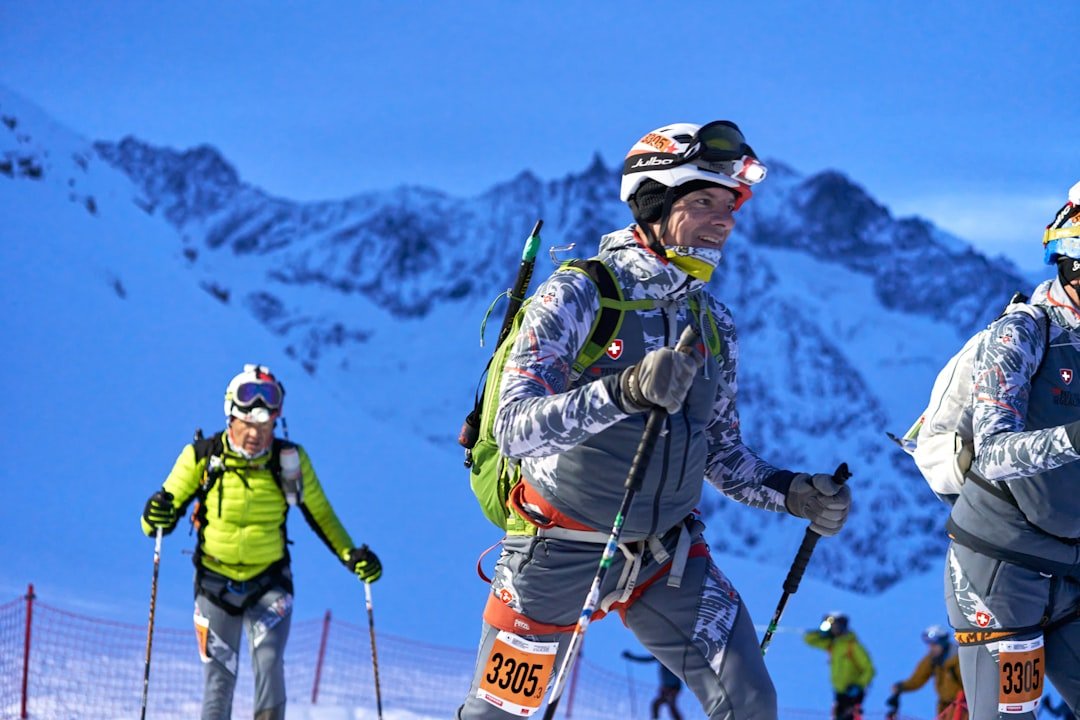
Crans-Montana is especially attractive to intermediate skiers because its large ski area combines approachable blue pistes with a substantial choice of red terrain for progression. Instead of relying on one famous run, you can build a day around the Cry d’Er, Bellalui and Violettes sectors, starting on comfortable groomed terrain and moving onto longer or steeper pistes as your confidence improves.
Quick Answer
The best skiing for intermediates at Crans-Montana is found across its blue and red pistes around Cry d’Er, Violettes and Bellalui. Brigitte No. 15 is a useful easier option, while Ancienne Nationale No. 14 and other red terrain suit progressing skiers. Strong intermediates can consider Nationale when it is open and conditions match their ability.
Key Takeaways
- Crans-Montana has about 140 km of marked pistes between roughly 1,500 and 3,000 metres, with plenty of red terrain for skiers progressing beyond easier blue runs.
- Use easier pistes such as Brigitte No. 15 to warm up before progressing to red terrain such as Ancienne Nationale No. 14.
- Nationale is a famous competition piste and should be treated as a stronger-intermediate challenge rather than an automatic choice for every intermediate skier.
- Check the live piste map each morning because snow, weather, grooming, competitions and operational work can change which routes are open.
- Stay on marked, open pistes unless you have the avalanche knowledge, equipment and professional guidance needed for off-piste terrain.
- Intermediate lessons can help with parallel turns, carving, steeper reds, variable snow and the transition toward advanced terrain.
Best Ski Runs and Areas for Intermediate Skiers
According to the official Crans-Montana ski information, the ski area offers about 140 km of marked pistes across an elevation range of approximately 1,500 to 3,000 metres. The resort has a particularly strong red-piste offering, which is one reason it works well for skiers who have moved beyond beginner terrain but are not yet comfortable on the hardest slopes.
| Run or area | Best for | Why consider it |
| Brigitte No. 15 | Early intermediates | A blue piste that can be useful for warming up, building rhythm and preparing for longer red runs. |
| Ancienne Nationale No. 14 | Progressing intermediates | A red piste that provides a logical step up once your parallel turns and speed control are reliable. |
| Cry d’Er sector | Mixed intermediate days | Convenient access to varied terrain, mountain facilities and connections toward other parts of the ski area. |
| Violettes sector | Intermediates wanting longer exploration | Useful access to higher terrain, mountain restaurants and connections across the ski area. |
| Bellalui and Nationale area | Confident intermediates | More demanding terrain and a connection with Crans-Montana’s famous competition slopes. Check difficulty and opening status before committing. |
Understanding Piste Nationale
Piste Nationale deserves special explanation because different sources use its name in different ways. The Crans-Montana 2027 World Championships describes the official Nationale downhill race course as about 3.8 km long, dropping from 2,514 metres to 1,545 metres. Tourism descriptions may refer to a much longer linked descent into the resort that incorporates the Nationale area.
For an intermediate visitor, the useful question is therefore not simply how many kilometres Nationale covers. Ask whether the open route, snow surface, steepest sections and traffic level are suitable for your skiing that day. Strong intermediates with dependable parallel turns may enjoy the challenge, while less confident skiers can use easier blue and red alternatives.
Note: Names such as Violettes, Cry d’Er and Bellalui can describe sectors, lifts or access points as well as nearby pistes. Use the current official piste map rather than assuming every place name identifies one specific run.
Ideal Terrain for Progressing Skiers
Intermediate skiing covers a wide range of ability. One skier may have only recently moved from wedge turns to parallel turns, while another may carve confidently on red pistes but still avoid steep black terrain. Crans-Montana allows you to progress without treating every intermediate skier the same way.
If you are at the easier end of the intermediate range, begin on an open blue piste and concentrate on linking parallel turns at a controlled speed. Brigitte No. 15 has been identified by the ski-area operator as a blue piste and can serve as a useful example of this type of terrain.
Once you can control speed through turn shape rather than braking after every turn, try suitable red pistes. Ancienne Nationale No. 14 is identified as red by the operator. A red piste can have steeper sections, faster traffic and more demanding snow than the blue terrain below it, so assess the piste from the top before committing.
The resort’s Snowpark adds another progression option. The official Crans-Montana Snowpark includes rails, boxes and jumps designed for a range of ability levels. Intermediate skiers who want to try freestyle should start with the smallest appropriate features and follow posted park rules instead of treating the park like a normal piste.
Pro Tip: Do your first few runs on terrain that feels easy. Use them to judge visibility, snow firmness, leg fatigue and how crowded the pistes are before choosing your hardest run of the day.
Scenic Views and Varied Terrain
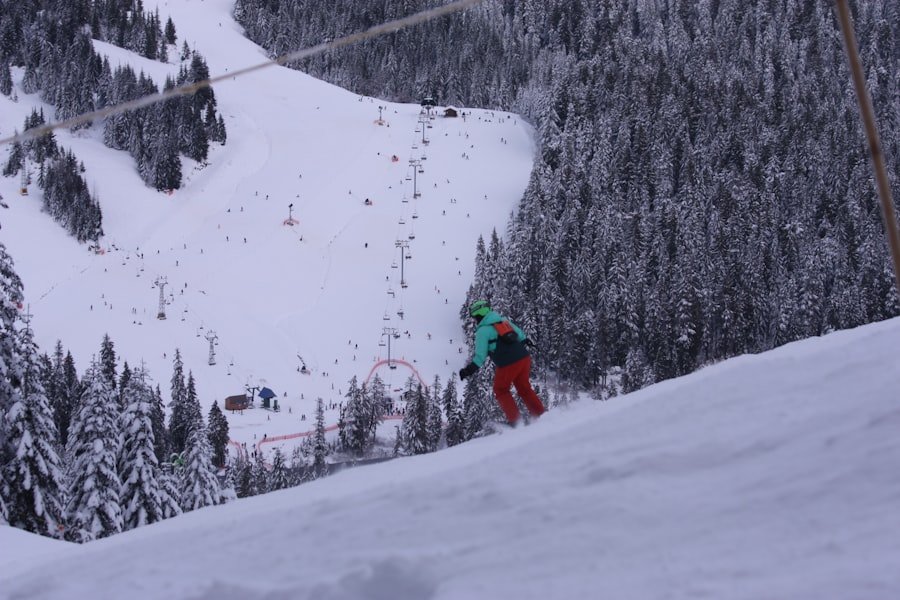
Scenery is a major part of the Crans-Montana experience. From high points around the ski area, the Alpine panorama extends toward famous summits including the Matterhorn and Mont Blanc. The official Plaine Morte Glacier guide describes a 360-degree panorama stretching from the Matterhorn to Mont Blanc.
For intermediate skiers, the terrain variety matters as much as the view. Wide groomed sections give you room to work on carving and turn shape. Other sections require tighter speed control, quicker decisions or better balance as the gradient and snow surface change.
Do not judge a piste solely by its color. Fresh grooming, hard morning snow, afternoon softening, poor visibility, moguls and heavy traffic can make the same marked run feel very different from one day or hour to the next.
A good intermediate day is not about skiing the hardest piste you can survive. It is about choosing terrain where you can link controlled turns consistently and still have enough margin to react to changing conditions.
Tips for Navigating Intermediate Runs
| Tip | How to apply it |
| Stay centered | Keep a balanced athletic stance instead of leaning far back when the piste becomes steeper. |
| Use your edges progressively | Build edge angle smoothly through the turn rather than making abrupt movements. |
| Look ahead | Scan downhill for traffic, changing gradients, intersections and the next place where you intend to turn. |
| Control speed with turn shape | Rounder turns across the slope usually control speed more smoothly than pointing straight downhill and braking suddenly. |
| Leave a safety margin | Do not ski at your technical limit when the piste is crowded, icy or difficult to see. |
| Rest before technique deteriorates | Fatigue makes it harder to maintain balance, react to traffic and control speed. |
These habits become more important as you progress onto faster and steeper pistes. The Swiss Commission for Accident Prevention on Snow Sports, SKUS, publishes the FIS rules of conduct for skiers and snowboarders. They include skiing in control, adapting speed to your ability and conditions, respecting the skier ahead, leaving enough room when overtaking and obeying signs and markings.
Before tackling a steeper red section, practice parallel turns and speed control on gentler terrain. If the next piste feels intimidating from the entrance, there is no penalty for choosing an easier route. Progress is faster when you can repeat good movements instead of using defensive technique simply to get down.
Ski School Options for Intermediate Skiers
Lessons are not only for beginners. Crans-Montana lists multiple ski and snowboard schools, and intermediate skiers can use instruction to solve specific problems that are difficult to diagnose alone.
A group lesson can work well if you enjoy learning with skiers at a similar level. Depending on the school and course, intermediate sessions may focus on parallel turns, carving, managing steeper terrain, variable snow or more efficient movement.
Private instruction is useful when you have a specific obstacle. For example, you may feel comfortable on groomed blues but lose your technique on steeper reds, struggle to make short turns, lean backward when speed increases or become nervous when a piste is crowded.
Tell the instructor exactly what you want to improve. Instead of saying only that you are an “intermediate,” explain which pistes you can ski comfortably, which conditions cause trouble and what you hope to attempt next. That gives the instructor a much clearer starting point.
Off-Piste Opportunities for Intermediate Skiers
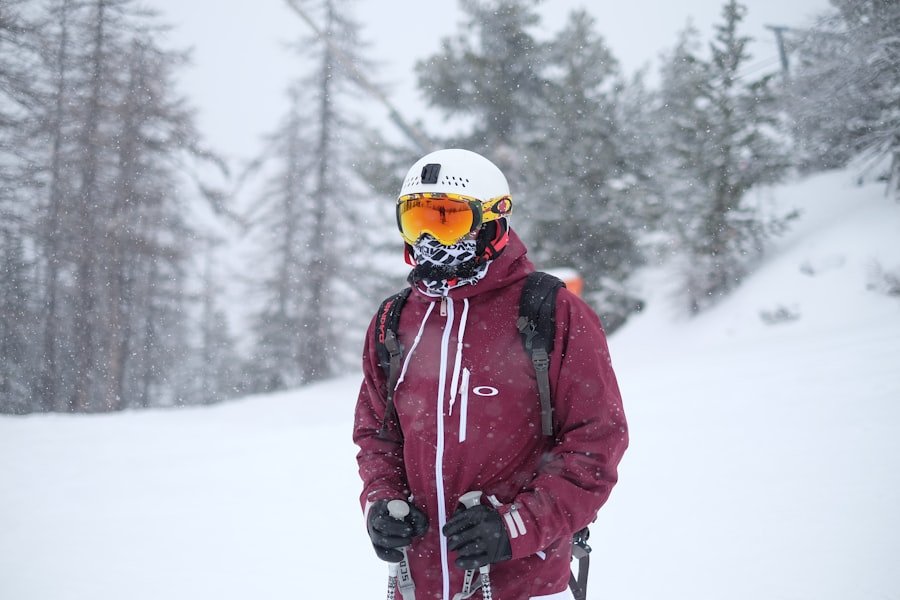
Crans-Montana has freeride and off-piste possibilities, but leaving marked and secured pistes is a very different decision from moving from a blue piste to a red one. Ability on groomed snow does not by itself provide the avalanche knowledge, route-finding skills or rescue preparation required outside secured terrain.
Warning: Do not treat off-piste skiing as a normal next step simply because you are an intermediate skier. Check the official Swiss avalanche bulletin, carry the appropriate rescue equipment, know how to use it and choose terrain according to current conditions. If you lack avalanche training and local knowledge, stay on open marked pistes or go with a qualified guide or instructor.
The WSL Institute for Snow and Avalanche Research SLF publishes Switzerland’s avalanche bulletin during winter. The bulletin provides regional avalanche-danger forecasts, but it does not replace an assessment of the exact slope you intend to ski.
For an intermediate who wants a taste of softer or more variable snow, a lesson with a qualified instructor on appropriate terrain is a safer progression than following tracks beyond the piste boundary. Tracks left by other skiers are not proof that a slope is safe.
Après-Ski Activities for Intermediate Skiers
After a day on the slopes, Crans-Montana offers mountain restaurants, terraces, village dining and après-ski venues. Cry d’Er is particularly well known for combining mountain views with food and après-ski, while the Violettes area also provides convenient places to stop during a ski day.
Swiss dishes such as fondue and raclette are natural choices when you want a substantial meal after skiing. If you prefer a quieter evening, the resort also has wellness facilities, restaurants and other activities away from the slopes.
If you are staying in accommodation with a kitchen and prefer to prepare something simple yourself, you can also try this guide to delicious homemade cottage cheese as an alternative to eating out every evening.
Advancing to Advanced Terrain
Moving from intermediate to advanced skiing is less about completing one difficult piste and more about making reliable turns in a wider range of conditions. Before deliberately seeking harder terrain, you should be able to control your speed without panic, stop where you intend to stop and change turn shape when the piste becomes steeper or busier.
Skiers should assess their comfort level honestly and introduce steeper slopes or more difficult conditions gradually rather than using piste color alone as proof that they are ready.
Consider advanced instruction if you want to improve short turns, mogul technique, steep-piste control or variable-snow skiing. A good instructor can choose terrain that challenges you without forcing you into a situation where fear takes over your technique.
Practicing during quieter periods can also help because you have more room to concentrate on turn shape and line choice. However, snow and visibility may change throughout the day, so quieter does not automatically mean easier.
Ultimately, advancing from intermediate to advanced skiing requires patience and repetition. Build consistency first. Once you can ski a range of red pistes with control rather than simply getting down them, you will be in a much better position to explore harder terrain safely.
Planning Your 2026/27 Ski Day
For the 2026/27 winter season, the Crans-Montana ski-area operator currently plans regular ski-area opening from December 19, 2026 through April 4, 2027. A partial early opening is planned from November 28 if snow conditions permit. All dates remain subject to snow, weather and operational changes.
Do not assume that every piste mentioned in this guide will be open every day. Check lift and piste status on the morning you ski. Wind, snowfall, grooming, races and maintenance can affect individual runs or connections even when the broader ski area is operating.
This is especially relevant during the 2026/27 season because Crans-Montana hosts the FIS Alpine World Ski Championships in February 2027. Competition preparation can alter access around race slopes, so follow the resort’s current signs, maps and official notices.
Frequently Asked Questions
What are the best ski runs for intermediates in Crans-Montana?
There is no single best piste for every intermediate. Brigitte No. 15 is a useful blue option for easier progression, while Ancienne Nationale No. 14 provides red terrain for stronger intermediates. The Cry d’Er, Violettes and Bellalui areas provide additional choices. Confident intermediates may also consider Nationale when the open route and conditions are appropriate.
Is Piste Nationale really more than 10 km long?
The official World Championships description gives the Nationale downhill race course a length of about 3.8 km. Some tourism descriptions use the Nationale name for a much longer linked descent toward the resort. Check the current piste map rather than assuming the competition course itself is more than 10 km long.
Are there ski runs in Crans-Montana suitable for beginners?
Yes. Crans-Montana has beginner learning areas and easy pistes. Snow Island and Arnouva are among the areas promoted for learning and building confidence before progressing farther into the main ski area.
What amenities are available for skiers in Crans-Montana?
The destination has ski and snowboard schools, sports shops, mountain restaurants, accommodation, lift services and après-ski options. Check current operating hours because individual businesses and lifts may vary through the season.
What is the best time of year to ski in Crans-Montana?
There is no single month that guarantees the best conditions. For 2026/27, regular ski-area operation is currently planned from December 19, 2026 to April 4, 2027, with possible partial opening from November 28 if snow permits. Choose dates according to current snow, weather, crowd and piste-opening information.
Are there off-piste skiing opportunities in Crans-Montana?
Yes, but off-piste skiing should not be treated as ordinary intermediate piste skiing. Avalanche risk, terrain selection and rescue preparation matter outside secured runs. Skiers without appropriate training and equipment should stay on marked open pistes or book a qualified guide or instructor.
How do I know when I am ready for harder red or black pistes?
You should be able to link controlled parallel turns, adjust turn shape, stop reliably and maintain technique when the slope becomes steeper. If speed or gradient causes you to lean back, freeze or make uncontrolled traverses, spend more time on easier terrain or take a lesson before moving up.
Sources
- Crans-Montana Tourism: Ski & Snowboard — ski-area size, elevation and official winter-sports information.
- MyCMA: Winter Opening Hours — current 2026/27 operating dates and conditional early opening.
- Crans-Montana 2027: Nationale and Mont Lachaux — official Nationale race-course length, elevation and vertical drop.
- WSL Institute for Snow and Avalanche Research SLF — Swiss avalanche bulletin and off-piste risk information.
- SKUS: Skiing and Snowboarding — FIS rules of conduct and Swiss snow-sports safety guidance.
- Crans-Montana Tourism: Ski & Snowboard Schools — official directory of local instruction options.