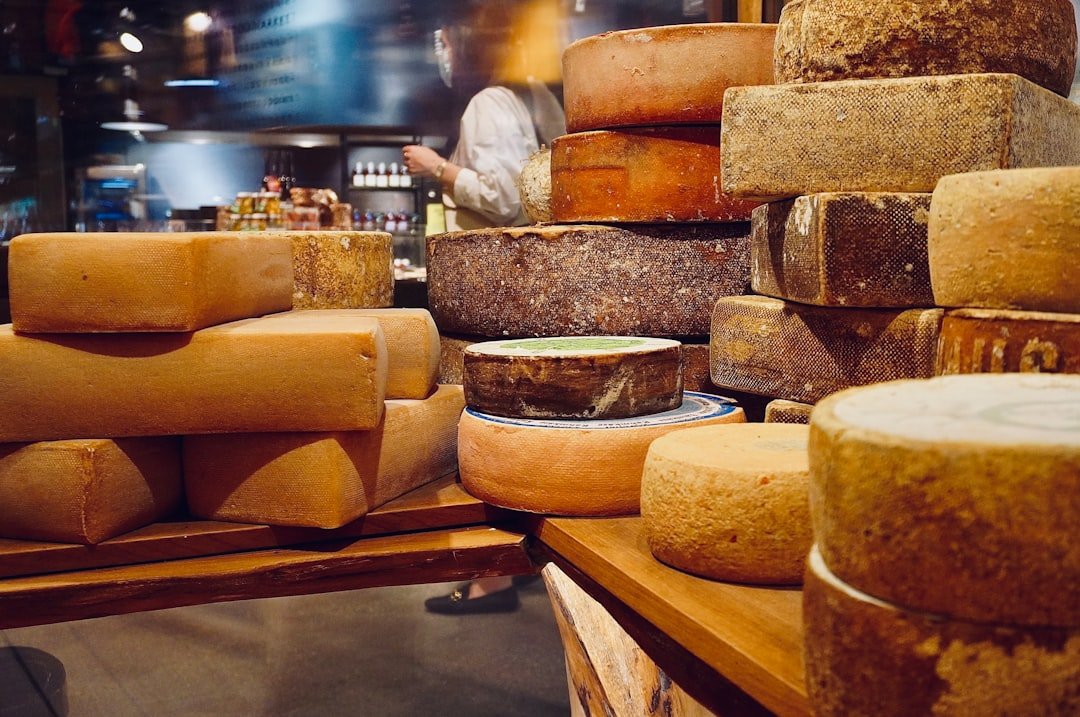
Switzerland, a country renowned for its breathtaking landscapes and rich cultural heritage, also boasts a culinary tradition that reflects its diverse influences. Nestled in the heart of Europe, Swiss cuisine is a delightful amalgamation of German, French, and Italian flavors, resulting in a unique gastronomic experience. The Swiss take immense pride in their culinary heritage, which is characterized by hearty ingredients, artisanal craftsmanship, and a deep respect for local produce.
Traditional Swiss foods are not merely meals; they are a celebration of the country’s history, geography, and the communities that have thrived within its borders. The Swiss culinary landscape is dotted with regional specialties that vary from one canton to another. Each region has its own unique dishes that showcase local ingredients and traditional cooking methods.
From the alpine villages to the bustling cities, the food culture is deeply intertwined with the Swiss way of life.
As we delve into some of the most iconic dishes, we will uncover the stories behind them and explore what makes them so beloved by locals and visitors alike.
Key Takeaways
- Traditional Swiss foods are known for their rich and hearty flavors, often incorporating cheese, potatoes, and other local ingredients.
- Raclette is a popular Swiss dish that features melted cheese served with potatoes, pickles, and onions, making for a delicious and indulgent meal.
- Rösti is a beloved Swiss comfort food made from grated and fried potatoes, often served as a side dish or as a base for other ingredients.
- Fondue is a classic Swiss staple, featuring melted cheese served in a communal pot with bread for dipping, offering a fun and interactive dining experience.
- In addition to raclette, rösti, and fondue, there are many other traditional Swiss foods to try, such as Zürcher Geschnetzeltes (sliced meat in a creamy mushroom sauce) and Älplermagronen (Swiss macaroni and cheese).
Raclette: A Cheesy Delight
Raclette is more than just a dish; it is an experience that embodies the spirit of Swiss hospitality. Originating from the Valais region, this dish features a semi-hard cheese of the same name, which is melted and scraped onto boiled potatoes, pickles, and cured meats. The name “raclette” comes from the French word “racler,” meaning “to scrape,” which perfectly describes the method of serving this delightful cheese.
Traditionally, raclette was enjoyed by shepherds who would melt the cheese over an open fire and serve it with whatever accompaniments they had on hand. In contemporary settings, raclette has evolved into a social dining experience. Many Swiss households own a raclette grill, which allows diners to melt their cheese at the table while enjoying a variety of sides.
The communal aspect of raclette dining fosters conversation and camaraderie, making it a popular choice for gatherings and celebrations. The rich, creamy texture of melted raclette cheese pairs beautifully with the earthy flavors of potatoes and the tanginess of pickles, creating a harmonious balance that is both comforting and indulgent.
Rösti: A Crispy and Comforting Dish

Rösti is often considered the quintessential Swiss comfort food, beloved for its simplicity and versatility. This dish consists primarily of grated potatoes that are pan-fried until golden brown and crispy on the outside while remaining soft and tender on the inside. Although rösti is commonly associated with breakfast or brunch, it can be enjoyed at any time of day and can serve as a side dish or even as a main course when topped with various ingredients.
The origins of rösti can be traced back to the German-speaking regions of Switzerland, where it was traditionally eaten by farmers as a hearty breakfast to fuel their long days in the fields. Over time, rösti has transcended its humble beginnings and has become a staple across the entire country. Variations abound, with some recipes incorporating onions, cheese, or even vegetables like spinach or mushrooms.
The dish’s adaptability allows it to be paired with an array of proteins, from fried eggs to smoked salmon, making it a favorite among both locals and tourists.
Fondue: A Classic Swiss Staple
| Aspect | Metrics |
|---|---|
| Origin | Switzerland |
| Main Ingredients | Cheese, wine, garlic, and seasonings |
| Serving Style | Communal pot, shared by dipping bread or vegetables |
| Popular Variations | Chocolate fondue, meat fondue |
| Traditional Accompaniments | Bread, potatoes, pickles, and fruits |
Fondue is perhaps one of the most iconic representations of Swiss cuisine, celebrated for its communal nature and rich flavors. This dish consists of melted cheese served in a communal pot, where diners dip pieces of bread using long forks. The classic Swiss fondue is made from a blend of Gruyère and Emmental cheeses, combined with white wine and garlic to create a smooth and flavorful concoction.
The origins of fondue can be traced back to the 18th century when it was a practical way to use up leftover cheese and stale bread during the long winter months. The ritual of sharing fondue is steeped in tradition; it encourages diners to gather around the pot, fostering an atmosphere of warmth and togetherness. In addition to the classic cheese fondue, variations have emerged over time, including meat fondue (fondue bourguignonne) where diners cook pieces of meat in hot oil or broth, and chocolate fondue for dessert lovers.
Each variation offers its own unique experience while maintaining the essence of communal dining that fondue embodies.
Other Traditional Swiss Foods to Try
While raclette, rösti, and fondue are undoubtedly some of Switzerland’s most famous dishes, there are numerous other traditional foods worth exploring. One such dish is Zürcher Geschnetzeltes, a specialty from Zurich that features thinly sliced veal cooked in a creamy white wine sauce and typically served with rösti. This dish exemplifies the Swiss penchant for rich flavors and hearty ingredients.
Another must-try is Saffron Risotto from the Italian-speaking region of Ticino. This creamy rice dish is infused with saffron threads that impart a beautiful golden hue and delicate flavor. It showcases the influence of Italian cuisine on Swiss gastronomy while highlighting local ingredients such as fresh vegetables and herbs.
For those with a sweet tooth, Swiss chocolate is world-renowned for its quality and craftsmanship.
Additionally, traditional pastries such as Nusstorte—a nut-filled tart from the Engadin region—offer a delightful taste of Switzerland’s baking heritage.
Where to Find Traditional Swiss Foods
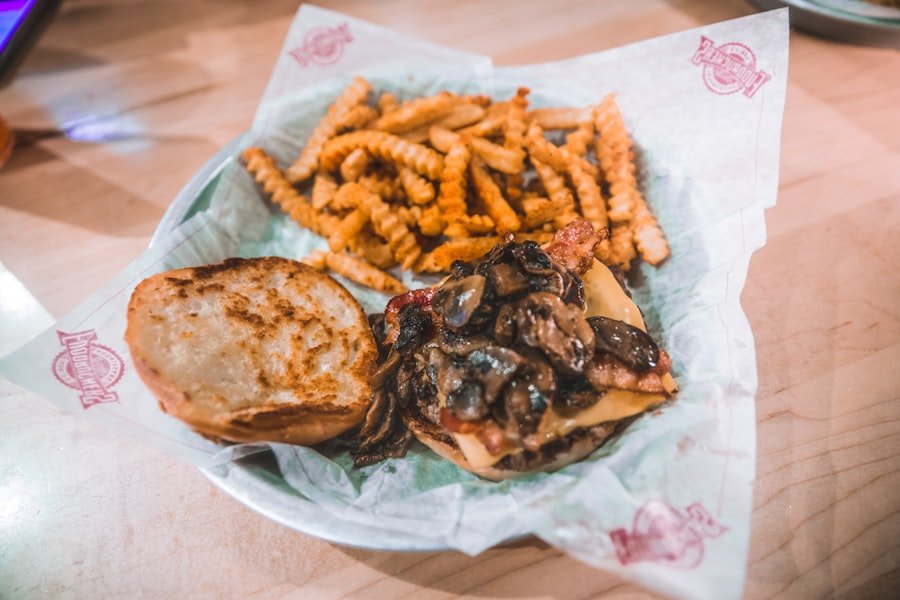
Finding authentic traditional Swiss foods can be an adventure in itself. In Switzerland’s cities and towns, local markets are treasure troves for food enthusiasts seeking regional specialties. Farmers’ markets often feature stalls selling artisanal cheeses, cured meats, fresh produce, and baked goods that reflect local culinary traditions.
Visiting these markets not only provides an opportunity to sample delicious foods but also allows visitors to engage with local producers who are passionate about their craft. Restaurants throughout Switzerland also offer traditional dishes on their menus. In larger cities like Zurich or Geneva, one can find establishments dedicated to serving classic Swiss cuisine alongside modern interpretations.
For an authentic experience, look for restaurants that emphasize locally sourced ingredients and traditional cooking methods. Additionally, many mountain lodges and chalets serve hearty meals that cater to hikers and skiers looking to refuel after a day outdoors.
Tips for Enjoying Traditional Swiss Foods
To fully appreciate traditional Swiss foods, it’s essential to embrace the cultural context in which they are enjoyed. Dining in Switzerland often involves taking time to savor each dish rather than rushing through meals. When indulging in fondue or raclette, for instance, allow yourself to engage in conversation with fellow diners while enjoying each bite slowly.
This communal approach enhances the overall experience and reflects the Swiss value placed on togetherness. Pairing traditional dishes with local beverages can elevate your culinary experience further. Switzerland produces excellent wines that complement its cuisine beautifully; for example, white wines from the Valais region pair wonderfully with cheese dishes like fondue or raclette.
Additionally, trying local beers or even herbal liqueurs can provide insight into regional flavors that enhance your meal.
Bringing the Taste of Switzerland Home
For those who wish to recreate the flavors of Switzerland in their own kitchens, several traditional recipes can be adapted using readily available ingredients. Making fondue at home can be an enjoyable activity; all you need are quality cheeses like Gruyère and Emmental along with some white wine and garlic for flavoring. A simple recipe can transform your dining table into a cozy Swiss chalet atmosphere.
Rösti can also be easily prepared at home using just potatoes and a frying pan. Experimenting with different toppings or mix-ins allows for personalization while staying true to this classic dish’s essence. For dessert lovers eager to indulge in Swiss chocolate treats, consider trying your hand at making Nusstorte or even chocolate truffles using high-quality chocolate sourced from local shops.
By embracing these recipes and techniques, you can bring a taste of Switzerland into your home kitchen while sharing these culinary traditions with family and friends. Whether through hosting a fondue night or preparing rösti as part of a weekend brunch spread, these dishes offer an opportunity to celebrate Swiss culture beyond its borders.
If you’re planning a culinary adventure through Switzerland, don’t miss out on trying some traditional Swiss foods that are sure to tantalize your taste buds. From the rich and creamy fondue to the hearty rösti, Swiss cuisine offers a delightful array of flavors and textures. For those who enjoy making their own cheese, you might find inspiration in this related article on delicious homemade cottage cheese. This simple and healthy recipe could be a great addition to your repertoire, allowing you to bring a touch of Swiss-inspired dairy goodness to your own kitchen.
FAQs
What are some traditional Swiss foods to try?
Some traditional Swiss foods to try include fondue, raclette, rösti, Zürcher Geschnetzeltes, and Swiss chocolate.
What is fondue?
Fondue is a traditional Swiss dish made with melted cheese, served in a communal pot over a portable stove. Diners dip bread into the cheese using long-stemmed forks.
What is raclette?
Raclette is a Swiss dish that involves melting cheese and scraping it onto accompaniments such as potatoes, pickles, and onions.
What is rösti?
Rösti is a Swiss dish made from grated and fried potatoes, often served as a side dish or as a base for other ingredients.
What is Zürcher Geschnetzeltes?
Zürcher Geschnetzeltes is a traditional Swiss dish made from sliced veal in a creamy mushroom sauce, typically served with rösti.
What is Swiss chocolate?
Swiss chocolate is renowned for its high quality and smooth texture. It is often made with milk from Swiss cows and is a popular souvenir for visitors to Switzerland.