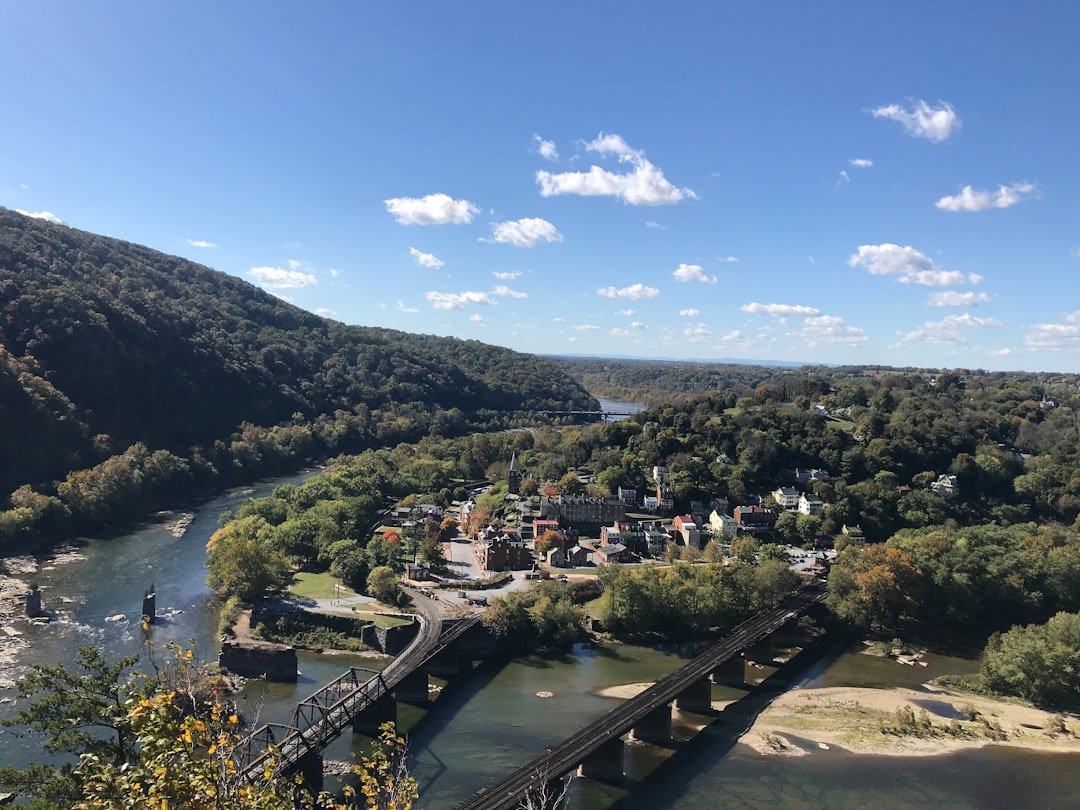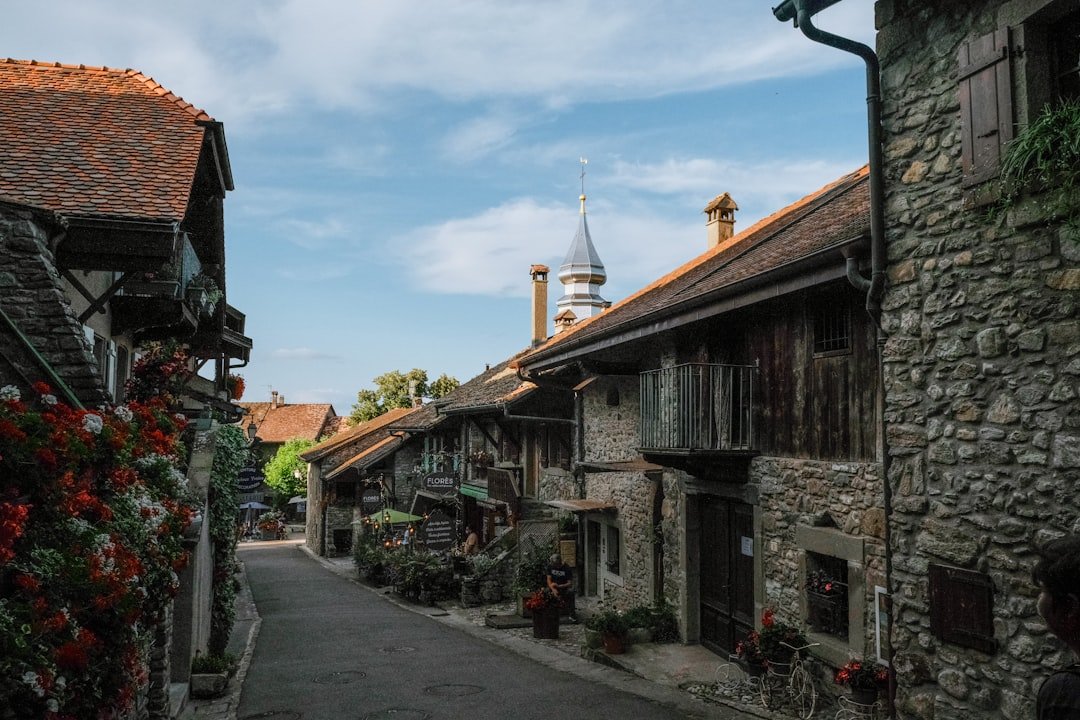
Yvoire sits on the French shore of Lake Geneva, close enough to Geneva for an easy day trip but different enough to feel like a real change of scene. Inside its compact pedestrian center, medieval gates and stone houses meet flower-filled lanes, lake views, small shops, restaurants, and one of the village’s best-known attractions, the Jardin des Cinq Sens.
The village developed as a fortified settlement in the early 14th century and still preserves more than 700 years of history. Today, Yvoire is listed among Les Plus Beaux Villages de France, making it one of the most appealing historic stops on the French side of Lake Geneva.
Quick Answer
Yes. Yvoire makes an excellent day trip from Geneva if you want a compact medieval village, lake views, gardens, food, and an easy walking itinerary. In season, CGN boats provide the most scenic arrival, while driving and cross-border bus service offer alternatives. Plan roughly half a day to a full day.
Key Takeaways
- Yvoire is a small medieval village on the French shore of Lake Geneva and is easy to explore on foot.
- Seasonal CGN boat services provide the most scenic way to reach Yvoire from Geneva, but you should check the exact timetable for your travel date.
- The medieval center is pedestrian-only, so drivers must use public parking outside the old village.
- The Jardin des Cinq Sens is one of Yvoire’s main paid attractions and normally takes about 1 to 1.5 hours to visit.
- The Château d’Yvoire is an important landmark, but it is privately occupied and not open for interior visits.
Day Trip at a Glance
| Recommended Time | Half a day for the village alone; a full day for a relaxed visit with the garden, lunch, shopping, and lakefront time |
| Best Scenic Transport | Seasonal CGN boat from Geneva |
| Getting Around | On foot; the medieval center is pedestrian-only |
| Main Paid Attraction | Jardin des Cinq Sens |
| Main Consideration | Boat schedules and many tourism businesses are seasonal, especially outside April to October |
Getting to Yvoire from Geneva
You have three practical ways to travel from Geneva to Yvoire: boat, car, or cross-border public transport. The best choice depends on the season, your schedule, and whether the journey itself is part of the experience.
Geneva to Yvoire by boat
For scenery, the boat is difficult to beat. Seasonal CGN services cross Lake Geneva and call at Yvoire, giving you views of the shoreline, villages, mountains, and Yvoire’s waterfront as you approach.
Do not assume that a Geneva-Yvoire boat runs at the same frequency throughout the year. According to Yvoire Tourism, the village can be reached from Geneva by boat in less than two hours when seasonal connections are operating. Check the official CGN timetable for your exact travel date and return sailing before leaving Geneva.
Note: Always check the last return boat from Yvoire before starting your day. Seasonal schedules can change, and missing the final sailing may mean returning to Geneva by road instead.
Geneva to Yvoire by car
Driving gives you more flexibility, especially outside the main boat season. However, you cannot drive through the medieval center. Yvoire is a pedestrian village, and public parking areas such as P1, P2, and P3 are positioned around the entrance to the village.
Parking becomes busier during the main visitor season, so arriving earlier in the day can make the experience easier. Current parking information is available from Yvoire Tourism.
Geneva to Yvoire by bus
Public transport is another option. TPG Line 271 provides a cross-border route between Geneva and communities on the French side of the lake. One branch serves Yvoire as well as Excenevex, Nernier, Messery, Douvaine, and Geneva.
Because departure patterns and journey times vary, check the current timetable rather than planning around a fixed travel time.
A Simple Geneva to Yvoire Day Trip Itinerary
A good Yvoire day trip does not require rushing. The old village is compact, so you can see its main sights while still leaving time for the garden, lunch, and the waterfront.
- Travel from Geneva in the morning. Take a seasonal boat for the scenic approach, or drive or use public transport if that works better for your schedule.
- Explore the medieval center. Walk through the fortified gates and narrow lanes, then see the château from public viewpoints and visit Saint-Pancrace Church.
- Stop for lunch. Choose a village restaurant or lakeside terrace and allow enough time to enjoy the setting rather than treating lunch as a quick stop.
- Visit the Jardin des Cinq Sens. Allow about 1 to 1.5 hours if the garden is open during your visit.
- Walk along the waterfront. Explore the harbor, photograph the village from the lakeside, shop for souvenirs, or add a short water activity.
- Return to Geneva. If traveling by boat, arrive at the landing point with enough time to board your scheduled return service.
Exploring the Medieval Village of Yvoire
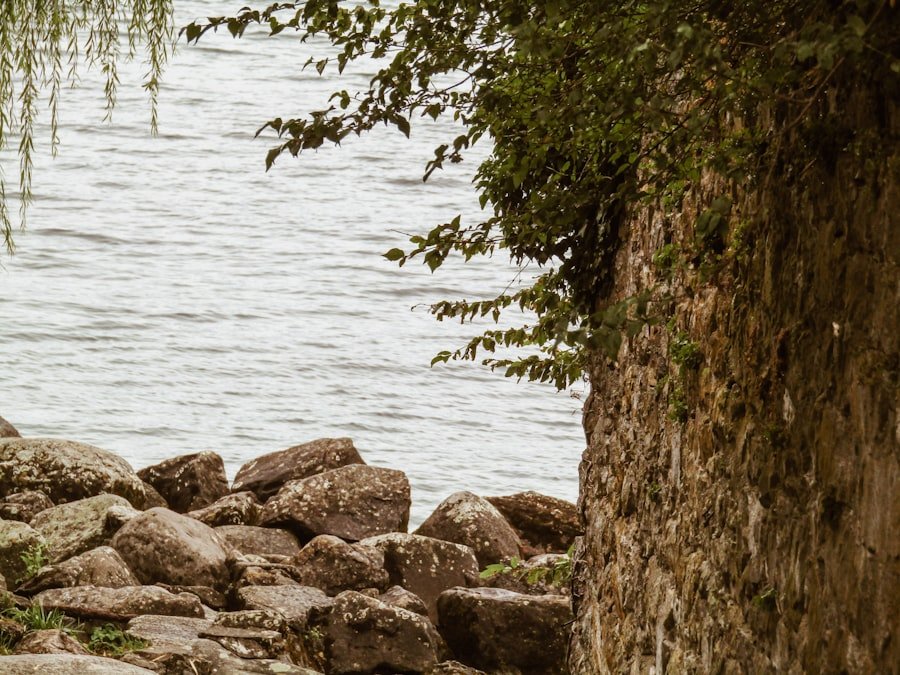
Once you enter Yvoire’s historic center, the village’s medieval character becomes the main attraction. Stone houses, old gates, sections of fortification, narrow lanes, flower-filled balconies, and small squares make the center pleasant to explore without a strict route.
Yvoire’s development as a fortified settlement is closely connected with Count Amédée V of Savoy. The site was strengthened in the early 14th century, and the village still preserves reminders of that defensive past.
See the Château d’Yvoire from the outside
The Château d’Yvoire dominates part of the lakefront and is one of the village’s most recognizable landmarks. However, visitors should know before arriving that the château is privately occupied and not open to the public. You can still admire and photograph it from public areas around the village, harbor, and lake.
Yvoire preserves more than seven centuries of medieval history, but one of its most famous landmarks, the Château d’Yvoire, remains a private residence rather than a visitor attraction.
Visit Saint-Pancrace Church
Saint-Pancrace Church is another worthwhile stop while walking through the village. Its distinctive bell tower contributes to Yvoire’s skyline, and the church is generally open to visitors during the day except when ceremonies are taking place. Entry is free according to Yvoire Tourism.
Small galleries, artisan shops, workshops, and cafés are scattered throughout the lanes, so part of the pleasure is simply exploring without trying to follow every street in a fixed order.
Visiting the Jardin des Cinq Sens
The Jardin des Cinq Sens, or Garden of Five Senses, is one of Yvoire’s main attractions. Set near the château in the heart of the medieval village, it is designed around sensory experiences involving sight, fragrance, texture, sound, and taste.
| Garden Information | Details |
|---|---|
| Typical Visit | About 1 to 1.5 hours |
| Season | Generally April to October, weather permitting; check the current calendar before visiting |
| 2026 Adult Admission | €15 at the ticket office according to the official 2026 price list; rates can change |
| Accessibility | Partially accessible for visitors with reduced mobility; stroller access is largely possible |
The garden rewards a slower visit. Instead of simply looking at flower beds, visitors are encouraged to notice fragrance, textures, edible plants, colors, and sounds throughout the different garden spaces.
Aromatic plants and herbs are among the most memorable features, and the changing seasons mean the experience varies throughout the year. Check the official Jardin des Cinq Sens visitor information before your trip for current opening dates, hours, and admission prices.
Pro Tip: Give the garden its own 1 to 1.5-hour block rather than squeezing it between other stops. That leaves enough time to explore the sensory areas without constantly checking the clock.
Enjoying Lake Geneva
Lake Geneva is not just a backdrop to Yvoire. The waterfront and harbor are part of the experience, whether you arrive by boat or simply walk down from the medieval lanes.
A stroll near the water gives you a different view of the château, church tower, village roofs, and mountains across the lake. It is also one of the easiest places to pause after exploring the busier streets.
If you want to get onto the water, Yvoire Tourism lists options that can include boat excursions, pedal boats, paddleboards, and electric-boat rentals. Availability can depend on weather and season.
Can You Swim in Yvoire?
Swimming is possible near the village. La Garitte has a lawn and pebble beach where visitors can relax beside the lake and enter the water. Conditions, facilities, and supervision can vary, so check local signs before swimming and never assume that the harbor itself is a designated swimming zone.
Warning: Lake conditions can change quickly. Use appropriate swimming areas, follow posted local rules, and supervise children closely around the water.
Sampling Local Cuisine in Yvoire
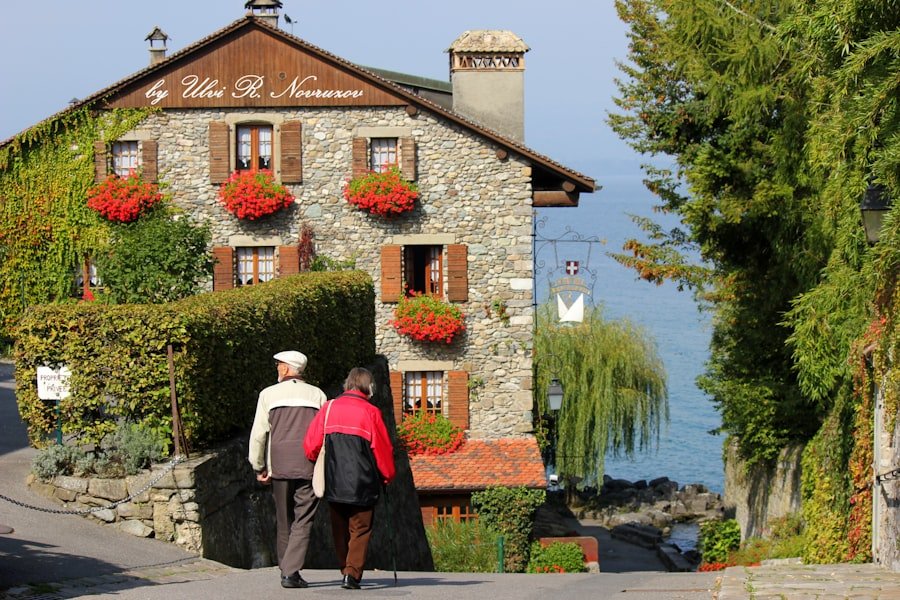
Yvoire has restaurants, cafés, and terraces where lunch can become part of the day-trip experience rather than simply a break between sights. Lakeside tables are especially appealing when the weather is good, although popular spots can fill quickly in summer.
Menus vary by restaurant and season, but regional Alpine cooking may include cheese-based Savoyard dishes such as fondue, along with fish, meat, salads, desserts, and regional wines. If there is a particular dish you want to try, check the restaurant’s current menu rather than assuming every restaurant serves it.
For a relaxed day trip, allow enough time for lunch before visiting the Jardin des Cinq Sens or continuing to the harbor. During busy summer periods, reserving a table can be useful if you have a specific restaurant in mind.
Shopping for Souvenirs in Yvoire
Yvoire’s historic streets contain small boutiques, galleries, artisan workshops, and shops selling locally themed gifts. Pottery, decorative items, artwork, textiles, food products, and other crafts can make more distinctive souvenirs than generic travel merchandise.
Shopping also gives you a reason to explore some of the quieter lanes away from the main pedestrian flow. If you buy food products, check any customs or import restrictions that apply to your onward journey.
Best Time to Visit Yvoire
Yvoire can be visited throughout the year, but the main tourism season runs from roughly April through October. That is when the largest number of shops, restaurants, attractions, and seasonal transport services operate.
Summer provides long days and abundant flowers, but it is also the busiest period. Yvoire Tourism notes that a large share of the village’s annual visitors arrive between mid-July and mid-August.
Late spring and early autumn can therefore be excellent alternatives if you want seasonal attractions without the heaviest summer crowds. Winter offers a quieter atmosphere, but you should expect fewer tourism businesses and attractions to be operating.
Pro Tip: During July and August, arrive earlier in the day or stay into the late afternoon if you want to photograph the narrow streets with fewer people around.
Tips for Planning a Day Trip to Yvoire
- Check transport twice: confirm your outbound and return boat or bus before leaving Geneva.
- Wear comfortable shoes: the medieval center has cobblestones and uneven surfaces.
- Remember that the center is pedestrian-only: drivers should plan to park outside the old village.
- Carry appropriate travel identification: you are crossing from Switzerland into France, so bring the passport or accepted identity document required for your nationality and travel status.
- Bring euros for village spending: Yvoire is in France, while Swiss transport operators may display fares in Swiss francs.
- Allow 1 to 1.5 hours for the garden: rushing through it reduces much of the point of the sensory experience.
- Do not plan on touring the château: admire it from public viewpoints because the property is not open to visitors.
- Check accessibility before arrival: the pedestrian streets and cobblestones can be challenging for some visitors, and the Jardin des Cinq Sens is only partially accessible to people with reduced mobility.
- Keep your return schedule in mind: especially when using seasonal boat services.
If you prefer to bring a small picnic rather than eat a full restaurant meal, prepare food that travels well and use an appropriate public picnic area. For a homemade option, this cottage cheese recipe can be prepared in advance, although perishable foods should be kept properly chilled during the journey.
Frequently Asked Questions
What is Yvoire?
Yvoire is a medieval village in Haute-Savoie, France, on the southern shore of Lake Geneva. It is known for its fortified medieval center, flower-filled streets, waterfront setting, Château d’Yvoire, and Jardin des Cinq Sens.
How far is Yvoire from Geneva?
Yvoire is roughly 25 kilometers from Geneva in a straight-line geographic sense, although the actual road journey is longer because you travel around the lake. Travel time depends on the route, traffic, border conditions, and transport method.
How can I get to Yvoire from Geneva?
You can reach Yvoire from Geneva by seasonal CGN boat, by car, or using cross-border public transport such as the TPG 271 route serving Yvoire. The boat provides the most scenic approach, but schedules are seasonal and should be checked in advance.
What are the main attractions in Yvoire?
Highlights include the medieval streets and fortified gates, views of the Château d’Yvoire, the Jardin des Cinq Sens, Saint-Pancrace Church, the harbor, Lake Geneva waterfront, local galleries, shops, and restaurants.
Can you visit inside the Château d’Yvoire?
No. The Château d’Yvoire is privately occupied and is not open to visitors. You can admire and photograph the château from public areas around the village, harbor, and lake.
How much time do you need in Yvoire?
Allow at least half a day for the medieval village, waterfront, and a meal. A full day is better if you also want to spend 1 to 1.5 hours in the Jardin des Cinq Sens, browse shops, enjoy a lake activity, or travel from Geneva by boat.
Is Yvoire a good destination for a day trip from Geneva?
Yes. Yvoire works particularly well as a Geneva day trip because its historic center is compact, most sights can be explored on foot, and the journey can be combined with a scenic Lake Geneva boat ride when seasonal services are operating.
Can you swim in Yvoire?
Swimming is possible near Yvoire, including at La Garitte’s lawn and pebble beach. Follow local signs and current safety guidance, and do not assume the working harbor is a designated swimming area.
When is the best time to visit Yvoire?
Late spring through early autumn offers the widest range of attractions and services. July and August have vibrant flowers and long days but are also the busiest months. Late spring and early autumn can provide a good balance between seasonal openings and smaller crowds.
Sources
- Yvoire Tourism – official overview of the medieval village, château, garden, activities, restaurants, and visitor attractions.
- Yvoire Tourism Practical Information – pedestrian-zone, parking, seasonality, and crowd information.
- CGN Timetables and Tickets – current Lake Geneva boat schedules and ticket information.
- TPG Line 271 – official cross-border public-transport information for Geneva, Yvoire, and nearby French communities.
- Jardin des Cinq Sens – official opening, ticket, and practical visitor information.
- Les Plus Beaux Villages de France: Yvoire – official heritage and classification information.