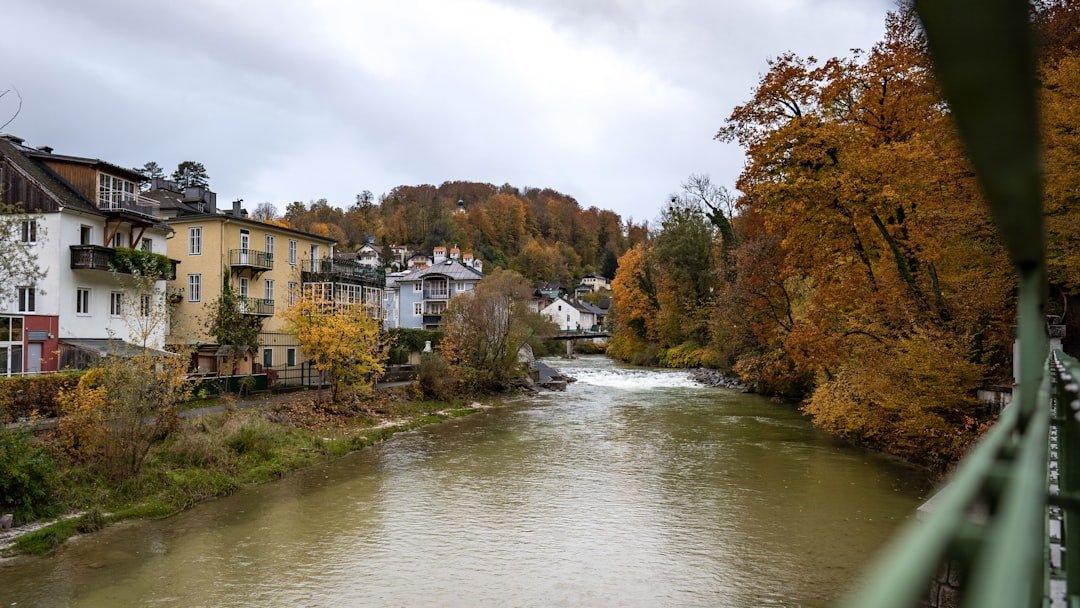
Giessbach Falls is one of the most striking natural sights around Lake Brienz in Switzerland’s Bernese Oberland. The Giessbach stream descends roughly 400 metres in 14 tiers before reaching the lake, with walking paths offering views from several levels and even passing behind one of the cascades. The best time to visit depends on whether you value powerful water flow, comfortable hiking, autumn colour, photography, or a quieter atmosphere.
Quick Answer
For the most dramatic Giessbach Falls views, visit in spring or early summer when snowmelt normally increases the flow, or shortly after rainfall. For comfortable walking and the easiest access to seasonal boats and the funicular, late spring through early autumn is convenient. Check the weather and transport timetable before you travel.
Key Takeaways
- Best for powerful water flow: Spring and early summer, especially during snowmelt, plus periods following rainfall.
- Best for easy sightseeing: Late spring through early autumn, when seasonal visitor services are generally at their most convenient.
- Best for autumn scenery: Early to mid-autumn can combine colourful forest with waterfall views, although water volume varies.
- Best for photography: Morning or later afternoon usually gives softer light; cloudy conditions can also work very well for waterfall photography.
- Important for drivers: Day visitors currently need to arrange parking access online before driving through the Giessbach Nature Park barrier.
- Trail safety: Good footwear matters because paths near the falls can be wet and slippery.
The Beauty of Giessbach Falls
Giessbach Falls is a multi-tiered waterfall rather than one uninterrupted vertical drop. According to the official Giessbach visitor information, the water descends about 400 metres over 14 tiers before flowing into Lake Brienz.
The shape of the waterfall creates very different views as you move around the paths. Lower viewpoints combine the cascades with the turquoise lake, while higher sections bring you close to rushing water, forest, bridges, rocks and spray.
Giessbach Falls descends about 400 metres over 14 tiers, with walking paths providing several viewpoints around the cascades.
The setting also has a long tourism history. Visitors were being guided to the Giessbach area in the early 19th century, while the present Grandhotel Giessbach was built between 1873 and 1875. Today, the historic hotel, waterfall, forest and lake form one connected visitor area.
Best Time to Visit Giessbach Falls
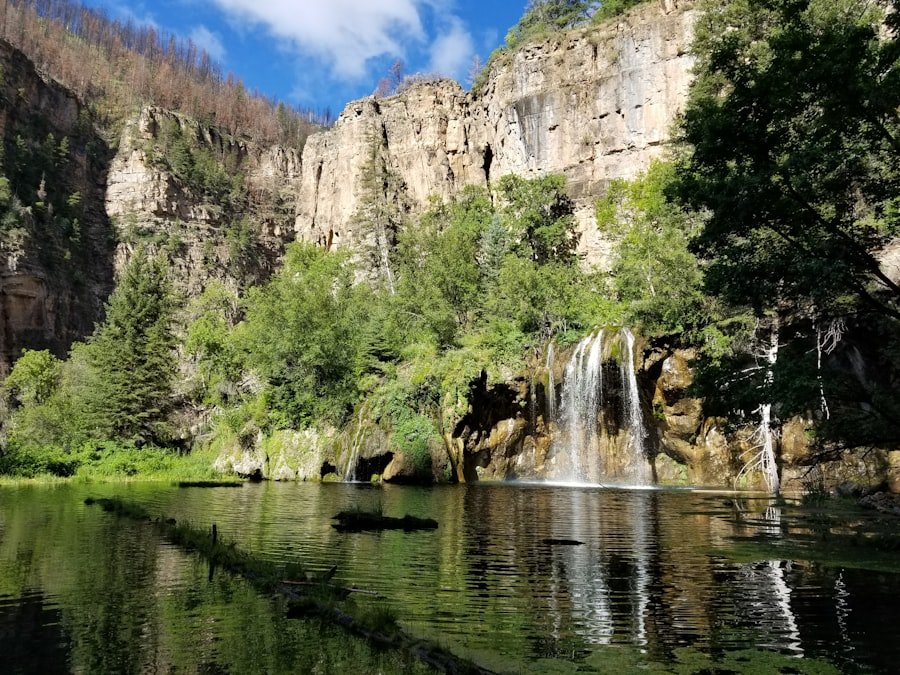
There is no single perfect month for every visitor. The strongest waterfall conditions, easiest transport, warmest walking weather and most colourful scenery do not necessarily occur at the same time.
| Season | What to Expect | Best For |
|---|---|---|
| Spring | Snowmelt can produce a powerful waterfall. Paths may be wet and weather can change quickly. | Strong flow and dramatic waterfall views |
| Summer | Long daylight and convenient sightseeing conditions, but waterfall volume depends on recent weather. | Hiking, Lake Brienz trips and combining attractions |
| Autumn | Changing foliage can add warm colour around the falls. Seasonal transport becomes more limited later in the season. | Photography and forest scenery |
| Winter | Snow and ice can transform the landscape but also make walking conditions more demanding. Visitor transport is limited or unavailable depending on the date. | Experienced visitors prepared for winter conditions |
Spring: Best for Powerful Water Flow
Spring is one of the strongest choices if your main goal is to see Giessbach Falls carrying a large volume of water. Regional tourism information specifically notes that the waterfall becomes especially impressive when mountain snow is melting.
Rainfall can further increase the flow. The tradeoff is that spray, wet leaves, mud and damp stone can make paths more slippery, so footwear with good grip is valuable.
Summer: Best for an Easy Full-Day Visit
Summer works well if you want to combine the waterfall with Lake Brienz, hiking, Brienz or Iseltwald. Long daylight also gives you more flexibility to spend time around the falls rather than rushing between viewpoints.
Do not assume that midsummer automatically means maximum water flow. The strength of the falls changes with snowmelt, rainfall and recent weather.
Autumn: Best for Colour and Photography
Autumn changes the character of Giessbach Falls as the surrounding forest turns yellow, orange and red. Water volume can be lower than during spring snowmelt, but recent rain may produce a stronger display.
Later in autumn, transport schedules and visitor services become more important. Check the current boat and funicular timetable rather than relying on summer operating patterns.
Winter: Beautiful but More Condition-Dependent
Giessbach can look striking in winter, particularly when snow and ice appear around the cascades. However, winter should not be treated as simply a quieter version of a summer visit. Snow, frozen surfaces and ice can substantially change trail difficulty.
Before attempting a winter walk, check current weather and local route conditions and use equipment suitable for the conditions. Do not assume that a summer hiking route will be safe when covered by snow or ice.
Warning: Paths beside waterfalls can become slippery from spray, rainfall, leaves, snow or ice. Stay on marked paths, wear footwear with good traction and turn back if conditions exceed your experience or equipment.
Best Time of Day
If your schedule allows, morning and later afternoon are good choices for photography because the light is often softer than around midday. Overcast weather can also be useful because it reduces harsh highlights on bright water.
For a calmer walking experience, arriving earlier in the day can help you explore the short waterfall paths before spending more time at the hotel, lake or nearby villages.
Pro Tip: If waterfall power matters more to you than blue skies, check recent rainfall as well as the forecast. Giessbach can be especially impressive after wet weather, but allow extra caution on slippery paths.
Weather Considerations
Fixed temperature ranges are not very useful for planning Giessbach because conditions can vary considerably by season, elevation, cloud cover and changing weather systems. Check the current MeteoSwiss forecast shortly before your visit.
| Weather Factor | Impact at Giessbach |
|---|---|
| Temperature | Conditions affect layering needs, particularly early or late in the visitor season. |
| Rainfall | Rain can increase waterfall flow but also makes paths, steps and rocks more slippery. |
| Cloud Cover | Clouds can reduce distant mountain views but often create soft, even light for waterfall photography. |
| Snow or Ice | Can substantially increase trail difficulty and may require winter-specific equipment and experience. |
| Wind and Storms | Can make exposed viewpoints uncomfortable and may change the safety of a planned hike. |
Pack for changing conditions rather than relying only on how the weather looks when you leave your accommodation. A light waterproof layer is useful around the waterfall even when rain is not expected because spray can reach parts of the trail.
How to Get to Giessbach Falls
Your best route depends on whether you are using public transport, arriving by car or incorporating Giessbach into a Lake Brienz trip.
Train, Boat and Funicular
A scenic approach is to travel by train to Brienz or Interlaken Ost, continue by scheduled boat to the Giessbach See landing stage, and then take the historic Giessbach funicular toward the Grandhotel and falls.
Boat and funicular services are seasonal and timetable-dependent. Check the current BLS Lake Brienz timetable and official Giessbach arrival information for the exact date of your visit.
Note: The main visitor season for the Giessbach funicular is centered on April through October, with operating arrangements outside the main season subject to the current timetable. Do not assume summer service is available in winter.
Driving and Parking
If you drive directly to Giessbach, current rules require day visitors to arrange access to the forest parking area online before arrival. A valid ticket is needed to pass the barrier, and parking capacity is limited.
Use the official Giessbach parking shop rather than arriving without a reservation and expecting to pay at the entrance.
The mountain access road is narrow in places, so drive carefully and follow local signs rather than treating it like a standard urban approach road.
PostBus and Walking
The official arrival information also lists the PostBus toward Axalp as an alternative. The “Giessbach Junction” stop is followed by an approximately 15-minute walk toward the hotel and waterfall area.
Accessibility and Strollers
The historic Giessbach funicular is not wheelchair accessible. Official visitor information recommends that wheelchair users consider alternative arrival arrangements, such as a taxi from Brienz station.
Strollers can be transported on the funicular only in limited numbers and without a guarantee of space. Families should also remember that the waterfall paths themselves can include steps, slopes and wet surfaces.
Tips for Photographing Giessbach Falls
Giessbach offers several types of compositions: close waterfall details, wider views with Lake Brienz, forest scenes, bridges and photographs through or beside the falling water.
Morning and later afternoon often provide softer natural light. Cloudy conditions can be equally useful because they reduce the difference between bright white water and dark forest shadows.
A tripod can help with longer exposures when space and trail conditions allow. Slower shutter speeds create smoother-looking water, while faster shutter speeds freeze droplets and spray. If daylight is too bright for the shutter speed you want, a neutral-density filter can help reduce the amount of light reaching the camera.
Use trees, railings, rocks or part of the trail as foreground elements to give the waterfall a stronger sense of scale. A wide view can also include Lake Brienz and the surrounding mountains when visibility is good.
Warning: Do not leave marked paths or climb onto wet rocks to get a photograph. The combination of spray, smooth stone and steep terrain can make a seemingly easy position dangerous.
Activities and Hiking Trails
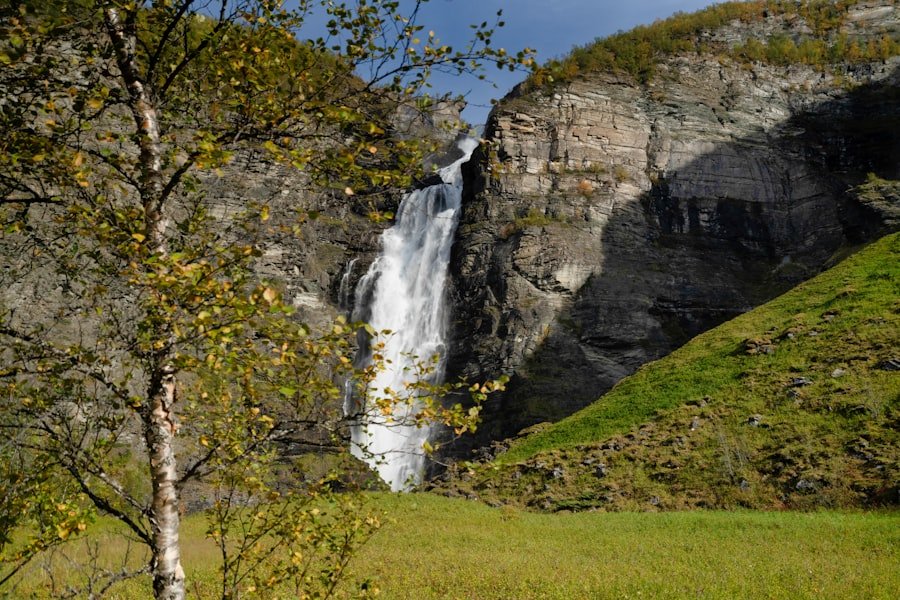
Walking around the falls is the main activity at Giessbach. You do not need to commit to a long mountain hike to see impressive cascades.
Short Waterfall Circuit
Visitor information describes a short circular route around the falls, including the memorable section that passes behind one of the cascades. Depending on the exact route, pace and how long you stop at viewpoints, the core waterfall walk can take roughly 20 to 45 minutes.
In practice, allow longer than the minimum walking time. Around 1.5 to 3 hours gives most visitors more breathing room for photographs, the hotel grounds, viewpoints and transport connections.
Longer Hikes
For a longer walking day, Giessbach connects with the wider Lake Brienz trail network. The official SchweizMobil Three Waterfalls Trail passes through the area and connects Giessbach with other locations around Lake Brienz.
Longer routes require more planning than the short waterfall circuit. Check distance, elevation, weather and current trail information before starting.
The Swiss Alpine Club hiking-safety guidance recommends staying on marked paths, planning according to conditions, maintaining sure footing and avoiding shortcuts.
What to Bring
- Shoes with good grip: Waterfall spray and rain can leave surfaces slippery.
- Light waterproof jacket: Useful for both changing weather and spray near the cascades.
- Water: Especially important if you plan to continue onto longer hiking trails.
- Extra layer: Conditions can feel cooler in shade, rain or wind.
- Phone or camera protection: Spray can reach equipment near some viewpoints.
- Current tickets and reservations: Keep parking, boat or funicular information accessible offline if possible.
- Sun protection: Useful for exposed sections and time spent beside Lake Brienz.
Nearby Attractions and Accommodations
Giessbach Falls combines naturally with Lake Brienz. Scheduled cruises provide views across the turquoise lake and connect communities such as Brienz, Iseltwald and Interlaken.
Brienz is a convenient addition for its lakeside setting and woodcarving tradition, while Iseltwald offers another attractive village stop on the lake. Visitors with a full day can combine one of these locations with Giessbach rather than treating the waterfall as an isolated attraction.
The historic Grandhotel Giessbach sits directly beside the falls and offers the most immersive accommodation option in the immediate area. The present hotel was built between 1873 and 1875 and remains one of the defining features of the Giessbach landscape.
Additional hotels, guesthouses, holiday apartments and other accommodation can be found around Lake Brienz. If you are visiting during a popular travel period, booking ahead gives you more choice.
Conclusion and Final Thoughts
For most visitors, the best time to see Giessbach Falls at its most powerful is during spring snowmelt or after a period of rainfall. If you care more about convenient sightseeing, hiking and combining the waterfall with Lake Brienz, late spring through early autumn offers an easier overall trip.
Autumn can be excellent for colourful forest scenery, while winter provides a very different experience that requires greater attention to snow, ice and transport availability. Whatever month you choose, check the current weather, trail conditions and transport information shortly before leaving.
Giessbach is more than a single viewpoint. The 14-tier waterfall, the route behind the cascade, Lake Brienz, forest paths and historic Grandhotel make it worth allowing enough time to explore rather than treating it as a quick roadside photo stop.
Frequently Asked Questions
What is the best time to visit Giessbach Falls?
Spring and early summer are excellent if you want strong water flow because melting mountain snow can increase the volume of the falls. Periods after rainfall can also be dramatic. For convenient walking and seasonal visitor services, late spring through early autumn works well.
What is the weather like during the best time to visit?
Conditions vary too much across spring, summer and autumn for one reliable temperature range. Check MeteoSwiss shortly before your visit and carry layers plus rain protection. Wet weather may increase waterfall flow but can also make the trail slippery.
What activities can you do at Giessbach Falls?
You can walk the waterfall paths, pass behind one of the cascades, photograph the falls, visit the historic Grandhotel Giessbach and combine the trip with a Lake Brienz boat journey. Longer hiking routes also connect Giessbach with other destinations around the lake.
When is Giessbach Falls busiest?
There is no official day-by-day crowd calendar. Warm summer sightseeing periods can feel busier, so visiting earlier in the day or later in the afternoon is a sensible choice if you prefer more space on the short waterfall paths.
What should I check before visiting Giessbach Falls?
Check the weather forecast, boat and funicular timetable, trail conditions and any services you plan to use. If you are driving as a day visitor, arrange the required Giessbach parking access online before arriving at the barrier.
Can you walk behind Giessbach Falls?
Yes. One of the highlights of the marked waterfall circuit is a section that passes behind a cascade. Expect spray and potentially slippery surfaces, and stay on the designated path.
How long should I allow for Giessbach Falls?
The short waterfall circuit itself can take roughly 20 to 45 minutes depending on the route and pace. Allow around 1.5 to 3 hours if you want time for photographs, viewpoints, the hotel area and transport connections without rushing.
Can you visit Giessbach Falls in winter?
The natural area can still be visited in winter, but transport availability and walking conditions differ significantly from summer. Snow and ice can make paths more difficult, so check current access, weather and route conditions and use winter-appropriate equipment.
Do I need to reserve parking at Giessbach Falls?
Current official rules require day visitors arriving by car to obtain an online parking entry ticket before passing the Giessbach Nature Park barrier. Parking is limited, so arrange it before driving to the site.
Sources
- Giessbach Official Waterfall Information — waterfall height, 14 tiers and visitor paths.
- Grandhotel Giessbach: Visit Giessbach & Arrival — parking rules, public transport, funicular, accessibility and stroller information.
- Interlaken Tourism: Giessbach Falls — waterfall circuit, seasonal conditions and behind-the-falls path.
- BLS Lake Cruise Timetable — current Lake Brienz boat schedules.
- SchweizMobil Three Waterfalls Trail — official hiking route information around Lake Brienz and Giessbach.
- Swiss Alpine Club Hiking Safety — marked-path, footing and mountain-hiking safety guidance.