Switzerland’s lakes are among my favorite places to slow down and see the country from a different angle. Lake Geneva, Lake Lucerne, Lake Zurich, Lake Thun, and Lake Brienz all have scheduled passenger boats, but choosing a ticket is less simple than buying one universal “Swiss lake cruise pass.” The best option depends on the lake, operator, route, and other public transport I plan to use that day.
Quick Answer
There is no single local cruise pass for every Swiss lake. The Swiss Travel Pass covers regular boat travel across much of Switzerland, while CGN, Lake Lucerne Navigation, BLS, and Zurich’s transport network have their own tickets or day passes. Compare your exact route before buying because a day pass is not always the cheapest choice.
Key Takeaways
- The Swiss Travel Pass is the simplest broad option for many international visitors because regular train, bus, and boat travel is included within its validity network.
- Individual operators also sell lake-specific tickets, including day passes on Lake Geneva, Lake Lucerne, and Lakes Thun and Brienz.
- Lake Zurich uses the ZVV fare-zone system for regular scheduled cruises, so the required ticket depends on the zones covered by the journey.
- A day pass can be excellent value when I make several boat trips, but a single or return ticket may cost less for a short itinerary.
- Schedules, vessel types, dining, accessibility, bike space, and special-cruise rules vary by operator and season, so I check the current timetable before traveling.
Exploring the Swiss Lake Region by Boat
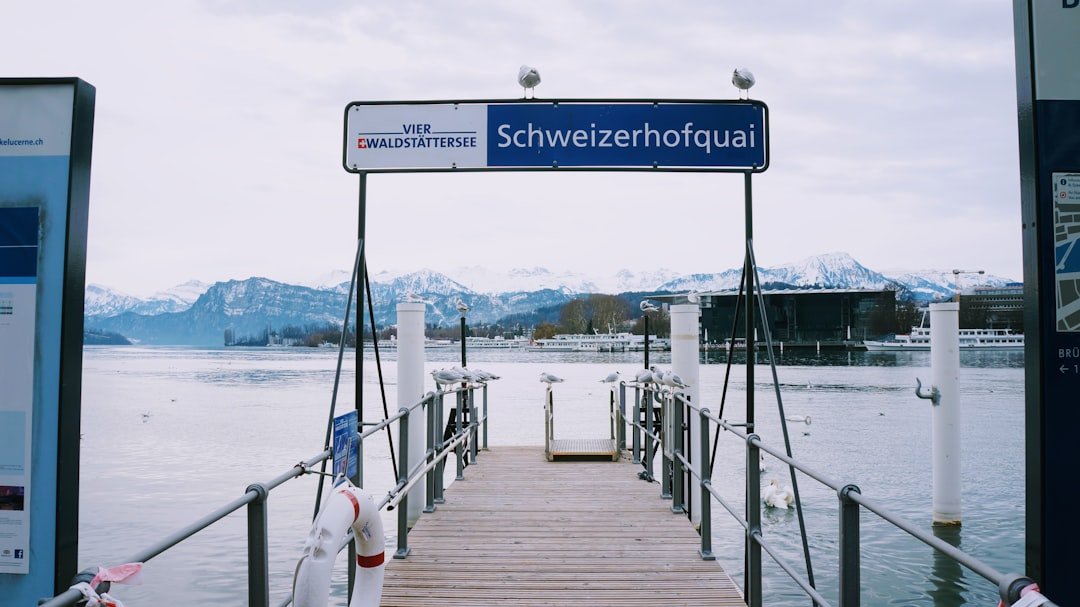
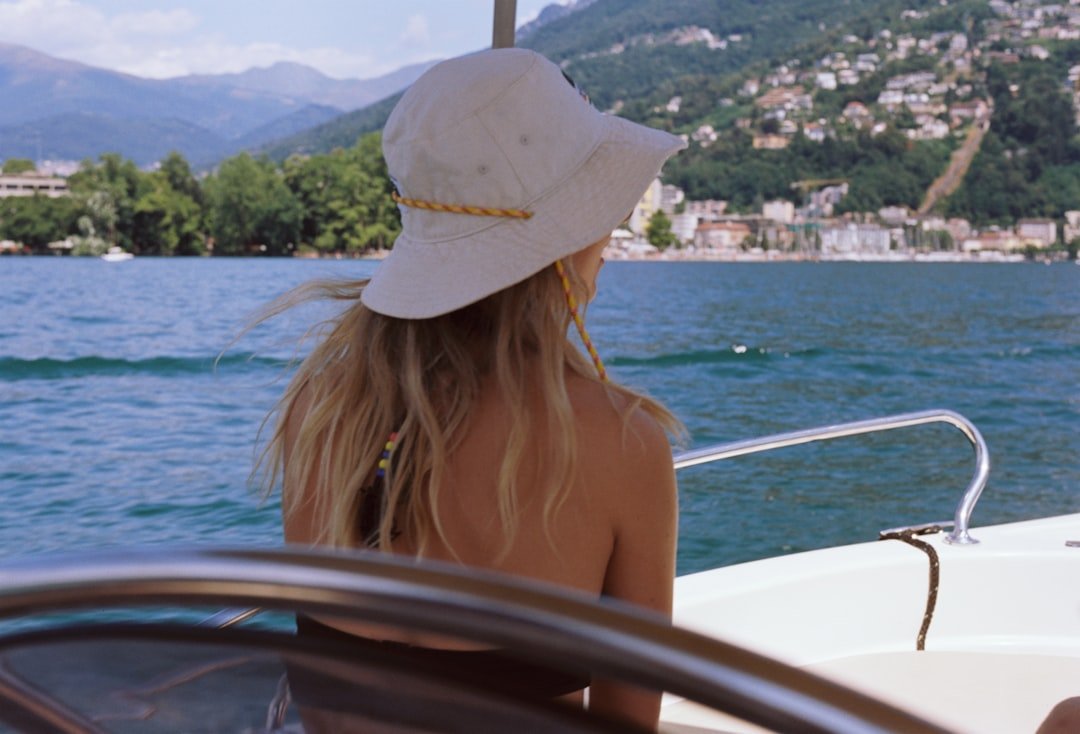
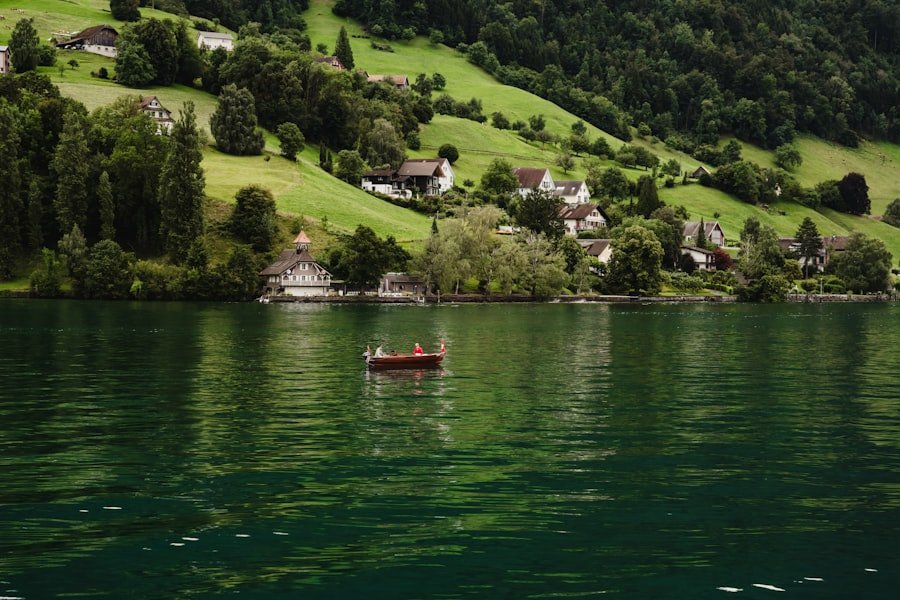
One of the most enjoyable ways to experience Switzerland is from the water. Instead of seeing the Alps, vineyards, historic towns, and lakeside villages through a train window, I can watch the landscape unfold slowly from an open deck. Scheduled boats also function as useful public transport, which means a cruise can be part of the journey rather than a separate sightseeing activity.
The experience changes from lake to lake. Lake Geneva combines major towns such as Lausanne, Montreux, and Geneva with French destinations across the water. Lake Lucerne is especially useful for combining a boat journey with mountain excursions. Lakes Thun and Brienz connect naturally with a Bernese Oberland itinerary, while Lake Zurich works particularly well for travelers already using Zurich’s regional public-transport network.
Historic vessels are part of the attraction too. On Lake Geneva, CGN operates a Belle Époque fleet that includes historic paddle steamers. Catering is available on selected vessels and sailings, but I never assume that a particular departure will use a steamer or provide a full meal. I check the operator’s timetable and vessel information first.
Types of Lake Cruise Passes and Tickets Available
The phrase “lake cruise pass” can refer to several very different ticket types in Switzerland. Understanding the distinction prevents me from paying for more coverage than I need.
Swiss Travel Pass and Swiss Travel Pass Flex
For an international visitor taking trains, buses, and several boat trips, the Swiss Travel Pass is often the first product worth checking. SBB states that it provides unlimited travel by train, bus, and boat within its area of validity. The standard pass is offered for 3, 4, 6, 8, or 15 consecutive travel days.
The Swiss Travel Pass Flex uses the same 3, 4, 6, 8, or 15-day choices, but the travel days can be selected within a one-month period. These products are intended for visitors whose permanent residence is outside Switzerland and Liechtenstein.
Note: “Included by the Swiss Travel Pass” normally refers to regular public-transport services within the pass validity network. Special event, culinary, charter, or premium sightseeing cruises can have separate rules or supplements.
Swiss Half Fare Card
If I am making fewer journeys, I also compare the Swiss Half Fare Card. It gives international visitors reduced fares on eligible train, bus, and boat journeys for one month. SBB currently lists the card at CHF 150, but I check the current price before purchase because fares can change.
This can make more sense than an unlimited pass when my itinerary has several quiet days or when I intend to buy only a few individual boat tickets.
Saver Day Pass
The SBB Saver Day Pass is another useful option when I know my travel date in advance. It is valid within the GA Travelcard area on the selected day and can therefore cover eligible boat routes as well as other public transport.
The important difference is that Saver Day Passes are quota-controlled and must be purchased in advance. The lowest price is therefore not guaranteed.
Lake Geneva: CGN Day Card
CGN operates the major passenger services on Lake Geneva and sells its own day card. Its current 2026 listing shows a full-fare day card at CHF 64 in 2nd class and CHF 90 in 1st class. Reduced fares are also available for eligible travelers.
The day card is most useful when I want to make several scheduled CGN journeys in one day rather than one simple point-to-point crossing. I check CGN’s current timetable and ticket information before building the itinerary.
Lake Lucerne: SGV Day Pass
Lake Lucerne Navigation Company, usually abbreviated SGV, sells route tickets and day passes. Its current full-fare all-year day-pass listing is CHF 86 for 2nd class and CHF 134 for 1st class. The company also lists reduced fares and winter products.
Regular scheduled cruises accept several Swiss public-transport products, including the Swiss Travel Pass, but special products can follow different rules. For example, SGV publishes separate validity conditions for the panorama yacht Saphir.
Lake Thun and Lake Brienz: BLS Day Pass
BLS offers a flexible day ticket covering Lake Thun and Lake Brienz, as well as a Lake Brienz-only option. This is particularly practical when I want to stop at several lakeside destinations instead of taking one uninterrupted cruise.
BLS currently states that Lake Thun boats operate year-round, while Lake Brienz services run from April 3 to December 6 in 2026. That difference is important when planning an off-season Bernese Oberland trip.
Lake Zurich: ZVV Zones Rather Than One Simple Lake Pass
Lake Zurich works differently. Regular ZSG boat journeys use the Zurich Transport Network, or ZVV, fare system. The ticket has to cover the required zones for the journey. Depending on my route, a single ticket, 24-hour ticket, 9 O’Clock Pass, Zürich Card, or another valid network product may be appropriate.
For that reason, I do not treat Lake Zurich as though it has the same day-pass structure as Lake Geneva or Lake Lucerne. I enter the exact boarding and arrival points in the current ZVV/ZSG journey planner before buying.
Which Swiss Lake Cruise Pass Is Best?
| Option | Best For | Key Point |
|---|---|---|
| Swiss Travel Pass | Visitors using trains, buses, and several regular boat services | Broad public-transport coverage over consecutive days |
| Swiss Travel Pass Flex | Trips with sightseeing days separated by non-travel days | Selected travel days within one month |
| Swiss Half Fare Card | Travelers taking fewer public-transport journeys | Reduced eligible fares for one month rather than unlimited travel |
| Saver Day Pass | A busy day combining eligible boats, trains, and buses | Advance purchase, quota-controlled pricing |
| Operator Day Pass | Several cruises on one lake in the same day | Available from operators such as CGN, SGV, and BLS |
| ZVV Ticket | Regular Lake Zurich journeys | Fare depends on the relevant ZVV zones and ticket type |
Pro Tip: I price the itinerary twice before buying: once using individual tickets and once using the relevant day or travel pass. A pass becomes more attractive when I make several journeys, but one short cruise can be cheaper with a simple route ticket.
Benefits of Using a Lake Cruise Pass
| Benefit | What It Means in Practice |
|---|---|
| Scenic travel | I can turn transportation between lakeside towns into part of the sightseeing experience. |
| Relaxation | A scheduled boat offers a slower alternative to making every transfer by road or rail. |
| Flexible stopovers | With an appropriate day pass, I can use several scheduled departures while the ticket remains valid. |
| Potential savings | Several paid boat segments can make a day pass cheaper than buying each trip separately, although this is not guaranteed. |
| Dining options | Food and restaurant service is available on selected vessels and departures, while dedicated culinary cruises may need a separate booking or ticket. |
| Easy combination with attractions | Boat stops can be combined with castles, lakeside towns, mountain railways, walks, museums, and other activities ashore. |
The biggest benefit for me is not simply “unlimited travel.” It is the ability to build the boat into a wider public-transport itinerary. A pass may let me arrive by train, cruise to another town, explore on foot, and continue by boat or rail without repeatedly buying separate transport products.
That flexibility still depends on the published timetable. If the final boat leaves at 17:00, having a day pass does not create a later departure. I therefore plan the last connection first and work backward when I want to make several stops.
Warning: Do not assume a regular public-transport pass covers every themed, culinary, charter, event, or premium sightseeing cruise. Check the exact product page before booking an experience cruise, even if your pass normally covers scheduled boats on that lake.
Top Destinations to Visit by Lake Cruise
Lake Geneva: Montreux, Chillon, Lausanne, and Yvoire
Lake Geneva gives me the widest mix of urban scenery, vineyards, historic sites, and international routes. Montreux works particularly well as a sightseeing base, while Chillon is an easy addition to a Riviera itinerary. Lausanne provides another major boarding point.
CGN also operates regular international lines including Nyon-Yvoire. Yvoire is in France, so I treat this differently from a purely domestic Swiss cruise.
Note: For a Lake Geneva trip into France, carry the identity and immigration documents required for your nationality and verify that your specific ticket or pass covers the international sector. A Swiss domestic transport product should never be assumed to cover every cross-border journey.
Lake Lucerne: Lucerne, Weggis, Vitznau, and the Mountain Connections
Lake Lucerne is my first choice when I want the boat ride to form part of a mountain day. Lucerne itself provides the obvious starting point, while communities such as Weggis and Vitznau make it easy to combine lake travel with Central Switzerland’s mountain transport network.
The scenery also changes noticeably as the boat travels away from Lucerne. Urban landmarks give way to steep slopes, villages, and increasingly dramatic mountain views, making longer journeys feel quite different from a short city cruise.
Lake Thun: Spiez, Oberhofen, and Interlaken West
Lake Thun is a practical choice for a day of hopping between lakeside attractions. BLS highlights towns, castles, mountain views, and connections at Thun and Interlaken West. Spiez is another appealing stop, especially when I want to combine the boat with a lakeside walk or rail journey.
Lake Brienz: Brienz, Iseltwald, and Giessbach
Lake Brienz has a quieter alpine feel and striking turquoise water. BLS services connect places such as Brienz, Iseltwald, and Giessbach. The Giessbach See landing is particularly useful for combining the cruise with the Giessbach Falls area.
The important planning point is seasonality. Unlike Lake Thun’s year-round service, BLS currently lists Lake Brienz navigation from April 3 to December 6 for the 2026 season.
Lake Zurich: Zurich and Rapperswil
Lake Zurich is especially easy to integrate into a stay in Zurich because regular boats form part of the ZVV public-transport fare system. ZSG publishes short and long lake cruises from Zurich as well as services elsewhere on the lake.
A short cruise works when I mainly want the water view, while a longer journey toward Rapperswil can become a substantial part of the day. ZSG’s published options range from roughly one-hour mini cruises to long cruises of around four and a half hours, so the original idea that Swiss lake cruises generally last only one to three hours is too restrictive.
Tips for Making the Most of a Swiss Lake Cruise Pass
Check the Exact Timetable Before Buying
I start with the journey, not the ticket. I choose the lake, boarding point, stops, and final destination first. Then I check the official timetable and compare the available fare products.
This is especially important outside the main summer period because service frequency and individual routes can change by season or day of the week.
Do Not Assume Every Boat Has the Same Facilities
Historic steamers, modern motor vessels, small boats, and special-event ships can have different layouts and facilities. Dining may be available on one departure but not another. First-class areas also differ between vessels.
Check Accessibility by Operator and Vessel
Accessibility is generally good on major Swiss navigation services, but it is not identical across every boat. CGN says wheelchair access usually depends partly on the vessel and passenger load. Lake Lucerne Navigation states that most of its fleet is wheelchair accessible, with an exception for its smallest vessel, while BLS also identifies a small-vessel exception.
If step-free access, an accessible toilet, or a specific deck is essential, I check the operator’s accessibility page before committing to the sailing.
Check Bike and Dog Rules Separately
A passenger ticket does not automatically settle the rules for a bicycle, dog, large scooter, or unusual luggage. Space for bicycles can be limited, and some operators use separate tickets or restrictions. The safest approach is to check the specific operator instead of assuming national train rules are identical on every boat.
Allow Time at Stopovers
One of my favorite ways to use a day pass is to break a long cruise into several shorter stages. That only works well when there is enough time between boats. I leave a margin rather than planning a stop that depends on walking from an attraction back to the pier at the exact departure minute.
Use First Class Selectively
First class can provide access to additional or less crowded deck areas on some vessels, but the benefit varies. If I only plan a short crossing, 2nd class may be completely adequate. For a long scenic cruise on a busy day, the upgrade can be more attractive.
Planning Your Lake Cruise Adventure in Switzerland
I begin by deciding whether the boat is the main attraction or simply one leg of a larger journey. That decision changes which ticket makes sense.
- One short cruise: compare a standard route or return ticket first.
- Several boat journeys on one lake: check the local operator’s day pass.
- Boat plus extensive train and bus travel: compare the Swiss Travel Pass or Saver Day Pass.
- Several journeys spread over a longer trip: compare the Swiss Half Fare Card or Swiss Travel Pass Flex.
- Lake Zurich: calculate the correct ZVV fare zones and compare the applicable network tickets.
I also check whether I want a circular sightseeing cruise or point-to-point transportation. A loop is simple because I return to the same pier. A point-to-point boat journey gives me more freedom to continue by train, bus, mountain railway, or on foot.
When Is the Best Season?
Late spring through early autumn generally gives me the broadest selection of sightseeing departures and pleasant opportunities to sit outside, but Swiss lake cruising is not limited to May through September.
Lake Lucerne sells an all-year day pass. BLS currently operates Lake Thun throughout the year, while Lake Brienz has a defined seasonal operating period. Lake Zurich and Lake Geneva also publish current timetables that should be checked for the exact travel date.
Rather than choosing a season from a generic rule, I look at the actual route I want and confirm that it operates on my date.
Do I Need a Reservation?
Ticket purchase and seat reservation are not always the same thing. For example, CGN explains that buying a standard ticket online does not guarantee a numbered seat. Special meals, events, and group travel can have different booking requirements.
If a particular departure is essential to my day, especially a culinary or event cruise, I check the reservation conditions rather than relying on a normal transport ticket.
Combining Lake Cruises with Other Swiss Attractions
One of the best features of Swiss lake travel is how naturally boats connect with trains, mountain transport, walks, and cultural attractions. Instead of treating a cruise as an isolated excursion, I can use it as part of a full-day route.
On Lake Geneva, I might combine Lausanne or Montreux with Chillon and another lakeside stop. On Lake Lucerne, I can build a route around one of the lake’s mountain connections. Around Lake Thun, castles and lakeside walks are natural stopovers. On Lake Brienz, Giessbach can turn a boat trip into a waterfall excursion. Lake Zurich makes it easy to combine a cruise with Zurich or Rapperswil.
The most useful Swiss lake ticket is not necessarily the one offering the most travel. It is the one that matches the exact boats, trains, stops, and travel days in the itinerary.
For me, this makes cruising Switzerland’s lakes more rewarding than simply buying the first “unlimited” pass I see. The scenery is still the main attraction, but understanding the ticket system means I can spend less time solving fare problems and more time enjoying the journey.
If I am packing a simple snack for the day, fruit can be convenient between sailings. For a separate food idea, the site’s existing guide to Asian melon covers that topic. I treat it as an optional food read rather than part of the cruise-ticket planning itself.
Sources
- SBB: Swiss Travel Pass — national pass validity, travel days, eligibility, and boat coverage.
- SBB: Saver Day Pass — advance purchase, quota availability, and area of validity.
- CGN: Lake Geneva Timetables and Tickets — 2026 schedules, international lines, and local cruise products.
- Lake Lucerne Navigation Company — route tickets, day passes, fare examples, and transport conditions.
- BLS: Lake Thun and Lake Brienz Cruises — day-ticket options, destinations, and 2026 operating periods.
- ZVV: Ticket and Boat Travel FAQ — fare-zone requirements for regular Lake Zurich boat journeys.
Frequently Asked Questions
What are the popular lakes for cruises in Switzerland?
Popular choices include Lake Geneva, Lake Lucerne, Lake Zurich, Lake Thun, and Lake Brienz. They offer different experiences: Lake Geneva combines cities and international routes, Lake Lucerne works well with mountain excursions, Lakes Thun and Brienz suit Bernese Oberland itineraries, and Lake Zurich integrates with the ZVV transport network.
Is there one lake cruise pass for all of Switzerland?
There is no single local lake-company pass covering every Swiss cruise. The Swiss Travel Pass provides broad coverage on regular public-transport boats within its validity network, while individual operators and regional transport systems also sell their own tickets and day passes.
Does the Swiss Travel Pass include lake cruises?
It includes regular boat travel across the Swiss Travel Pass validity network. Special themed, culinary, charter, event, or premium sightseeing cruises can have different conditions, so check the individual product before assuming it is included.
What are the highlights of a lake cruise in Switzerland?
Highlights can include Alpine views, historic towns, vineyards, castles, waterfalls, mountain connections, and historic vessels. Examples include the Lake Geneva Riviera and Chillon area, Central Switzerland around Lake Lucerne, the castles of Lake Thun, Giessbach on Lake Brienz, and longer Lake Zurich journeys toward Rapperswil.
What types of cruises are available on Swiss lakes?
Options include regular point-to-point passenger boats, circular sightseeing cruises, historic-steamer sailings, dining cruises, special-event cruises, and private charters. Ticket and reservation rules differ, particularly for special experiences.
Are guided tours or commentary available during Swiss lake cruises?
Commentary and guided content depend on the operator, vessel, and specific cruise. It should not be assumed to be included on every scheduled passenger boat. Check the description of the exact cruise if onboard commentary is important to you.
What is the best time of year to take a lake cruise in Switzerland?
Late spring through early autumn usually provides a wide selection of sightseeing services and comfortable outdoor-deck weather, but some lakes operate beyond that period. Lake Thun has year-round service, Lake Lucerne has year-round products, and other routes follow seasonal timetables. Always check the exact travel date.
How long do lake cruises in Switzerland typically last?
There is no single standard duration. Short sightseeing circuits can take around an hour, while longer scheduled cruises can last several hours. A hop-on/hop-off itinerary with lakeside stops can easily become a half-day or full-day excursion.
Are Swiss lake cruises wheelchair accessible?
Many major vessels are accessible, but access varies by operator, boat, deck, and landing stage. Travelers who require step-free boarding, an accessible toilet, or access to a particular class or deck should check the operator’s accessibility information for the exact sailing before departure.