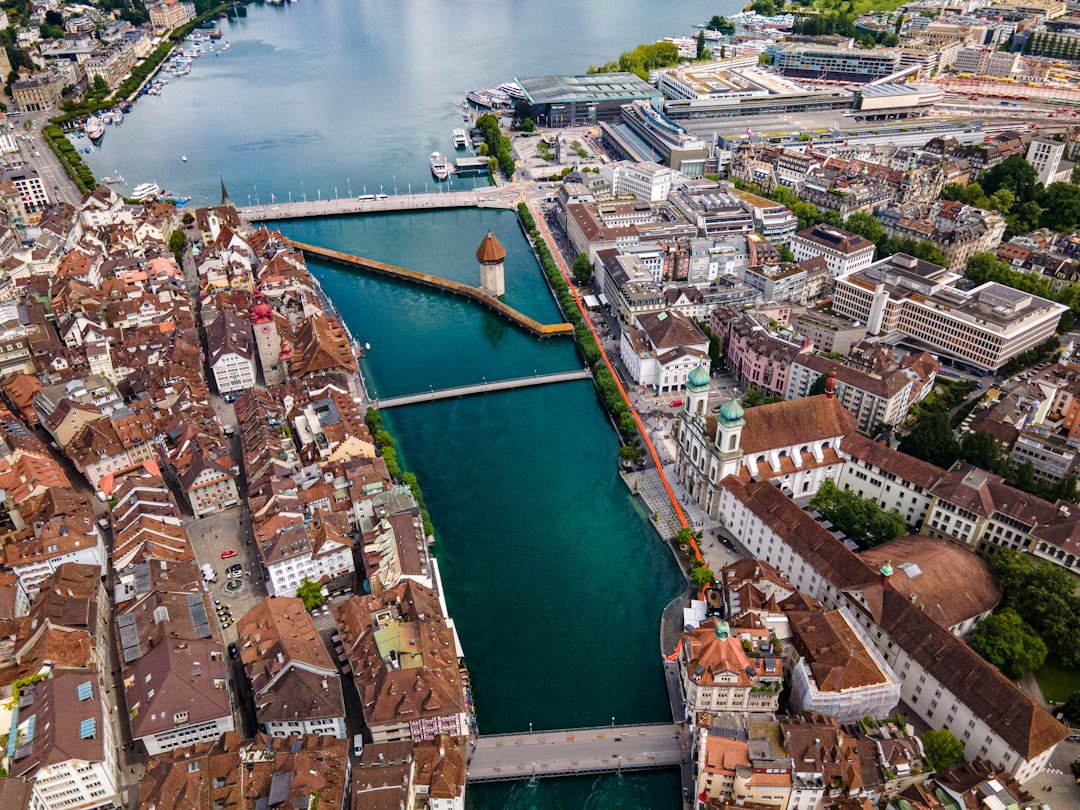
Interlaken is one of Switzerland’s easiest places to combine mountain, lake, village, and adventure photography in a compact area. Set between Lake Thun and Lake Brienz, the town also gives you clear access to viewpoints above the valley and the dramatic peaks of the Jungfrau region. The best photo spots range from easy town-centre viewpoints to seasonal mountain excursions.
Quick Answer
The best photo spots in Interlaken include Höhematte for a classic Jungfrau view, Harder Kulm for lakes and mountains from above, Lake Thun and Lake Brienz for waterside scenery, Unterseen for historic streets, Schynige Platte for high-alpine panoramas, Iseltwald for lakeside village scenes, and nearby Aare Gorge for dramatic nature photography.
Key Takeaways
- Höhematte is one of the easiest places to photograph the Jungfrau massif without leaving central Interlaken.
- Harder Kulm is the strongest elevated viewpoint for photographing Interlaken between Lake Thun and Lake Brienz.
- Lake Brienz is especially attractive when its turquoise colour is visible, while Lake Thun offers broader blue-water and mountain compositions.
- Unterseen is better for historic architecture and street scenes than sweeping alpine panoramas.
- Schynige Platte is a seasonal mountain excursion and should be checked against current railway operating dates before a photography trip.
- Weather matters more than camera gear. Clear mountain visibility, cloud height, wind, and the direction of light can completely change a photograph in the Alps.
Best Photo Spots in Interlaken at a Glance
| Photo Spot | Best For | Access | Best Approach |
| Höhematte | Jungfrau views, paragliders, easy town photography | Very easy | Visit when the Jungfrau is clear of cloud |
| Harder Kulm | Interlaken, both lakes, alpine panorama | Funicular | Late-day light can be especially attractive |
| Lake Brienz | Turquoise water, villages, reflections | Train, boat, bus or car depending on spot | Look for calm water and elevated views |
| Lake Thun | Blue water, boats, mountains | Easy regional access | Use shoreline foregrounds for depth |
| Unterseen | Old-town architecture, Aare, street scenes | Walk from central Interlaken | Explore around Stadthausplatz and the river |
| Schynige Platte | High-alpine panorama | Seasonal mountain railway | Check weather and operating dates first |
Höhematte: The Classic Jungfrau Photo in Central Interlaken
If you want an unmistakable Interlaken photograph without taking a train, cable car, or long hike, begin at Höhematte. The large green space sits beside the Höheweg and preserves an open view toward the Jungfrau massif.
Interlaken Tourism identifies Höhematte as an official Grand Tour of Switzerland photo spot. It is also a frequent landing area for paragliders, which can add movement and scale to photographs when conditions are suitable.
For a simple composition, place the meadow in the foreground and the Jungfrau behind it. A longer focal length can make the mountain appear more prominent, while a wider phone or camera lens works well when you want to include hotels, trees, flowers, or paragliders.
Pro Tip: Check the mountain before committing to a long excursion. If the Jungfrau is hidden behind thick cloud from Höhematte, higher viewpoints may also have limited visibility. Alpine weather can change quickly, so check again later rather than assuming the view is lost for the entire day.
The Iconic Jungfrau Region
The Eiger, Mönch, and Jungfrau form the defining mountain backdrop for many photographs taken around Interlaken. You do not need to travel all the way into the high mountains to include them in your compositions. Höhematte, Harder Kulm, Schynige Platte, and several locations around the lakes offer different perspectives.
For landscape photography, mountain visibility is often more important than the exact time on the clock. A clear period shortly after changing weather can produce crisp peaks, while broken clouds can add more drama than a completely empty blue sky.
If you travel deeper into the Jungfrau region, railway and mountain excursions provide much higher viewpoints, but they also require more time and are more affected by weather. Check webcams and operating information before spending money on a mountain journey solely for photography.
Lakeside Photo Spots at Lake Thun and Lake Brienz

Interlaken’s position between Lake Thun and Lake Brienz gives photographers two very different bodies of water to explore. Lake Thun is known for deep-blue water and broad mountain scenery, while Lake Brienz is particularly famous for its turquoise appearance.
Interlaken Tourism recommends photographing Lake Brienz from elevated locations when you want its turquoise colour to stand out. At water level, boats, jetties, trees, rocks, and shoreline buildings can provide foreground interest.
Calm early conditions can create stronger reflections, although there is no guarantee that the lakes will be still. Wind, clouds, season, and changing light can completely alter the colour and texture of the water.
Boat trips can also give you compositions that are impossible from shore. Remember that a moving boat makes long exposures difficult, so use a faster shutter speed when photographing mountains or villages from the deck.
Harder Kulm: The Best Elevated View Over Interlaken
| Location | Above Interlaken, Switzerland |
| Elevation | About 1,322 meters |
| View | Interlaken, Lake Thun, Lake Brienz, and the Bernese Alps |
| Access | Harder funicular from near Interlaken Ost; journey takes about 10 minutes |
| Facilities | Viewing area, panorama restaurant, and nearby walking opportunities |
Harder Kulm is the natural choice when you want to show Interlaken’s geography in a single image. From above, you can see the town lying between Lake Thun and Lake Brienz with the Bernese Alps forming the distant backdrop.
According to Jungfrau Railways, the funicular journey from the valley station takes about 10 minutes. The official panorama restaurant is listed at an elevation of 1,322 meters.
A wide-angle lens or a smartphone’s main camera works well for the broad scene. A moderate telephoto lens is useful when you want to isolate the town, sections of either lake, or mountain peaks.
Harder Kulm can also work well late in the day because the elevated viewpoint lets you watch light change across the valley. If sunset is your main purpose, check the day’s funicular schedule before going up so you know when the last descent operates.
Adventure Photography in the Swiss Alps
Interlaken is strongly associated with activities such as paragliding, canyoning, hiking, and other outdoor adventures. For photographers, these activities provide something that pure landscapes do not: a clear subject that shows the scale of the mountains.
Höhematte is particularly useful for photographing paragliders because pilots regularly land in the central meadow. A faster shutter speed can freeze a paraglider in the air, while a wider composition can show the relationship between the person, the town, and the mountains.
If you are photographing an activity in which you are participating, safety should take priority over getting the shot. Use secure straps where appropriate and follow your guide’s instructions rather than stopping in unsafe locations for photographs.
The Charming Old Town of Unterseen

For a break from wide mountain landscapes, walk into Unterseen. The historic old town is only a short distance from central Interlaken, but its atmosphere is different from the hotel-lined Höheweg.
Traditional buildings, narrow streets, the River Aare, bridges, and the area around Stadthausplatz provide subjects for architecture and street photography. Interlaken Tourism describes Stadthausplatz as the heart of the old town.
Look for layers rather than photographing individual buildings straight on. A doorway, flowers, a street sign, café furniture, or part of a bridge can create a foreground that leads the eye toward the architecture behind it.
Morning can be useful if you prefer quieter streets. Later in the day, people and café activity can add more life to the scene.
Schynige Platte for High-Alpine Panorama Photos
Schynige Platte is one of the strongest choices for photographers who want a higher alpine perspective without focusing only on Interlaken itself. The area is reached by a historic mountain railway from Wilderswil and offers broad views toward the Eiger, Mönch, and Jungfrau.
The railway is seasonal rather than a year-round attraction. For 2026, Jungfrau Railways lists the Schynige Platte season from June 13 through October 25. Future visitors should always check the current timetable rather than relying on an old article.
Once you are high above the valley, weather becomes especially important. Low cloud can hide the major peaks completely, while openings between clouds can create striking shafts of light and layered mountain photographs.
Note: A costly mountain excursion is not automatically a better photography choice. On a cloudy day, an easy location such as Unterseen or the lakeshore may produce better photographs than a high viewpoint hidden inside cloud.
Hidden Photo Gems Near Interlaken
Iseltwald on Lake Brienz
Iseltwald is a picturesque lakeside village on the southern shore of Lake Brienz and works especially well when you want smaller-scale village scenes rather than a huge panorama. The shoreline, boats, wooded slopes, and turquoise water create several layers for composition.
Try photographing along the waterfront with boats or shoreline structures in the foreground. A polarizing filter can sometimes reduce glare and strengthen colour, although rotating it too aggressively can make blue skies or water look uneven.
Aare Gorge
Aare Gorge is not in central Interlaken, but it is a worthwhile photography excursion in the Meiringen/Haslital area. The official attraction says the journey from Interlaken by road takes about 30 minutes.
Aare Gorge is about 1,400 meters long and reaches depths of up to about 200 meters. Its narrow limestone walls, glacial water, and walkways create very different photographs from Interlaken’s open lake-and-mountain scenery.
The gorge can be significantly darker than an open landscape. Modern phones often compensate automatically, but camera users may need a higher ISO or image stabilization. Do not block narrow walkways with a tripod or step outside designated paths for a composition.
Capturing Interlaken at Sunrise and Sunset
Golden-hour light can be excellent in Interlaken, but mountain geography makes the situation more complicated than simply arriving one hour before sunset. Peaks and slopes can block direct light earlier than the published sunset time, while clouds can either ruin visibility or create the best colour of the day.
Harder Kulm is a strong late-day option when operating schedules allow because it looks across the valley from above. Höhematte is much easier if you want to react quickly to changing light without committing to transportation.
The lake shores can be rewarding when the sky develops colour because reflections can double the visual impact. Use a stable support if the light becomes dim, but avoid leaving equipment where it creates a hazard for pedestrians.
The best Interlaken photograph often depends less on finding a secret location and more on matching a proven viewpoint with clear mountains, interesting light, and a strong foreground.
Photography Tips for Interlaken
Check the Weather and Webcams First
Mountain weather changes quickly. Check the forecast and, where available, live webcams before paying for an elevated excursion. A forecast describing the entire day as cloudy does not always tell you whether the peaks will become visible for short periods.
Use Foregrounds to Give Mountains Scale
Lake edges, flowers, boats, traditional buildings, meadow fences, and people can make mountain photographs feel less flat. Instead of placing a peak alone in the centre of the frame, look for something nearby that leads the eye toward it.
A Smartphone Is Enough for Most Easy Viewpoints
You do not need professional equipment to photograph Interlaken. A modern smartphone handles Höhematte, Unterseen, lake scenes, and many Harder Kulm compositions well. Avoid excessive digital zoom; move closer when possible or use the phone’s optical telephoto camera if it has one.
For Cameras, a Small Two-Lens Kit Is Versatile
A wide or standard zoom works for lakes, streets, and broad panoramas. A moderate telephoto lens helps isolate mountain peaks, distant villages, paragliders, and details across the lakes. Carrying less equipment can be more comfortable on mountain excursions.
Protect Your Equipment From Alpine Weather
Even when Interlaken itself feels warm, higher viewpoints can be cooler, windier, or wetter. A small rain cover or waterproof bag gives cameras and electronics extra protection when conditions change.
Warning: Do not cross barriers, leave marked paths, stand on exposed edges, or enter restricted areas for a photograph. Mountain weather and terrain can change quickly, and designated barriers should always take priority over composition.
Photography Privacy and Drone Rules
Ordinary travel photography in public areas is different from having unrestricted permission to photograph or publish identifiable people. Switzerland’s Federal Data Protection and Information Commissioner explains that privacy and the right to one’s image must be considered, especially when an identifiable person is the main subject or when photographs are published.
At museums, restaurants, transport facilities, private properties, events, and paid attractions, follow any posted photography policies and staff instructions.
Drone photography has additional rules. The Swiss Federal Office of Civil Aviation states that open-category drone operations are generally limited to a maximum of 120 meters above ground and include requirements concerning uninvolved people and visual line of sight. Geographical restrictions can also apply.
Check the official Swiss drone map and current FOCA requirements before every flight rather than assuming a scenic area is legal for takeoff or flight.
Frequently Asked Questions
What are the best photo spots in Interlaken?
Start with Höhematte for the classic Jungfrau backdrop and Harder Kulm for an elevated panorama over Interlaken, Lake Thun, and Lake Brienz. Other strong choices include the lakeshores, Unterseen Old Town, Schynige Platte, Iseltwald, and Aare Gorge as a nearby excursion.
What is the best time of day to take photos in Interlaken?
Early and late light can be attractive, but mountain visibility matters just as much as the time of day. Early conditions may also provide calmer lakes and quieter streets. For sunset, check whether surrounding mountains will block the light from your chosen viewpoint and confirm return transport from mountain locations.
Is Harder Kulm a good sunset photography spot?
Yes. Harder Kulm’s elevated position provides a broad view over Interlaken and the two lakes, making changing evening light particularly useful for photography. Check the day’s funicular timetable before going up so that you know the last available trip back down.
Is Schynige Platte open all year?
No. The mountain railway is seasonal. For 2026, Jungfrau Railways lists operations from June 13 through October 25. Always confirm current operating dates and weather before planning a photography trip.
Are there photography restrictions in Interlaken?
General sightseeing photography is possible in many public areas, but you should respect privacy, private property, attraction-specific rules, and requests from people you photograph. Publishing recognizable photographs of individuals can raise additional privacy considerations under Swiss law.
Can I fly a drone in Interlaken?
Do not assume that you can fly anywhere. Swiss federal drone regulations include altitude, people, visual-line-of-sight, registration, and geographical-restriction requirements. Check the current FOCA rules and official geographical restrictions for your exact launch and flight area before flying.
What camera gear should I bring to Interlaken?
A smartphone is enough for most sightseeing photos. Camera users can cover most situations with a standard or wide zoom plus a moderate telephoto lens. A lightweight tripod can help around sunrise, sunset, or darker locations, but it should never obstruct busy paths or narrow walkways.
Sources
- Interlaken Tourism: Photo Hotspots – official guidance on photo locations around Interlaken, Lake Thun, and Lake Brienz.
- Jungfrau Railways: Harder Kulm – official access, funicular journey, and viewpoint information.
- Jungfrau Railways: Schynige Platte – official mountain railway and seasonal operating information.
- Aare Gorge – official gorge dimensions, visitor information, and access details.
- Swiss Federal Data Protection and Information Commissioner: Photos and Privacy – guidance on photographing people and publishing identifiable images.
- Swiss Federal Office of Civil Aviation: Drone Flight Rules – current federal rules relevant to aerial photography.