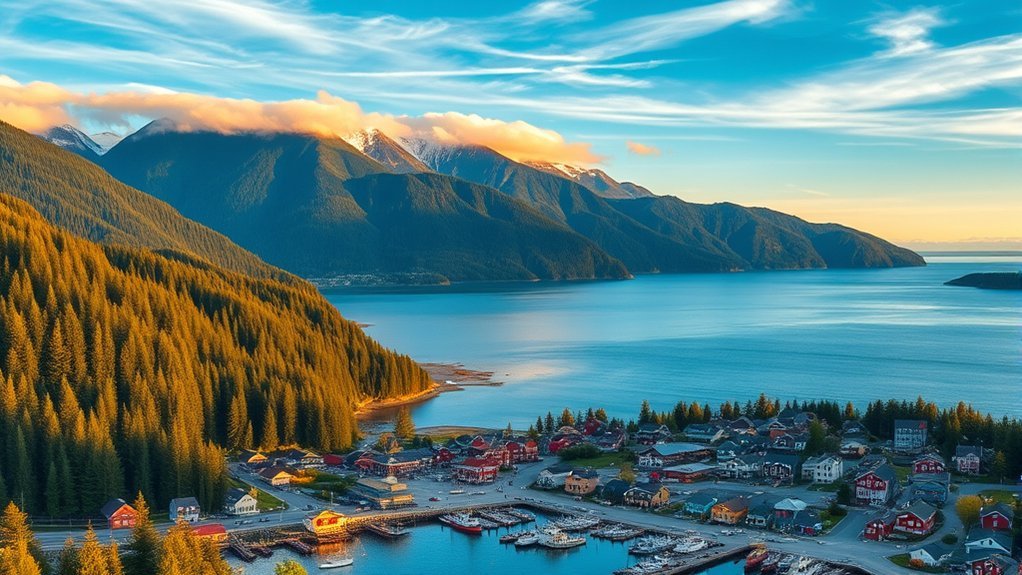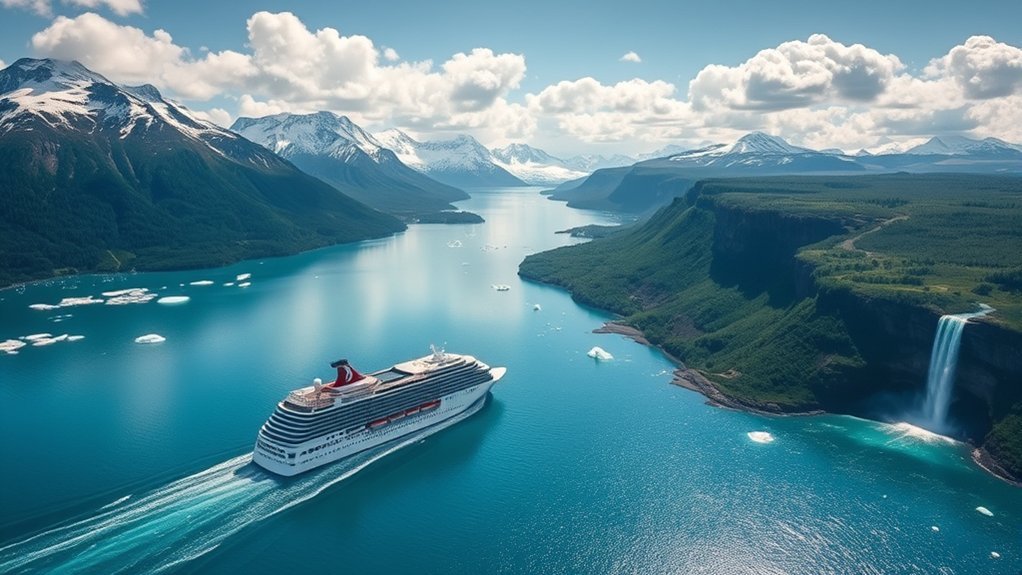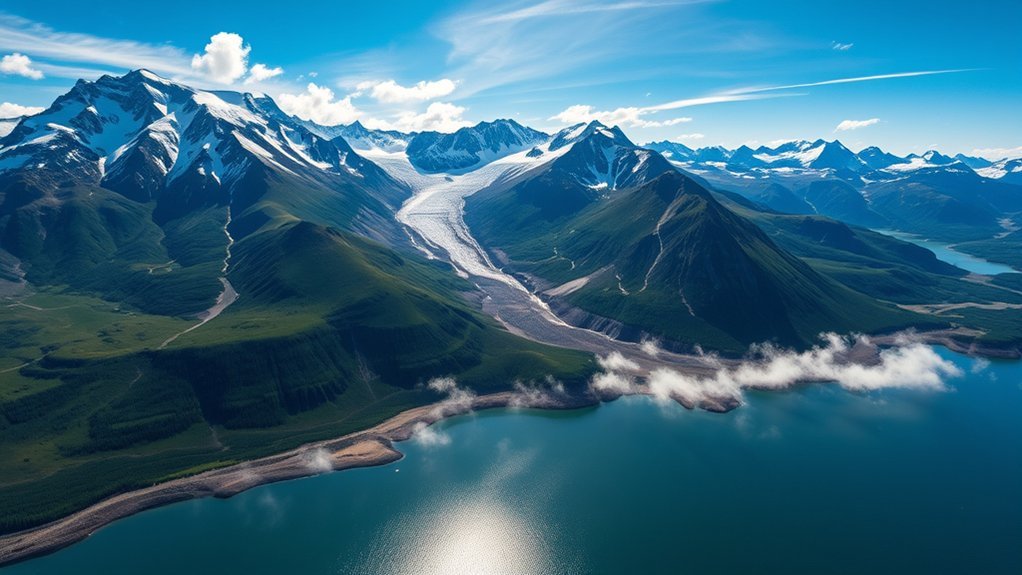
If you’re building an Alaska bucket list, the hardest part is deciding what to leave out. Alaska offers national parks, glacier-filled fjords, wildlife viewing, historic towns, scenic highways, fishing, rail journeys, Alaska Native cultural experiences, and some of the best northern lights viewing in North America. The key is matching each experience to the right season and understanding that Alaska’s enormous distances can make a shorter, focused trip more rewarding than trying to see everything at once.
Quick Answer
An Alaska bucket list should balance big landscapes, wildlife, culture, and realistic logistics. Prioritize Denali National Park, the Inside Passage, Glacier Bay, Kenai Fjords, Skagway, the Seward Highway, Wrangell-St. Elias, the Kenai River, the Iditarod in March, and northern lights viewing during Alaska’s dark season.
Key Takeaways
- June through August gives you the widest selection of cruises, wildlife tours, hiking opportunities, and visitor services, while the broader summer season runs roughly May through September.
- Northern lights travel is different from a classic summer trip. Dark skies become useful again from roughly late August through April.
- Check current conditions before every park visit. Road access, trail conditions, weather, permits, and wildlife restrictions can change.
- Do not underestimate Alaska’s scale. Cruise ports, Interior destinations, Southcentral road trips, and remote fly-in parks may require very different transportation plans.
- Build safety into the itinerary. Alaska is bear country, weather changes quickly, and some of the best experiences take place far from immediate help.
Plan Your Alaska Bucket List by Season
There is no single best month for every experience on this list. A summer trip favors hiking, road travel, cruises, fishing, and marine wildlife tours. A winter or shoulder-season trip gives you darker skies, snow-based activities, and a better opportunity to see the aurora.
| Experience | Typical Best Window | Planning Note |
|---|---|---|
| National park road trips and hiking | Late spring through early fall | Individual roads, trails, and visitor services have their own opening dates. |
| Inside Passage and glacier cruises | Late spring through early fall | Summer has the broadest cruise and excursion selection. |
| Kenai Fjords boat tours | Summer | Longer tours can reach farther into the park when marine conditions permit. |
| Brooks Falls bear viewing | Especially July; bears are also prominent around Brooks Camp in September | Flights and lodging or campground space can require early planning. |
| Iditarod spectator experience | March | Check the current race calendar and route before booking. |
| Northern lights | Roughly late August through April | You still need darkness, clear skies, and sufficient auroral activity. |
Pro Tip: If your biggest priorities are summer wildlife, cruises, and hiking, plan around those rather than forcing a northern lights night into the itinerary. If the aurora is your top goal, build the trip around darker months and choose winter-friendly experiences to match.
Build a Realistic Alaska Route
Alaska is too large to treat like a normal road-trip state. Juneau is not connected to Anchorage by road, many Inside Passage communities depend on ships or aircraft, and destinations such as Katmai require air or water access.
For a shorter trip, concentrate on one or two connected areas. Anchorage, the Kenai Peninsula, and Denali can fit naturally into a Southcentral and Interior itinerary. An Inside Passage cruise or ferry journey works better as its own coastal route. Remote destinations such as Katmai or deep Wrangell-St. Elias backcountry require additional transportation and weather flexibility.
Warning: Alaska weather, wildlife, water conditions, road construction, and remote access can change quickly. Check official conditions before departure, carry appropriate layers and rain protection, give wildlife plenty of space, and use bear-country precautions on trails. In remote areas, do not assume you will have cellular service.
Explore Denali National Park
Denali National Park and Preserve surrounds more than six million acres of mountains, tundra, rivers, and wildlife habitat. The park protects North America’s highest peak, the 20,310-foot Mount McKinley, and remains one of Alaska’s defining wilderness destinations.
Wildlife viewing is a major reason to visit. Depending on your location, season, and luck, you may see grizzly bears, moose, caribou, Dall sheep, wolves, ground squirrels, or other wildlife. Sightings are never guaranteed, which is part of what makes the park feel wild rather than staged.
You can also explore maintained trails near the park entrance and visitor areas. Options range from relatively easy walks to steeper routes such as the Mount Healy Overlook Trail. Denali also allows off-trail hiking in many areas, but backcountry travel demands stronger navigation, wildlife-awareness, and self-rescue skills.
2026 Access Note: The National Park Service says buses remain limited to the East Fork area around Mile 43 during summer 2026 because of the Pretty Rocks project. NPS expects the full Park Road and full bus service to resume in 2027. Check current conditions before choosing a tour or campground.
Whether you camp, hike, join a bus trip, visit the sled dog kennels, or simply watch the landscape change across the tundra, Denali rewards travelers who allow enough time for weather and wildlife to set the pace.
Cruise the Inside Passage
Alaska’s Inside Passage is a roughly 500-mile coastal region of islands, temperate rainforest, fjords, glaciers, and communities that are often easier to reach by ship or aircraft than by road. You can experience it on a large cruise ship, smaller expedition vessel, ferry, or a combination of independent coastal transportation.
Scenic Coastal Landscapes
As you move through the protected waterways, forested islands and steep mountains rise from the sea. Snowfields, waterfalls, rocky shorelines, coves, and tidewater-glacier landscapes create constantly changing views.
The weather is part of the experience. Southeast Alaska is a temperate rainforest, so waterproof outer layers are useful even during summer. Clear days can reveal long mountain views, while mist and low clouds can transform the same channel into a very different landscape.
Wildlife Spotting Opportunities
Keep watch for sea otters, seals, Steller sea lions, humpback whales, killer whales, bald eagles, and other marine and coastal wildlife. What you see depends on season, location, food availability, weather, and simple luck.
Binoculars are more useful than trying to approach wildlife. Responsible viewing protects both animals and visitors, and marine mammals may be subject to minimum-distance rules that guides and vessel operators must follow.
Port Stops Excursions
Inside Passage itineraries often include communities such as Juneau, Ketchikan, Sitka, Haines, and Skagway.
In Juneau, travelers can visit the Mendenhall Glacier area, join a whale-watching excursion, explore local trails, or learn more about Southeast Alaska’s culture and history.
Sitka combines coastal scenery with strong Tlingit cultural connections, Russian-American history, museums, trails, and wildlife attractions.
Ketchikan is known for its waterfront setting, fishing heritage, Alaska Native art and culture, and access to the surrounding rainforest.
Kayaking, hiking, local food, historical tours, wildlife excursions, and small-boat trips can turn each port into a different experience instead of treating the Inside Passage as scenery viewed only from a ship.
Visit Glacier Bay National Park
Glacier Bay National Park and Preserve combines tidewater glaciers, mountains, marine ecosystems, and a long record of environmental change. For many visitors, the classic experience is traveling into the bay by cruise ship or summer tour boat and watching for glaciers and wildlife along the way.
Active tidewater glaciers can calve, sending ice into the water, although the timing and size of any calving event cannot be predicted. Wildlife possibilities include humpback whales, killer whales, sea otters, harbor seals, Steller sea lions, bears, seabirds, and other species.
Kayaking offers a much quieter perspective, but Glacier Bay is not casual paddling territory. Cold water, tides, weather, vessel traffic, distance, and wildlife all matter. The National Park Service kayaking guidance should be part of your planning, especially for multi-day trips.
During the regulated summer backcountry season, overnight backcountry users must follow current park registration and orientation requirements. Guided options and kayak rentals may be available for travelers who do not have the skills or equipment for an independent expedition.
Experience the Iditarod Trail Sled Dog Race
The Iditarod Trail Sled Dog Race brings together long-distance mushers and trained sled-dog teams for a journey of roughly 1,000 miles to Nome. The exact route and mileage can change with conditions, so it is better to think of the Iditarod as a changing Alaska winter route rather than a fixed course.
If you want to experience the race as a visitor, plan for March and check the official Iditarod website for the current calendar, ceremonial start, official restart, route, and spectator information.
Race History and Tradition
Dog-powered winter travel in Alaska long predates the modern race. Sled dogs were historically important for transportation, trading, trapping, communication, and travel between communities, including Alaska Native communities whose winter routes formed part of the wider trail network.
The modern Iditarod also helped draw attention to the historic trail and to Alaska’s sled-dog tradition. The route uses portions of the much larger Iditarod National Historic Trail system.
Do not rely on a single mileage figure when planning around the event. Weather and trail conditions can force route changes. For example, the 2025 race used an approximately 1,128-mile Fairbanks route, while other years follow different alignments.
Spectator Experience Highlights
For spectators, the excitement comes from seeing teams, handlers, volunteers, and communities prepare for a major winter event. The ceremonial start offers one of the easiest opportunities for visitors to watch teams in a more accessible setting.
Cold-weather clothing matters. Warm insulated boots, gloves, wind protection, and multiple layers can make the difference between enjoying several hours outside and retreating early.
Respect barriers and race officials, never approach working dogs without permission, and remember that the dogs are athletes being managed by their teams before and during competition.
Mushers and Their Teams
The relationship between mushers and their dogs is built through training, communication, conditioning, and daily care. A musher needs to understand individual dogs as well as the team as a whole.
- Communication: Mushers use verbal commands and learn to read changes in pace, behavior, and body language.
- Teamwork: Dogs take different positions within a team, including lead and wheel roles, depending on their strengths.
- Conditioning and care: Long-distance racing depends on training, nutrition, rest, foot care, veterinary oversight, and decisions about whether a dog should continue.
Watching the Iditarod is therefore not only about speed. It is also an opportunity to understand a living Alaska mushing tradition and the amount of preparation behind each team.
Discover the Wildlife of Kenai Fjords
Kenai Fjords National Park, reached most commonly from Seward, combines the Harding Icefield, tidewater glaciers, steep coastal mountains, and marine habitat. Summer boat tours are one of the easiest ways to experience the park because most of its coastline is not reached by road.
Depending on the trip and conditions, you may encounter humpback whales, killer whales, sea otters, Steller sea lions, harbor seals, porpoises, bald eagles, puffins, and other seabirds.
| Wildlife | What to Know |
|---|---|
| Humpback Whales | Migratory whales that may be seen feeding or surfacing in coastal waters. |
| Sea Otters | Often seen floating at the surface and feeding in nearshore marine habitat. |
| Steller Sea Lions | Large marine mammals that may gather at rocky haul-outs. |
| Bald Eagles | Common coastal raptors that may be spotted along shorelines and cliffs. |
Several companies operate summer tours from Seward. Full-day trips generally travel farther toward tidewater glaciers, while shorter trips may remain closer to Resurrection Bay. Review the National Park Service boat-tour guidance before choosing a trip.
Experienced paddlers can also kayak in the park, but cold water and rapidly changing marine conditions make preparation essential. Guided kayaking is a safer choice when you lack local sea-kayaking experience.
Tour the Historic Town of Skagway
Skagway gives you one of Alaska’s clearest connections to the Klondike Gold Rush. Historic buildings, preserved sites, mountain passes, and the railway help explain why thousands of stampeders passed through this area during the rush of the late 1890s.
Rich Gold Rush History
Start with Klondike Gold Rush National Historical Park, where exhibits, historic buildings, ranger programs, and nearby sites explain the story of Skagway, Dyea, the Chilkoot Trail, and White Pass.
- Historic White Pass route: The original White Pass Trail was an important gold-rush route, but much of it has since been disturbed by railroad, highway, and river development. Today, portions of its story and landscape are better viewed from the highway, railway, and historical interpretation sites rather than treated as a conventional hiking trail.
- Chilkoot Trail: This 33-mile historic route began as a Tlingit trade route and later became one of the major Klondike routes. Current access rules can change.
- Historic Skagway: Preserved buildings and museum exhibits make it possible to understand the boomtown without committing to a backcountry hike.
2026 Chilkoot Note: Current NPS guidance says hikers may use the U.S. or Canadian sides of the Chilkoot Trail but may not legally cross the international border at Chilkoot Pass in 2026. Summer overnight hiking also involves permits and required planning. Check conditions before your trip.
Scenic Train Rides
A ride on the White Pass & Yukon Route is one of Skagway’s signature experiences. The railway climbs from the coast toward White Pass through steep mountain terrain associated with the gold-rush story.
Along the way, you can see waterfalls, valleys, historic transportation corridors, and mountain scenery while learning why this route was so important to the region. It is a practical way to connect landscape and history without attempting a demanding backcountry route.
Local Art and Culture
Skagway’s story is broader than the gold rush. Look for galleries, locally made art, community events, museums, and interpretation of the Tlingit history that predates the arrival of stampeders.
When buying Alaska Native art, seek work that clearly identifies the artist and cultural affiliation rather than assuming every souvenir with a Northwest Coast design is locally or authentically made.
Ride the Alaska Railroad
A scenic train journey belongs on many Alaska bucket lists because it combines transportation with access to landscapes that can be difficult to appreciate from a highway.
The Alaska Railroad operates several passenger routes. Summer options include the Denali Star between Anchorage, Talkeetna, Denali, and Fairbanks; the Coastal Classic between Anchorage, Girdwood, and Seward; and the Glacier Discovery route serving Whittier, Portage, Spencer, and Grandview.
The train can also solve a transportation problem. For example, you can connect Anchorage and Seward without driving, then join a Kenai Fjords boat tour from Seward. The Denali Star can connect Anchorage, Talkeetna, Denali, and Fairbanks while allowing you to focus on scenery instead of road conditions.
Schedules are seasonal, so choose your route using the current timetable rather than assuming every train runs every day or year-round.
Take a Scenic Drive Along the Seward Highway
The Seward Highway between Anchorage and the Kenai Peninsula is both transportation and an attraction. Along Turnagain Arm, the highway runs between steep Chugach Mountains and broad tidal water, with frequent changes in light, weather, and scenery.
Use designated viewpoints and recreation areas for stops. Depending on conditions and luck, you may see bald eagles, Dall sheep, moose, or beluga whales in the Turnagain Arm area, but wildlife should never be treated as guaranteed.
Allow extra time rather than rushing from Anchorage to Seward. Scenic pullouts, short hikes, wildlife stops, weather, and road traffic can easily turn a straightforward drive into a full day of exploring.
Never stop in an active traffic lane to photograph wildlife. Alaska highways can be fast, narrow, wet, icy, or congested, and safe pullouts matter more than getting a photograph.
Hike and Explore Wrangell-St. Elias National Park
Wrangell-St. Elias National Park and Preserve is the largest national park in the United States. Its enormous landscape includes glaciers, rivers, mountains, wildlife habitat, old mining areas, and remote backcountry.
It is important, however, not to imagine a trail system like you would find in a smaller, heavily developed national park. The National Park Service warns that there are very few maintained trails across much of Wrangell-St. Elias. Access may involve unpaved roads, aircraft, boats, route-finding, river crossings, or glacier travel.
That remoteness is part of the appeal. Depending on your itinerary, you can:
- See extensive glacier landscapes within the largest national park in the country.
- Watch for wildlife such as bears, moose, Dall sheep, mountain goats, and other species while maintaining safe distances.
- Explore mining history around the Kennecott and McCarthy area.
- Choose anything from accessible day exploration to serious backcountry travel, matching the route to your experience level.
If your plans include remote hiking, glacier travel, river crossings, or overnight backcountry travel, review current NPS safety guidance and do not rely solely on a phone for navigation or emergency communication.
Go Fishing in the Kenai River
The Kenai River is one of Alaska’s best-known sport-fishing destinations. Depending on the season and section of river, anglers may pursue salmon, rainbow trout, Dolly Varden, and other species under Alaska’s detailed fishing regulations.
You can fish from public-access areas or join a licensed guide who supplies local knowledge, boat access, and equipment. A guide can be especially valuable if you have limited time or are unfamiliar with Alaska’s regulations and river conditions.
The most important planning step is not choosing a lure. It is checking the rules. Seasons, legal tackle, retention limits, closed waters, species restrictions, and emergency orders can change.
Fishing Regulation Warning: Review the current Alaska Department of Fish and Game Southcentral regulations and active emergency orders immediately before fishing the Kenai River. Do not rely on an older article for legal limits or open seasons.
Even if the fishing is slow, the river corridor can deliver memorable scenery and wildlife. Keep food controlled, give bears space, and follow local rules at river-access sites.
Watch Brown Bears at Katmai National Park
If wildlife is one of your biggest reasons for visiting Alaska, Katmai National Park and Preserve deserves serious consideration. Brooks Camp and Brooks Falls are internationally known for brown bears gathering around the Brooks River salmon run.
July is especially famous for bears fishing near Brooks Falls. Bears are also highly visible around Brooks Camp in September, when feeding activity shifts within the river system. August can be less predictable at Brooks Camp, so choose dates based on the specific behavior you hope to see rather than assuming all summer months are equal.
Katmai is not connected to Alaska’s main road system. Visitors commonly reach Brooks Camp by aircraft or a combination of air and water transportation. That makes weather, reservations, and logistics more important than they are for a roadside wildlife stop.
Before planning, review the National Park Service Brooks Falls information and current Brooks Camp guidance. Follow every ranger instruction and never approach bears for a closer photograph.
Experience Alaska Native Culture
Alaska’s landscapes cannot be separated from the Alaska Native peoples who have lived on and cared for these lands since time immemorial. A complete Alaska trip should make room for living cultures, not only wildlife and scenery.
In Anchorage, the Alaska Native Heritage Center represents Alaska Native peoples through cultural programs, exhibits, art, demonstrations, and learning experiences. Elsewhere in the state, museums, tribal cultural centers, locally led tours, festivals, galleries, and community programs offer region-specific perspectives.
Avoid treating “Alaska Native culture” as one uniform tradition. Alaska includes many distinct peoples, languages, histories, art forms, and relationships to place. Whenever possible, learn directly from Native-led organizations, artists, guides, and interpreters.
Witness the Northern Lights
Seeing the Northern Lights, or aurora borealis, is one of Alaska’s classic night-sky experiences. Green is common, while stronger displays and photography can reveal additional colors and structures.
The aurora occurs year-round, but you need enough darkness, sufficiently clear skies, and active space weather to see it.
In much of Alaska, useful aurora-viewing darkness returns around late August and continues into April. That makes the season broader than simply late September through early April, although local darkness and cloud conditions vary.
- Choose a dark location: Move away from unnecessary city lighting when conditions are safe.
- Check cloud cover: An active aurora cannot be seen through a solid cloud deck.
- Check aurora activity: The University of Alaska Fairbanks Geophysical Institute Aurora Forecast is a useful planning resource.
- Dress for waiting: Aurora watching can mean standing outside late at night in cold conditions.
- Stay flexible: No tour operator or forecast can guarantee a display on a particular night.
Fairbanks is a popular base because of its Interior location and long dark season, but aurora can be visible from many parts of Alaska when the combination of darkness, clear skies, and solar activity is right.
Frequently Asked Questions
What Is the Best Time to Visit Alaska for Outdoor Activities?
For the widest selection of hiking, cruises, marine wildlife tours, road trips, and visitor services, June through August is the core season. Alaska’s broader summer travel season runs roughly May through September. Winter and shoulder seasons are better for snow-based activities and northern lights trips.
Are There Guided Tours Available for These Attractions?
Yes. Guided options include wildlife cruises, glacier trips, fishing charters, flightseeing, kayaking, hiking, cultural tours, bear-viewing trips, and park excursions. Guides are especially useful where transportation, wildlife safety, marine conditions, or backcountry navigation make independent travel more complicated.
How Do I Prepare for Unpredictable Alaskan Weather?
Pack layers rather than relying on one heavy garment. Bring a waterproof outer layer, appropriate footwear, insulation for colder conditions, sun protection, and a way to keep important gear dry. Check local forecasts and park conditions each day because Alaska’s climate varies greatly by region, elevation, and season.
What Wildlife Can I Expect to See During My Visit?
Possible wildlife includes moose, caribou, Dall sheep, bears, sea otters, seals, sea lions, whales, bald eagles, puffins, and many other species. What you see depends heavily on region and season, and no wild-animal sighting is guaranteed. Always observe animals from a safe distance.
Are There Unique Cultural Experiences in Alaska?
Yes. Alaska Native cultural centers, museums, Native-led programs, art, dance, storytelling, language, food traditions, and community events can add essential context to your trip. Look for opportunities led by Alaska Native organizations and communities rather than treating Alaska Native cultures as one single tradition.
How Many Days Do I Need for an Alaska Bucket-List Trip?
There is no universal minimum, but a one-week trip works best when you focus on a limited region instead of crossing the state repeatedly. With more time, you can combine Southcentral, Interior, or Southeast destinations while allowing room for weather delays and slower travel days.
Do I Need to Reserve Alaska Tours and Lodging in Advance?
For popular summer dates, advance reservations are a good idea for lodging, Alaska Railroad tickets, cruises, park buses, guided fishing, remote bear viewing, and specialized excursions. Remote transportation and limited-capacity experiences are especially important to secure early.
Can I See the Northern Lights During a Summer Alaska Trip?
The aurora occurs throughout the year, but Alaska’s long summer daylight makes it difficult or impossible to see during the brightest part of summer. Useful darkness generally returns in late August, with better viewing opportunities continuing through the fall, winter, and early spring.
Conclusion
An Alaska bucket list can take you from Mount McKinley and Denali’s tundra to Glacier Bay’s tidewater glaciers, Kenai Fjords’ marine wildlife, Skagway’s gold-rush history, the Kenai River, Katmai’s brown bears, the Iditarod, and dark winter skies filled with aurora.
The best trip is not the one that checks the most boxes. It is the one that gives you enough time to experience each place safely and without spending every day in transit. Choose your priorities, match them to the right season, confirm current park and transportation conditions, and leave room for Alaska’s weather and wildlife to change the plan.
Sources
- National Park Service – Denali Polychrome Area Plan – current Denali Park Road access and Pretty Rocks project status.
- National Park Service – Glacier Bay Kayaking – sea-kayaking access, preparation, and trip-planning information.
- National Park Service – Kenai Fjords Boat Tours – summer boat access and tour options from Seward.
- National Park Service – Chilkoot Trail Planning – current trail, permit, and international-border guidance.
- Alaska Department of Fish and Game – Southcentral Sport Fishing Regulations – current Kenai River and regional fishing regulations.
- University of Alaska Fairbanks Geophysical Institute – Aurora Forecast – aurora activity and viewing-planning information.