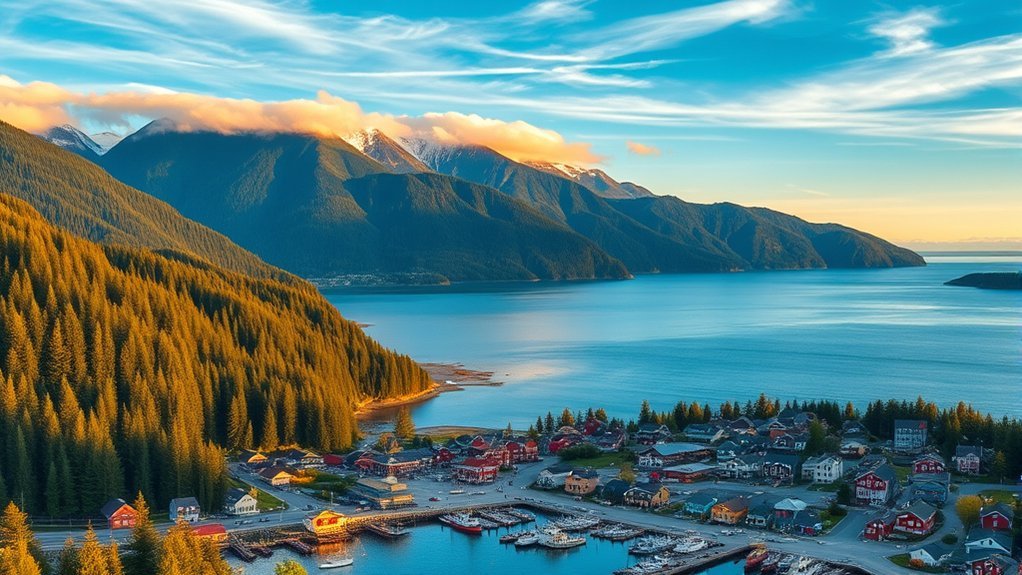
Sitka, Alaska, offers an extraordinary confluence of indigenous Tlingit culture, 19th-century Russian colonial history, and the untamed temperate rainforest of the Tongass National Forest. Located on the outer coast of Baranof Island facing the Pacific Ocean, this historic maritime community provides direct access to coastal fjords, active wildlife sanctuaries, and some of the most scenic hiking trails in Southeast Alaska.
Quick Answer
The top things to do in Sitka include walking among the totem poles at Sitka National Historical Park, visiting injured bald eagles at the Alaska Raptor Center, viewing rescued coastal brown bears at Fortress of the Bear, exploring Castle Hill, and booking a marine wildlife cruise through Sitka Sound to spot humpback whales, sea otters, and puffins.
Key Takeaways
- Access: Sitka is located on Baranof Island and is accessible only by commercial air (Sitka Rocky Gutierrez Airport) or water (Alaska Marine Highway System ferries and cruise ships).
- Top Sights: Sitka National Historical Park, Fortress of the Bear, Alaska Raptor Center, and the Russian Bishop’s House.
- Peak Season: May through September offers the mildest weather, peak wildlife activity, and full access to marine charters and cultural centers.
- Preparedness: Sitka receives over 130 inches of precipitation annually; high-grade waterproof gear and bear safety awareness are essential for outdoor recreation.
Getting to Sitka: Transportation & Logistics
Because Sitka is situated on the west side of Baranof Island, no roads connect it to the mainland or other Southeast Alaskan communities. Travelers must arrive by air or sea.
By Air: Alaska Airlines operates year-round daily jet service to Sitka Rocky Gutierrez Airport (SIT) from Seattle, Anchorage, Juneau, and Ketchikan. During the peak summer travel window, regional carriers and seasonal flights provide additional connections.
By Sea: The state-run Alaska Marine Highway System operates passenger and vehicle ferries connecting Sitka to Bellingham (Washington), Prince Rupert (British Columbia), and Inside Passage ports such as Juneau and Ketchikan. The ferry terminal is located at 7 miles north of downtown on Halibut Point Road.
Pro Tip: Downtown Sitka is compact and walkable, but attractions like Fortress of the Bear (5 miles south) and the ferry terminal (7 miles north) require transportation. The local public transit system (“The RIDE”) operates weekday routes, while private shuttles and taxis serve the airport and ferry docks.
Exploring Sitka’s Rich History: Russian America & Early Alaska
For thousands of years prior to European contact, the Sheet’ká Ḵwáan clan of the Tlingit people inhabited this coastline. In the late 18th and early 19th centuries, the Russian-American Company established Sitka (then named New Archangel) as the capital of Russian America, making it a hub of the Pacific fur trade.
Notable historic landmarks across Sitka include:
- Russian Bishop’s House: Completed in 1843, this is one of the few surviving examples of Russian colonial log architecture in North America. Managed by the National Park Service, it features restored living quarters, historic chapel spaces, and museum exhibits.
- Baranof Castle State Historic Site (Castle Hill): A prominent rock promontory where the formal transfer of Alaska from the Russian Empire to the United States took place on October 18, 1867. A fully accessible walkway leads to interpretive displays and panoramic views of Sitka Sound.
- St. Michael’s Russian Orthodox Cathedral: Located in the center of downtown Lincoln Street, this cathedral was originally built between 1844 and 1848. Reconstructed after a fire in 1966, it houses an invaluable collection of 19th-century Russian ecclesiastical art and icons.
- Sitka Historical Museum: Operated by the Sitka Historical Society inside the Harrigan Centennial Hall, this museum showcases artifacts, photographs, and archival records detailing Sitka’s maritime, industrial, and multi-cultural heritage.
“Sitka preserves an architectural and cultural heritage found nowhere else in the United States, representing the nexus where Tlingit civilization met Russian imperial expansion and 19th-century American governance.”
Must-See Natural Attractions & Wildlife Sanctuaries
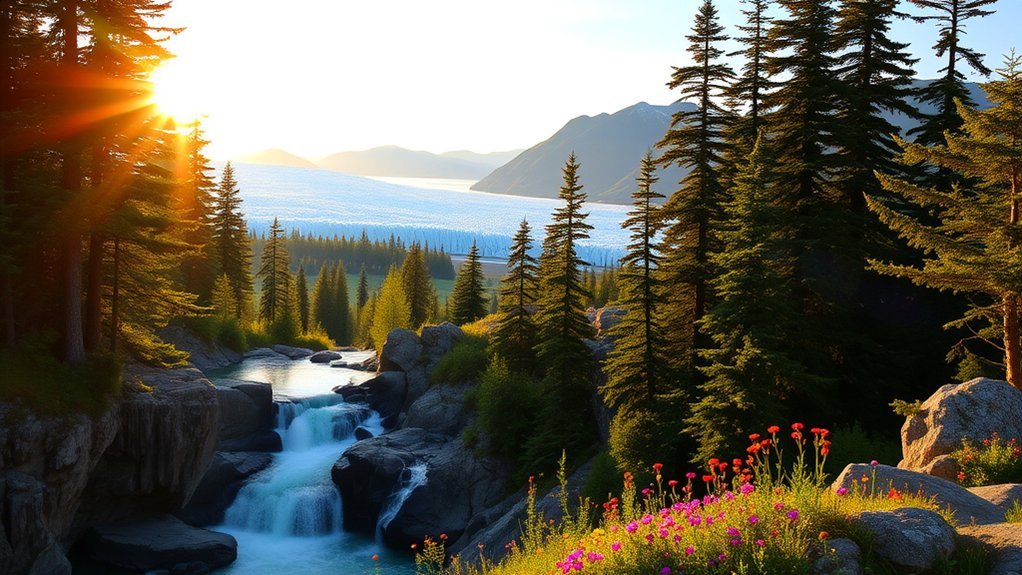
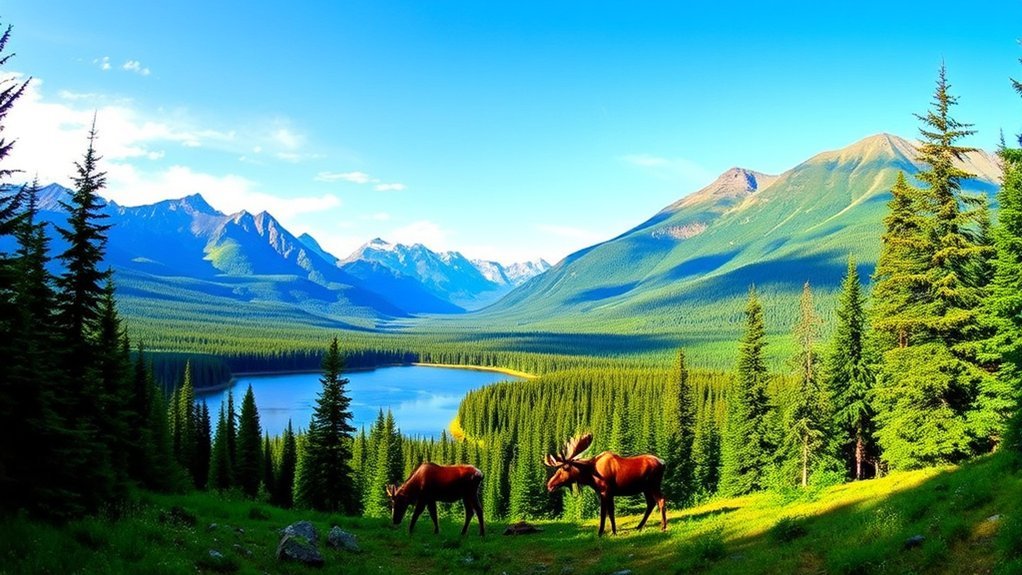
Sitka is located in the heart of the Tongass National Forest—the largest temperate rainforest in the world. The combination of nutrient-rich ocean waters and old-growth spruce and hemlock forests supports dense populations of marine mammals, coastal birds, and terrestrial predators.
Wildlife Rehabilitation Centers
Two premier wildlife conservation centers offer close-up views of Alaska’s native fauna while supporting critical rehabilitation work:
- Alaska Raptor Center: Situated on a 17-acre campus along the Indian River, this non-profit facility provides veterinary care and rehabilitation to injured bald eagles, owls, hawks, and falcons. Visitors can observe flight-training yards, explore outdoor habitats of permanent resident raptors, and learn about avian rehabilitation protocols.
- Fortress of the Bear: Located at the end of Sawmill Cove, this 0.75-acre rescue sanctuary provides a home for orphaned coastal brown bears (coastal grizzlies) and American black bears. Covered viewing platforms positioned directly above the naturalized enclosures allow visitors to observe bear foraging behaviors and learn about regional bear management.
Stunning Coastal Landscapes & Marine Waters
Sitka Sound is punctuated by rocky islets, barrier reefs, and the imposing cone of Mount Edgecumbe, a dormant stratovolcano located 15 miles west on Kruzof Island. Key ways to experience the marine wilderness include:
- Saint Lazaria National Wildlife Refuge: A rugged volcanic island at the entrance to Sitka Sound that serves as a nesting sanctuary for over 500,000 seabirds, including tufted puffins, common murres, and storm-petrels.
- Whale Watching Charters: Local boat operators run excursions into the sound where humpback whales feed throughout the summer and fall. Steller sea lions, sea otters, harbor seals, and orcas are frequently observed.
Immerse Yourself in Tlingit Culture
The cultural foundation of Sitka rests on the enduring traditions of the Tlingit people. Engaging with local cultural centers, native artisan demonstrations, and oral histories provides essential context for any visit.
Traditional Arts and Crafts
At the Sitka National Historical Park visitor center, master carvers, metalworkers, and weavers demonstrate traditional Northwest Coast art forms. Key cultural expressions include:
- Totem Carving: Red cedar poles carved with crest figures that document clan histories, lineage rights, ancestral events, and memorial tributes.
- Ravenstail and Chilkat Weaving: Complex hand-woven textiles made from mountain goat wool and cedar bark, depicting clan crests and geometric patterns.
- Formline Engraving: Specialized silver, copper, and wood carving adhering to the traditional formline art system unique to Indigenous peoples of the Pacific Northwest Coast.
Cultural Heritage Sites & Community Performances
Visitors can experience authentic Tlingit oral tradition and dance at the Sheet’ká Ḵwáan Naa Kahídi Community House, which features a traditional cedar interior and hosts seasonal native dance performances and storytelling sessions.
Note: While regional gatherings like Celebration take place biennially in nearby Juneau, Sitka hosts its own community-focused events throughout the year, highlighting local clan lineages, educational symposiums, and subsistence harvesting traditions.
Outdoor Adventures: Hiking, Paddling & Forest Trails
Sitka provides direct trailheads leading into old-growth coastal temperate rainforest and alpine zones managed by the U.S. Forest Service.
- Totem Trail (Sitka National Historical Park): A flat, 1-mile gravel loop meandering through coastal forest and along the shoreline, lined with authentic master-carved totem poles.
- Indian River Trail: A 9-mile round-trip trail that follows a salmon stream through towering Sitka spruce and western hemlock, culminating at a scenic waterfall.
- Mount Verstovia Trail: A strenuous 5-mile round-trip climb gaining 2,550 feet to “Picnic Rock,” offering expansive views of Sitka Sound and the surrounding archipelago.
- Harbor Mountain Trail: Accessible via the only sub-alpine road in Southeast Alaska, this ridge-line hike provides sweeping views without requiring an entire day of climbing.
- Sitka Sound Kayaking: Sea kayaking charters allow paddlers to navigate sheltered inlets, explore kelp forests, and view harbor seals and sea otters at water level.
Warning: Baranof Island supports a high density of coastal brown bears. When hiking any trail beyond downtown Sitka, carry EPA-approved bear spray, travel in groups, keep food items sealed, and make consistent noise along dense trail corridors and salmon streams.
Culinary Delights: Seafood and Local Cuisine
Sitka is one of the most productive commercial fishing ports in the United States. Its culinary scene centers on wild-caught Pacific salmon (king, coho, sockeye), Pacific halibut, black cod (sablefish), lingcod, spot prawns, and Dungeness crab.
- Waterfront Fine Dining: Establishments such as Ludvig’s Bistro serve Mediterranean-influenced Alaskan seafood, pairing fresh local catches with artisan preparations.
- Casual Local Fare: Community-minded restaurants like Beak Restaurant showcase locally sourced seafood with an all-inclusive, no-tipping wage model.
- Regional Staples: Experience Sitka’s Russian culinary heritage with quick-service fare like Pel’Meni, serving hot Russian meat and potato dumplings topped with curry powder, cilantro, and hot sauce.
- Craft Beverages: Local craft breweries and micro-distilleries in town utilize glacier-fed runoff and native botanicals for brewing and distilling.
Suggested Itineraries for Different Lengths of Stay
Planning an itinerary around weather variability and physical activity ensures a well-rounded Alaskan experience.
Weekend Itinerary (2 to 3 Days):
- Day 1: Walk downtown Sitka, tour St. Michael’s Cathedral, walk up Castle Hill, and explore the Russian Bishop’s House.
- Day 2: Hike the Totem Trail at Sitka National Historical Park, followed by afternoon visits to the Alaska Raptor Center and Fortress of the Bear.
- Day 3: Book a half-day marine wildlife cruise through Sitka Sound and dine on fresh halibut along the waterfront.
Extended Itinerary (4 to 6 Days):
- Day 4: Day hike up Mount Verstovia or explore the Indian River Trail deep into the Tongass National Forest.
- Day 5: Guided sea kayaking around the offshore islands of Sitka Sound or a charter trip to Saint Lazaria Seabird Sanctuary.
- Day 6: Visit local artisan galleries, tour the Sitka Historical Museum, and take an evening drive up Harbor Mountain for sunset over the Pacific.
Essential Tips for a Smooth Trip
- Layering and Rain Gear: Sitka experiences maritime weather with frequent rainfall. Bring high-quality, breathable waterproof jackets, waterproof footwear, and mid-weight fleece or wool insulation layers.
- Seasonal Bookings: Summer accommodations, wildlife charters, and rental cars book up months in advance due to high seasonal demand. Reserve critical services early.
- Cash vs. Card: Credit and debit cards are widely accepted across Sitka, but carrying modest cash is helpful for local bus transit, smaller market stalls, and charter gratuities.
Events and Festivals to Experience
Sitka hosts community events throughout the seasons that celebrate its maritime culture, arts, and natural phenomena:
- Sitka Summer Music Festival (June): A month-long celebration of classical chamber music bringing world-renowned musicians to perform in intimate concert settings.
- Alaska Day Festival (October): A multi-day historical commemoration centered on the transfer ceremony at Castle Hill, featuring period reenactments, cultural presentations, and community parades.
- Sitka WhaleFest (November): A unique science symposium and community festival that blends marine research lectures with wildlife cruises, storytelling, and local art during the fall whale migration.
Frequently Asked Questions
What is the best time of year to visit Sitka, Alaska?
The best time to visit Sitka is from late May through early September. During this period, daytime temperatures range between 55°F and 65°F (13°C to 18°C), wildlife tours operate at full capacity, historical centers are open daily, and marine mammal activity in Sitka Sound is at its peak.
Are there any local customs or cultural etiquette rules to be aware of?
Visitors should show deep respect when visiting Tlingit cultural landmarks, clan houses, and totem sites. Always ask permission before photographing tribal ceremonies, traditional regalia, or local artisans at work. When exploring the wilderness, adhere strictly to Leave No Trace principles to preserve the fragile coastal ecosystem.
What are the best shopping areas in Sitka?
Downtown Lincoln Street serves as Sitka’s primary retail hub, featuring locally owned gift shops, native art galleries, bookstores, and jewelry studios selling authentic silver carvings and fossilized mammoth ivory crafts. For fresh regional goods, the Sitka Farmers Market runs on select summer Saturdays.
Is there a local currency, or do businesses accept credit cards?
Sitka uses the United States Dollar (USD). Major credit cards (Visa, MasterCard, American Express) are accepted at nearly all restaurants, hotels, grocery stores, and tour offices. Having cash on hand is recommended for small purchases at outdoor stalls or tipping charter guides.
What are the emergency contact numbers in Sitka?
In an immediate emergency, dial 911. For non-emergency police dispatch, call the Sitka Police Department at (907) 747-3245. Medical emergencies can be directed to the Mount Edgecumbe Medical Center at (907) 966-2411.
Conclusion
Sitka stands apart among Alaskan destinations for its distinct layering of ancestral Tlingit heritage, Russian colonial architecture, and pristine temperate wilderness. Whether you are observing rehabilitated raptors, navigating the marine waters of Sitka Sound, or traversing coastal rainforest trails, thorough preparation and respect for local traditions will ensure a safe, memorable journey to this maritime community on Baranof Island.
Sources
- National Park Service: Sitka National Historical Park — Official park history, Russian Bishop’s House documentation, and visitor guidelines.
- Alaska Department of Transportation: Alaska Marine Highway System — Ferry schedules, routes, and regional transit connectivity.
- Alaska Raptor Center — Avian rehabilitation programs and educational facility overviews.
- U.S. Forest Service: Tongass National Forest — Public trail conditions, recreation guides, and brown bear safety protocols.
- City and Borough of Sitka — Official municipal records, emergency services, and local transit information.