Is London expensive to visit? Yes, especially if you stay in central London, eat out for most meals, and visit several paid attractions. However, public transport has daily caps, many major museums are free, and you can control costs by choosing where you spend rather than treating every part of the trip as expensive.
Quick Answer
London is expensive mainly because accommodation and paid attractions can be costly. In June 2026, RSM/HotStats reported a £262.08 London hotel average daily rate, while TfL’s Zones 1–2 pay-as-you-go cap is £8.90 a day. Free museums, buses, walking, and selective paid sights can keep total spending much lower.
Last checked: October 1, 2026. Dates and figures were verified against official sources.
Key Takeaways
- A Zone 1 Tube journey costs £3.10 at peak times or £3.00 off-peak in 2026.
- London bus fares are £1.75 through October 31, 2026, then rise to £1.85 on November 1.
- An adult Tower of London ticket without a donation costs £38 from October 1, 2026.
- Many leading museums and galleries have free general admission, so sightseeing does not have to mean paying an entry fee every day.
- Great Britain does not generally offer a VAT refund on goods that visitors buy in shops and carry home themselves.
How Much Does Accommodation Cost in London?
Accommodation is often the biggest and most variable London travel expense. Prices depend heavily on your dates, neighbourhood, room type, and how early you book, so a citywide average is more useful as a market benchmark than as a promise of what your own room will cost.
The RSM UK Hotels Tracker, using HotStats data, reported an average daily rate of £262.08 for occupied London hotel rooms in June 2026. That figure covers the market rather than one hotel category, so budget rooms can cost much less and luxury hotels much more.
Location matters. Staying around Westminster, Covent Garden, Soho, or other central areas can reduce travel time but usually puts you in one of the city’s most competitive accommodation markets. Looking farther from the centre can reduce the room price, although you should compare the saving with the extra travel time and transport cost.
Hostels and budget hotels remain useful for travellers who mainly need a place to sleep. Short-term rentals through platforms such as Airbnb can also suit couples, families, or longer stays, especially when a kitchen lets you prepare some meals yourself. Compare the total booking price rather than the headline nightly rate because fees can change the final cost.
Demand also changes by date. Weekends, school holidays, major sporting events, concerts, exhibitions, and the Christmas period can affect room availability and rates. If your dates are flexible, compare several nearby dates before committing rather than assuming one neighbourhood is always cheaper than another.
Note: As of October 1, 2026, a new London overnight visitor levy is not in force. The UK government announced plans in September 2026 to give mayors and local leaders levy powers, but the legislation and any London rate still need to be established.
Transportation Expenses in London
Public transport is one of the easier London costs to control because pay-as-you-go fares are capped. For most visitors, using the same contactless card or device for every journey is simpler than buying individual paper tickets, while Oyster remains useful for travellers who cannot or do not want to use contactless payment.
Under TfL’s fares effective from March 1, 2026, a Zone 1 Tube journey costs £3.10 during peak periods and £3.00 off-peak. The adult pay-as-you-go daily cap for Zones 1–2 is £8.90, while the Monday-to-Sunday cap is £44.70.
| Transport cost | 2026 adult PAYG amount |
|---|---|
| Zone 1 Tube journey, peak | £3.10 |
| Zone 1 Tube journey, off-peak | £3.00 |
| Zones 1–2 daily cap | £8.90 |
| Bus or tram fare through October 31 | £1.75 |
| Bus or tram fare from November 1 | £1.85 |
According to TfL’s bus and tram fare information, the adult single fare is £1.75 through October 31, with a £5.25 daily cap. From November 1, 2026, those figures become £1.85 and £5.55. The Hopper fare also allows unlimited bus and tram journeys within one hour when you use the same payment method.
Buses can therefore be a useful budget option as well as a way to see the streets above ground. The Underground is usually faster for longer cross-city trips, while walking can make sense between nearby central attractions.
Taxis and rideshare services such as Uber offer door-to-door convenience, but their cost depends on distance, traffic, demand, and time. They make more sense when convenience, luggage, accessibility, or sharing the fare matters more than keeping transport spending as low as possible.
Dining and Food Costs in London
Food spending in London can range from a few pounds for supermarket food to well over £100 at high-end restaurants. The easiest way to control the total is to mix restaurant meals with markets, cafés, pubs, supermarket food, and self-catering rather than using one dining style for every meal.
For general planning, a mid-range restaurant meal may fall around £15 to £30 per person, while a three-course meal can be around £25 to £50. These are broad planning ranges rather than fixed citywide prices, and drinks, location, restaurant type, and service charges can increase the bill.
Fine dining can cost much more. Tasting menus and wine pairings at high-end restaurants may take a meal beyond £100 per person and, at some venues, above £200. If one special restaurant matters to you, treat it as a separate activity in your budget instead of assuming it reflects normal daily food costs.
Street-food markets and casual counters can be cheaper. Borough Market is a popular option for browsing different cuisines, though individual stall prices vary. Pubs, bakeries, cafés, and quick-service chains can also help you avoid paying full restaurant prices at every meal.
Supermarkets are useful for breakfast, drinks, snacks, sandwiches, and ready meals. Travellers staying somewhere with a kitchen can reduce costs further by preparing a few meals. If you want a simple self-catering idea, the existing guide to Delicious Homemade Cottage Cheese: A Simple and Healthy Recipe offers one option.
A practical compromise is to choose the meals that matter most to you. For example, have a café breakfast or supermarket breakfast, pay for a restaurant lunch or dinner you genuinely want, and use a market or inexpensive takeaway for the other meal.
Entertainment and Attractions Prices in London
London sightseeing can be expensive if you choose several ticketed landmarks, but you do not need a paid attraction every day. The city combines costly historic sites and theatre tickets with major museums, galleries, parks, markets, neighbourhoods, and landmarks that can be visited without an admission fee.
One clear example of a current paid attraction is the Tower of London. From October 1, 2026, Historic Royal Palaces lists the adult ticket without a donation at £38. That makes the older idea that major London attractions generally cost £20 to £30 too low for some headline sights.
Buckingham Palace is different because public access to the State Rooms is seasonal rather than a standard year-round attraction. Build your itinerary around what is actually open during your travel dates instead of assigning one fixed admission price to every month of the year.
Free attractions can offset those paid days. The British Museum, National Gallery, Tate Modern, and Victoria and Albert Museum are among the major institutions with free general admission, although temporary exhibitions or special events may charge. Visit London’s free-things-to-do guide also lists museums, parks, markets, public spaces, and other no-ticket options.
West End theatre prices vary widely by production, seat, day, and demand, so a single £30-to-£150 range can quickly become stale. The Official London Theatre Ticket Booth, formerly known as TKTS, sells on-the-day offers and other ticket deals for participating shows.
Shopping Expenses in London
Shopping can add almost nothing to your London budget or become one of its largest categories. Oxford Street and Regent Street cover mainstream brands, Bond Street is known for luxury shopping, and markets such as Camden and Portobello Road offer a different mix of clothing, gifts, antiques, food, and independent stalls.
If you want souvenirs without a large bill, set a separate shopping allowance before the trip. Markets, charity shops, second-hand stores, museum shops, and ordinary high-street retailers give you more price points than luxury areas alone.
Visitors should also understand the VAT rule before assuming they can recover tax at the airport. Under GOV.UK’s current tax-free shopping rules, tax-free shopping in Great Britain is available when a retailer arranges to deliver qualifying goods directly to an address outside the UK. Goods you simply buy in a British shop and carry home generally do not qualify for the former visitor VAT-refund system.
That matters most for expensive purchases. Compare the final price you will actually pay, including any card currency-conversion costs or import duties that may apply when you return home, rather than basing the decision on the UK shelf price alone.
Budget-Friendly Activities in London
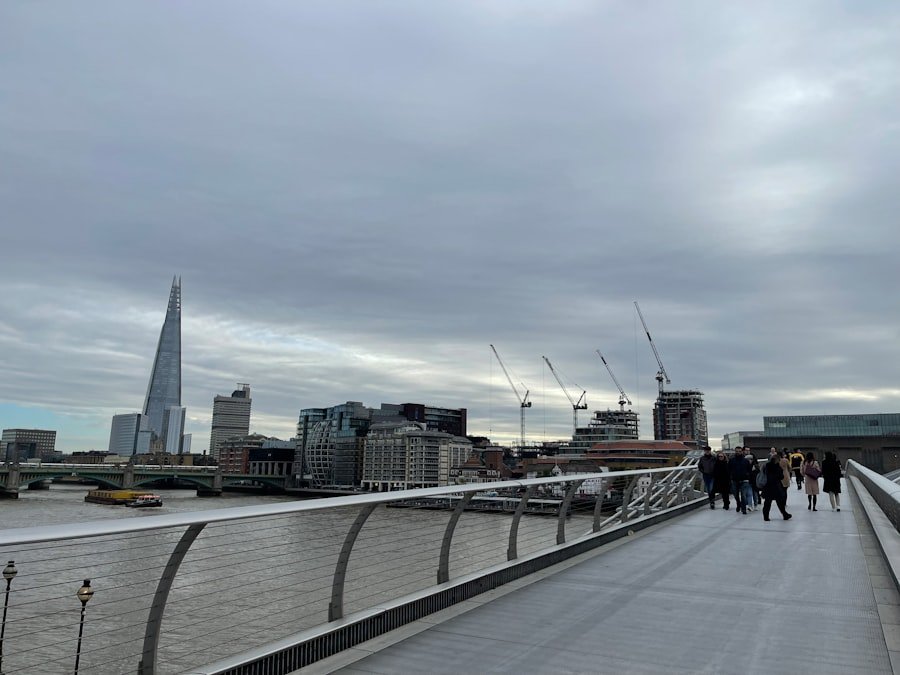
London has enough free activities to fill several days if you plan them deliberately. Museums, galleries, parks, public viewpoints, markets, historic streets, neighbourhood walks, and famous exterior landmarks can balance an itinerary that also includes one or two expensive ticketed attractions.
- Visit free museums and galleries: The British Museum, National Gallery, Tate Modern, and V&A can provide hours of sightseeing without a general-admission ticket.
- Use the parks: Hyde Park, Regent’s Park, Greenwich Park, and other public green spaces are useful for walks, picnics, and breaks between attractions.
- Explore neighbourhoods on foot: Areas such as Westminster, South Bank, Covent Garden, Notting Hill, and Greenwich can provide plenty to see without paying admission at every stop.
- Browse markets: Borough Market, Camden Market, and Portobello Road can be enjoyable even if you mainly look around rather than shop.
- See landmarks from outside: Tower Bridge, the Houses of Parliament, Buckingham Palace, and many other famous London sights can still be part of a walking route without a paid interior visit.
Free does not always mean reservation-free. Some museums encourage or offer timed bookings, and special exhibitions may charge even when the permanent collection is free. Plan the free parts of your itinerary with the same care as paid attractions so you do not waste time travelling back and forth across the city.
Tips for Saving Money While Visiting London
The best way to save money in London is to control the three categories that can change most: accommodation, food, and paid sightseeing. Transport is easier to predict because of fare caps, so focus your planning effort on the choices where moving a date, neighbourhood, meal, or attraction can make a larger difference.
- Compare the total accommodation cost. Check the full stay, not only the nightly headline rate, and compare central locations with well-connected areas farther out.
- Use one payment method consistently on TfL. Use the same contactless card or device for your journeys so the system can apply the appropriate pay-as-you-go caps.
- Combine free and paid attractions. Pick the ticketed landmarks that matter most to you, then fill other periods with museums, parks, markets, and walks.
- Plan meals by priority. Spend more on the restaurants you specifically want and use cafés, supermarkets, markets, or self-catering for less important meals.
- Walk between nearby sights. Central London has clusters of attractions that can often be combined on foot instead of taking a separate ride for each stop.
- Keep shopping separate from your daily trip budget. A fixed souvenir or shopping allowance prevents optional purchases from making accommodation and food spending harder to track.
- Book high-priority items once your dates are firm. This is most useful for accommodation, timed attractions, and shows where the exact date and seat or room category matter.
Overall Cost Comparison With Other Cities
London is an expensive international destination, but a simple claim that it is always more expensive than New York, Tokyo, Berlin, or Lisbon is not very useful. Exchange rates, travel dates, hotel standards, meal choices, transport patterns, and the number of paid attractions can change the comparison substantially.
Accommodation often creates the biggest difference. A traveller who secures an inexpensive room and spends most days at free attractions can have a much lower London total than someone staying in a premium central hotel and buying several major attraction and theatre tickets.
The fairest way to compare cities is to use the same trip assumptions: the same number of nights, similar hotel quality, the same number of restaurant meals, comparable local transport, and the same number of paid attractions. Comparing only one restaurant bill or one hotel quote can give a distorted impression of the whole trip.
For your own London budget, separate spending into accommodation, transport, food, attractions, and shopping. Put your confirmed booking costs into the first category, use TfL’s current caps for transport planning, then decide how many paid sights and restaurant meals you want. That gives you a more useful answer than relying on one generic daily-cost figure.
Frequently Asked Questions
Is London an expensive city to visit?
Yes, London can be an expensive city to visit, especially for accommodation, restaurant meals, and major paid attractions. However, public transport caps, free museums, parks, markets, and walking routes make it possible to control daily costs. Where and when you stay usually has the biggest effect on the total.
What are the average hotel prices in London?
There is no single hotel price that applies across London. RSM UK, using HotStats data, reported an average daily rate of £262.08 for occupied London hotel rooms in June 2026. Budget accommodation can cost considerably less, while central luxury hotels can be much more expensive.
How much does dining out cost in London?
Dining costs vary widely in London. As a broad planning range, a mid-range meal may cost around £15 to £30 per person, while a three-course meal can be around £25 to £50. Street food, cafés, supermarkets, and self-catering can cost less, while fine dining can cost far more.
Are there affordable transportation options in London?
Yes. Buses, the Underground, trains, and walking make it possible to travel around London without relying on taxis. In 2026, the Zones 1–2 pay-as-you-go daily cap is £8.90. The adult bus fare is £1.75 through October 31 and rises to £1.85 on November 1, 2026.
What are some free or affordable attractions in London?
London has many free attractions. General admission is free at major institutions including the British Museum, National Gallery, Tate Modern, and Victoria and Albert Museum, although some special exhibitions charge. Parks, markets, neighbourhood walks, and viewing famous landmarks from outside can also fill a day without large admission costs.
Is there a tourist tax in London?
A new London overnight visitor levy is not in force as of October 1, 2026. The UK government announced plans in September 2026 to give mayors and local leaders powers to introduce an overnight levy, but the legislation and any London rate have not yet been established.
Sources
- RSM UK Hotels Tracker: London hotel average daily rate and occupancy-market context for June 2026.
- Transport for London 2026 fares: Zone 1 pay-as-you-go fares and Zones 1–2 daily and weekly caps.
- Transport for London bus and tram fares: Current bus fare, daily cap, Hopper fare, and November 1, 2026 changes.
- GOV.UK visitor levy announcement: September 2026 announcement of proposed powers for overnight visitor levies.
- Historic Royal Palaces: Tower of London admission prices effective October 1, 2026.
- Official London Theatre Ticket Booth: Official information about on-the-day and discounted theatre tickets.
- GOV.UK tax-free shopping: Current Great Britain rules for tax-free purchases by overseas visitors.
- Visit London free attractions guide: Museums, galleries, parks, markets, and other free activities in London.