A London Marathon trip takes more planning than simply booking a flight and showing up at the start. This London Marathon travel guide covers the practical details runners and supporters need for the 2027 event, including the unusual two-day schedule, where to stay, Event Pack collection, public transport, race-day logistics, and post-race plans.
Quick Answer
For 2027, plan around the one-off two-day London Marathon on Saturday 24 and Sunday 25 April. Confirm your assigned day, book a refundable room with an easy trip to Greenwich/Blackheath, collect your Event Pack at ExCeL London, and use public transport plus a pre-agreed post-race meeting point.
Last checked: October 1, 2026. Dates and figures were verified against official sources.
Key Takeaways
- The 2027 TCS London Marathon is a one-off two-day event for 100,000 participants across Saturday 24 and Sunday 25 April.
- Both days use the same 26.2-mile route from the Greenwich/Blackheath start area toward Westminster and The Mall.
- Saturday has a 17:30 Finish Line closure, while a secondary Sunday finish in Green Park remains open later.
- You must collect your Event Pack from the Running Show at ExCeL London before taking part; final 2027 opening hours are still to be confirmed.
- Supporters should agree on a specific meeting point before the race because major viewing areas and nearby stations can become extremely crowded.
Preparing for the London Marathon trip
Good preparation combines your normal marathon training with a simple travel plan. For 2027, the first thing to confirm is your assigned event day because the marathon will operate on both Saturday 24 and Sunday 25 April.
London Marathon Events says the two-day format is unique to 2027 and will accommodate 100,000 participants. The official 2027 Double FAQs confirm that runners take part on only one of the two days and that the route is the same on both days.
Keep your running routine familiar in the final weeks. Avoid changing shoes, breakfast foods, gels, or other race equipment shortly before the event unless you have already used them successfully in training.
Your travel checklist should include:
- Your confirmed marathon day and accommodation dates
- Your passport or travel documents if arriving internationally
- Your Event Pack collection plan
- Your assigned start information when it is released
- A tested race outfit and shoes
- Your usual race nutrition and any essential medication
- A waterproof or warm outer layer appropriate for the forecast
- A post-race meeting plan if friends or family are attending
The official event overview lists the start as Greenwich/Blackheath and says participants will receive their start wave time about three weeks before Marathon Day. Build your final race-morning journey only after you know that allocation.
Getting to London
London is easy to reach by air and rail, but the best arrival airport or station depends on where you stay. If you are flying internationally, compare the complete journey from the airport to your hotel rather than choosing a flight based only on its arrival time.
Major airports serving London include Heathrow, Gatwick, Stansted, Luton, and London City. Each uses different rail, Underground, DLR, bus, or coach connections, so a hotel that is convenient from one airport may require more changes from another.
Heathrow has particularly useful rail access through the Elizabeth line. Transport for London states that an Elizabeth line journey between Heathrow and Paddington takes about 28 minutes, with central stops including Bond Street, Tottenham Court Road, Farringdon, and Liverpool Street.
Within London, contactless payment or an Oyster card can be used across much of the Tube, DLR, London Overground, buses, and participating National Rail services. Use the same payment card or device consistently when touching in and out so the system can calculate the correct fare or cap.
If you are arriving by train from another UK city, choose your hotel partly by its connection from your London terminal. Avoid scheduling a tight arrival on the evening before your race if a delayed journey would leave you little time to settle in or organize your kit.
Accommodation options in London

There is no single best neighborhood for every London Marathon runner. The start, Running Show, finish, and major transport terminals are in different parts of London, so choose which journey you most want to simplify.
| Area | Main advantage | Main trade-off |
|---|---|---|
| Greenwich or Blackheath | Simplifies the trip toward the start area | Farther from the central London finish and some sightseeing areas |
| Westminster or Victoria | Convenient after finishing near The Mall | Race-morning journey to southeast London requires planning |
| Canary Wharf or Custom House | Useful for ExCeL London and east-London transport | Not beside the start or finish |
| London Bridge or South Bank | Central base with useful transport connections | You still need transport to both the start and Running Show |
Before booking, map the exact hotel entrance to the relevant stations rather than relying on the neighborhood name. If your start allocation or final travel instructions are not yet available, a flexible cancellation policy gives you more room to adjust.
Also check breakfast hours, luggage storage, elevators or step-free access if needed, and how you will get back from the finish with tired legs. A slightly less central hotel can be a better choice if it removes several changes from your race-morning journey.
Navigating London during marathon weekend
Public transport is usually the practical choice during London Marathon weekend because the course requires substantial road restrictions. Runners and supporters should plan separate journeys because supporters generally gain more from heading directly to a viewing point than from following the runner toward the start.
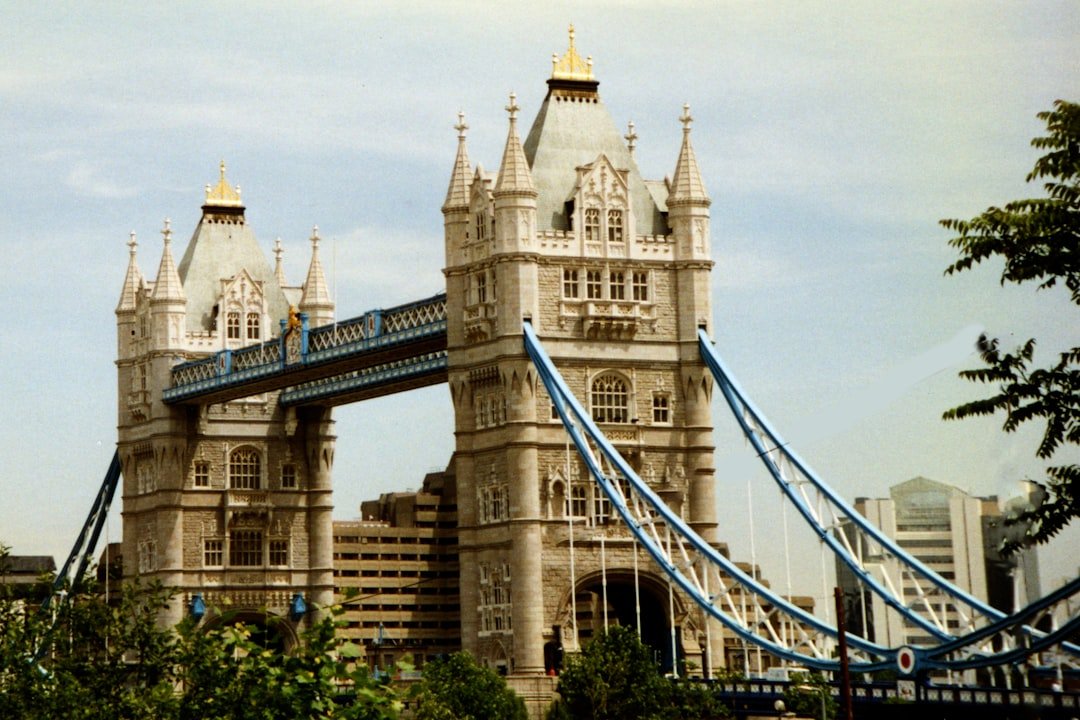
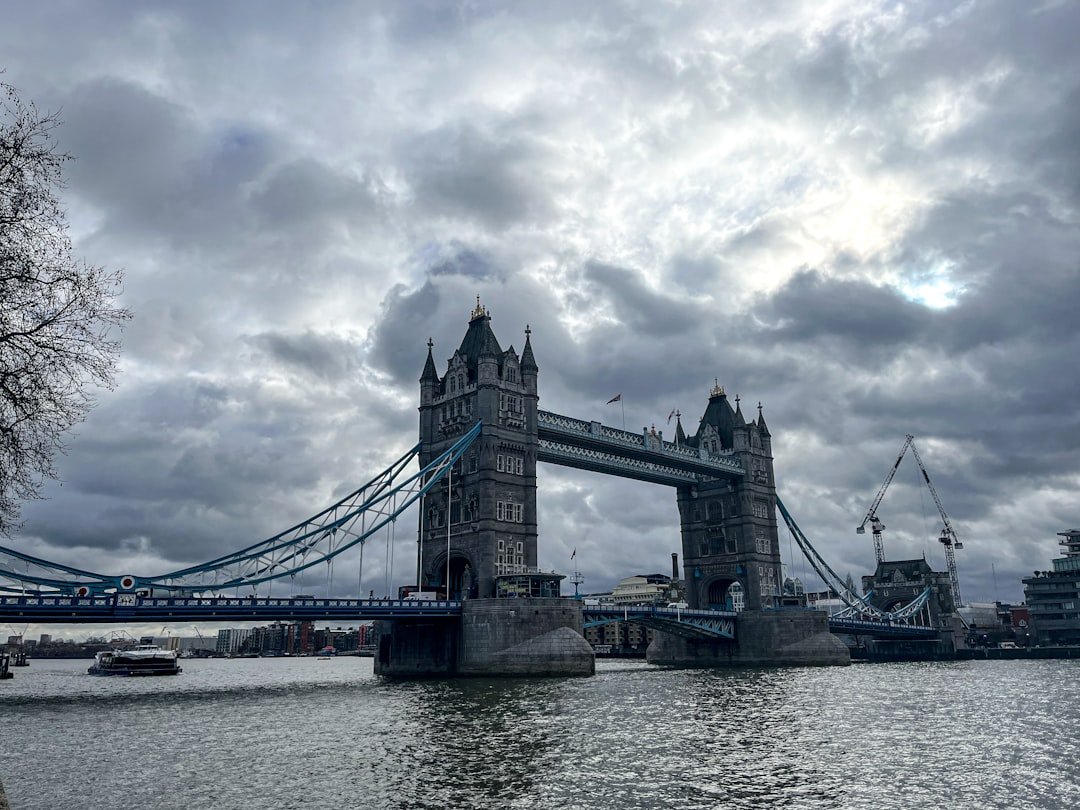
The official London Marathon course guide describes three start lines that merge before Mile 3. The route then passes through Greenwich, around Cutty Sark, through Rotherhithe and Bermondsey, across Tower Bridge, into Canary Wharf, and back toward Westminster and The Mall.
Plan spectator stops before leaving the hotel
Spectators should choose one or two realistic viewing areas rather than trying to chase a runner at every landmark. Cutty Sark, Tower Bridge, Canary Wharf, and Westminster are popular but can be extremely crowded.
The official spectator guide warns that some stations can have queues of up to 90 minutes at peak times. It recommends walking between parts of the course where practical and agreeing on a meeting point before the race because mobile reception may become unreliable in large crowds.
For your final reunion, use a precise location rather than saying “meet near the finish.” The official Meet and Greet area uses designated meeting points around Horse Guards Avenue, Whitehall, Horse Guards Road, and Horse Guards Parade.
Pre-race activities and sightseeing
Keep the day before your marathon simple. Your main jobs are collecting your Event Pack, preparing your race kit, eating familiar food, and limiting unnecessary time on your feet.
Collect your Event Pack at the Running Show
Every participant must collect an Event Pack before racing. The TCS London Marathon Running Show is held at ExCeL London, and the organizer says the final 2027 opening times will be confirmed in the new year.
If you cannot attend yourself, the current event guidance allows a nominated person to collect the pack for you when the required identification and authorization are provided. Do not plan to collect it on Marathon Day.
ExCeL is served by both the Elizabeth line and DLR. According to ExCeL London’s transport guidance, Custom House serves the west entrance and Prince Regent serves the east entrance. Check the final Running Show instructions before deciding which entrance to use.
Choose low-effort sightseeing
If this is your first London visit, you do not have to stay in your hotel all day. A short museum visit, relaxed meal, or gentle walk can help fill the time without turning the day before the race into another endurance event.
The British Museum, Tower of London, St. Paul’s Cathedral, South Bank, and River Thames are all popular options. Prioritize the attractions closest to your accommodation, and save long walking routes or full-day excursions for after the marathon.
Race day tips and logistics

Race morning should follow a plan you have already tested. Give yourself enough time for your assigned journey, toilets, baggage arrangements, and movement into your allocated wave without needing to rush.
Before leaving your accommodation
- Eat the breakfast and use the fueling routine you practiced in training.
- Attach your bib as instructed and keep required race information accessible.
- Check your assigned start area, wave, and recommended arrival time.
- Carry only what the event permits and what you genuinely need.
- Check the same-day forecast before choosing extra layers.
- Make sure supporters know the agreed post-race meeting point.
Do not rely on an old London Marathon travel guide for your exact 2027 start train or start-area instructions. Your personal start information will be issued closer to the event and should take priority over previous-year advice.
Know the 2027 finishing rules
The two marathon days do not have identical finishing arrangements. On Saturday 24 April 2027, the Finish Line on The Mall closes at 17:30, and the organizer tells Saturday participants they must be able to complete the event within the available time.
On Sunday 25 April, the official event information says a secondary Finish Line in Green Park remains open until 23:59:59. If you expect to be toward the back of the field, read your final Participant Guide carefully so you understand how the later Sunday operation works.
Expect changeable April weather
April conditions in London can range from chilly mornings to mild afternoons, and rain is possible. Historical climate averages are useful for packing, but they are not a race-day forecast.
The Met Office 1991–2020 Heathrow climate normals show an April average daily maximum of 15.0°C, an average minimum of 6.03°C, and 42.31 mm of monthly rainfall. Pack for several possibilities, then make your final clothing choice from the actual forecast closer to race day.
Pro Tip: Put every piece of race-day clothing, nutrition, travel information, and post-race clothing in one place the night before. Race morning is much easier when you are not searching a hotel room for safety pins, gloves, or a travel card.
Post-race recovery and relaxation
After finishing, focus first on getting through the finish area, collecting your belongings as instructed, drinking and eating according to your normal recovery routine, and meeting your supporters. Do not schedule a tight restaurant reservation or onward train immediately after your expected finish time.
Large crowds and the distance between the finish, baggage areas, and meeting points can make the post-race process slower than expected. Your finishing time is not the same as the time you will be ready to leave central London.
Once reunited with friends or family, a relaxed meal and an easy evening are usually more practical than ambitious sightseeing. Gentle movement may feel more comfortable than sitting completely still for hours, but listen to your body and use the event’s medical support if you feel seriously unwell.
If you are flying home, consider how you will manage luggage, airport transfers, stairs, and long periods of sitting after running 26.2 miles. An extra night in London can make the departure considerably less rushed.
Extending your stay in London
Staying after the marathon lets you enjoy London without protecting your legs for race day. It is also the better time for attractions that involve long walks, full-day tours, or travel outside the city.
You could explore Greenwich in more detail, walk through Richmond Park, visit major museums and galleries, see a West End performance, or spend more time around London’s food markets and different neighborhoods.
Longer day trips can include Oxford, Cambridge, or Stonehenge. Plan these after the race rather than before it if they involve extensive walking or early departures.
If you’re looking for another food idea during your training period, the existing homemade cottage cheese recipe explains how to prepare it at home. Use it only if it fits foods you already tolerate well during training rather than experimenting with unfamiliar meals immediately before the marathon.
Frequently Asked Questions
What is the London Marathon?
The TCS London Marathon is a 26.2-mile road marathon held in London. Its course starts in southeast London and travels through areas including Greenwich, Tower Bridge, and Canary Wharf before finishing in central London near Buckingham Palace and The Mall.
When is the London Marathon in 2027?
The 2027 TCS London Marathon takes place on Saturday 24 and Sunday 25 April 2027. It is a one-off two-day format, with 100,000 participants expected across the weekend. Each in-person participant runs on only one of the two days.
Where does the London Marathon start and finish?
The London Marathon starts in the Greenwich and Blackheath area and follows a 26.2-mile route toward central London. The traditional finish is on The Mall near Buckingham Palace. Your personal start area and wave are provided by the organizer closer to Marathon Day.
How should I travel around London during marathon weekend?
Public transport and walking are usually the most practical choices during marathon weekend because road restrictions affect the course area. Plan from your exact accommodation and start allocation, allow extra time for crowds, and avoid relying on a car for journeys that cross or approach the marathon route.
Where do I collect my London Marathon Event Pack?
You collect your Event Pack at the TCS London Marathon Running Show at ExCeL London before your race. The organizer says the final 2027 opening times will be confirmed in the new year. Your Event Pack is required for participation, so include collection in your travel schedule.
Where should I stay for the London Marathon?
Choose accommodation according to the journey you most want to simplify. Greenwich or Blackheath favors the start, Westminster or Victoria favors the finish, and the Canary Wharf or Custom House area can simplify travel to ExCeL. Always check the exact hotel’s transport connections before booking.
What should spectators know before race day?
Spectators should choose viewing locations and a post-race meeting point in advance. Popular areas such as Cutty Sark, Tower Bridge, Canary Wharf, and Westminster become very crowded, and some nearby stations may develop long queues. Do not depend entirely on mobile reception for meeting after the race.
Sources
- London Marathon Events – Event Overview: 2027 dates, start location, wave timing, facilities, and finish closures.
- London Marathon Events – 2027 Double FAQs: two-day format, participant allocation, route arrangements, and Saturday time limit.
- London Marathon Events – Course: route, start lines, neighborhoods, and major landmarks.
- London Marathon Events – Running Show: Event Pack collection and 2027 opening-time status.
- London Marathon Events – Spectator Guide: busy viewing areas, station queues, walking advice, and meeting planning.
- ExCeL London – Public Transport: Custom House, Prince Regent, Elizabeth line, and DLR access.
- Transport for London – Heathrow Elizabeth line: Heathrow rail connections and Paddington journey information.
- Met Office – Heathrow climate averages: 1991–2020 April temperature and rainfall normals.