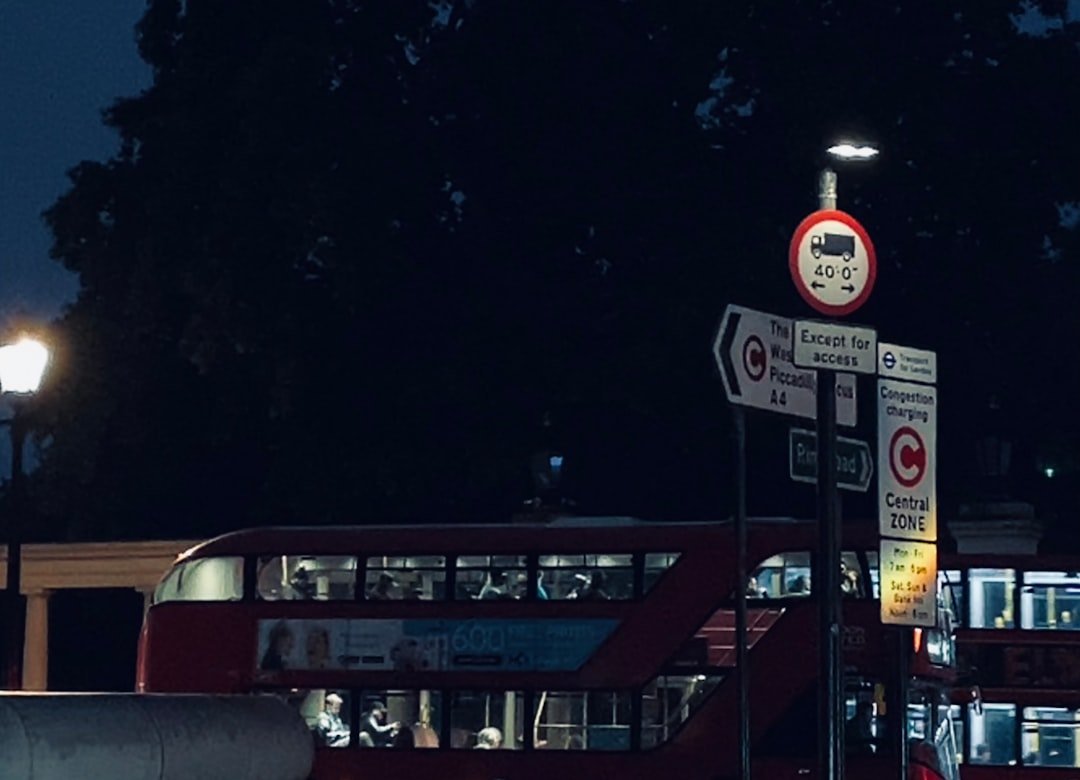
Searching for areas to avoid in London can produce alarming lists, but whole-neighbourhood labels are often misleading. London safety can change from one street, station, crowd, or time of day to the next. For most visitors, the practical concerns are opportunistic theft, phone snatching, crowded transport, nightlife-related incidents, and unfamiliar routes after dark.
Quick Answer
London does not have a reliable list of whole neighbourhoods tourists must avoid. The biggest visitor risks are theft in crowded central areas, phone snatching near busy streets, and late-night problems around nightlife. Use extra caution in the West End, Camden Town, major transport hubs, and unfamiliar quiet streets after dark rather than blacklisting entire boroughs.
Last checked: October 1, 2026. Dates and figures were verified against official sources.
Key Takeaways
- Do not treat Hackney, Tower Hamlets, Newham, Brixton, Peckham, or other large areas as automatically unsafe; check the exact street and route.
- The West End deserves extra attention at night because local police specifically identify robbery and theft of personal property as priorities.
- Crowded tourist areas can create more opportunities for pickpocketing even when they are busy, popular, and heavily visited.
- At night, use established public transport, a black taxi, or a properly booked licensed minicab rather than an unbooked vehicle.
- Keep phones secured near stations, shopping streets, entertainment venues, and roads where a thief on a bicycle or moped could approach quickly.
Areas to Avoid in London: What “Unsafe” Really Means
There is no official permanent list of London neighbourhoods that tourists should never enter. The more useful approach is to check the exact location, current crime pattern, time of travel, crowd level, and route back to your accommodation.
The Metropolitan Police crime data can be viewed by borough or local Safer Neighbourhood Team and is updated regularly. This matters because conditions within a large borough can vary considerably.
| Area or situation | Main visitor concern | Practical approach |
|---|---|---|
| West End and Soho at night | Robbery, theft, crowded nightlife | Secure valuables and use busy routes after venues close |
| Camden Town | Crowds, markets, nightlife, theft opportunities | Keep bags closed and plan your late-night route |
| Stratford and major transport hubs | Busy stations and shopping areas | Watch phones, wallets, bags, and luggage |
| Brixton, Peckham, Dalston, and Whitechapel | Crime patterns vary greatly by street and time | Check the exact postcode instead of avoiding the whole district |
| Quiet parks and unfamiliar side streets late at night | Isolation, poor visibility, difficult orientation | Prefer active, well-lit streets and established transport |
One area where official police guidance is especially specific is the West End. In a priority issued on August 13, 2026, the Met identified robbery and theft of personal property as repeated concerns and linked much of the robbery risk in Soho to the busy night-time economy. The police response includes targeted patrols in the area, according to the West End Safer Neighbourhoods Team.
Note: Recorded crime is a planning tool, not a prediction of what will happen to you. Busy shopping and nightlife areas can record many offences because enormous numbers of residents, workers, and visitors pass through them. For a specific security concern, use current police information or ask your accommodation or station staff for local advice.
Air Pollution: Another Reason to Check the Exact Location

Air pollution is different from crime risk, but it can affect where some visitors prefer to stay. If you have asthma, another respiratory condition, or simply want to reduce exposure near busy roads, checking the exact location is more useful than avoiding an entire London borough.
London City Hall’s London Air Quality Map shows monitoring locations and modelled nitrogen dioxide and PM2.5 levels. It includes data for 2022 and modelled layers for 2025 and 2030, allowing you to look at individual parts of the city rather than relying on general claims about East, South, or Central London.
If pollution is a major concern, compare your hotel’s exact position with major roads and the official map. A property one or two streets away from heavy traffic may provide a very different environment from one directly beside a major junction.
Overcrowded Tourist Hotspots: Watch Your Belongings
London’s busiest tourist districts are not automatically areas to avoid. However, crowds make it easier for opportunistic thieves to get close to people who are distracted by maps, photographs, shopping, luggage, or street entertainment.
The West End, Oxford Street area, markets, shopping centres, attractions, and packed public transport all deserve extra awareness. The City of London Police pickpocketing guidance warns that thieves may work in teams, create distractions, crowd against a victim, or target bags and belongings in busy shops.
- Keep handbags and backpacks closed rather than leaving zips open.
- Carry a bag where you can see or feel it in dense crowds.
- Do not hang a phone, wallet, or bag on the back of a café chair.
- Be cautious if an unusual distraction suddenly draws everyone’s attention.
- Move away from the flow of pedestrians before stopping to check directions.
Heavy crowds can also make stations, pavements, escalators, and attraction entrances uncomfortable. If an area becomes packed, slowing down and stepping away from the main flow is often safer than trying to push through.
London Underground Stations and Late-Night Transport
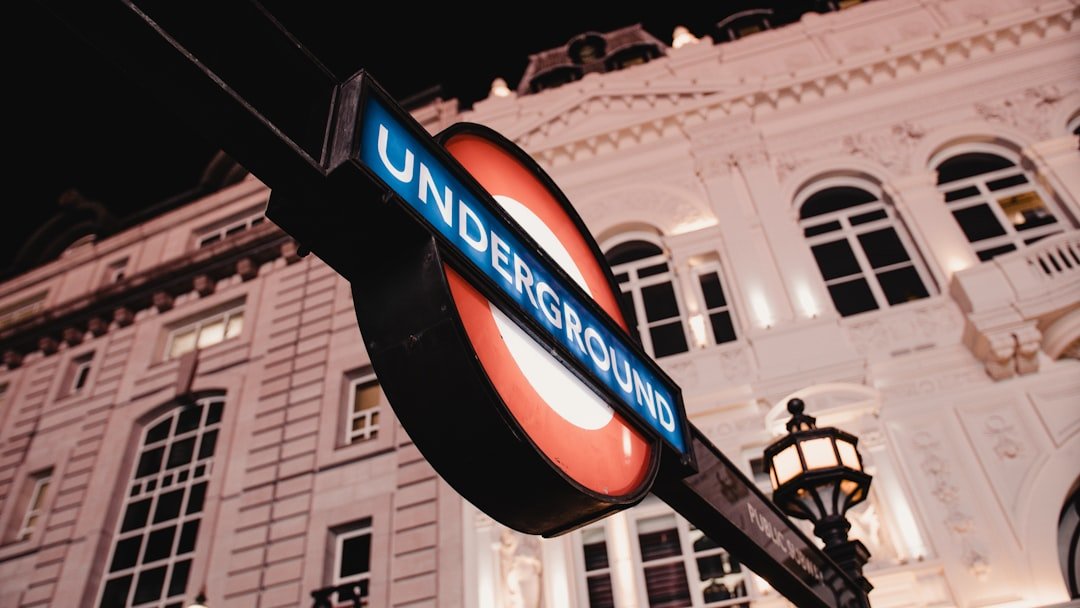
There is no useful permanent blacklist of dangerous London Underground stations. The safer approach is to pay attention to crowding, the time of night, your final walk from the station, and whether you know how you are getting home.
Transport for London’s safer travel at night guidance says Night Tube and Night London Overground services operate on Friday and Saturday nights, while night buses provide additional overnight options. TfL also states that Tube, Elizabeth line, and London Overground stations are staffed from first train to last train; DLR stations are unstaffed, although DLR trains have a member of staff on board.
Warning: Do not enter an unbooked minicab simply because the driver approaches you or the vehicle has licensing stickers. TfL says private-hire minicabs must be booked through a licensed operator. Black taxis can be hailed in the street or hired from a taxi rank.
If something happens on the rail network and it is not an emergency, British Transport Police provides the 61016 text service. You can also call 0800 40 50 40. For an emergency, use 999.
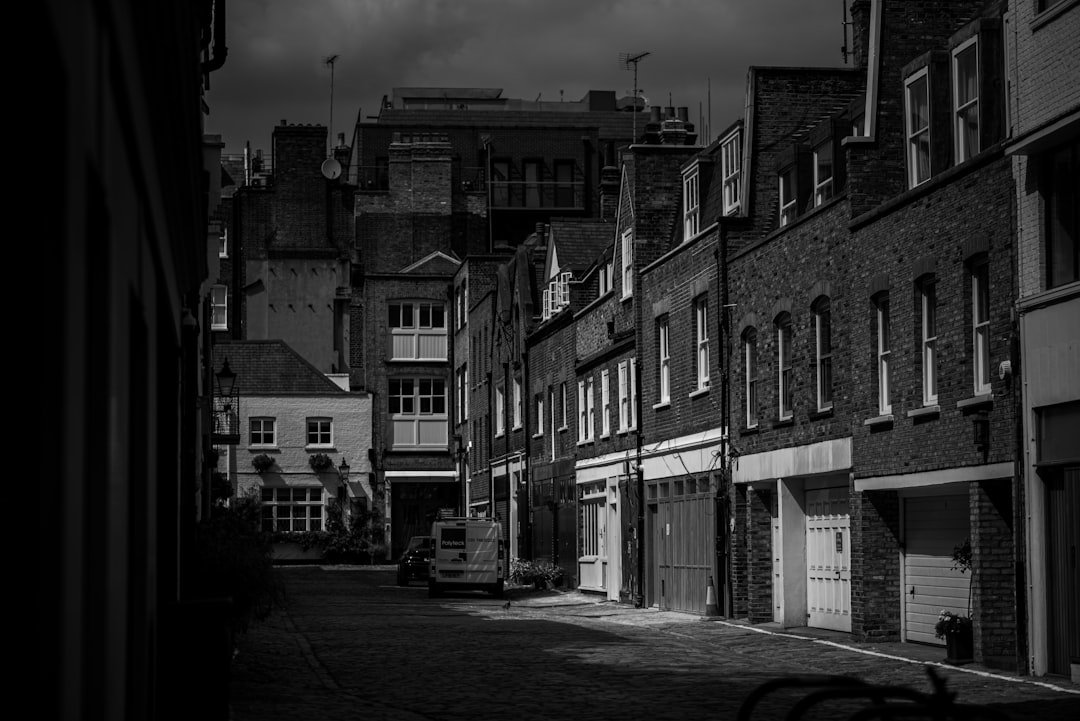
Late at night, the final part of your journey deserves as much thought as the station itself. A hotel five minutes from a busy station on an active road may be more comfortable for you than one requiring a longer walk through unfamiliar residential streets.
“Gang Areas” and Why Blanket Labels Can Mislead Visitors

Calling an entire London neighbourhood a “gang area” is rarely useful travel advice. Brixton, Peckham, Hackney, Tower Hamlets, and Newham all contain busy commercial streets, residential areas, nightlife, transport hubs, schools, parks, restaurants, and places that thousands of people use normally every day.
Crime can still occur within these districts, and some local streets record more violence, robbery, anti-social behaviour, or theft than others. The key point is that risk is not distributed evenly across an entire borough or neighbourhood.
If you are considering accommodation in Brixton, Peckham, Dalston, Whitechapel, Stratford, or another area outside the most familiar tourist zone, check four details before booking:
- The exact postcode: local police information is more useful than a broad borough name.
- The final walk: see how far the entrance is from the Tube, rail station, or bus stop you expect to use.
- Recent accommodation reviews: look for comments about the street, entrance, noise, lighting, and late arrivals.
- Your return transport: plan how you will get back after dinner, a concert, theatre, or nightlife.
This approach also avoids a common travel mistake: assuming Central London is always safer. Central districts have busy streets and visible activity, but they also attract large numbers of visitors carrying phones, cameras, bags, and wallets.
Noise Pollution: Check Before Choosing a Hotel
Noise is another reason an otherwise convenient London location may not suit every traveller. Traffic, trains, construction, pubs, clubs, deliveries, and late-night crowds can all disturb sleep without making the neighbourhood itself unsafe.
If quiet matters to you, examine the exact hotel location rather than relying on the district name. Rooms facing a main road, railway, busy junction, pub, club, or late-night entertainment street may sound very different from rooms facing an interior courtyard or quieter side street.
Recent guest reviews are especially useful here because they can reveal whether noise enters the rooms, whether windows block street sound, and whether the immediate area stays active after midnight. Light sleepers should also look at the hotel’s room-position options before booking.
Places With a High Risk of Pickpocketing and Phone Theft
For tourists, theft risk is often more relevant than a list of supposedly dangerous neighbourhoods. Crowded streets, station entrances, shopping districts, queues, entertainment areas, markets, and major attractions all create moments when visitors may be distracted.
Phone theft needs particular attention. The Metropolitan Police advises people to keep track of who is around them, avoid leaving phones unattended on tables, use biometric or strong locking protection, and put the device away after use. Its mobile phone theft guidance also recommends recording your phone’s IMEI number somewhere other than on the phone itself.
Pro Tip: If you need your phone for directions on a busy street, move away from the kerb and stop near a building before looking at the screen. Check the next one or two turns, then put the phone away instead of walking while staring at it.
Thieves may also approach from behind on bicycles or mopeds. Staying aware near roads, station exits, shopping centres, and entertainment venues reduces the time your phone is exposed.
What to Do if You Feel Unsafe or Something Is Stolen
If a street or situation feels unsafe, move toward a staffed station, hotel, shop, restaurant, venue, or another populated place. Do not continue along an isolated route simply because it is the shortest path on your map.
If someone threatens you for property, prioritise your safety rather than trying to recover the item physically. For a crime in progress or someone in immediate danger, GOV.UK says to call 999. Non-emergency crimes can be reported online or by calling 101.
If your phone has been stolen, use another device to lock or locate it if those features were enabled, contact your mobile provider, protect important online accounts, and contact your bank or card provider if financial information may be exposed. Report the theft to police and include the IMEI number if you have it.
If you’re also planning food-related reading for your travels, you might be interested in the delightful world of Asian melon, which covers different varieties and how they are used in various cuisines.
Frequently Asked Questions
What areas should tourists avoid in London?
There is no reliable list of whole London neighbourhoods that every tourist should avoid. Use extra caution in crowded tourist and nightlife areas, around busy transport hubs, and on unfamiliar quiet streets after dark. Check the exact postcode and current local information instead of judging an entire borough by its reputation.
Why should I use extra caution in some London areas?
Some places combine large crowds, nightlife, busy shopping streets, stations, or quieter side roads, which can create more opportunities for theft or other incidents. Conditions also vary by time of day. The practical response is greater awareness, secure belongings, and a planned route rather than automatically avoiding the entire area.
Are some London areas more dangerous at night?
Some situations require more caution at night, especially around nightlife venues, quiet streets, poorly familiar routes, and places where transport becomes less convenient. There is no single time when London suddenly becomes unsafe. Plan your return journey before going out and favour active, well-lit routes when walking late.
What should I do if I feel unsafe in London?
Move toward a staffed station, hotel, shop, restaurant, venue, or another populated place if you can do so safely. Avoid confrontation and change your route if necessary. Call 999 when a crime is happening or someone is in immediate danger. Use 101 or online police reporting for non-emergencies.
Which areas are safer alternatives for tourists?
No London district can be guaranteed safe, so choosing an alternative by neighbourhood name alone can be misleading. Look for well-reviewed accommodation near useful transport, with a short and straightforward walk from the station. Then check current local crime information and recent comments about the immediate street and nighttime access.
Are London Underground stations dangerous?
London Underground stations should not be treated as a general list of dangerous places. Pay attention to crowding, your belongings, the time of night, and your onward route. For non-emergency incidents on the rail network, British Transport Police can be contacted by text on 61016. Call 999 for emergencies.
Where is pickpocketing most likely in London?
Pickpocketing is most practical for thieves where people are crowded, distracted, or standing close together. Busy shopping streets, attractions, markets, station entrances, public transport, queues, and nightlife areas therefore deserve extra awareness. Keep bags closed, control your phone and wallet, and do not leave valuables unattended on tables or chairs.
Sources
- Metropolitan Police — Stats and Data: Current London crime dashboards and neighbourhood-level data.
- Metropolitan Police — West End Priorities: Current robbery and theft concerns connected with the West End night-time economy.
- City of London Police — Pickpocketing Advice: Pickpocket tactics and practical theft-prevention guidance.
- London City Hall — London Air Quality Map: Official monitoring locations and modelled NO2 and PM2.5 information.
- Transport for London — Safer Travel at Night: Night transport, station staffing, taxi, and licensed minicab guidance.
- British Transport Police — 61016 Text Service: Reporting non-emergency incidents on the rail network.
- Metropolitan Police — Protect Your Mobile Phone: Phone theft prevention, device security, IMEI guidance, and steps after theft.
- GOV.UK — Contact the Police: 999 emergency and 101 non-emergency reporting guidance.