London travel tips for a first visit are mostly about planning your days by area, using public transportation correctly, and leaving enough time to walk. The Tube and buses make longer journeys straightforward, while many famous central sights are close enough to combine on foot. A little preparation around fares, bookings, weather, money, and local etiquette can save both time and frustration.
Quick Answer
For a first London trip, stay near useful public transportation, pay with contactless or Oyster, group attractions by neighborhood, and reserve major ticketed sights ahead. Mix paid landmarks with free museums, allow time for walking, pack for changing weather, and keep phones and bags secure in crowded areas.
Last checked: October 1, 2026. Dates and figures were verified against official sources.
Key Takeaways
- London’s Tube has 11 lines and 272 stations, but walking can be faster for short trips across central London.
- Free general admission at major museums can balance the cost of ticketed attractions such as the Tower of London and London Eye.
- Covent Garden, Westminster, and South Bank put first-time visitors near many major sights, while King’s Cross and Paddington offer strong transport connections.
- Contactless payment is widely used, but overseas card fees depend on your bank or card issuer.
- London weather changes quickly, so comfortable shoes, layers, and rain protection are useful in every season.
London Travel Tips for Getting Around
Public transportation is usually the easiest way to cover longer distances in London. The Transport for London network includes an Underground system with 11 lines, about 402 km of track, and 272 stations.
The Tube is especially useful for journeys between different parts of the city, while buses can be better for shorter trips and sightseeing above ground. London’s double-decker buses also reach many areas that are not directly served by an Underground station.
How to Pay for the Tube and Buses
Contactless bank cards, mobile wallets, and Oyster cards all work for pay-as-you-go travel on most TfL services. On Tube and rail journeys, touch in and out with the same card or device. On buses and trams, touch in only.
Under TfL’s fares effective in 2026, an adult Zone 1 Tube journey costs £3.10 at peak times and £3.00 off-peak. The Zones 1–2 daily pay-as-you-go cap is £8.90.
As of October 1, 2026, the adult bus and tram fare is £1.75 and the daily bus-and-tram cap is £5.25. TfL has announced that these will rise to £1.85 and £5.55 respectively from November 1, 2026.
Pro Tip: Use the same physical card or the same phone or watch throughout your journey. TfL treats a physical card and a digital version of that card as separate payment methods, which can affect fare calculations and caps.
Walking, Cycling, River Services, and Taxis
Do not assume every journey needs the Tube. Central areas such as Westminster, Covent Garden, Soho, Trafalgar Square, and the South Bank are often best explored partly on foot.
Santander Cycles offer another option for shorter journeys, with docking stations across central London. If you are comfortable cycling in city traffic, they can be useful for parks, riverside routes, and quieter streets.
The River Thames adds another way to cross or explore the city. River Bus services provide transportation as well as views of landmarks along the Thames, although their fares work differently from normal Tube and bus caps.
Traditional black cabs and ride-hailing services such as Uber are widely available. They can be useful late at night, with luggage, or when several people are sharing a short journey.
Must-See Attractions for a First London Visit
A first trip works best when you choose a few major sights and group them geographically instead of crossing London repeatedly. Museums, royal landmarks, historic sites, river attractions, and West End entertainment can easily fill several days.
British Museum and National Gallery
The British Museum is one of London’s strongest options for history and world culture. Founded in 1753, its collection now contains around eight million objects, including the Rosetta Stone and major collections from ancient civilizations.
General admission to the British Museum is free, although some exhibitions and events charge admission. Its regular gallery hours are 10:00 to 17:00 daily, with Friday opening until 20:30, and advance free booking is recommended.
Art lovers can pair it with the National Gallery at Trafalgar Square. General admission there is also free, while some temporary exhibitions require tickets.
Tower of London and Tower Bridge
The Tower of London combines royal history, military history, and some of the city’s most famous historic buildings. Its admission includes the Crown Jewels, White Tower, battlements, and the Yeoman Warder tour when available.
From October 1, 2026, the standard adult admission price without a donation is £38 according to the official Tower of London ticket page. Allow roughly two to three hours if you want to see the main areas without rushing.
Tower Bridge is nearby and can be combined with the Tower in the same part of your day. Walking across the bridge itself is free, while the interior exhibition and high-level walkways require admission.
Buckingham Palace, Changing the Guard, and the London Eye
Buckingham Palace is a natural stop for first-time visitors, especially if you are already exploring Westminster and St James’s Park. The Changing of the Guard is a popular ceremonial event, but schedules can change because the soldiers involved are carrying out operational duties.
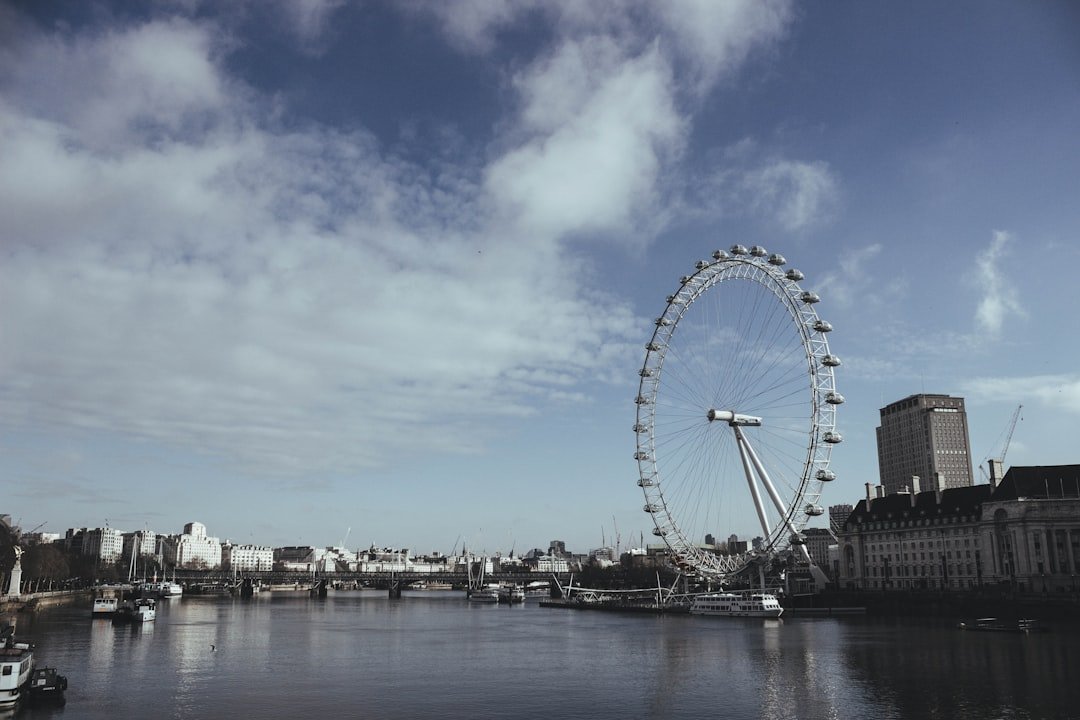
Across the river, the London Eye gives panoramic views over central London during its roughly 30-minute rotation. It is a ticketed attraction, so booking a timed entry is sensible when your travel dates are fixed.
Where to Stay in London

For a first visit, choose accommodation based on the sights you plan to see and the transport links you will use. Paying a little more for a convenient location can be worthwhile if it saves long journeys at the start and end of every day.
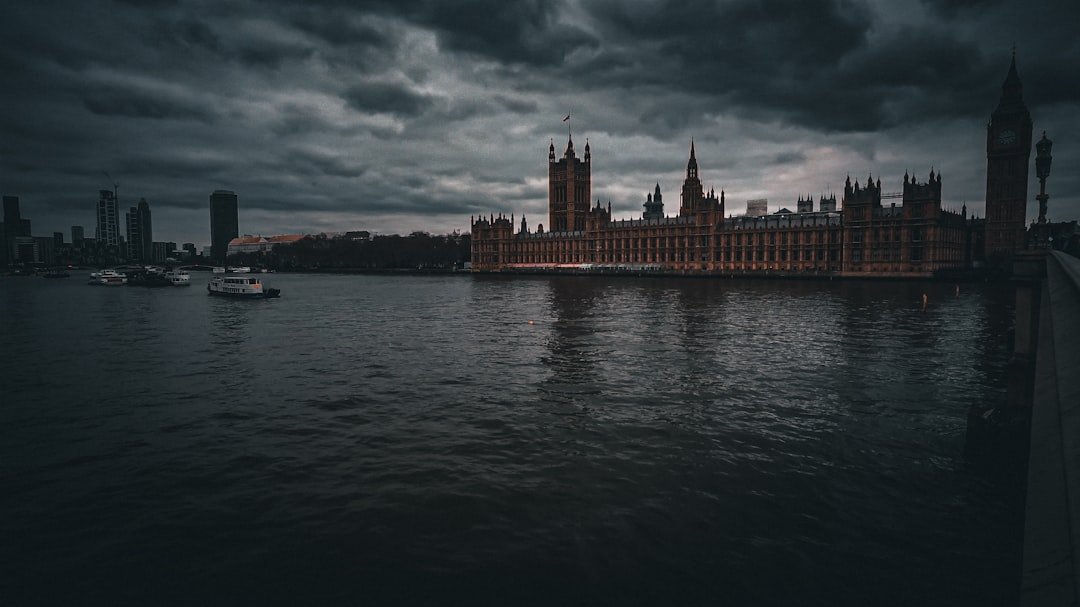
Covent Garden and the West End are convenient for theaters, restaurants, Trafalgar Square, and central sightseeing. Westminster works well for Buckingham Palace, Parliament, and St James’s Park, while South Bank and Bankside offer quick access to the Thames, London Eye, Tate Modern, and Borough Market.
Luxury travelers may consider established hotels such as The Savoy or The Ritz London. Both are centrally located and known for traditional high-end service.
For lower-cost accommodation, compare hostels and budget hotels around King’s Cross, Paddington, Hammersmith, and other well-connected districts. Shoreditch and Camden appeal to visitors who prioritize nightlife, markets, restaurants, and a livelier neighborhood atmosphere.
Serviced apartments can suit families and groups that want more space or kitchen facilities. Platforms such as Airbnb also list short-term stays in many London neighborhoods, so compare the total cost, location, transport access, and cancellation terms rather than judging a property by the nightly rate alone.
Dining and Food
London’s food scene reflects the city’s international population, so a first visit does not need to focus only on traditional British dishes. You can combine pub food, markets, afternoon tea, and restaurants serving cuisines from around the world.
For classic British choices, look for fish and chips, pies, a Sunday roast, or shepherd’s pie. Pubs range from simple neighborhood establishments to restaurants with extensive menus, so food quality and prices vary widely.
Borough Market
Borough Market is a useful stop if you want to try several foods in one place. It combines produce sellers, specialty food shops, street-food stalls, restaurants, and bars beside London Bridge station.
The regular Borough Market opening schedule is Tuesday through Friday from 10:00 to 17:00, Saturday from 09:00 to 17:00, and Sunday from 10:00 to 16:00. It is normally closed on Monday, although holiday schedules can differ. Access to the market itself is free.
Other Food Areas
Camden Market offers a large mix of casual food and international street-food choices. Brick Lane and the surrounding East London neighborhoods are known for South Asian food, bakeries, cafes, and other multicultural dining options.
Afternoon tea is another traditional London experience. Prices and formality vary greatly, from simple tearooms to elaborate hotel services, so choose it because you want the experience rather than assuming it is an essential meal.
Safety and Security
London is visited by millions of people, but the usual big-city precautions still matter. Crowded stations, shopping streets, nightlife districts, and tourist attractions are places where you should pay extra attention to phones, wallets, cameras, and bags.
The Metropolitan Police advice for London visitors specifically warns about pickpockets, unattended luggage, valuable electronics, and distractions around ATMs. Keep valuables close rather than leaving a phone or camera unattended on a table.
Warning: Keep your phone secure when you are not actively using it, particularly in crowded public areas. Do not leave luggage unattended, even briefly, in stations, hotel lobbies, restaurants, or other public spaces.
For an emergency requiring police, fire, or ambulance assistance, call 999 or 112. For non-emergency police matters, the UK number is 101.
When traveling late, use busy, well-lit routes and established transportation services. If you are unfamiliar with an area, plan the final part of your journey before leaving a station or venue.
Money and Currency

Currency in London
London uses the British Pound Sterling (GBP), divided into 100 pence. Coins commonly used are 1p, 2p, 5p, 10p, 20p, 50p, £1, and £2.
The current Bank of England banknotes are £5, £10, £20, and £50. Notes featuring King Charles III circulate alongside valid notes featuring Queen Elizabeth II.
Exchanging Currency
Currency exchange is available at airports, banks, and exchange businesses around the city. Compare the total number of pounds you will receive after the exchange rate and any commission rather than looking only at a headline rate.
Airport exchange desks are convenient, but convenience does not automatically mean they offer the best rate. If you need cash immediately, you may prefer to exchange only a small amount first.
Payment Methods
Credit cards, debit cards, contactless payments, Apple Pay, and Google Pay are widely used around London. Contactless bank cards can also be used directly on much of London’s public transportation network.
If your card was issued outside the UK, check whether your bank charges a foreign transaction fee. A backup payment method is useful in case your primary card is declined, lost, or temporarily blocked.
Withdrawing Cash
ATMs are common throughout London, although individual machines or your own bank may charge withdrawal fees. Review the fee shown on the screen before confirming a withdrawal, particularly at independently operated machines.
Tipping in London
Tipping is generally optional rather than mandatory. According to the official London visitor tipping guidance, 10% to 15% is common in restaurants when a service charge has not already been added.
Check your restaurant bill before adding another tip because many establishments already include a service charge. Tipping is not normally expected when ordering drinks at a pub bar, while taxi passengers often simply round up the fare.
Weather and What to Pack
London has a temperate climate, so extreme temperatures are less common than frequent changes between cool, mild, wet, and sunny conditions. Layers are useful because the temperature can change during the day and indoor spaces may feel much warmer than outdoors.
The Met Office 1991–2020 climate averages for Heathrow show an average January maximum of about 8.4°C (47°F) and minimum of 2.7°C (37°F). July averages about 23.9°C (75°F) during the day and 14.2°C (58°F) at night.
Rain can occur throughout the year, so a compact umbrella or lightweight waterproof jacket is useful in any season. Comfortable walking shoes matter just as much because sightseeing often involves more walking than visitors expect, even when they use the Tube.
For winter, pack a warm coat and layers that can be removed indoors. In summer, bring lighter clothing along with a light outer layer for evenings, plus sunscreen and sunglasses for brighter days.
The UK uses three-pin electrical plugs, so travelers from countries with different socket types should bring a suitable adapter. Check the voltage information on your chargers and appliances before connecting them.
Cultural Etiquette and Customs
London is informal in many situations, but a few everyday customs make travel smoother. Queuing, polite language, escalator etiquette, and consideration for other passengers are especially useful to understand.
Queue rather than pushing ahead at ticket counters, bus stops, cafes, and attractions. Simple phrases such as “please,” “thank you,” “sorry,” and “excuse me” are commonly used in everyday interactions.
On many London Underground escalators, stand on the right so people can walk past on the left. Keep bags out of the aisle, let passengers leave a train before boarding, and offer priority seating to someone who appears to need it more.
In pubs, customers often order and pay at the bar instead of waiting for table service. Among friends, buying drinks in rounds is common, although visitors are not required to join that custom if it does not suit them.
At restaurants, wait until everyone has been served before starting when the setting is formal enough for that convention. Check whether a service charge is included before adding a separate tip.
Politics, income, and other personal subjects can be sensitive with people you have just met. Starting with travel, sports, food, entertainment, or the city itself is usually an easier way to begin a conversation.
Frequently Asked Questions
What are the must-see attractions in London for first-time visitors?
Good first-visit choices include the Tower of London, Buckingham Palace, British Museum, National Gallery, Tower Bridge, London Eye, and a West End theater district walk. Do not try to see all of them in one day; group nearby attractions together so more of your time is spent exploring rather than traveling.
What is the best way to get around London as a first-time visitor?
Use a combination of the Tube, buses, and walking. Contactless or Oyster makes public transportation straightforward, while walking is often better between nearby central sights such as Covent Garden, Soho, Trafalgar Square, Westminster, and the South Bank.
What cultural etiquette should I know before visiting London?
Queue patiently, use polite language, let passengers leave trains before boarding, and stand on the right side of Underground escalators when signs direct you to do so. In pubs, ordering at the bar is common, and tipping for drinks ordered at the bar is generally not expected.
What safety tips should first-time visitors follow in London?
Keep phones, wallets, cameras, and bags secure in crowded areas and never leave luggage unattended. Be alert around ATMs, use established transportation late at night, and remember that vehicles drive on the left when you cross streets.
Where should first-time visitors stay in London?
Covent Garden, Westminster, South Bank, and Kensington are convenient choices for major attractions and public transportation. King’s Cross and Paddington are also practical because of their transport connections, while Shoreditch or Camden may suit travelers who prioritize nightlife and a more energetic neighborhood atmosphere.
Do I need an Oyster card if I have a contactless bank card?
Not necessarily. An eligible contactless card or mobile wallet can be used for pay-as-you-go travel on much of London’s transport network, with fare capping where applicable. Oyster remains useful for travelers whose bank cards are not accepted or whose cards carry high overseas transaction fees.
How much cash should I carry in London?
You usually do not need a large amount of cash because cards and contactless payments are widely used. Carrying a modest backup amount can still be useful, but your exact need depends on where you shop and whether your bank charges foreign transaction or ATM fees.
What power adapter do I need for London?
The UK uses a three-pin plug, so visitors from countries with other plug designs normally need a UK-compatible adapter. Check the voltage range printed on your charger or appliance as well, because a plug adapter changes the connection shape but does not convert electrical voltage.
Also on the site: Exploring the Delightful World of Asian Melon.
Sources
- Transport for London: Underground network size, lines, and station count.
- Transport for London fares: 2026 Tube fares and fare caps.
- British Museum: general admission and visitor opening information.
- Historic Royal Palaces: Tower of London admission prices and included attractions.
- Borough Market: regular opening days, hours, and visitor information.
- Metropolitan Police: visitor safety, theft prevention, and emergency information.
- Bank of England: current banknote denominations and circulating portraits.
- Met Office: Heathrow 1991–2020 temperature and rainfall climate averages.
- Visit London: current tipping and service-charge guidance.